







Introduction:Arabica coffee beans are the mainstream of specialty coffee worldwide, but did you know they are further divided into varieties such as Typica, Bourbon, and Geisha? These varieties not only differ in bean shape and appearance, but also directly influence the flavor profile and cultivation difficulty. This article delves into the origins, characteristics, and recommended brewing methods of each major subspecies, helping you build more precise coffee tasting skills right from the bean selection stage.
Arabica coffee is the most popular coffee variety globally, accounting for approximately 70% to 80% of total market production. Compared to the other major variety, Robusta, Arabica offers a richer flavor profile, with bright acidity and complex aromas, and is commonly found in pour over coffee and the specialty coffee scene. However, Arabica itself is not a single homogeneous type, but includes numerous subspecies and varieties such as Typica, Bourbon, Geisha, Maragogype, and Pacamara, each with unique bean shapes, growing conditions, and flavor profiles.
The differences among these细分varieties are not only reflected in their external size and shape, but also deeply impact the flavor expression, yield stability, and disease resistance of the coffee. For example, Typica, as the most traditional and historically significant branch of Arabica, features an elongated, flat bean shape, often displaying the classic "S"-shaped center line seen in textbooks. It offers clean acidity and a sweet aftertaste, but is relatively weak against pests and diseases, with lower yields. Its related variety, Maragogype, is a natural mutation of Typica, known for its exceptionally large size—over 20 mesh—earning it the nickname “giant” among coffee beans. It is often sought after in the specialty market for its unique visual and taste appeal.
On the other hand, Bourbon is another important natural mutation of Typica, with its most notable change being the shift from a slender to a round and plump bean shape. These round beans typically exhibit rounder acidity, often accompanied by a wine-like finish and pronounced sweetness, making them suitable for consumers who enjoy mellow fruity acidity. There are many derivatives of Bourbon, such as Yellow Bourbon, Pink Bourbon, Caturra, and Pacas. These varieties not only inherit the rounded appearance, but some also possess greater adaptability and higher yield potential. Among them, Caturra and similar varieties are valued in many producing regions for their ability to thrive in high-temperature, high-light environments. Additionally, the Bourbon family includes a special variant—Laurina—known for its extremely low caffeine content (about half that of regular Arabica) and rarity, making it a prized find for coffee collectors.
As for Geisha, this once overlooked variety rapidly rose to the ranks of top-tier specialty coffee after winning the Best of Panama (BOP) competition in 2004. The origins of Geisha can be traced back to the Gesha Forest in Ethiopia in 1931. After years of being introduced across regions, it finally flourished under the unique microclimate of Panama. Its most representative physical trait is its slender bean shape, with pointed ends and a plump middle section. Some high-grade Geisha beans can even reach 18–19 mesh, similar in size to Pacamara. In terms of flavor, Geisha often exhibits layered citrus acidity, delicate floral notes, and a tea-like aftertaste, making it highly favored by pour over enthusiasts. It’s worth noting that Geisha can be categorized by origin into American varieties (such as those from Panama’s Hacienda Esmeralda) and African varieties (such as those from Ethiopia’s Gesha Village), with subtle differences in both appearance and flavor.
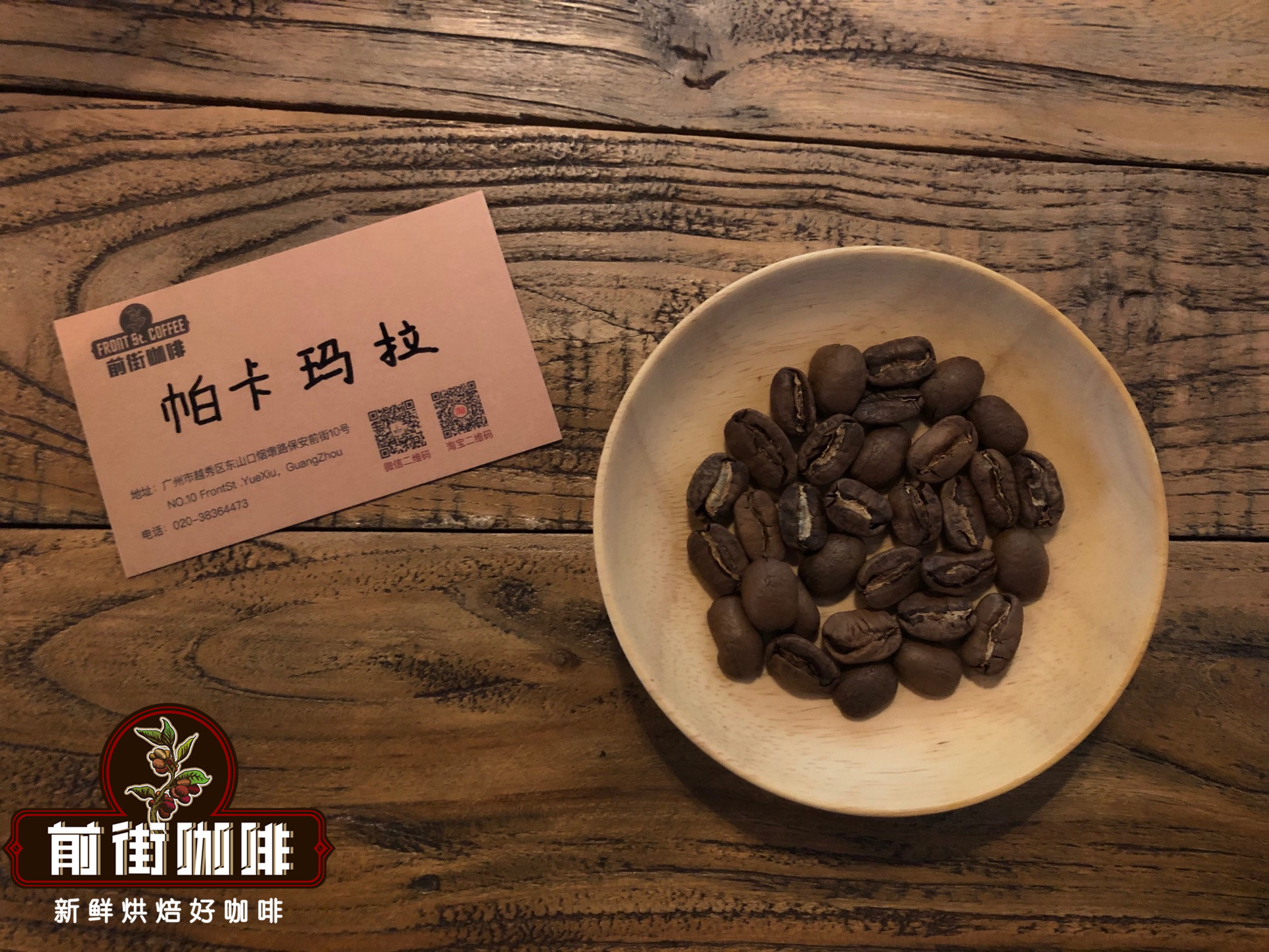
Additionally, Pacamara is a human-bred hybrid of Pacas and Maragogype, combining the large size of Maragogype with the high adaptability of Pacas. It is one of the few medium-to-large bean varieties on the market that offers both visual appeal and stable flavor performance. Though not as massive as pure Maragogype, Pacamara beans generally maintain a size of 17–18 mesh or above, making them suitable for advanced consumers seeking distinctive textures and layered flavors.
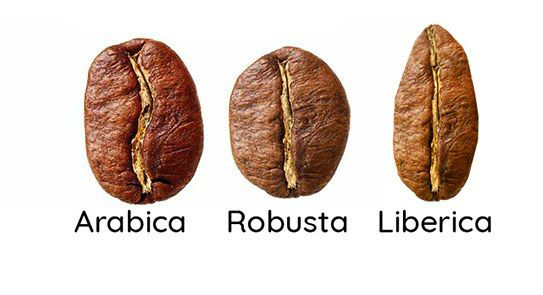
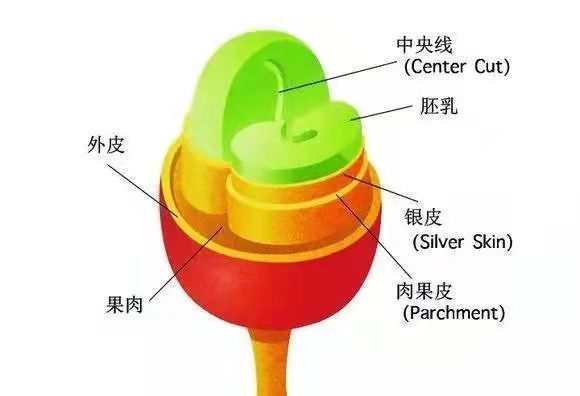
Before diving deeper into these varieties, it’s also essential to understand the basic characteristics of Arabica coffee beans: they generally have an oval shape with a curved, "S"-shaped center line, and compared to Robusta, they contain higher sugar and fat content, with a relatively lower caffeine ratio (approximately 0.9% to 1.2%), resulting in a sweet, smooth drinking experience with low astringency. Moreover, due to their lower chlorogenic acid content (around 5.5% to 8%), they are also less resistant to pests and diseases than Robusta, which is why they are mostly cultivated in high-altitude mountainous regions. The slower growth rate allows for more complex flavor accumulation.
Additionally, the occasionally seen "peaberry" (also called Caracolillo) is a unique phenomenon where a coffee cherry produces only one seed instead of two. These beans are round and plump in appearance, usually slightly smaller than regular flat beans (around 14–15 mesh), and often exhibit slightly different responses during roasting and extraction due to their higher density—a detail worth noting for advanced enthusiasts.
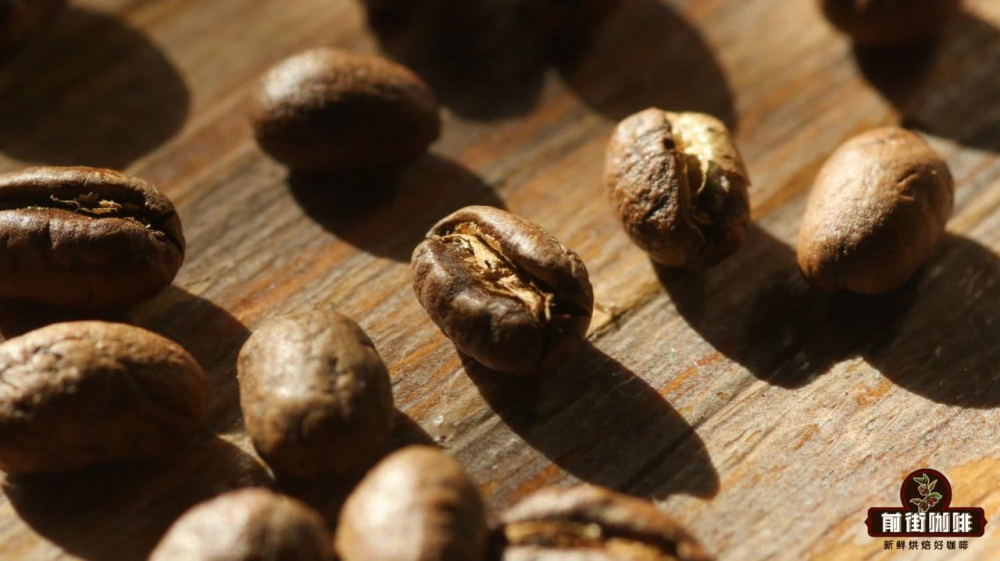
Whether you’re a beginner just starting with pour over or a seasoned coffee aficionado seeking specific flavor profiles, understanding the characteristics and differences among these Arabica subspecies can help you make more informed decisions when selecting beans and choosing brewing methods. From the classic crispness of Typica, the round sweetness of Bourbon, to the multi-layered floral and fruity tones of Geisha, each variety represents a unique coffee experience, waiting for you to explore and savor.
The above content is compiled by CoffeeHunters, a coffee news website.


