








Introduction:Want to explore the unique charm of Mandheling, Indonesia's most iconic Sumatran coffee? This article delves into the processing methods and flavor evolution of classic aged Mandheling, comparing its differences in acidity, sweetness, and body with the more common Golden Mandheling. It also explains how wet hulling was developed to suit Southeast Asia’s high-humidity climate, creating the coffee’s bold and full-bodied character. Professional roasting profiles and flannel pour-over brewing guidelines are included—making this essential reading for enthusiasts of deep flavors and craftsmanship.
Mandheling is one of the most representative coffees from Indonesia’s Sumatra region, and aged Mandheling is a particularly special product that undergoes long-term proper storage on top of wet hulling processing. Starting with an overview of Indonesia’s major coffee-growing regions, this article breaks down the wet hulling process, the climatic and economic factors behind it, and the logic and mechanisms behind aged bean processing. It also compares aged Mandheling with the widely available Golden Mandheling in terms of acidity, mouthfeel, and texture, and includes professional roasting advice and a step-by-step flannel pour-over guide to help coffee lovers fully understand this classic Southeast Asian flavor.
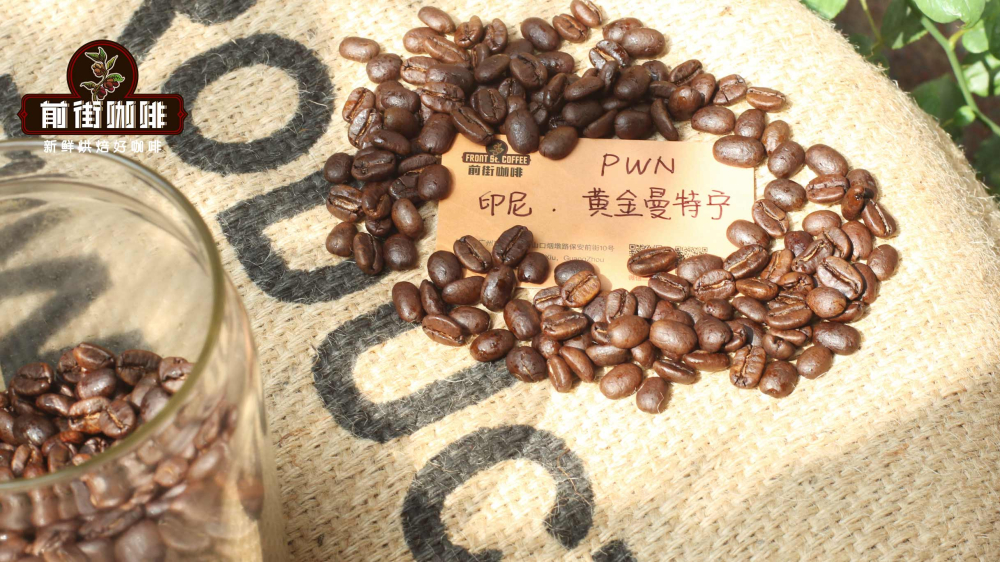
As an important coffee-producing region in Indonesia, Sumatra is widely known for its “Mandheling” label. Common grades like Sumatra Mandheling DP Grade 1 and Aged Sumatra Mandheling are celebrated for their full-bodied taste and distinctive forest-earth notes. Indonesia’s three main producing areas include Sumatra, Java, and Sulawesi, with Sumatra’s Mandheling being the most renowned. Take PWN Golden Mandheling, for example, which is known for consistent quality and low defect rates. Its green beans undergo multiple rounds of manual and mechanical sorting, with bean size reaching 18 mesh or above—a hallmark of high standards.
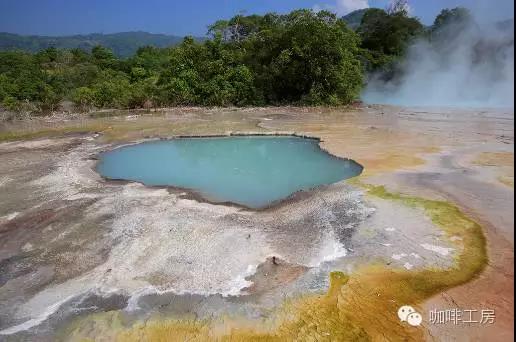
Mandheling is often referred to as “Sumatran coffee,” and can be further subdivided by origin into the Aceh region (e.g., Lake Tawar, Gayo Mountains) and the North Sumatra region (e.g., Lake Toba, Lintong). These areas not only feature diverse terrains and microclimates but also predominantly volcanic soils rich in minerals, combined with cultivation altitudes around 1,500 meters, all contributing to Mandheling’s solid flavor foundation.
The most distinctive processing method in Indonesian coffee is undoubtedly “wet hulling,” known in English as Wet Hulling and locally as Giling Basah. Although its name is similar to washed processing, the two produce vastly different cup profiles. Coffee processed via wet hulling typically exhibits stronger body, pronounced mouthfeel, and a unique flavor profile.
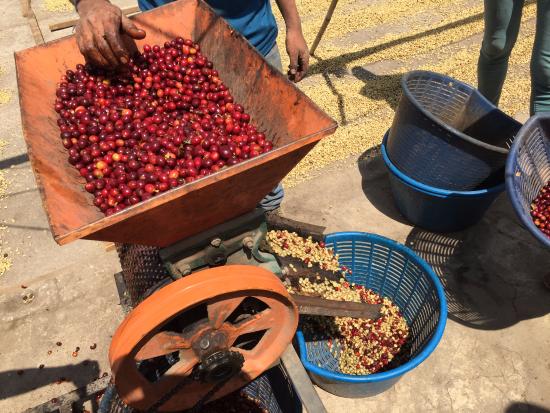
The steps of wet hulling are roughly as follows: first, the skin and pulp of the coffee cherry are removed, leaving the parchment and mucilage; then the beans undergo water tank fermentation to remove part of the mucilage; next, the remaining mucilage is washed off, and the parchment-covered beans are sun-dried for 2 to 3 days until their moisture content drops to 20–24%; after that, the parchment is removed, and the green beans continue drying until their moisture level reaches 12–13%, at which point they’re ready for export. This method is widely adopted due to Indonesia’s hot and humid climate conditions.
Indonesia maintains humidity levels between 70–90% year-round, with frequent rainfall—in some areas, annual rainfall can reach 2,000 mm—which makes the long drying times required for traditional washed processing highly unfavorable. Conventional washed processing involves slowly drying the beans in their parchment, which protects the green beans but takes too long in Indonesia’s humid environment, increasing the risk of mold. Wet hulling, on the other hand, removes the parchment midway through drying, exposing the beans directly to air and accelerating dehydration. This can shorten drying time by 2 to 3 times compared to washed processing, significantly reducing risks and costs.
Additionally, historical background has contributed to the popularity of wet hulling. Since the Dutch colonial period in the 17th century, Indonesian coffee production has prioritized quick returns and high yields. Wet hulling dramatically shortens the overall processing time and reduces labor and equipment needs, aligning with the goal of maximizing economic efficiency at the time. However, because the beans are still at a high moisture content of 20–24% during processing, the parchment adheres tightly to the beans, and hulling often causes noticeable pressure marks or dents—commonly called “goat hooves” or “kuku kambing”—resulting in generally higher defect rates for Mandheling. As a result, most processing facilities perform multiple rounds of manual sorting to ensure final quality.
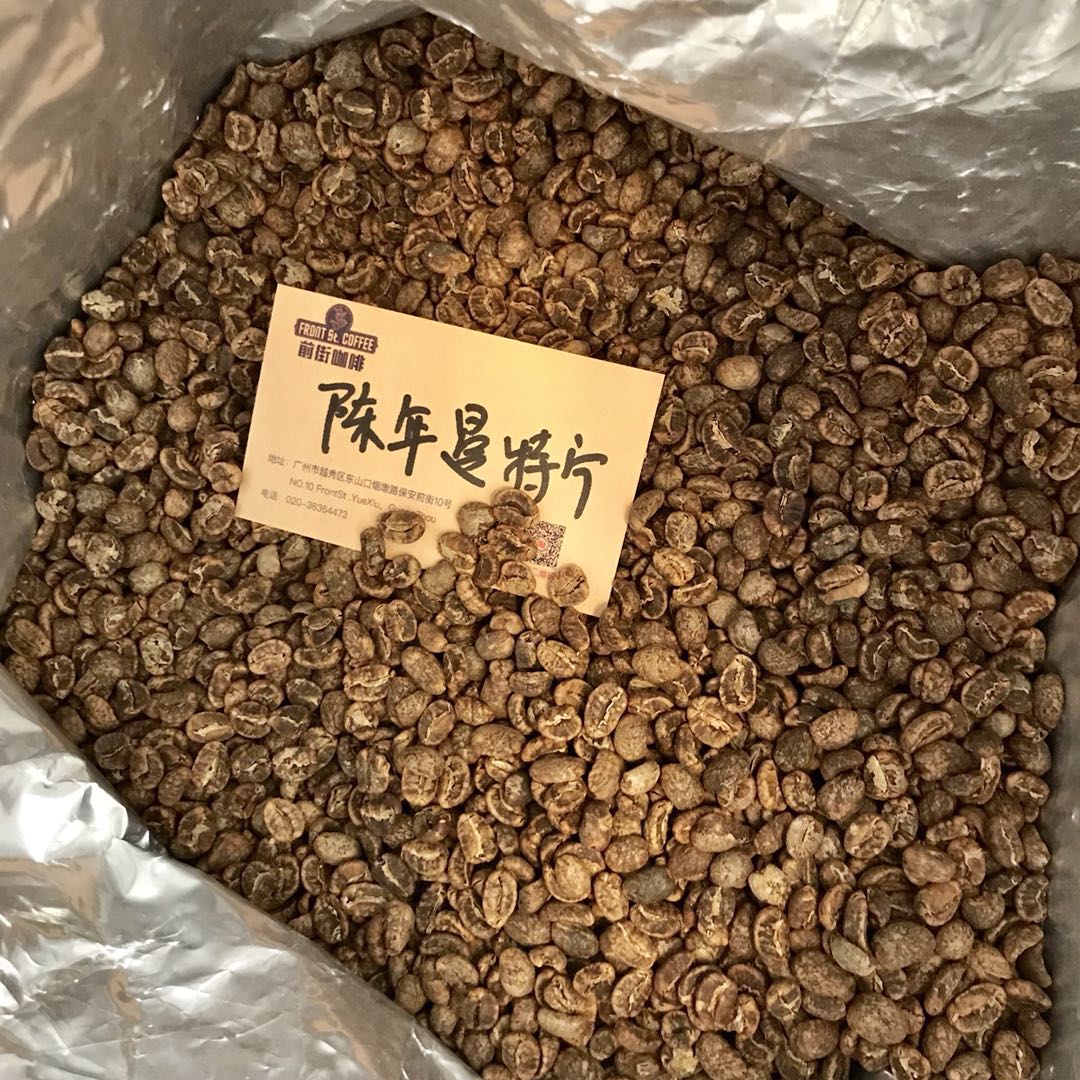
Aged Mandheling, on the other hand, is another special process. The so-called aged beans are not simply green beans stored for a long time, but rather green beans that undergo natural maturation under strictly controlled storage conditions over a period of 2 to 3 years. During this process, acidity gradually diminishes, color darkens, bean structure becomes denser, and complex aged aromas resembling leather or burlap emerge.
Proper aging requires storing the green beans in a cool, ventilated, and dry environment, with regular turning and monitoring of temperature and humidity to prevent mold or pests. Since this type of storage is usually managed by traders or brokers rather than at the origin, aged beans often have more complex transformation flavors—but may also carry some undesirable musty or earthy notes, which are among the unique characteristics of this coffee.
Well-aged coffee beans will show noticeable changes in appearance and taste. With reduced acidity, darker color, and lower moisture content, the mouthfeel becomes thicker and fuller, while sweetness often presents as a honey-like softness. Some original green bean defects also fade over time. However, due to the long storage duration and special environment, aged coffee often carries composite aromas reminiscent of leather, burlap, or slight mustiness—these are also part of its flavor profile.
In terms of roasting performance, aged Mandheling—due to its high-density green beans and low moisture content—requires careful control of heat and temperature to avoid premature scorching of the bean surface oils. A medium-to-dark roast is generally recommended to highlight its full-bodied character while achieving a more rounded and unified flavor. During actual roasting, the heat should be fine-tuned according to the beans’ reactions, especially the temperature control around and after first crack, which directly impacts the final extraction.
As for brewing methods, flannel pour-over is the ideal choice for highlighting the full-bodied texture of aged Mandheling. Before use, the flannel filter must be thoroughly cleaned and sanitized, and the coffee beans should be ground to a medium-fine consistency (similar to white sugar to fine sugar). During brewing, pour hot water at 80–85°C slowly and in stages to ensure even extraction. It’s recommended to use a total water volume of 320 grams with a coffee-to-water ratio of about 1:6, allowing the coffee’s layers and sweetness to fully shine.
In summary, aged Mandheling, through wet hulling and long-term maturation, presents a flavor profile distinctly different from fresh Mandheling. From its full body and reduced acidity to its complex aged aromas, each element reflects the unique craftsmanship and regional characteristics of Indonesian coffee. For those wanting to deeply explore the profound world of Southeast Asian coffee, aged Mandheling is definitely a classic worth savoring.
The above content is compiled by CoffeeHunters, a coffee news website.


