







Introduction:Want to brew a professional-grade espresso? Mastering standard parameters is just the first step. This article provides a detailed breakdown of the definition of espresso, the golden extraction ratio, common technical issues and solutions, and an in-depth exploration of the key factors influencing crema quality. Whether you're new to coffee or a home brewing enthusiast looking to elevate your skills, you’ll find practical guidance here to easily recreate the rich coffee experience found in cafés.
Espresso is the foundation for classic specialty drinks like cappuccinos and lattes, but brewing a truly qualified shot requires precise control over multiple technical aspects. So, what should be the standard volume of espresso? How should various extraction parameters be set? This article will systematically introduce the technical specifications of espresso—from milliliters to grams in measurement evolution, as well as the causes and solutions to common extraction problems—to help you comprehensively improve your brewing skills.
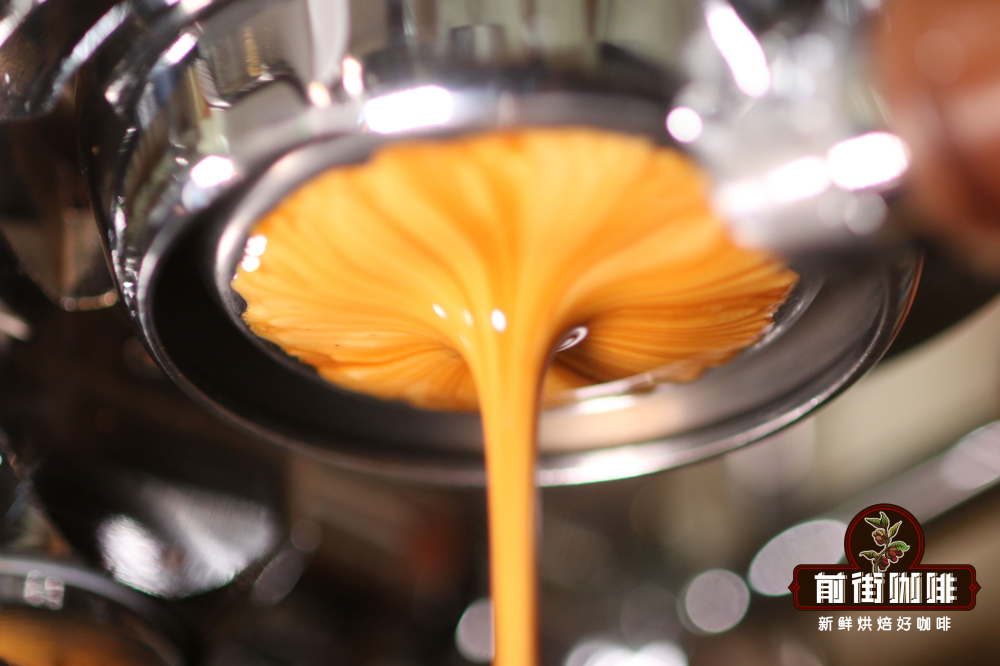
Espresso, known in English as "Espresso," originated in Italy and is a quintessential example of high-pressure, rapid extraction. According to international standards, using approximately 7 grams of freshly ground coffee, around 92°C hot water, under 9Bar pressure for 20–30 seconds, the final output should be 20–30ml of coffee liquid accompanied by a layer of fine crema. With the rise of specialty coffee, some cafés adopt a double shot setup—for example, using 19 grams of coffee at a 1:2 coffee-to-water ratio to yield 38 grams of espresso, with an extraction time of around 28 seconds. This method often results in a richer flavor profile.
Why do many cafés today no longer rely solely on milliliters as the unit of measurement, but instead evaluate espresso by weight? The key lies in density differences. Espresso contains not only dark liquid but also a layer of lighter crema, whose volume is not fixed, and the texture and thickness can vary from cup to cup. Therefore, measuring by weight provides a more accurate reference for quality.
To produce an espresso rich in crema, in addition to parameter control, coffee bean selection is crucial. It is recommended to use dark roasted blends, which typically combine beans from different origins—such as Brazil, Indonesia, and Vietnam—offering both the caramel and nutty notes of American beans and the bold, deep flavors of Asian beans. Dark roasting enhances the richness and stability of the crema, making it ideal for espresso, whether enjoyed straight as an americano or paired with milk.
What are under-extraction and over-extraction? These are core concepts every coffee enthusiast must understand. Over-extracted coffee and crema often appear overly dark in color, sometimes with noticeable large bubbles on the surface. This usually happens when the extraction time is too long (over 1 minute), or the first drop of coffee takes more than 10 seconds to appear. Common causes include coffee grounds that are too finely ground, excessively high water temperature, too much extraction pressure, or overly firm tamping. In taste, over-extracted coffee often has a pronounced burnt bitterness and astringency.
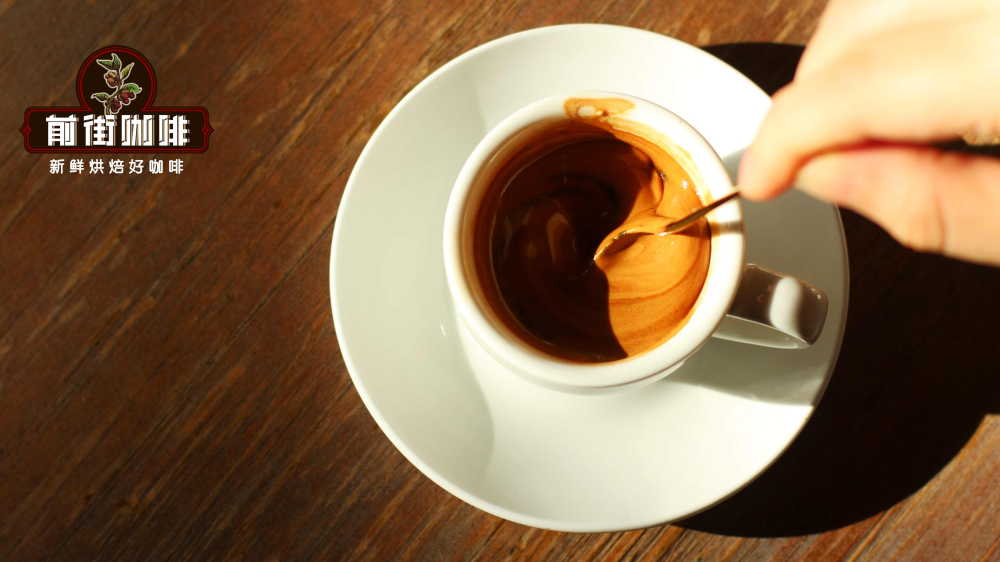
In contrast to over-extraction, under-extraction means the aromatic compounds in the coffee have not been fully released, even though the extraction time has ended. Typical signs include a lighter-colored coffee liquid, thin or missing crema, very short extraction times (e.g., completing extraction in just 15 seconds), and a fast, watery flow rather than a thick, syrupy pull during extraction. Such coffee usually tastes thin, lacking complexity and aftertaste.
In practice, many coffee enthusiasts also encounter specific issues. For example, when using a dual-spout portafilter, the coffee often drips from one side first. This may be caused by: first, a clogged shower screen or uneven water distribution—check and clean the group head and shower screen; second, uneven tamping, where one side of the puck is higher, causing the water to flow toward the lower side; finally, if the espresso machine or workstation is not level, it can also cause the extraction to flow to one side.
What about clumped crema? Normally, crema should be fine and uniform. If you notice chunky or clumped crema, it’s usually because the coffee beans are too fresh, containing excessive internal gases that destabilize the crema structure, leading to easy solidification and clumping over time. The solution is simple: let the beans degas for a few days until the gases stabilize, then proceed with extraction—the crema condition will noticeably improve.
As for the occasional tiger-stripe-like dark spots on the surface of espresso, these are visual phenomena caused by the accumulation of extremely fine particles. These dark streaks may stem from excessive fine grounds produced by the grinder, enlarged portafilter basket holes, high extraction pressure, or coarse grinding combined with heavy tamping, allowing fine particles to pass through the basket into the coffee liquid. Although tiger striping has limited impact on overall flavor and can sometimes enhance body, too many fine particles can lead to a rough mouthfeel.
The above content is compiled by CoffeeHunters, a coffee news website.


