







Introduction:Arabica coffee beans, with their delicate and captivating flavors, form the core of specialty coffee. This article provides an accessible yet in-depth exploration of the evolutionary journey of the Arabica family, the origins and characteristics of its major varieties—from classic Typica and Bourbon to competition-favorite Geisha, and the commercially common Catimor. It details each variety’s ideal growing altitudes, preferred processing methods, and typical flavor profiles, supplemented with practical information on producing regions and processing styles to help coffee enthusiasts build variety identification skills and bean selection criteria.
One of the key factors behind the rich diversity of the coffee world is the difference in varieties. Among the two mainstream species—Robusta and Arabica—Arabica stands out as the preferred source for specialty coffee due to its elegant and nuanced flavors. Starting from botanical and cultivation history, this article takes you on a journey to explore the origins, suitable growing conditions, and physical characteristics of Arabica, while systematically introducing the evolution and unique flavors of renowned varieties such as Typica, Bourbon, SL28, Geisha, Caturra, Pacas, Maragogype, Timor, and Catimor. It also includes real-world examples of producing regions and processing methods to help readers establish a comprehensive understanding of coffee varieties.
 Whether a cup of coffee is captivating often hinges on its variety. Among the coffee varieties widely cultivated around the globe, Arabica and Robusta are the two primary categories, with Arabica widely regarded as the representative of high quality due to its richer layers and more refined taste. Many renowned specialty coffees, such as Blue Mountain and Hawaiian Kona, belong to this family. Let’s start with this diverse variety family and get to know its multifaceted nature.
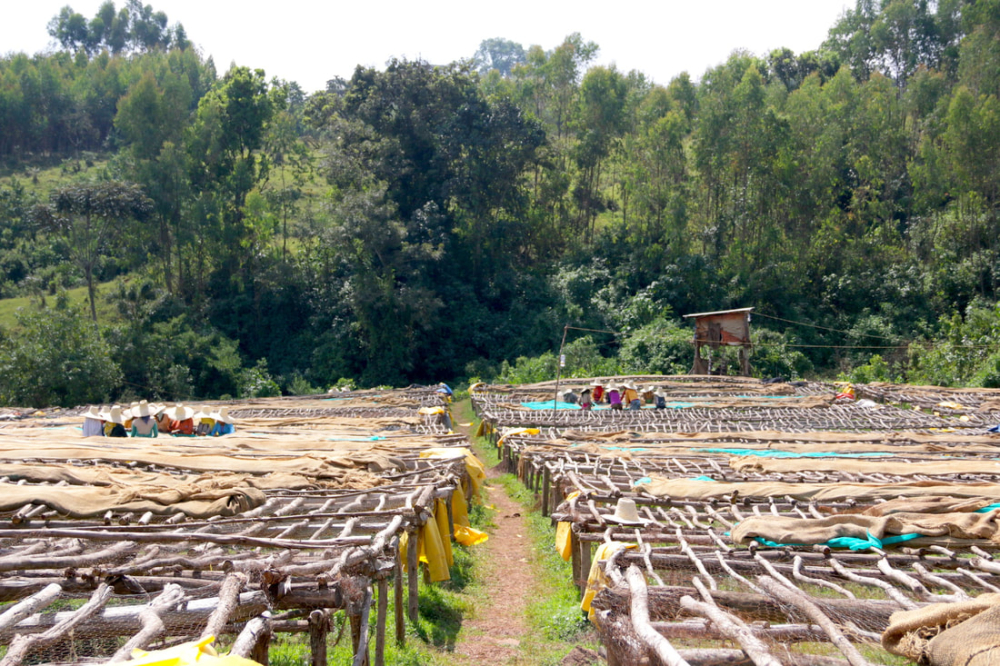
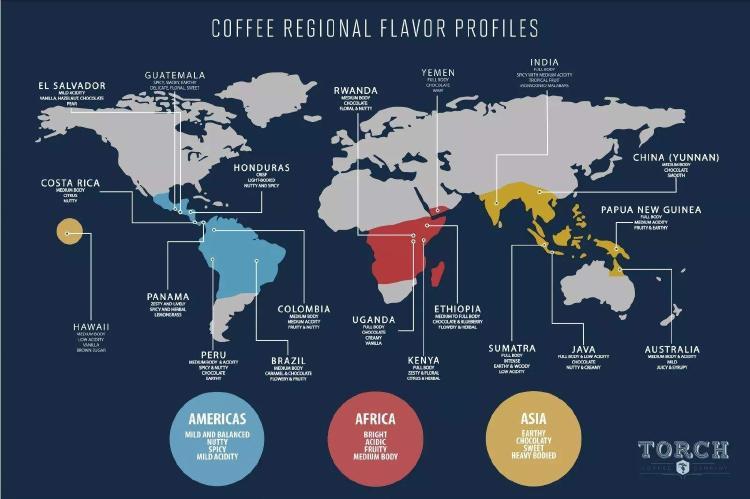
Coffee has become an indispensable part of many people’s daily lives, yet few truly understand it. Arabica, also known as small-bean coffee, originates from Ethiopia and is now primarily distributed across South America (excluding parts of Argentina and Brazil), Central America, East Africa (such as Kenya and Ethiopia), and Asia (including Yemen, India, and Papua New Guinea). This variety accounts for about 70–80% of global coffee production. Although its yield is lower than that of Robusta, Arabica is more susceptible to pests and diseases and grows more slowly, typically requiring cultivation at elevations of 500 to 1,500 meters above sea level—especially above 1,500 meters, where higher altitudes tend to produce beans with more concentrated flavors.
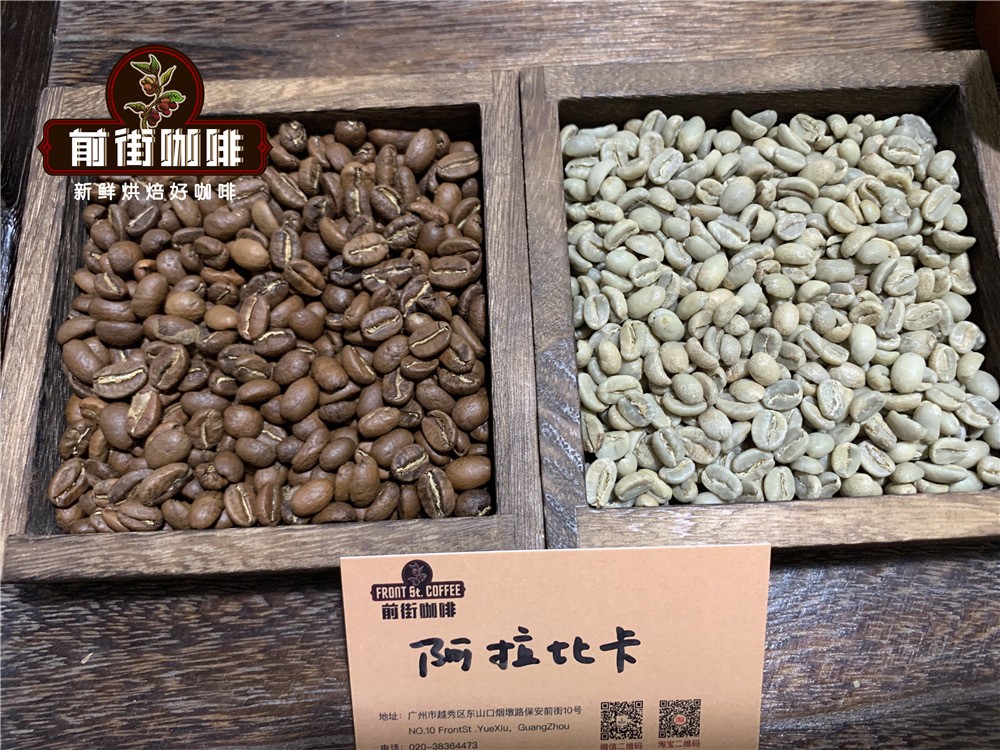
 Arabica coffee beans have distinct physical characteristics: they are slightly elongated and somewhat flat, with a natural S-shaped curve along the center line. In contrast, Robusta beans are rounder and plumper, with a more straight center line. Even within the Arabica family, beans grown at different altitudes and microclimates often exhibit vastly different flavor personalities. For example, the same Geisha variety grown in Ethiopia versus Panama can showcase dramatically different flavor profiles.
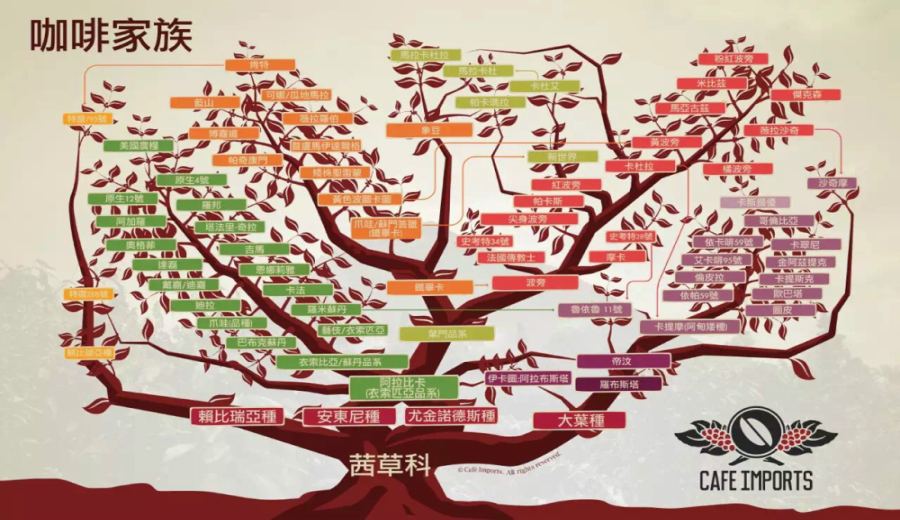
The evolution of Arabica varieties mostly stems from two ancient parent species: Typica and Bourbon. Through long-term natural mutations and selective breeding, there are now over 2,000 known cultivars, most of which are concentrated in Central and South America and certain parts of Asia. The varieties derived from these two prototypes remain the foundation of many specialty coffees to this day.
Typica can be considered one of the oldest cultivars of Arabica, originating in southwestern Ethiopia before spreading to Yemen, and from there to the rest of the world. In the late 1690s, the first Typica seeds were introduced from India to Java, giving rise to many well-known variants, such as Mandheling, Blue Mountain, and Yunnan small-bean varieties. Typica beans are long and slender, contrasting with the rounder shape of Bourbon. They offer an elegant flavor profile with bright acidity, but are challenging to cultivate and yield relatively low. For instance, a coffee brand in the Yunnan region uses sun-dried Typica grown at around 1,300 meters in the Lincang area, showcasing layers of berries, brown sugar, nuts, and a gentle tea-like finish.
Bourbon shares a similarly deep historical significance with Typica. Legend has it that it was introduced to Bourbon Island (now Réunion) by the French in the early 1700s before gradually spreading to Africa and other regions. Bourbon beans are slightly rounder in shape, deliver a full-bodied flavor, and often feature caramel and creamy textures. They also yield about 30% more than Typica, making them a common variety in many cupping competitions. A brand’s Red Bourbon from Brazil’s Cerrado region, processed using the honey method, exhibits sweet notes of nuts, chocolate, peanuts, and caramel, performing exceptionally well.
Beyond these two traditional cultivars, numerous distinctive new varieties have been developed through genetic mutation or selective breeding. For example, SL28 and SL34 were selected by Kenya’s Scott Laboratories in the 1930s. The former boasts bright acidity and outstanding sweetness, while the latter showcases a balanced acidity and sweetness with a caramel aftertaste, making them classic representatives of Kenya’s high-altitude regions. Geisha, meanwhile, is a rising star variety that gained fame in Panama, renowned for its delicate floral notes, citrus tones, and honey-like sweetness. It has won international cupping competitions for several consecutive years, becoming a top choice for competition beans.
Other common varieties include Caturra, a dwarf mutation of Bourbon that is adaptable and shade-independent, with flavors similar to Bourbon but slightly lower yield; Pacas, a mainstream variety in El Salvador, also derived from Bourbon; and Villa Sarchi, a Bourbon mutation found in Costa Rica. Additionally, Maragogype is famous for its unusually large bean size—it is a mutation of Typica, with beans up to three times the size of a typical Arabica. Yellow Bourbon, named for its orange-yellow (rather than red) ripened appearance, often carries enchanting fermented fruit aromas and creamy textures.
For commercial cultivation, Catimor is one of the most widely planted varieties. It is a hybrid of Caturra and Timor (which carries Robusta genes), offering strong resistance to diseases but relatively ordinary flavor performance. Timor itself is a natural hybrid of Arabica and Robusta; though it lacks standout flavor traits, it can still deliver respectable quality under certain high-altitude washed processing methods. A brand’s Catimor grown in Yunnan, processed via red cherry sun-drying, presents a combined flavor of nuts, chocolate, spices, and berries.

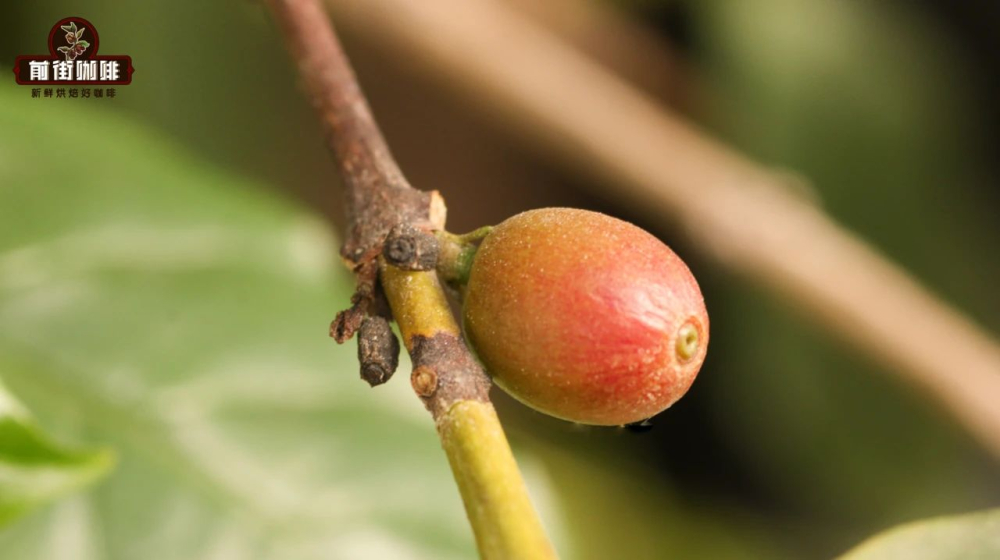
Additionally, Variedad Colombia is a disease-resistant variety developed for commercial needs, with one-quarter Robusta lineage. It can adapt to high temperatures and intense sunlight, but some batches may develop iodine-like off-flavors due to pesticides or fertilizers, which consumers should pay special attention to.
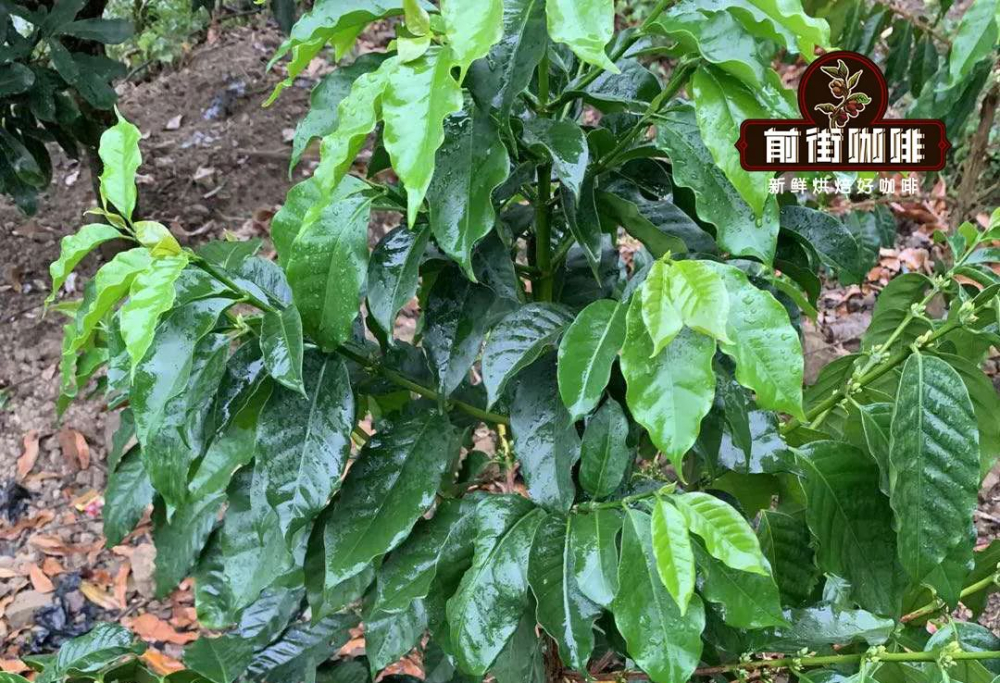
In summary, the Arabica family comprises a wide array of varieties, each with its own unique flavor characteristics and growing conditions. Understanding the backgrounds and traits of these varieties not only helps coffee enthusiasts make more informed purchasing decisions, but also enables them to adjust brewing parameters based on bean characteristics to further enhance flavor expression. Whether you’re a beginner or an advanced enthusiast, mastering this foundational knowledge is a crucial first step toward further exploring the world of specialty coffee.
The above content is compiled by CoffeeHunters, a coffee news website.


