








Introduction:Jamaican Blue Mountain coffee is hailed as one of the world’s top-tier coffees, yet the variety background, growing conditions, and meticulous processing techniques behind it remain little known. This article delves into the Typica variety origin of Blue Mountain coffee, its microclimate environment, the strict certification standards of the CIB, and provides a detailed analysis of its flavor profile under medium-dark roasting along with practical pour-over brewing recommendations—allowing you to fully grasp the charm of this classic coffee from variety to brewing.
Blue Mountain coffee is the dream bean for many coffee enthusiasts, but few truly understand it. This washed Typica coffee from Jamaica’s Blue Mountains is renowned for its rich, balanced flavor and rarity, consistently ranking among the finest coffees in the world. This article will take you through its variety origins, growing environment, processing methods, roasting strategies, and pour-over techniques to comprehensively uncover the unique qualities of this classic coffee.
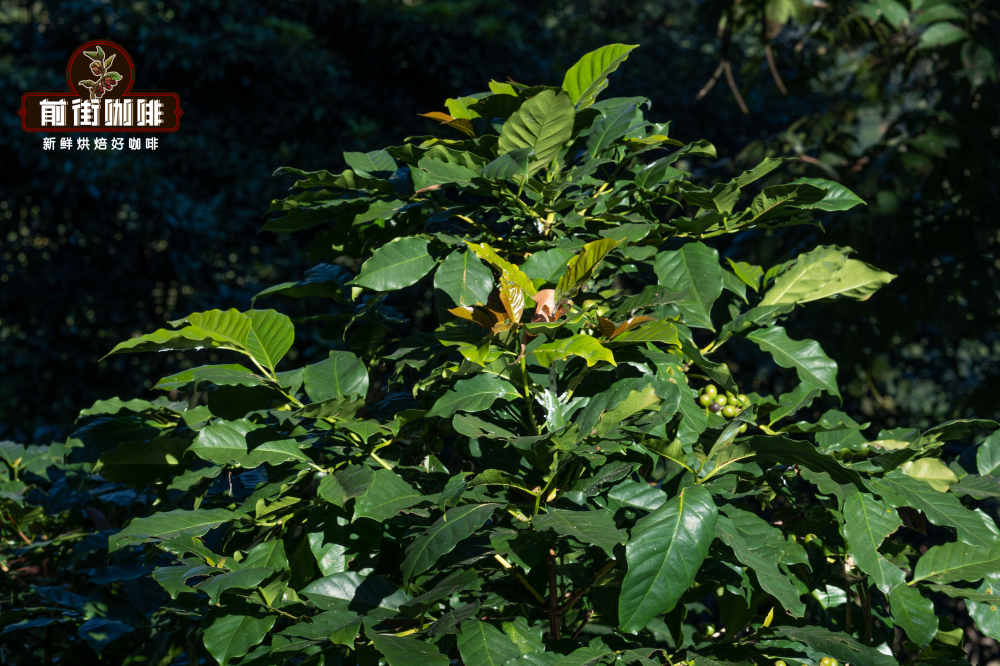
The variety used in Blue Mountain coffee is Typica, one of the earliest Arabica varieties introduced to Latin America and a foundational variety for many traditional specialty coffees. Typica plants are characterized by their distinctive "red tip" feature, where newly emerged leaves exhibit a reddish-bronze hue, hence also earning the name "red-tip coffee." The tree has a naturally conical shape, with branches slightly angled outward, maintaining an angle of 50 to 70 degrees with the main trunk. Due to its slow growth and slender form, wider spacing is required during planting to ensure proper ventilation and sunlight exposure, leading to relatively higher management costs.
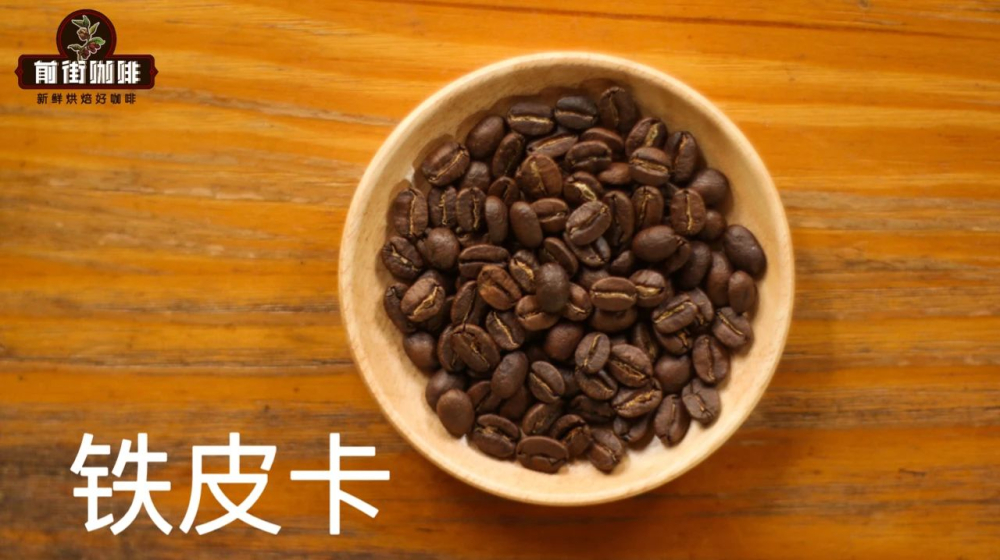
In terms of bean appearance, Typica coffee beans are typically larger and more elongated, with pointed ends, resembling the shape of an egg. Roasted Typica often exhibits a bright citrus note, with gentle acidity that is not overly sharp, and a naturally sweet aftertaste. Its overall flavor is clear and clean, earning it a reputation as one of the varieties with the most "elegant flavor profile." However, Typica also has notable drawbacks, particularly its extremely poor disease resistance, especially to leaf rust and berry disease. Since leaf rust first broke out in Africa in 1861, it has become the number one threat to global coffee cultivation. Typica, due to its genetically fragile nature, is almost untreatable once infected, resulting in scarce yields and high cultivation risks. Many regions have gradually shifted to planting more disease-resistant varieties.

The legendary status of Jamaican Blue Mountain coffee is not only due to the potential of the variety itself but more critically, its uniquely advantageous growing environment. The Blue Mountains are located in the northeastern part of the Caribbean island, surrounded by the sea, forming a typical island-type tropical rainforest microclimate. The region experiences abundant rainfall during the rainy season with excellent drainage, coupled with fertile volcanic ash soil left by ancient volcanic activity, providing optimal conditions for coffee tree growth. The area enjoys ample sunlight but cool temperatures, often shrouded in a light mountain mist, and the significant day-night temperature variation at high altitudes helps coffee cherries slowly accumulate flavor compounds.
According to the regulations of the Jamaica Coffee Industry Board (CIB), only Typica coffee grown within a specific area of approximately 6,000 hectares at elevations between 910 and 1,700 meters in the Blue Mountains qualifies as "Blue Mountain coffee." The high altitude not only extends the maturation period of the coffee cherries but also promotes the development of more aromatic compounds, resulting in a richer and more refined flavor. However, due to the steep terrain, variable climate, the inherently slow growth and low yield of Typica, the overall production capacity of Blue Mountain coffee is extremely limited. Less than 15% of the coffee beans produced each year meet the Blue Mountain certification standards, with a total output of around 900 metric tons.
After harvest, Blue Mountain coffee cherries are quickly transported to processing facilities, where the flesh and mucilage are removed via the washed method, followed by a refined drying process to ensure stable green bean quality. Upon receiving Jamaican Blue Mountain No. 1 green beans, one can observe their plump and uniform appearance, with a beautiful bluish-green hue—a typical characteristic of high-altitude washed Typica. To fully showcase its flavor potential, a medium-dark roast is generally employed, which can bring out the richness of black chocolate and nuts while retaining moderate acidity and sweetness, resulting in a more balanced overall taste.
During cupping, freshly roasted Blue Mountain No. 1 exhibits a rich dry aroma profile, including notes of nuts, melon, and chocolate. After brewing, it releases a complex scent of oolong tea, caramel, honey, and black chocolate. With a sip, the intense flavors of black chocolate and roasted hazelnuts immediately emerge, accompanied by a silky texture akin to cream and a subtle brown sugar sweetness. The overall flavor profile is clean and distinct, with a full-bodied mouthfeel and a long-lasting aftertaste.
For medium-dark roasted Blue Mountain No. 1, it is recommended to use a KONO filter for pour-over brewing. Its uniquely smooth inner wall and tight filter paper contact achieve an immersion-like extraction effect, helping to enhance the overall richness and body of the coffee. If a KONO is unavailable, a Kalita wave dripper or a fabric dripper such as a flannel can also be chosen as slower-flow alternatives. Given that medium-dark roasted beans are fluffier with higher water absorption, it is advised to use a coarser grind with a 20-number standard sieve passing rate of about 75%. Set the water temperature to 88°C and use a 1:15 coffee-to-water ratio with a three-stage pouring method. This approach effectively avoids over-extraction while bringing out a rich array of flavor layers.
Suggested pour-over parameters are as follows: water temperature 88°C, grind size similar to coarse sugar (20-number sieve passing rate 75%), coffee dosage 15 grams, coffee-to-water ratio 1:15. The first step involves pouring 30 grams of water for a 30-second bloom to initiate the release of coffee flavors. The second step continues pouring up to approximately 125 grams, maintaining a steady flow and even path. When the water level drops halfway, proceed with the final pour to reach a total of 225 grams, with the entire extraction time controlled to around 2 minutes. This method effectively highlights the richness and delicate balance of Blue Mountain coffee.
The final cup of Blue Mountain No. 1 presents a dominant profile of rich black chocolate aroma in the hotter stage, accompanied by a distinct almond aftertaste. As the temperature cools, roasted hazelnut and creamy sweet notes gradually emerge, along with a touch of soft acidity and caramel sweetness. The overall flavor layers are distinct and the aftertaste lingers beautifully, making it a classic choice for experiencing the top-tier Typica flavor.
The above content is compiled by CoffeeHunters, a coffee news website.


