








Introduction:Colombia, with its diverse microclimates and volcanic soils, nurtures Arabica coffee beans rich in layered flavors. This article takes an in-depth look at six carefully selected regions—such as Huila, Nariño, and Cauca—exploring their unique geographical conditions, varietal characteristics, and flavor profiles. It also details the processing steps and pour over parameters of a classic washed Huila bean, helping readers master key aspects of bean selection and brewing to uncover the true charm of Colombian coffee.
As the world’s second-largest producer of Arabica coffee, Colombia leverages the volcanic soils of the Andes Mountains and its three-dimensional microclimates to produce beans with balanced flavors and delicate layers. These coffees are not only renowned for their rich aromas but also boast a diverse range of profiles—from fruity to chocolatey—thanks to the country’s varied growing regions, making it a vital pillar of the global specialty coffee market.
The history of coffee cultivation in Colombia dates back to 1723, when missionaries first introduced coffee plants. However, it wasn’t until the late 19th century that coffee truly became a core economic crop. By 1912, coffee bean exports accounted for nearly half of the country’s total exports, solidifying its status as a “green gold” industry. Straddling both sides of the equator, Colombia’s main coffee-growing regions are concentrated in the Andes Mountains between 2° and 8° north latitude. These areas benefit from high altitudes (such as 2,600 to 3,000 meters around the capital, Bogotá), fertile volcanic soils (like those of the Nevado del Huila and Nevado del Galeras volcanoes), environments where rainforests meet plateaus, and abundant rainfall brought by warm, humid air currents from the Pacific Ocean—all contributing to a unique cultivation advantage.

Colombia is one of the few countries in South America that borders both the Pacific Ocean and the Caribbean Sea. Many of its top-tier coffee-growing regions are nurtured by volcanic soils. Among them, the southern provinces of Huila and Nariño, located in active volcanic zones, boast mineral-rich soils—the ongoing eruptions of the Nevado del Huila volcano (such as those between 2009 and 2010) are even considered one of the key factors behind the region’s coffee being awarded “Best Coffee Bean of the Year” by the SCAA. Compared to Brazil’s “mellow school” of low-altitude, soft beans, Colombian coffee excels in balanced acidity and sweetness with a clear structure. In particular, the Huila and Nariño regions often feature bright fruity notes and moderate sweetness, resulting in more three-dimensional flavor profiles.
The country’s main coffee-producing regions include Cauca, Huila, Santander, Nariño, Tolima, and Caldas. Cauca Province, located in the south, is shielded from the Pacific moisture by the towering Andes Mountains near the equator, creating a stable rainfall environment and high-altitude conditions (with the main producing area, the Popayán Plateau, enjoying superior elevations). The rainy season here lasts only from October to December, while volcanic soils provide ample nutrients. Tolima Province, though once affected by armed conflict, still sees smallholder farmers and cooperatives committed to producing high-quality coffee. In 2008, it even won the SCAA championship, demonstrating resilience and strength.
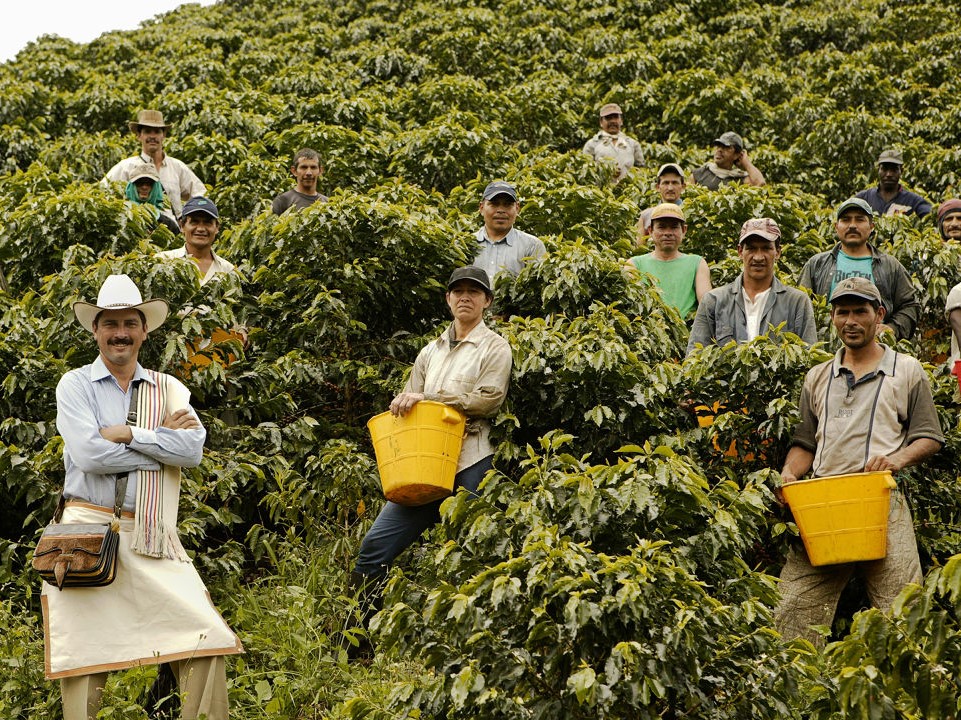
Huila Province boasts Colombia’s premier growing conditions, with over 16,000 hectares of coffee-growing land. The region has produced back-to-back SCAA champion beans in 2009 and 2010. Its coffee is renowned for its rich fruitiness and gentle aftertaste, with balanced acidity and an enchanting mouthfeel. Nariño Province, due to its proximity to the equator and the influence of the Pacific warm current, ensures healthy coffee tree growth even at high altitudes. Over 40,000 smallholder farmers meticulously cultivate their land on plots averaging about 1 hectare per household (only 37 exceed 5 hectares). The primary variety is Typica, with only one harvest per year, resulting in exceptionally high-quality coffee beans.
Caldas Province, located in central Colombia, along with Antioquia and Quindío, forms the country’s largest coffee-producing triangular belt. It is not only historically significant but also the birthplace of the Colombian Coffee Growers Federation (FNC) and the research hub for the disease-resistant Castillo variety. Santander Province, situated in the north, grows coffee at elevations of 1,400 to 1,600 meters. Though less spotlighted by the market, it is one of the country’s oldest coffee-growing regions, harboring unique terroir potential.
Among these regions, washed Huila beans are often regarded as the representative choice of Colombian coffee due to their clear flavor profiles. The washed processing method highlights the essence of the region through meticulous steps—first, coffee cherries are poured into water tanks, where underripe or defective beans float and are removed, leaving behind mature, dense ones. Next, a pulper removes the outer skin and pulp, retaining the mucilage, parchment, and silver skin. The beans then enter the fermentation stage, where microbial action breaks down the mucilage. After thorough washing with clean water to remove fermentation residues and impurities, the beans are dried to 10%–14% moisture content using machines or sun drying. Finally, a hulling machine removes the parchment and silver skin, completing the refinement process.
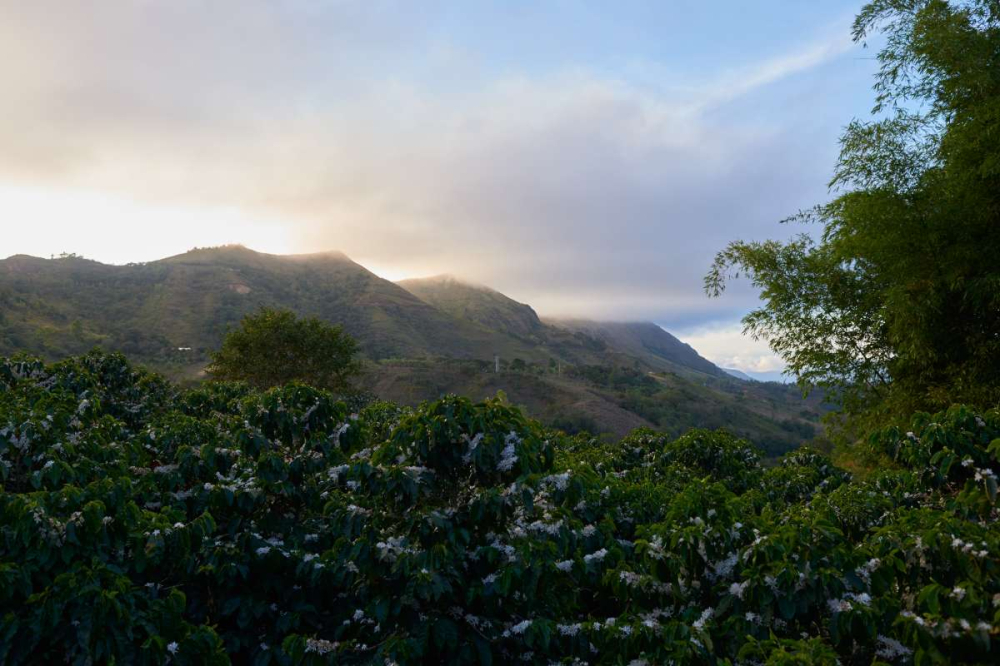
Take, for example, a washed Huila bean grown at an altitude of 1,500 to 1,800 meters, of the Caturra variety. With a medium roast level, its flavor profile features a robust foundation of nuts and chocolate, paired with caramelized sweetness and gentle fruity acidity—making it ideal for coffee newcomers to explore. For pour over brewing, the Hario V60 dripper is recommended. Use a fine grind (80% passing through a #20 filter), a 1:15 coffee-to-water ratio (15 grams of coffee to 225 milliliters of water), and a water temperature of 90°C to enhance aroma extraction. Employ a three-stage pouring technique to control flow rate and layering: start with a 30-gram bloom for 30 seconds, then slowly pour in a circular motion up to 125 grams. As the water level nears the coffee bed, continue pouring to reach 225 grams. The total brew time is approximately 2 minutes, effectively balancing flavor intensity and nuanced details.
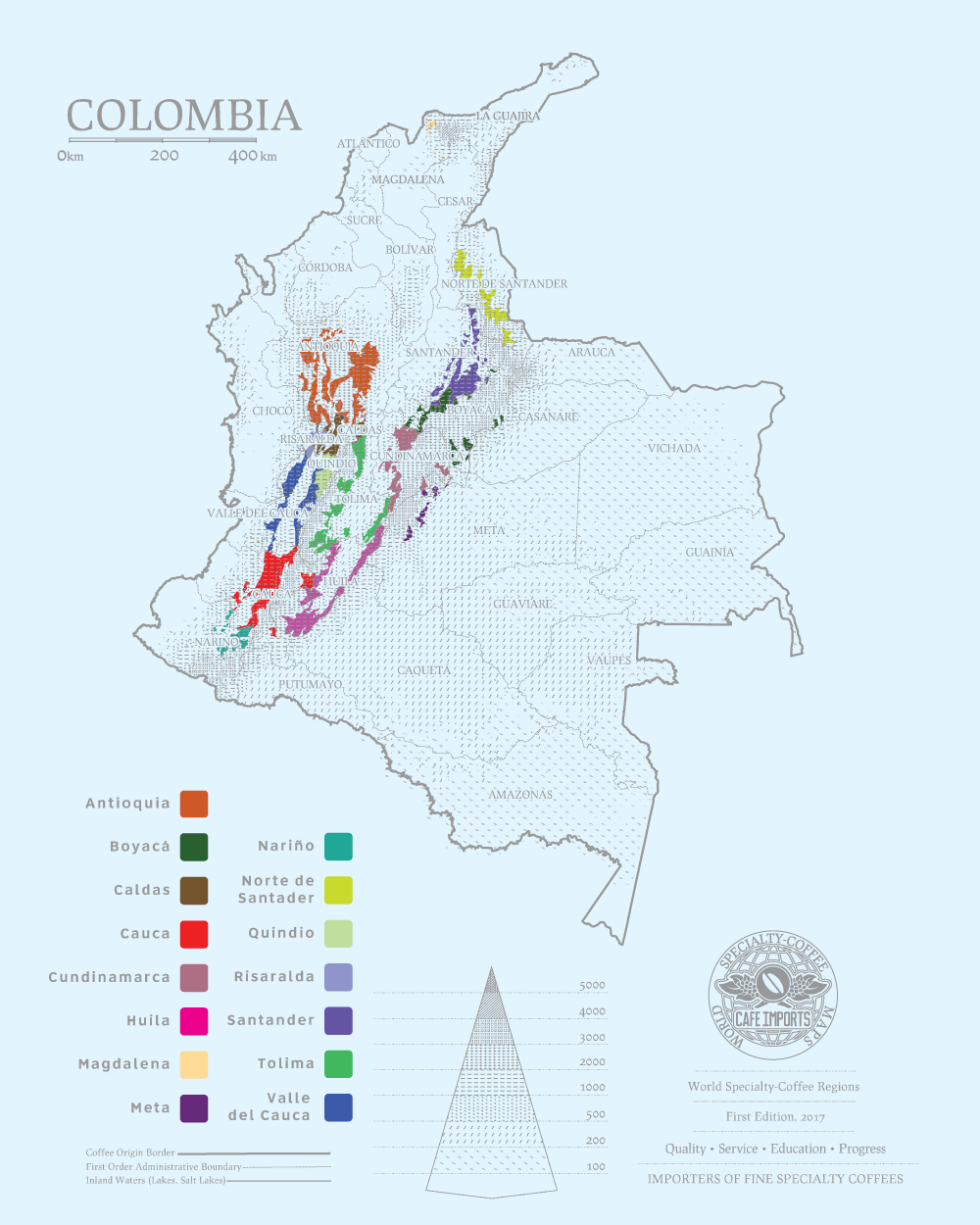
The charm of Colombian coffee lies in the flavorful map woven together by its diverse regions and refined processing methods. From the vibrant fruitiness of Huila to the alpine refinement of Nariño, every sip is an intersection of geography and culture, waiting for coffee enthusiasts to savor.
The above content is compiled by CoffeeHunters, a coffee news website.


