







Introduction:Delve into the two classic varieties that represent Kenyan coffee—SL28 and SL34—exploring their breeding history, flavor profiles, and differences from later-developed cultivars. This comprehensive analysis unveils the key genetic foundations behind the exceptional quality of Kenyan coffee. Additionally, it introduces Kenya’s unique coffee bean grading system, including traditional grades like AA, AB, and PB, as well as the latest quality assessment standards, helping coffee enthusiasts better appreciate the distinctive charm of Kenyan beans.
Kenyan coffee is renowned for its bright and vibrant acidity, making it a standout representative of African specialty coffee. Behind this flavor profile are two classic and highly representative coffee varieties: SL28 and SL34. These varieties not only shape the unique personality of Kenyan coffee but also serve as the foundation for its consistent quality. This article will take an in-depth look at the origins, genetic backgrounds, and flavor characteristics of these two major varieties, comparing their subtle differences in taste. It will also cover the subsequently developed Ruiru11 and Batian varieties, as well as Kenya’s distinctive coffee bean grading system, offering readers a complete understanding of the essence of Kenyan coffee.
SL28 is one of the most iconic varieties of Kenyan coffee, and its creation is closely tied to the Kenyan government’s efforts to boost the coffee industry in the 1930s. At the time, due to the traditional Typica variety’s susceptibility to diseases and limited adaptability, Kenya established the Scott Laboratories (now a renowned coffee research institution), dedicated to finding high-quality varieties suitable for local cultivation. Between 1935 and 1939, researchers conducted rigorous screening of 42 different coffee single plants, evaluating yield potential, disease resistance, and adaptability, and named the series “SL,” which became the origin of many well-known varieties today.
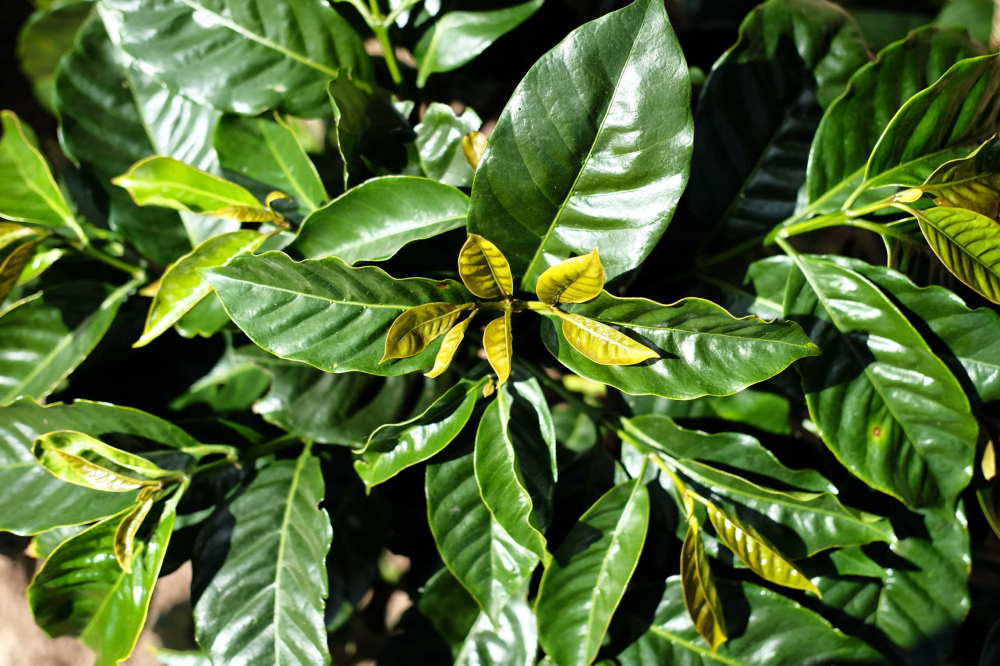
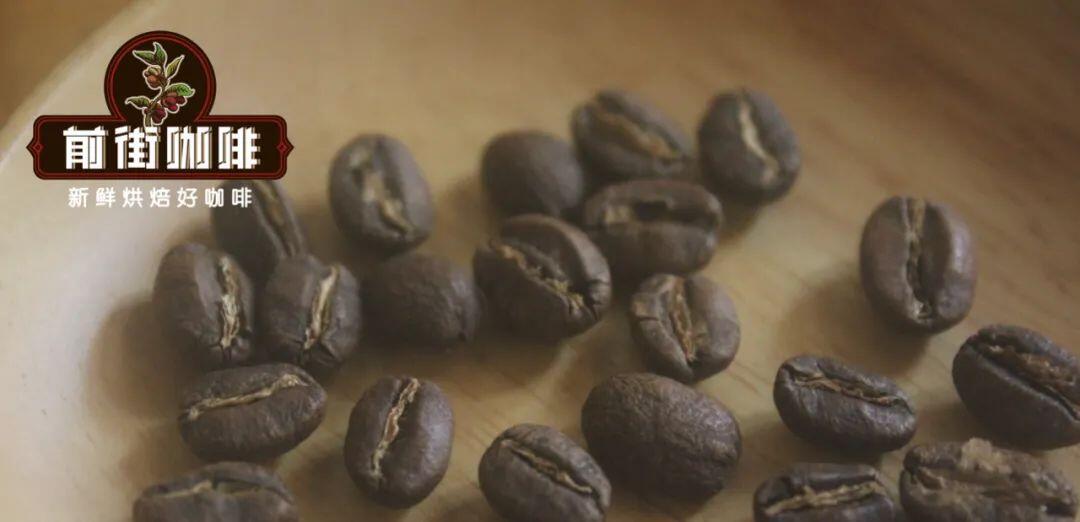
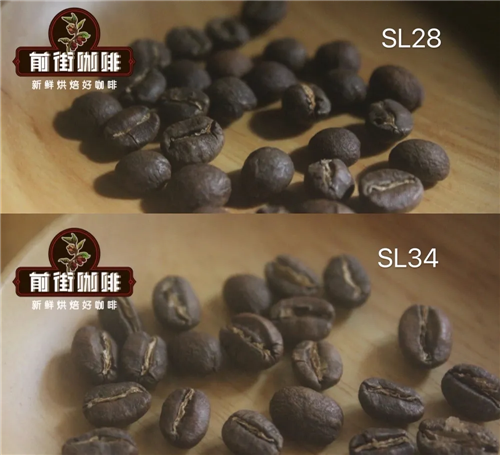
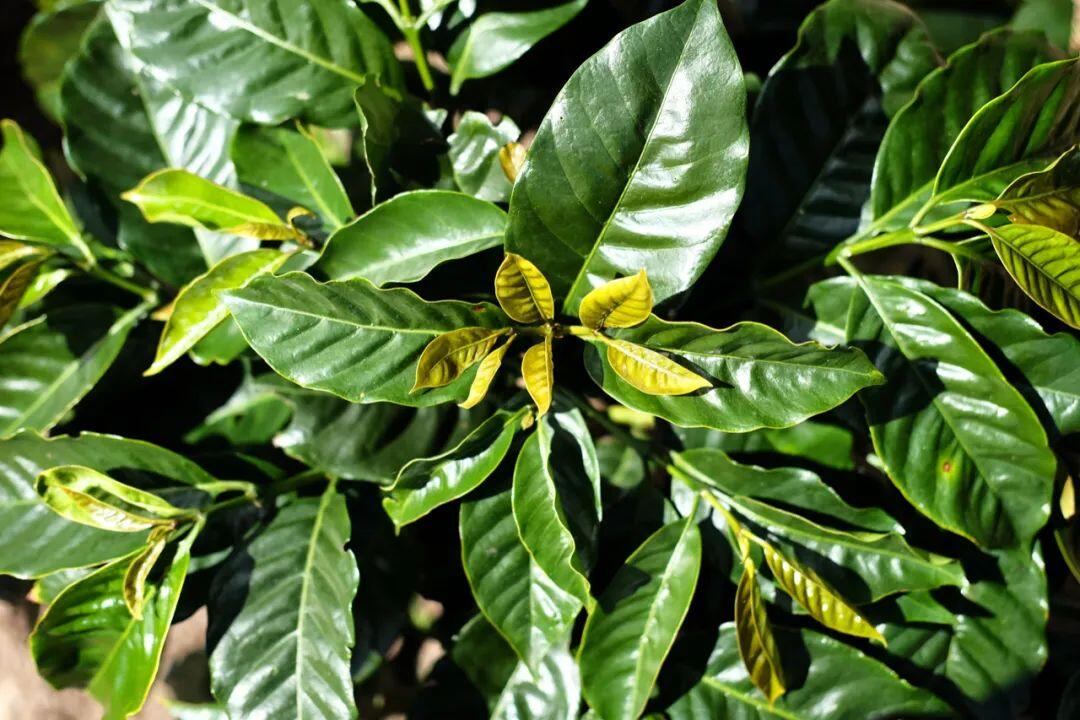
SL28 originally came from the Moduli region in Tanganyika (then called Tanganyika) in 1931, where researcher AD Trench discovered a coffee tree with good drought resistance, which was later introduced to the laboratory for cultivation.This variety was officially selected and bred in 1935. Genetic testing shows that it belongs to the Bourbon genetic group, featuring copper-colored leaves and a bean shape similar to that of a broad bean.It is suitable for cultivation at medium to high altitudes. Although it is relatively vulnerable to diseases, it can still maintain good yields, even producing steadily when the trees reach 60 to 80 years of age.
SL34 also originated from the selection program at Scott Laboratories. Initially, it was chosen from the French Mission variety (belonging to the Bourbon family) grown at the Loresho Estate. However, subsequent genetic studies indicated that it is actually closer to the Typica variety, possessing typical Typica genetic traits and plant morphology.Its coffee beans are slightly elongated and elliptical in shape, appearing somewhat flattened when viewed from the side.This contrasts with the round and plump appearance of SL28. SL34 is typically grown at slightly lower altitudes, has a slightly higher yield than SL28, and shows slightly better tolerance to diseases.
In terms of flavor, SL28 and SL34 share many commonalities, such as complex acidity, a bright and sweet finish, and multi-layered flavor profiles. However,SL28, due to its hybrid background of Mocha and Yemeni Typica, often exhibits stronger citrus and dark plum notes, with more vibrant acidity, making it suitable for drinkers who prefer a fresh and fruity acidic flavor.In contrast, SL34 offers a fuller and richer taste. While its acidity is equally bright, the overall flavor tends to be more balanced, cleaner, and often carries aftertastes of dark berries and nuts.
In addition to these two classic varieties, Kenya has also introduced Ruiru11 and Batian, two developed varieties aimed at improving disease resistance and yield while maintaining flavor performance. Ruiru11 was launched in the 1980s, focusing on resistance to rust diseases and CBD (Coffee Berry Disease), offering a high-yield option with certain disease resistance capabilities.Batian, officially released by the Kenya Coffee Research Institute (CRI) in 2010, has genetics closer to SL28, with the influence of Robusta removed. Its cupping quality has significantly improved, and it is currently a new mainstream variety gradually expanding in planting area in Kenya.。
When discussing Kenyan coffee, its unique green bean grading system must be mentioned. Unlike many regions that grade based on defect rates or cupping scores, Kenya primarily classifies beans according to their physical size. This system was established as early as 1938, decades before the concept of “specialty coffee” was introduced. Common grades include AA, AB, and PB, but they only represent the physical size of the beans, not an absolute measure of flavor quality.
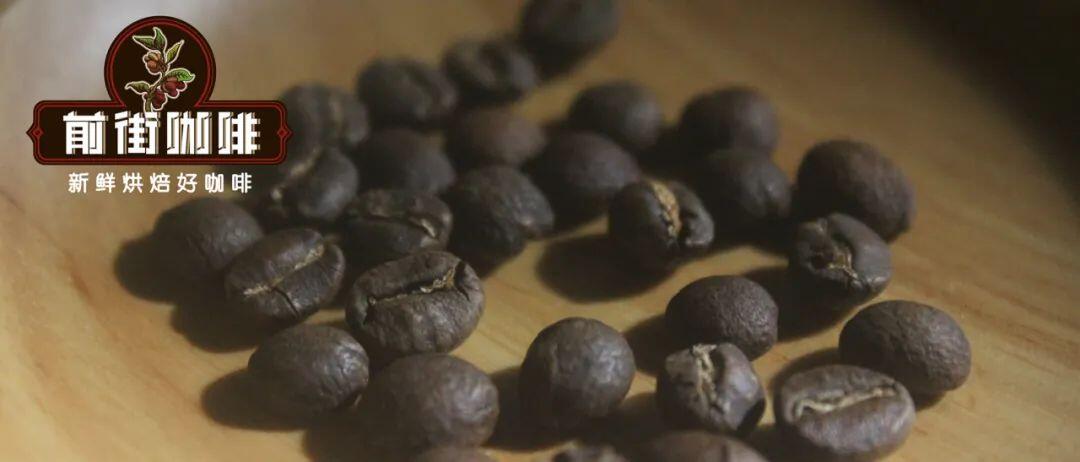
Grade AA consists of beans sized 17 to 18 mesh, generally considered to have the richest flavor potential; Grade AB consists of 15 to 16 mesh beans, which, although slightly smaller, remain the main commercial grade and also deliver excellent flavor performance.PB refers to peaberry beans, accounting for about 10% of all coffee beans, and is classified separately due to its unique shape. This does not necessarily mean it has superior cupping quality. Other grades include E (elephant bean), T, C, TT, and UG, corresponding to beans of different sizes and densities.
Beyond the traditional size-based grading, the Kenya Coffee Research Institute has recently implemented a more scientific “Coffee Bean Quality Grading Procedure.” This system evaluates beans comprehensively across three dimensions: “green bean appearance and defects,” “roasted bean condition and cracks,” and “cupping flavor performance (acidity, body, flavor, defects),” assigning a score from 1 to 10. Grade 1 represents the highest quality, while Grade 10 is the lowest, providing a more holistic basis for quality assessment.
Among the various Kenyan coffee varieties and processing methods, the washed process is the most renowned, especially the 72-hour fermentation washed process, which can fully highlight the acidity and aromatic layers of the beans. Below are two representative Kenyan coffee beans along with their processing, roasting, and brewing recommendations.
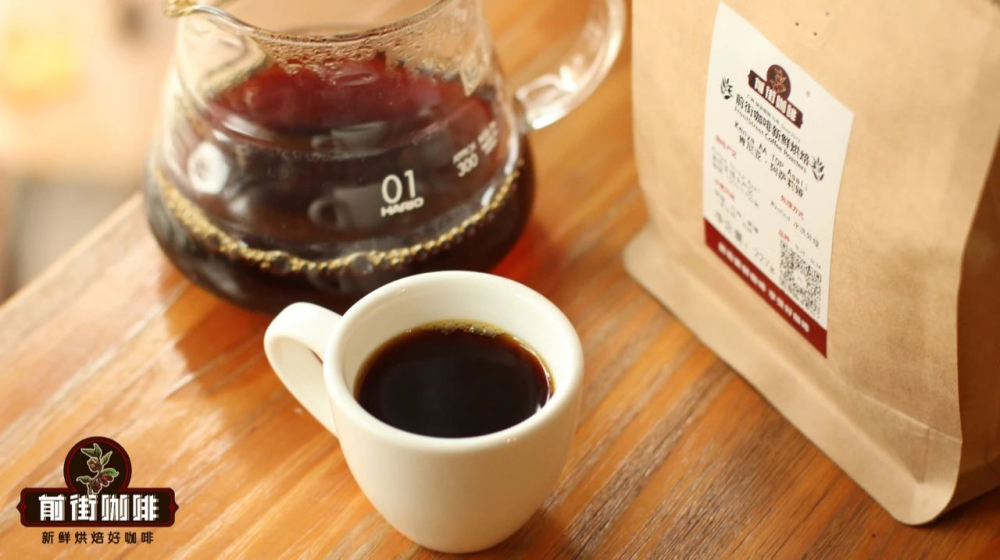
Kenya Assaliya Coffee BeansSourced from the Asali washing station at an altitude of 1550–1750 meters, the varieties are SL28 and SL34, processed using a 72-hour washed method. Its flavor profile includes Asian pear, dark plum, brown sugar, cherry tomato, and plum. The acidity is bright, and the fruitiness is rich. It is recommended to use a light roast, paired with a V60 or a cake dripper, with a water temperature of 90–91°C, a 1:15 coffee-to-water ratio, and a fine grind. A step-by-step extraction method can fully showcase its layered flavors.
Kenya Sassicini Estate PB Coffee BeansCome from the Sassicini Estate at an altitude of 1680 meters, featuring varieties of SL28, SL24, and Ruiru, also processed with a 72-hour washed method. Its flavor profile presents cherry tomato, almond, dark plum, honey, and grape. The acidity is refreshing with a creamy aroma and cocoa aftertaste, suitable for drinkers who prefer a rounded and mellow taste.
By gaining a deeper understanding of the historical background, variety characteristics of SL28 and SL34, and the grading logic of Kenyan coffee, coffee enthusiasts can make more precise choices and better appreciate these fine coffees from the East African plateau. Whether you’re pursuing bright fruit acidity or mellow sweetness, Kenyan coffee offers a diverse and captivating taste experience.
The above content is compiled by CoffeeHunters, a coffee news website.


