







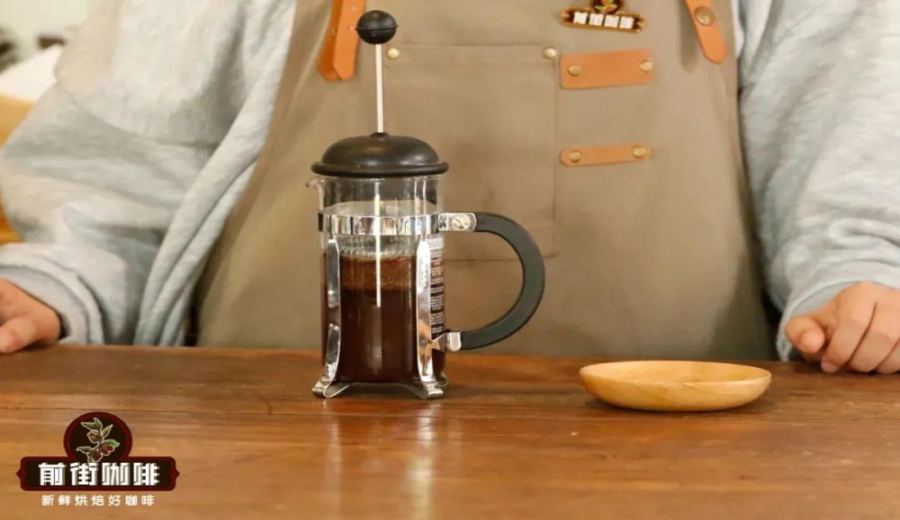
Introduction:The French press is the go-to brewing tool for many coffee beginners and everyday drinkers. Though simple to operate, it’s also easy to compromise coffee flavor due to minor mistakes. This article delves into the key elements of brewing medium to dark roasted beans such as Mandheling using a French press, including optimal grind size, suitable water temperature, steeping time, and coffee-to-water ratio. It also provides practical tips to help you easily brew a cup of coffee that is rich, balanced, and has clear flavor notes.
The French press (French Press), with its easy-to-use design, has become an essential daily brewing tool for many coffee enthusiasts. Without the need for precise pouring techniques or complicated brewing procedures, just mastering a few basic parameters allows you to consistently brew a great pot of coffee. However, the seemingly simple French press brewing process actually has specific requirements for coffee grind size, water temperature control, steeping time, and coffee-to-water ratio. These factors directly affect the final flavor profile, especially when brewing medium to dark roasted beans such as the classic Mandheling.
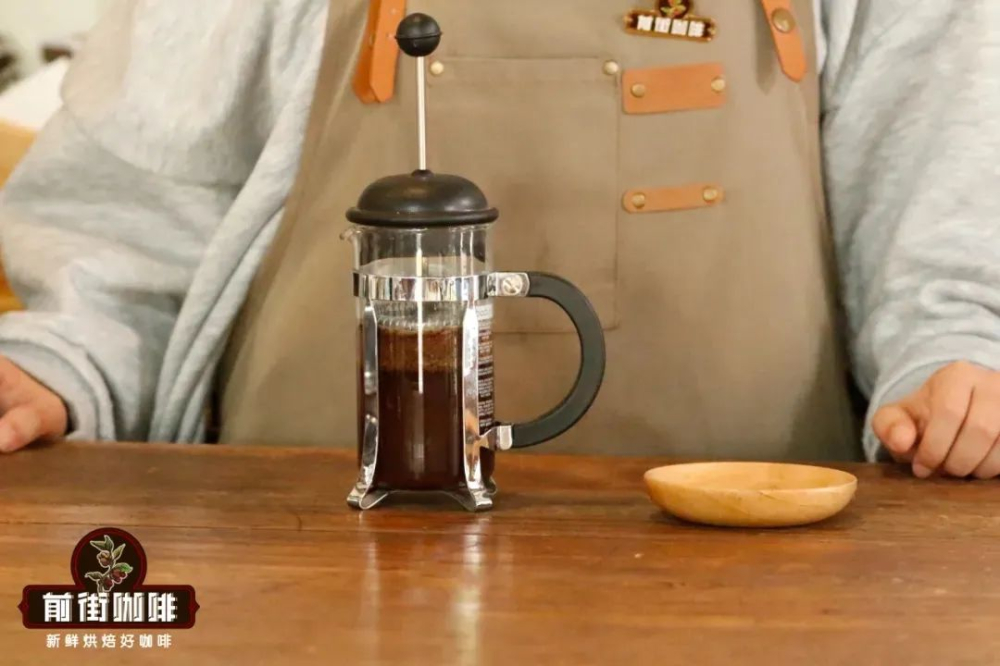
Originating from France, the French press has a very simple design: a cylindrical metal or glass carafe paired with a movable metal filter and lid, which separates coffee grounds from liquid through immersion and pressing. Its extraction principle is similar to brewing tea—using hot water to steep coffee grounds for a certain period, then pressing down the filter to separate the coffee liquid. This static extraction method is particularly well-suited for highlighting the richness and layered flavors of medium to dark roasted coffee, such as dark chocolate, nuts, and caramel notes, but it doesn’t do as well in bringing out the bright fruity and floral notes often found in light roasted beans.
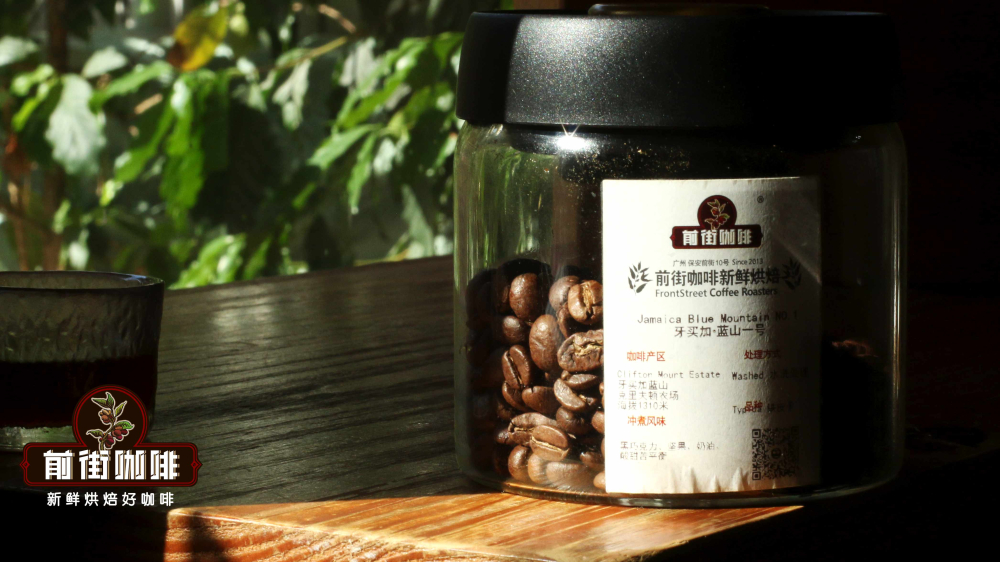
When selecting coffee beans, it’s recommended to prioritize single-origin beans with a medium to dark roast level or higher, such as Indonesia’s Golden Mandheling, Queen Estate from Central and South America, or classic choices like Jamaican Blue Mountain. These beans, due to their deeper roast levels, complement the immersion extraction method of the French press, delivering a full-bodied and balanced mouthfeel. If you use light roasted beans with bright acidity, such as those with pronounced floral and fruity notes, the extraction characteristics of the French press may suppress the delicate acidity and fruitiness, making it difficult to showcase their intended layers. For those who prefer a balance of sweet and acidic flavors with softer acidity, medium roasted options like Strawberry Sugar, Blackberry, or Mozart are good choices.
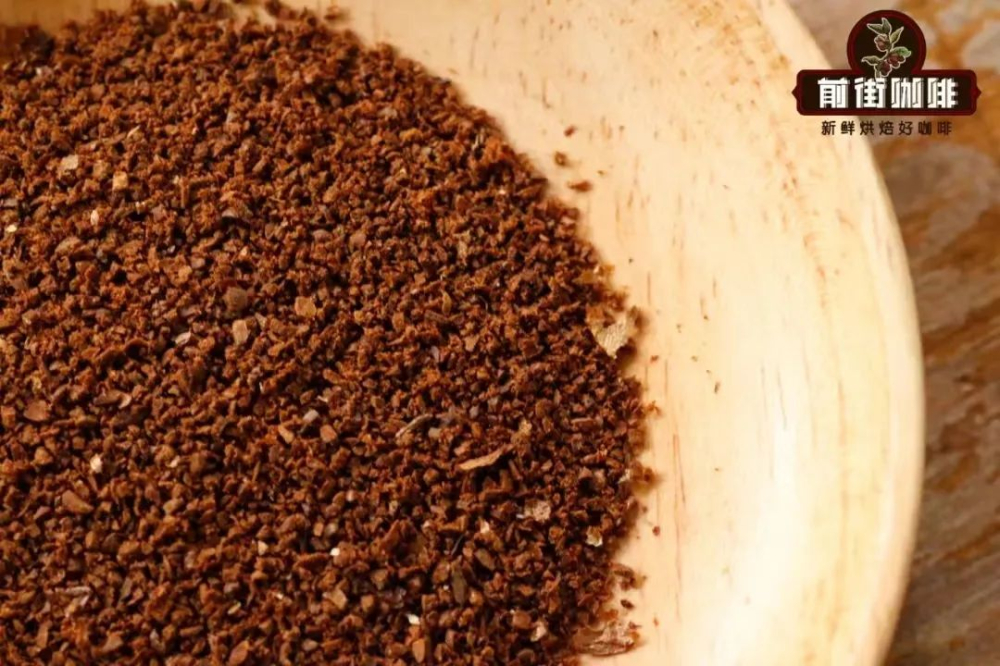
Regarding grind size, the ideal state for a French press is to usea coarse grind, specifically with a Chinese 20-mesh standard sieve passing rate of about 70%, which is similar in size to coarse sugar granules. This coarseness helps reduce the risk of over-extraction while also lowering the chance of producing extremely fine particles—fine particles can pass through the metal filter of the French press (with a pore size of about 80 to 300 microns), causing the coffee liquid to become cloudy and the taste rough. If you want a more layered flavor, you can try a slightly finer grind, but be sure toshorten the steeping timeto avoid bitterness and woody off-flavors caused by over-extraction.
Steeping time is one of the key variables affecting extraction. With a coarse grind, it is recommended to steep medium to light roasted coffee for about4 minutes, while medium to dark roasted beans like Mandheling are recommended to steep for3 minutes and 30 seconds. This allows the coffee’s aroma and sweetness to fully develop without over-steeping leading to over-extraction. Additionally, since the French press uses a one-time pour and static extraction method, the overall water temperature will gradually decrease over time. Therefore, it is recommended to start with a slightly higher water temperature than the usual pour over suggestion: for medium to light roasted coffee, you can use92~94℃, and for medium to dark roasted coffee, it is recommended to use89~90℃. Especially in colder seasons, you can preheat the French press with hot water to reduce heat loss.
The coffee-to-water ratio is also an important parameter that determines concentration and mouthfeel. It is generally recommended to use a1:16coffee-to-water ratio, such as 15 grams of coffee grounds to 240 milliliters of water. This ratio yields a coffee concentration of about 1.1% to 1.2%, which falls within the balanced range preferred by most people. If you prefer a stronger taste, you can also try a1:15different ratio, adjusting according to personal taste.
Finally, don’t overlook the daily cleaning and maintenance of your French press. Since the metal filter is in prolonged contact with coffee oils, if not cleaned properly, the oils may accumulate and oxidize, thereby affecting the flavor of subsequent brews. After each use, it is recommended to disassemble the filter and all parts of the carafe, clean them thoroughly with a neutral detergent, and ensure they are completely dry before storage. This extends the life of the equipment and maintains the purity of the coffee flavor.
The above content is compiled by CoffeeHunters, a coffee news website.


