








Introduction:From the bright fruity acidity of Africa, the rich chocolate notes of the Americas, to the low acidity and full body of Asia, the world’s three major coffee-growing regions each have their own distinctive characteristics. This article delves into the flavor profiles of origins such as Ethiopia, Kenya, Brazil, Colombia, Indonesia, and Yunnan, deciphering how processing methods like natural, washed, and wet-hulled influence flavor, helping you choose the right pour over coffee beans based on your brewing preferences and taste needs.
Faced with hundreds of coffee bean options on the market, beginners often struggle with how to choose. In fact, by mastering the typical flavor characteristics of the world’s three major coffee regions—Africa, the Americas, and Asia—you can quickly narrow down your options and find beans that suit your personal taste. This article will systematically outline the representative flavors and classic origins of each region, and analyze how common processing methods shape the taste of coffee.
【African Origins: Bright Acidity and Floral-Fruity Profiles】
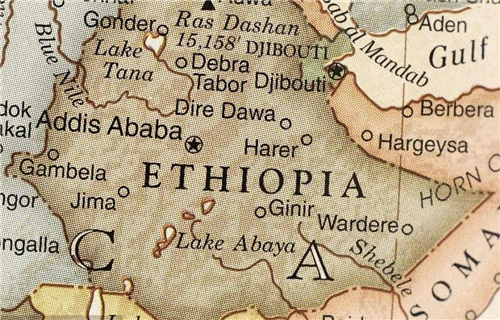
As the birthplace of coffee, Ethiopia boasts the world’s richest wild coffee gene pool. Well-known regions within the country, such as Yirgacheffe and Sidamo, are famed for their unique washed processing methods. Yirgacheffe often exhibits bright acidity with notes of citrus and lemon, paired with floral and tea-like qualities; Sidamo, on the other hand, features berry-like acidity, such as the intense strawberry cream flavors shown in the Huakui coffee beans once introduced by a certain café.
Kenyan beans stand out for their vivid acidity, characterized by bright acidity reminiscent of cherry tomatoes and dark plums, with a tight and layered acid structure. Classic examples like the Ashalya release refreshing fruit acidity upon entry, with a honey-like sweetness in the aftertaste. African beans commonly use the natural (sun-dried) processing method; for instance, natural red cherries involve drying the whole coffee fruit on raised beds for over two weeks, imparting a rich sweetness and lower clarity to the beans, making them ideal for brewers who prefer intense fruitiness.
【Americas Origins: Nutty Chocolate and Balanced Profiles】
Brazil and Colombia are representative producing countries of the Americas, both emphasizing low acidity and full body. Brazilian coffee is mostly grown in highland terrain, with the mainstream Bourbon variety, when processed naturally, exhibiting nutty, chocolatey, and creamy notes. For example, the Brazilian Queen Estate beans, with their consistently high quality, have won the COE competition multiple times, featuring a rounded flavor structure with a prominent black chocolate aftertaste. Processing is predominantly natural, enhancing sweetness and body.
Colombia’s Huila region excels in mountainous slope cultivation, where Arabica beans develop a balanced acidity-to-sweetness ratio under abundant rainfall and high-altitude conditions. Its flavor profile includes a full mouthfeel, black chocolate aroma, and gentle fruit acidity, suitable for consumers seeking a smooth drinking experience. Compared to Brazilian beans, Colombian beans have a more delicate body and clearer acidity.
【Asian Origins: Low Acidity, Full Body, and Unique Processing Methods】
Indonesian Mandheling series are renowned for the wet-hulled processing method, which allows the beans to retain earthy, smoky, and chocolatey notes, with extremely low acidity but a deep, steady body. Classic examples include Golden Mandheling, which highlights sweetness with subdued herbal notes; Tiger Mandheling is known for its high aroma; and aged Mandheling, which undergoes long-term maturation, further enhances its sweetness.
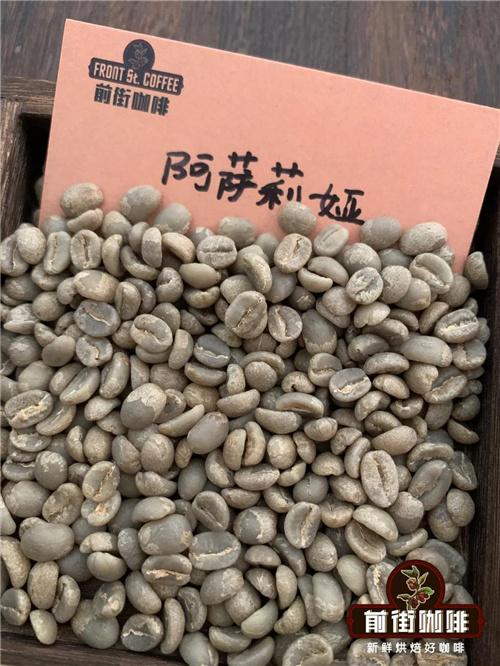
Yunnan Baoshan smallholder Arabica coffee has risen in prominence in recent years, thanks to the dry-hot valley climate and red volcanic soil near the 15th parallel north. Beans grown in high-altitude environments offer a combination of mellow fruitiness and moderate acidity, with rich yet non-overpowering aromas, suitable for brewers who prefer balanced flavors.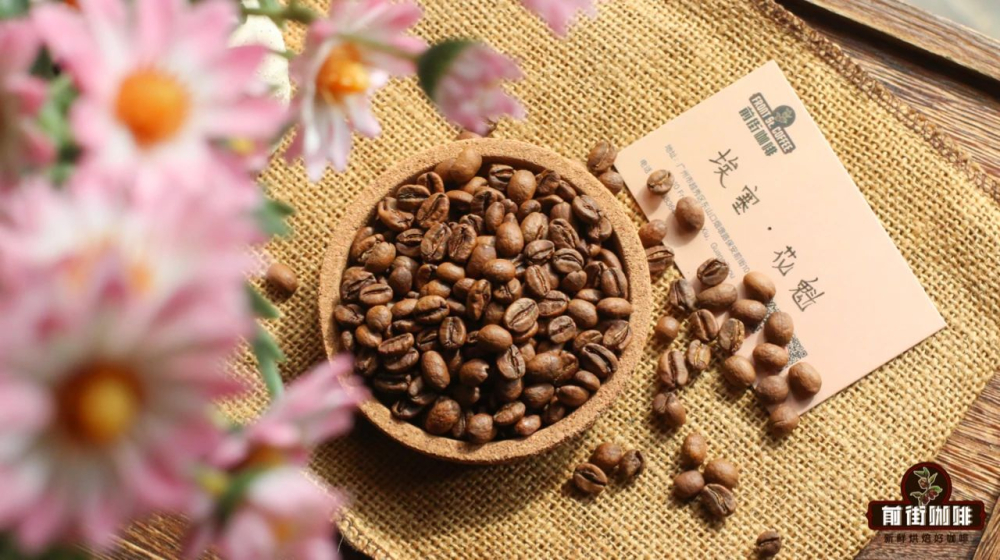
【The Key Impact of Processing Methods】
Natural (sun-dried) processing enhances sweetness and fruitiness but may reduce clarity; washed processing improves clarity of acidity and balanced body; wet-hulled processing shapes the low-acidity, full-body characteristics unique to Asian beans. When choosing, you can adjust the bean variety and roast level based on your brewing equipment (e.g., pour over, French press) and personal taste preferences.
The above content is compiled by CoffeeHunters, a coffee news website.


