








Introduction:Want to brew espresso-like coffee at home but often face slow extraction or unstable flow from your moka pot? The key lies in mastering details like coffee-to-water ratio, grind size, and heating time. This article dives deep into how a moka pot works—from its structure to hands-on adjustments—guiding you step-by-step to achieve the ideal flow rate and rich flavor. We’ll also recommend some medium-to-dark roasted beans perfect for moka pots to help you easily brew crema-rich espresso at home.
Want to enjoy a rich, bold cup of coffee at home without a professional espresso machine? No worries—the moka pot is your go-to tool! This classic device uses high-pressure steam to push hot water through finely ground coffee, extracting a highly concentrated brew that can even form delicate crema, delivering café-quality flavor.
However, many users encounter issues like slow extraction or unstable flow when using a moka pot. These problems are closely tied to factors such as coffee dose, water volume, grind size, and the timing of removing the pot from heat. Mastering these parameters can significantly improve extraction and help you brew espresso-like coffee approaching professional standards.
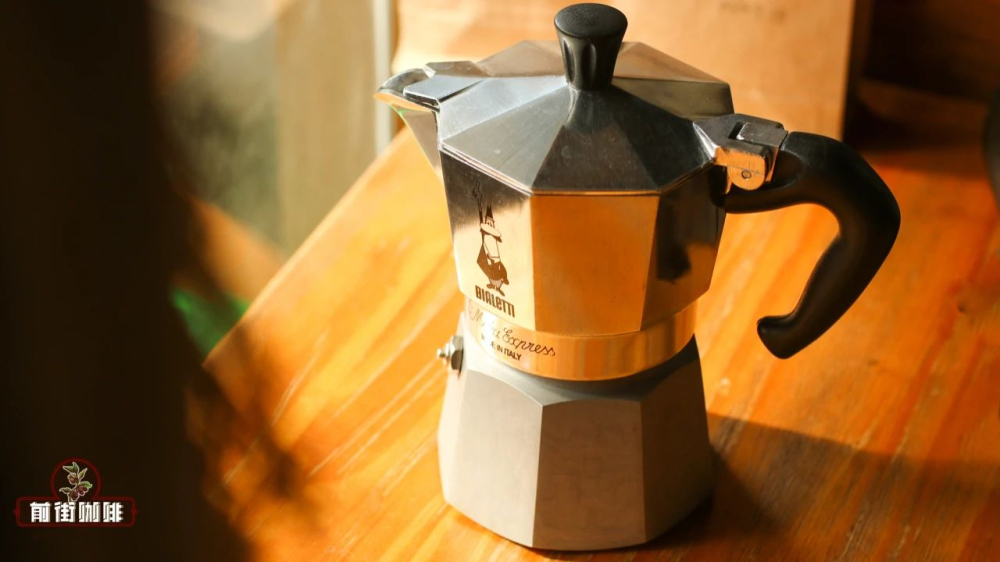
The basic structure of a moka pot consists of three main parts: the upper chamber, the filter basket, and the lower chamber. The lower chamber holds water, the filter basket contains finely ground coffee, and the upper chamber collects the brewed coffee. During operation, heating the lower chamber generates steam pressure, which pushes the water upward through the coffee grounds into the upper chamber, completing the extraction.
The extraction principle of a moka pot relies on the steam pressure built up inside the lower chamber as it heats. Once the pressure becomes strong enough to push through the coffee bed, the hot water is forced up into the upper chamber. This siphon-like mechanism allows the moka pot to extract highly concentrated, flavorful coffee without the need for expensive machines.
However, each brew from a moka pot yields a limited amount of coffee, and since not all the water passes through the coffee bed, the resulting brew is typically bold and intense. This makes it an excellent choice for both milk-based drinks and pure black coffee.
To address the issue of slow extraction from your moka pot, start by adjusting a few key parameters:
1. Coffee Dose Control
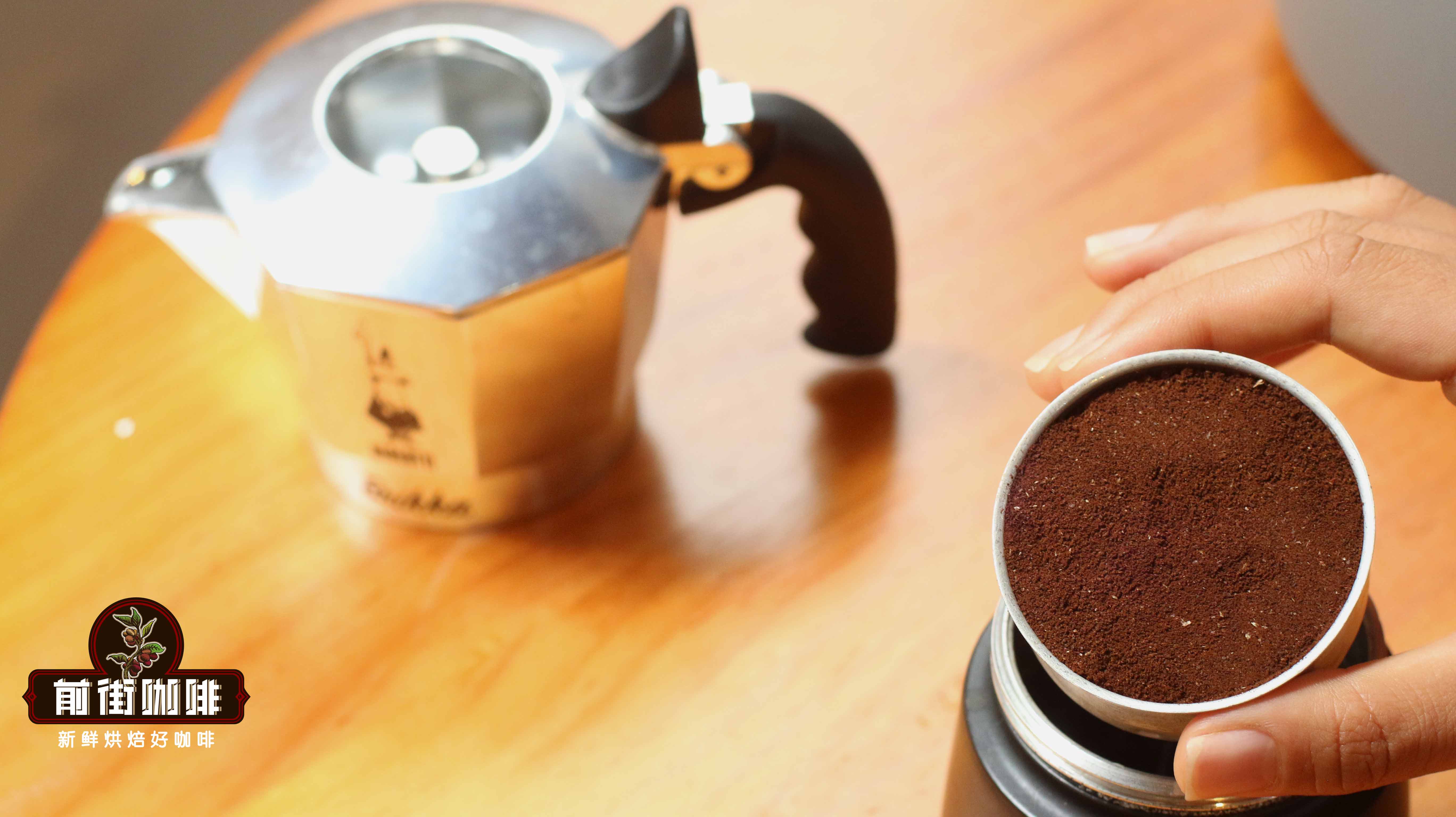
It’s recommended to use about 20 grams of coffee and set your grinder to a fine setting close to that used for espresso. After filling the basket, gently tamp and level the coffee to ensure an even bed.
2. Water Volume Adjustment
The amount of water in the lower chamber directly affects the yield. Calculate the desired coffee output based on your target coffee-to-water ratio (e.g., 1:1.8), then work backward to determine how much water to add. For example, if you aim to extract 36 grams of coffee but find that 100 grams of water only yields 60 grams, adjust the next brew to 76 grams of water: 100 - (60 - 36) = 76.
3. Grind Size Fine-Tuning
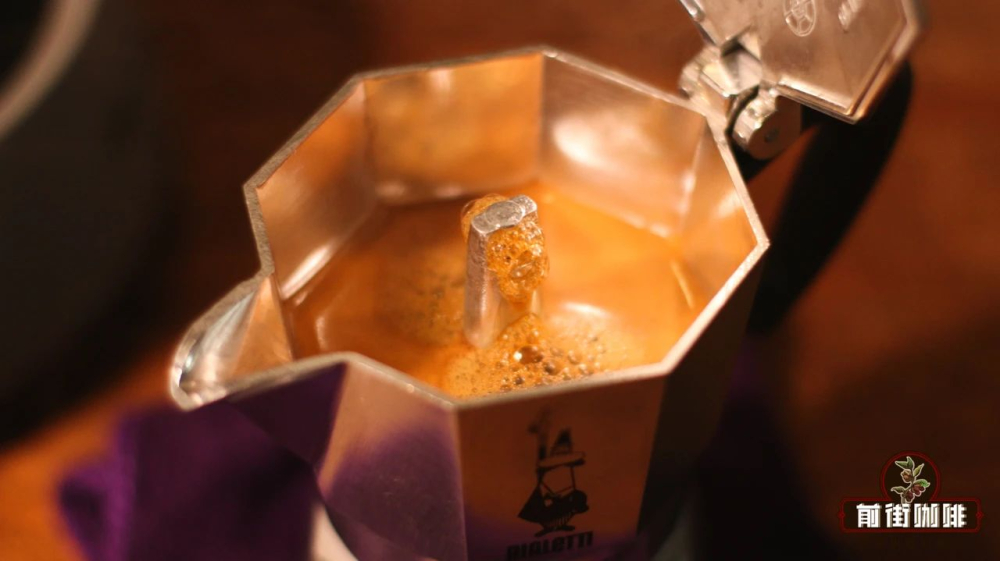
The ideal extraction flow should be a steady stream of coffee with the safety valve releasing slight steam—not a sharp hiss. If the flow is too fast and the valve shows no reaction, the grind is too coarse; adjust finer. Conversely, if the flow is slow or stalls and the valve screams, the grind is too fine; adjust coarser.
4. Timing the Removal from Heat
Turn off the heat once the coffee flows steadily and the streams from both sides of the bottom converge into one. Be sure to pour out the coffee quickly before the bubbles grow too large—delaying too long can lead to over-extraction, resulting in burnt flavors and a damaged crema texture.
For practical brewing, it’s recommended to use medium-to-dark roasted beans, as they develop rich oils and a full body, perfectly suited to the high heat and pressure of a moka pot. If you prioritize consistent crema, classic or commercial blends are great choices; for a brighter, fruity profile, try beans with strawberry candy notes, offering floral and sweet nuances. For those who prefer nutty and caramel flavors, consider single-origin options like Golden Mandheling or Colombian Huila.
This demonstration uses a medium-to-dark roasted bean from Brazil’s Queen Estate, made from the Yellow Bourbon variety and processed via honey/natural methods. It features rich nutty and chocolate notes, making it an excellent match for highlighting its layered flavors through a moka pot.
Here’s how to brew: First, pour fresh water into the lower chamber, keeping the level about 0.5 cm below the safety valve. Next, fill the filter basket with ground coffee, gently tamp it down into a small mound. Place the basket into the lower chamber and ensure the upper and lower parts are tightly sealed before heating over high heat. Turn off the heat once about half the coffee has flowed into the upper chamber, then let residual heat finish the extraction.
Finally, pour the brewed coffee into a cup and enjoy its bold flavors. You can also customize it with water or milk to suit your taste. This Brazilian Queen Estate coffee not only delivers rich nutty and chocolate aromas but also has a sweet, brown sugar-like profile—even enjoyed black, it rivals the quality of café-brewed espresso.
The above content is compiled by CoffeeHunters, a coffee news website.


