








Introduction:Are you confused by the many technical terms on a café menu when you visit one for the first time? From the classic espresso to creative drinks like Vienna coffee, every style of Italian coffee has its own unique recipe logic and flavor profile. This article will take an in-depth look at the ingredients, brewing methods, and taste characteristics of 10 common Italian coffees, helping readers master selection tips, find the cup that best suits their personal taste, and includes practical advice to enhance your drinking experience.
Walking into any café, you’ll often find the menu filled with an overwhelming array of coffee names—from espresso to Caffè Latte, Caffè Mocha, and Vienna coffee—each beverage is based on specific ingredient ratios and brewing techniques. Understanding the basic structure of these common Italian coffees not only allows you to order more confidently but also lets you adjust the flavor direction according to your personal preferences.
Espresso (Espresso)It is the foundation of all Italian coffees, using high pressure to extract about 30 milliliters of highly concentrated coffee liquid, typically taking 25 to 30 seconds. This brewing method gives the coffee a rich aroma and strong bitterness, while showcasing a pronounced body and layered taste, making it one of the key indicators for evaluating coffee bean quality.
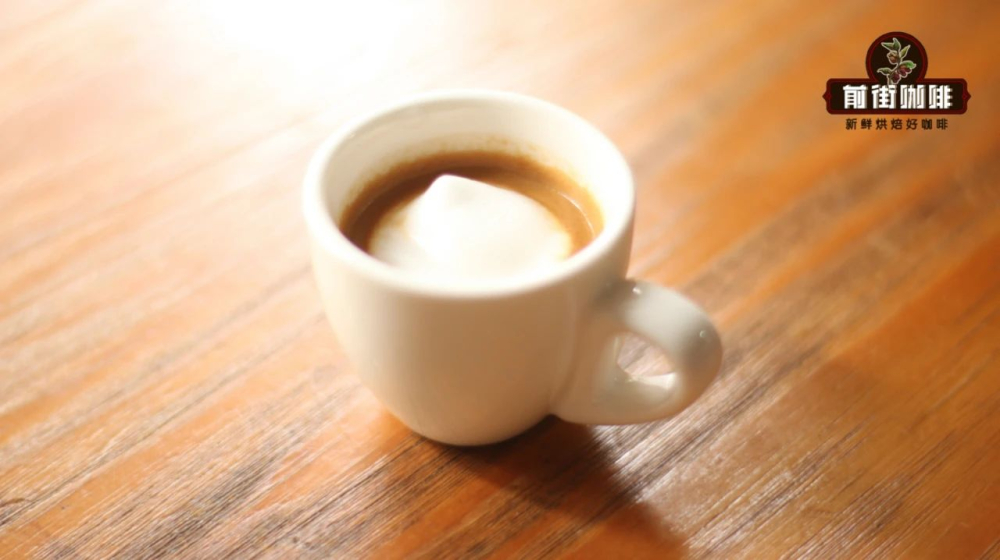
Espresso Macchiato (Espresso Macchiato)is a small cup of espresso with a thin layer of delicate steamed milk foam gently added on top. This layer of foam mainly serves to maintain the coffee’s temperature and slightly soften its intense taste.Notethat the real macchiato has very little foam—just enough to leave a faint mark (as "macchiato" means "stained" or "spotted"), and is definitely not a coffee full of milk foam.
Americano (Americano)is generally made by adding hot water to a shot of espresso, with the ratio adjustable based on personal preference, commonly 1:2 to 1:3. This brewing method extends the extraction time, resulting in a relatively higher caffeine release, making it suitable for moments when you need a pick-me-up. Black coffee made using drip, French press, or siphon methods is sometimes also broadly referred to as Americano.
Flat White (Flat White)originated in Malaysia and Singapore, characterized by the use of carefully selected coffee beans and finely steamed milk, served in a smaller cup size.The key differencelies in its milk ratio and latte art technique, usually using a double shot of espresso with about 150 milliliters of lightly textured milk, offering a smooth texture and distinct coffee aroma, making it a great choice for those new to milk coffee.

Caffè Latte (Caffè Latte)is one of the most popular Italian coffees, consisting basically of one shot of espresso and a large amount of steamed milk, with a usually thinner layer of milk foam.Suggestion: You can adjust the ratio of milk to coffee based on personal taste, controlling the intensity from strong to light. The latte is highly flexible and is also the preferred base for many baristas when creating latte art.
Espresso Con Panna (Espresso Con Panna)consists of one shot of espresso and whipped cream, often topped with a dollop of freshly whipped cream.The traditional versionmay be paired with chocolate or toffee, to be eaten before drinking the coffee, allowing sweetness and bitterness to intermingle in the mouth. This coffee is suitable for those who enjoy the flavor of espresso but want a richer mouthfeel.
Cafe Breve (Cafe Breve)is similar to a latte, but uses a mixture of half milk and half cream instead of just milk, and sometimes includes a small amount of milk foam. This combination makes the coffee taste richer and smoother, ideal for those who enjoy a balance of creamy and milky textures.
Cappuccino (Cappuccino)has a classic recipe ratio of 1:1:1—that is, equal parts espresso, steamed milk, and milk foam. Depending on the proportion of foam, it can be divided into dry cappuccino (more foam) and wet cappuccino (higher milk ratio), with the former having a stronger coffee flavor and the latter more pronounced milk aroma, suiting different taste preferences.

Caffè Mocha (Caffè Mocha)combines espresso, chocolate syrup, milk, and whipped cream, and is considered a chocolate variation of the latte. This coffee offers both the richness of coffee and the sweetness of chocolate, making it a favorite among many dessert lovers.
Caramel Macchiato (Caramel Macchiato)is based on the macchiato and adds caramel sauce and vanilla syrup. It is made by pouring milk and vanilla syrup first, then adding the espresso, and finally drizzling caramel sauce to create a layered flavor structure. The highlight of this coffee is that you can enjoy multiple tastes—sweet, aromatic, and bitter—in a single sip.
Irish Coffee (Irish Coffee)is a creative drink combining hot coffee, Irish whiskey, sugar, and whipped cream. The addition of alcohol brings warmth and complexity to the coffee, making it suitable for cold weather or special occasions.
Viennese Coffee (Viennese Coffee)is made in a unique way: a layer of fine sugar or rock sugar is placed at the bottom of the cup, followed by hot strong coffee, and topped with two scoops of chilled whipped cream. This combination perfectly blends sweetness, coffee aroma, and the creamy texture of the whipped cream, making it one of the representatives of winter warm drinks.
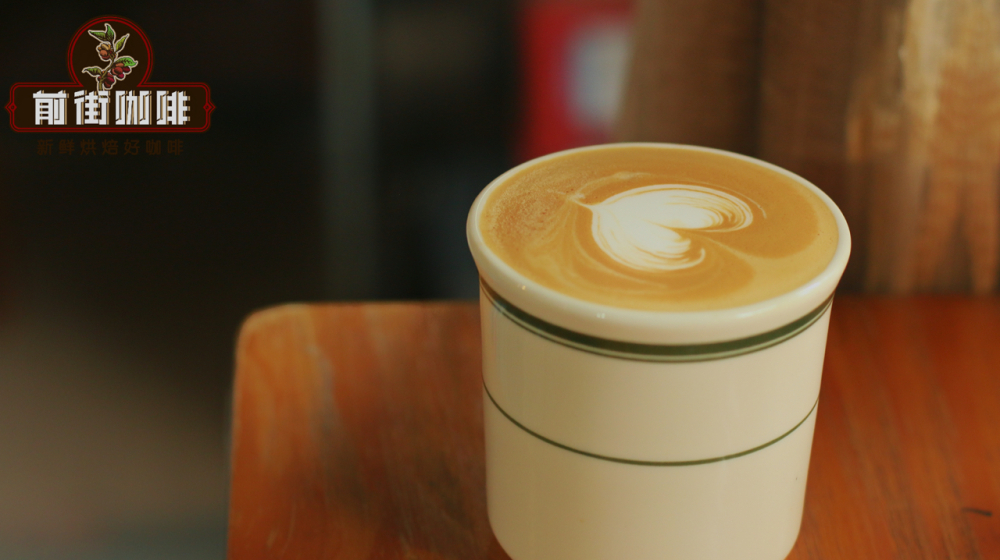
Whether you’re a beginner just starting out with coffee or someone looking to explore new flavors, understanding the recipes and characteristics of these classic Italian coffees can help you choose or customize your perfect cup of coffee more precisely.
The above content is compiled by CoffeeHunters, a coffee news website.


