







Introduction:Brazil is the world’s largest coffee-producing country, renowned for its stable output and relatively affordable prices. What exactly enables Brazilian coffee to maintain both high availability and great value? This article will delve into the historical roots of Brazilian coffee, the characteristics of its major producing regions, key varietal differences, and representative processing methods. It will also analyze two iconic Brazilian coffee beans—Red Bourbon and Queen Estate Yellow Bourbon—in terms of their flavor profiles and practical pour over recommendations.
When it comes to Brazilian coffee, many people’s first impression is “high yield and low price.” In fact, Brazil is not only the world’s top coffee producer, but its beans are also internationally recognized for stable supply and reasonable pricing. Take a commonly available Brazilian coffee, often used in espresso blends, as an example: an average cup costs around 30 RMB. It is widely used in numerous classic espresso recipes, such as Classic Espresso Blend, Premium Espresso Blend, Basic Espresso Blend, and Commercial Espresso Blend.
So why can Brazilian coffee achieve both high yields and affordability? Tracing back to its roots, Brazil’s coffee cultivation history dates back to 1727, initially limited to small-scale domestic consumption. By the late 18th century, with the outbreak of the American Revolutionary War, coffee gradually became a patriotic symbol, leading to a surge in the number of American coffee shops and a significant rise in demand for coffee beans, which created an important export opportunity for Brazil.
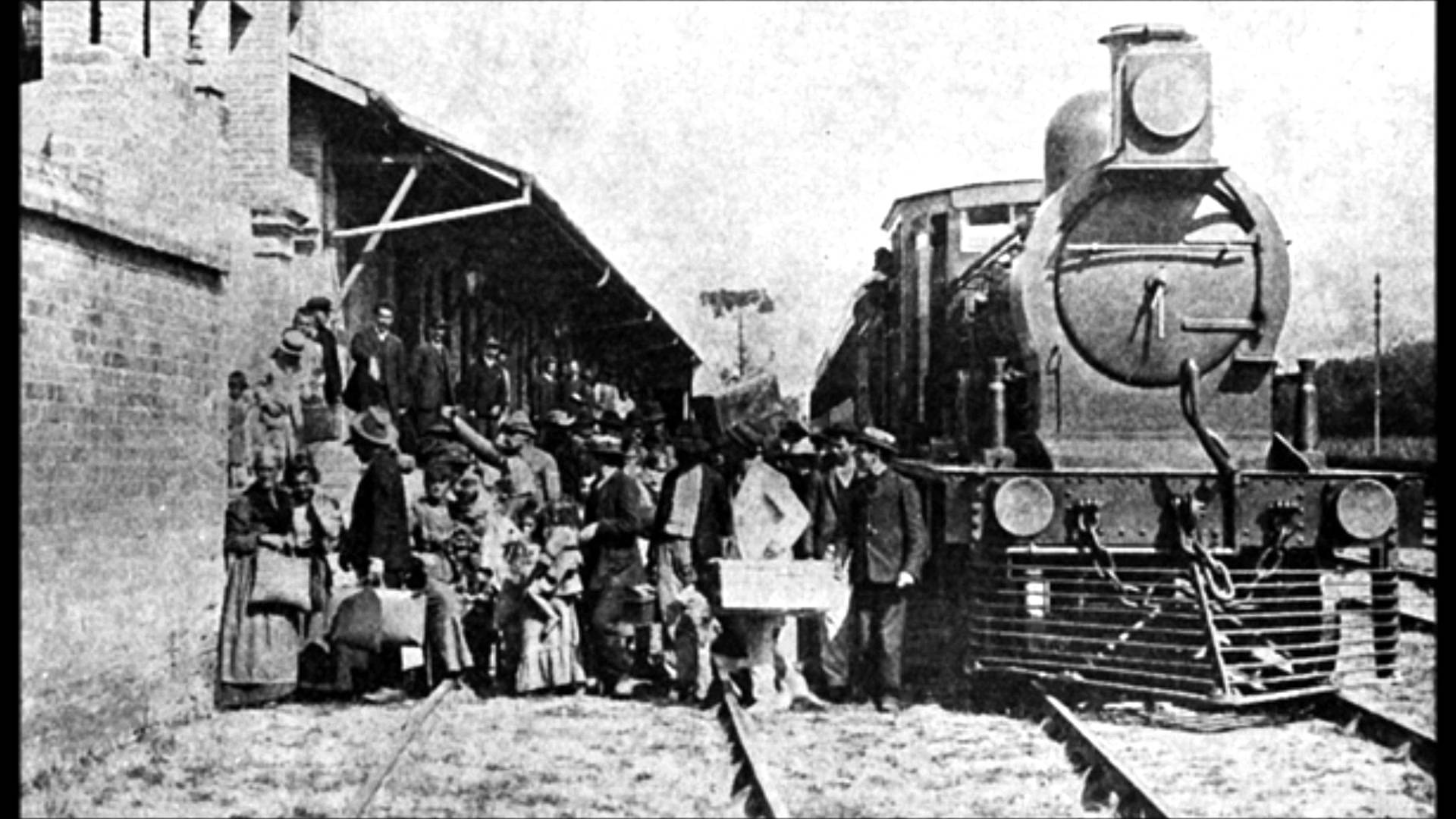
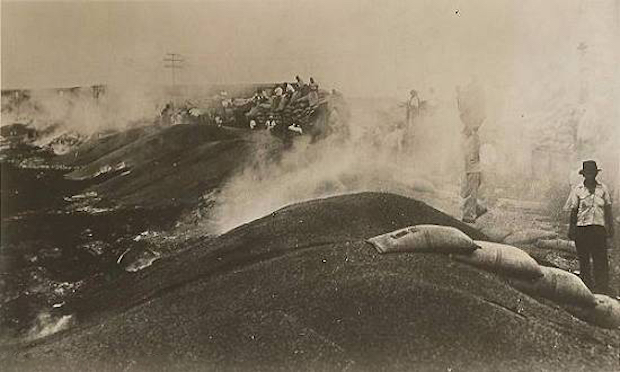
By the mid-19th century, Brazilian coffee exports accounted for more than half of the nation’s total exports. This not only brought substantial economic benefits to the country but also spurred infrastructure development, such as the construction of railway systems, enabling inland coffee farms to transport their products to ports more efficiently and further driving the expansion of coffee cultivation. However, during the Great Depression of the 1930s, despite Brazil’s coffee production once reaching up to 80% of the global total, the decline in purchasing power of its biggest buyer led to severe inventory buildup. There were even reports of the Brazilian government burning 78 million bags of coffee as an extreme measure.
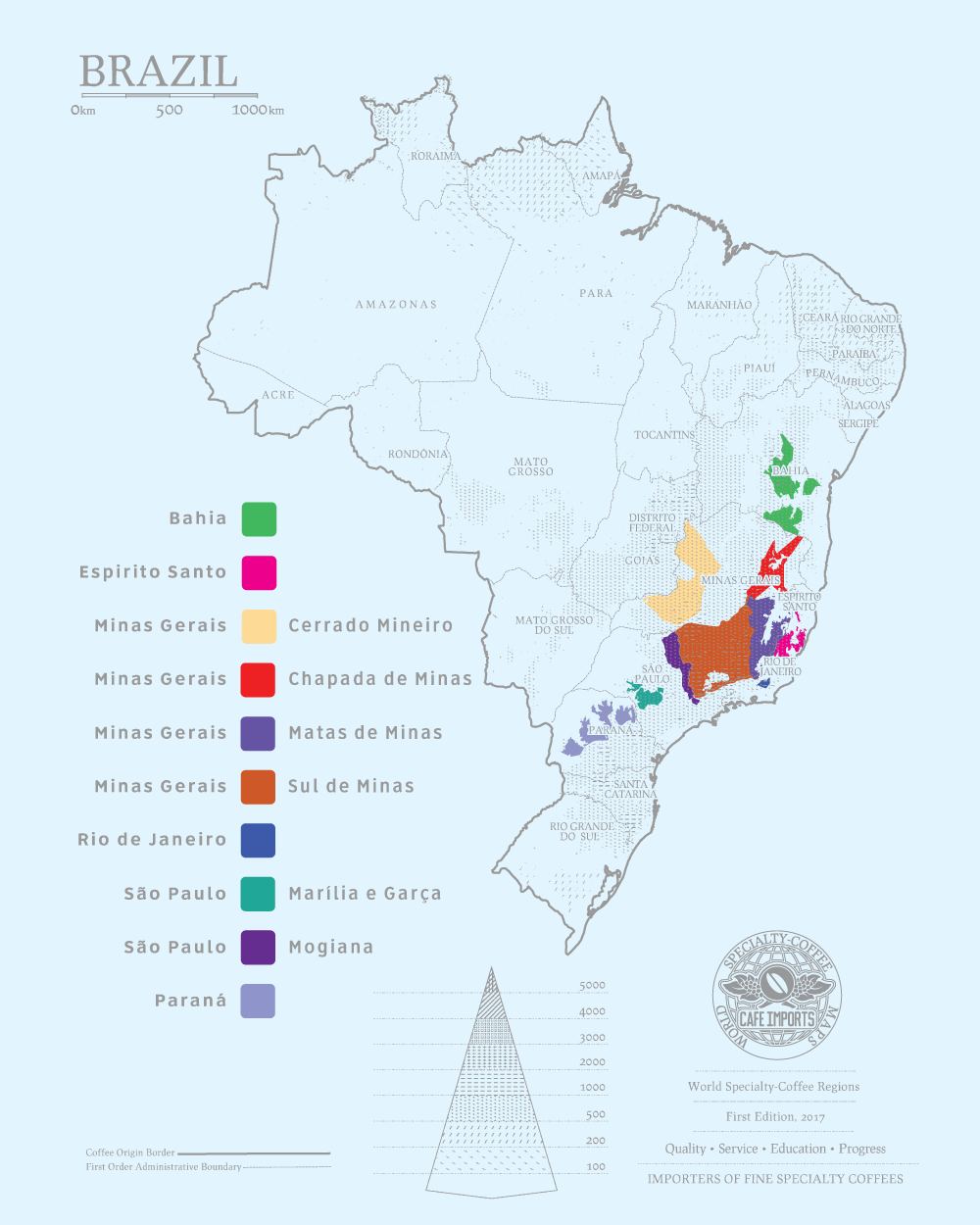
Currently, 17 states in Brazil are involved in coffee cultivation, but production is mainly concentrated in six: Bahia, Espírito Santo, Minas Gerais, São Paulo, Paraná, and Rondônia. Among them, Minas Gerais stands out, contributing approximately 40% of the national coffee output according to 2020 statistics. Due to differences in terrain, altitude, and climate, each producing region imparts unique flavor characteristics to its coffee. Generally speaking, Brazilian coffee is known for its low acidity, rich sweetness, and smooth mouthfeel.
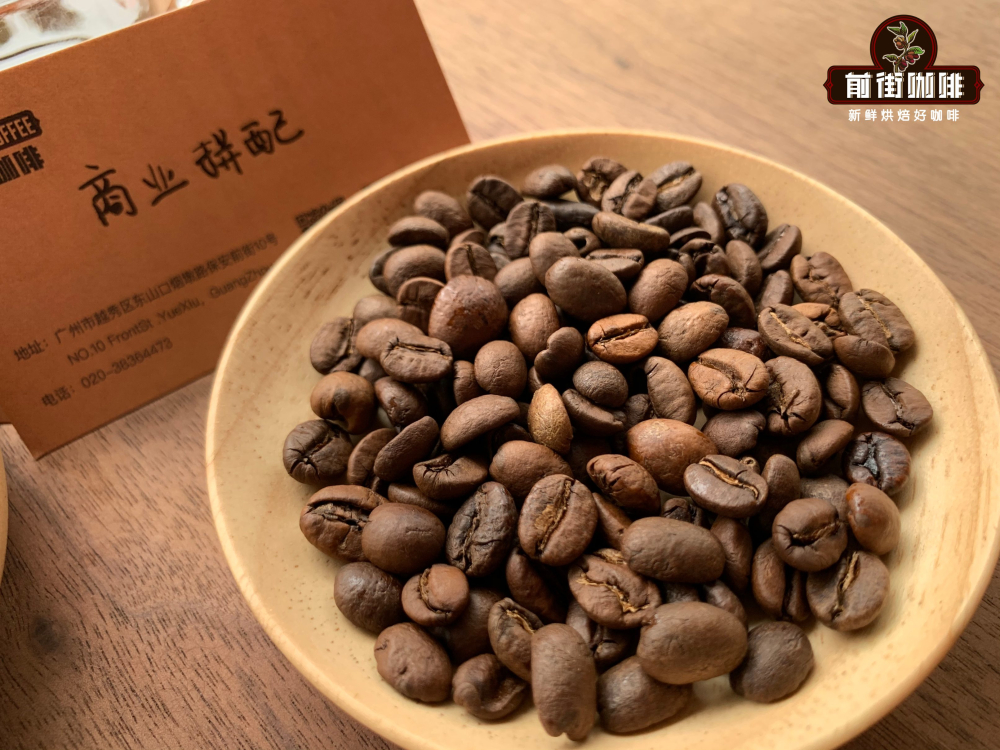
In one brand’s coffee lineup, there are only two Brazilian beans: “Brazil Red Bourbon” and “Queen Estate Yellow Bourbon.” The Red Bourbon is categorized under the everyday bean series, reflecting its well-acknowledged value and consistent flavor. This coffee is grown in the Cerrado region of Minas Gerais at an altitude of about 1000 meters, using the pulped natural processing method, and the variety is Red Bourbon.
It’s worth noting that the pulped natural (Pulped Natural) processing method is actually the precursor to honey processing. It was first developed in Brazil in the 1990s to overcome the local water scarcity while meeting the dual needs of increasing export volume and reducing processing costs. This technique involves removing the coffee skin and pulp but retaining some mucilage for sun drying. Compared to traditional sun drying, it is more time-efficient and effectively enhances the coffee’s sweetness and overall flavor. This method was later adopted and developed into honey processing by other water-scarce regions such as Costa Rica.
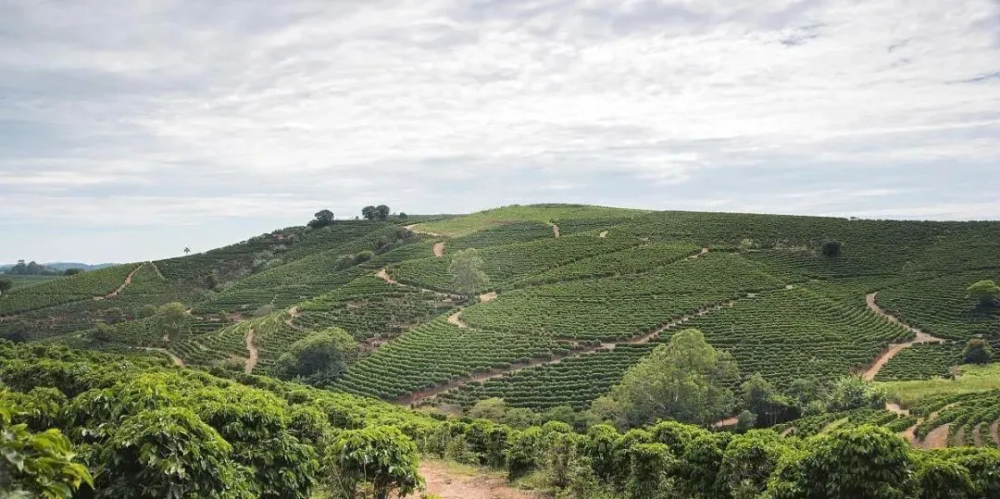
The Cerrado region is a key coffee-producing area within Minas Gerais and also the first in Brazil to receive origin certification. It primarily features large-scale plantation models, with altitudes ranging from about 800 to 1200 meters. Thanks to the dual advantages of its origin and processing method, the brand’s Red Bourbon exhibits rich notes of nuts and chocolate, paired with distinct caramel sweetness. Its overall mouthfeel is smooth and well-balanced, making it highly suitable for daily drinking or as a base for espresso blends.
In contrast, another Brazilian bean from the same brand—Queen Estate Yellow Bourbon—shows a distinctly different flavor profile. This coffee is grown at Queen Estate in the Mogiana region of São Paulo, where the terrain is steep and the altitude ranges between 1400 and 1950 meters. The soil is rich, red volcanic earth full of minerals, which is highly conducive to growing high-quality coffee. The estate spans 280 hectares, with 200 hectares dedicated to cultivating the Yellow Bourbon variety.
Although both Yellow Bourbon and Red Bourbon belong to the Bourbon family, Yellow Bourbon typically has a thicker mucilage layer and higher sugar content, resulting in superior sweetness and fruitiness. Cupping results from the brand also show that Queen Estate Yellow Bourbon not only boasts notable sweetness but also carries a hint of delicate lemon aroma, with a richer fruit flavor profile. This coffee is processed using the traditional sun drying method and is evenly dried in small batches on African raised beds to avoid uneven fermentation or unwanted off-flavors, thereby fully preserving its natural sweet and aromatic qualities.
To enhance the sweetness and body of the Yellow Bourbon, the brand’s roasters opted for a medium-dark roast, highlighting its nutty character and smooth mouthfeel. For brewing recommendations, given that it is a medium-dark roast bean, it is suggested to use a slower-flow filter such as KONO, with a water temperature of 88°C and a slightly coarser grind size (about 70% passing through a #20 sieve). Use a 1:15 coffee-to-water ratio, with 15 grams of coffee. To elevate the flavor complexity, a three-stage pouring method is recommended: start with a 30-second bloom using 30 grams of water, then pour in a slow circular motion for the second stage up to 125 grams. Once the water level drops, continue pouring to reach 225 grams in the third stage. Keep the total extraction time around 2 minutes to fully present the coffee’s sweetness and body.
The above content is compiled by CoffeeHunters, a coffee news website.


