







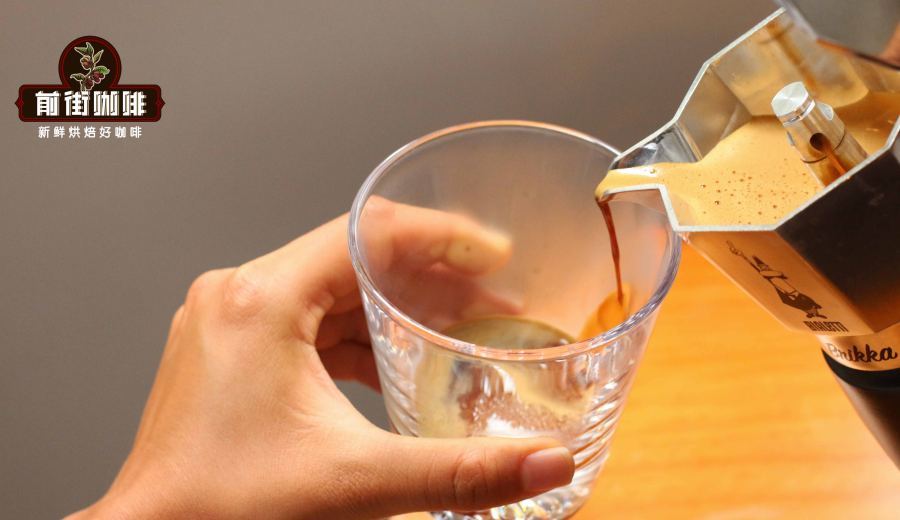
Introduction:The Moka pot is the go-to tool for many home coffee enthusiasts when it comes to making espresso-style coffee. It’s easy to use yet capable of producing richly flavored brews. However, many still have questions about water volume, heating methods, and bean selection. This article explains the correct way to use a Moka pot, including water control, grind size, heating techniques, and recommends two coffee beans well-suited for Moka pot extraction — helping you easily brew bold and aromatic coffee.
Thanks to its compact size and intuitive operation, the Moka pot has become a top choice for many home users looking to enjoy espresso-like flavors at home. Compared to traditional espresso machines, the Moka pot can produce high-concentration, full-bodied coffee without the need for expensive equipment, making it ideal for those who prefer dark roast profiles. However, many users often encounter issues such as “How much water should I add?”, “Can I heat it directly on the stove?”, or “What grind size should I use?” This article will guide you from basic setup to hands-on brewing, so you can fully master the tips and tricks of using a Moka pot.
Let’s start with the crucial step of adding water. In the lower chamber of the Moka pot, it’s recommended to use warm water instead of boiling water. This helps shorten the overall brewing time and prevents the coffee grounds from releasing excessive bitter and burnt compounds due to sudden high heat. There’s a simple principle for how much water to add:Do not exceed the pressure relief valve level. If the water level is higher than the safety valve, and the coffee grounds are ground too finely or tamped too tightly, causing a blockage, steam pressure may build up without release, leading to potential danger. Therefore, keeping the water level below the safety valve is a fundamental safety precaution.
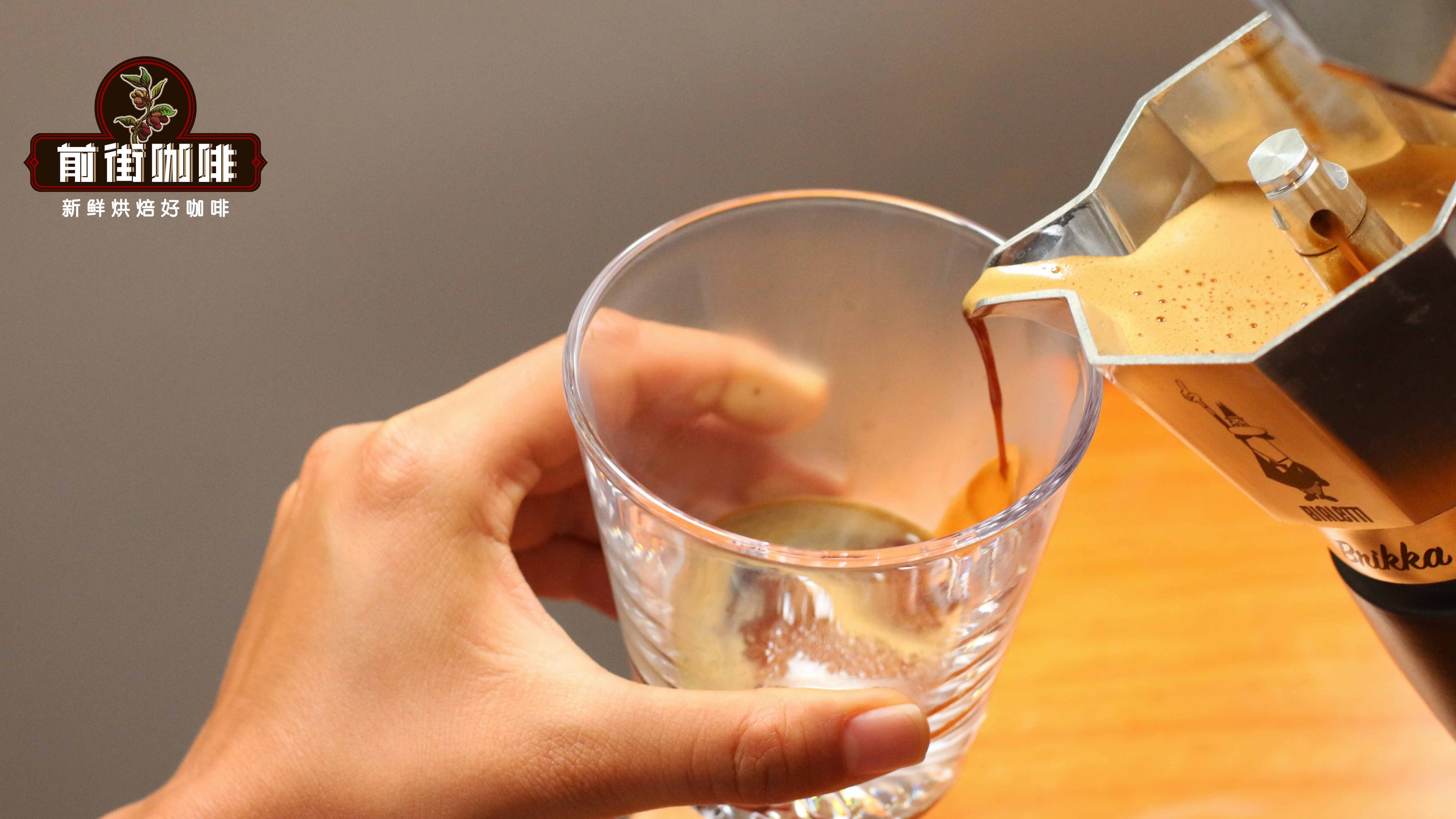
When it comes to coffee bean selection, dark roasts are usually more suitable for Moka pot brewing because the caramelization of flavor compounds during dark roasting is more pronounced, resulting in intense roasted aromas and a rich mouthfeel. Additionally, the freshness of the beans is extremely important — freshly roasted beans can release more complex and layered aromas, making the extraction process more stable. It’s recommended to use beans roasted within 5 days for optimal flavor performance.
Next is the grind size. The coffee grind needed for a Moka pot should be between that of pour over and espresso — finer than your typical pour over grind but slightly coarser than what’s used in professional espresso machines. If the grind is too coarse, water will pass through too quickly, leading to under-extraction; if it’s too fine, it may result in over-extraction, with the coffee tasting noticeably burnt and bitter, and potentially splattering due to excessive pressure. In practice, adjust your grinder to a fineness similar to that of fine sugar, and fine-tune based on actual extraction results.
When filling the coffee, pour the ground coffee into the middle basket of the Moka pot, gently level and fill it, then use your finger to smooth the surface. Here,there’s no need to tamp the coffee bed firmly, as an overly compacted coffee layer can hinder water pressure, not only reducing extraction efficiency but also risking excessive pressure buildup that could cause the upper chamber to spray. Furthermore, insufficient coffee grounds may also lead to water passing through the bed too quickly after heating, resulting in incomplete extraction and affecting the final flavor.
Once the coffee is filled, assemble the upper and lower chambers tightly to ensure there are no air leaks. Then you can begin heating. It’s recommended to use low to medium heat, especially when using a gas stove.Do not let the flame extend beyond the base of the Moka pot, as localized overheating can cause metal deformation or damage. During heating, once you hear a slight hissing sound coming from the lower chamber, it means the water has started turning into steam. At this point, reduce the heat to allow for a smoother extraction process. Soon after, you’ll see the coffee liquid gradually rising into the upper chamber. Once the liquid level reaches about halfway up the upper chamber, you can turn off the heat.

After turning off the heat, it’s recommended to let residual heat finish the extraction. You can wrap the Moka pot in a damp towel to help cool it down and allow pressure to dissipate gradually. This prevents a sudden stop in heating from cutting off the flavor development. The entire extraction process takes roughly 3 to 4 minutes, varying slightly depending on heat intensity and grind size.
Finally, pour the brewed coffee into a cup and adjust the flavor to your liking. If you prefer black coffee, you can dilute it with warm or cold water at a 1:1 ratio to make a Moka pot-style Americano. If you’re not used to straight black coffee, you can also add fresh milk at approximately a 1:2 ratio. This not only reduces the strength but also adds a smoother texture and creamy layering.
If you enjoy Moka pot coffee with rich crema and bold flavors, consider using a dark roast blend — for example, a classic combination of Indonesian Mandheling and Brazilian beans, with a touch of Robusta to enhance crema. This is great for those who love intense flavors and latte art. If you prefer a cleaner, more balanced taste, opt for a medium-dark roasted Yellow Bourbon bean processed with the natural method, highlighting natural sweetness and tropical fruit notes. When extracted under pressure with a Moka pot, it delivers rich layers of chocolate and nutty flavors.

The above content is compiled by CoffeeHunters, a coffee news website.


