







Introduction:Sumatran Mandheling coffee is renowned for its bold and rich profile, with the Lake Toba and Lake Tawar regions being hailed as the "Two Lakes, Two Mandhelings." Each offers distinct flavor characteristics. This article delves into how the geographical conditions of these two regions shape their flavor profiles, explores the historical anecdotes behind the name "Mandheling," and explains how the wet-hulling process and medium-dark roasting create their classic taste—helping you choose and brew Sumatran Mandheling more precisely.
As one of the world’s top producers of Arabica coffee, Sumatra has long been famous for its Mandheling beans. The two most representative regions are Lake Toba in northern Sumatra and Lake Tawar in the Aceh region. The coffees from these two lake areas are often collectively referred to as the "Two Lakes, Two Mandhelings," not only because of their relatively close geographic locations but also because together they have shaped the classic image of Mandheling coffee.
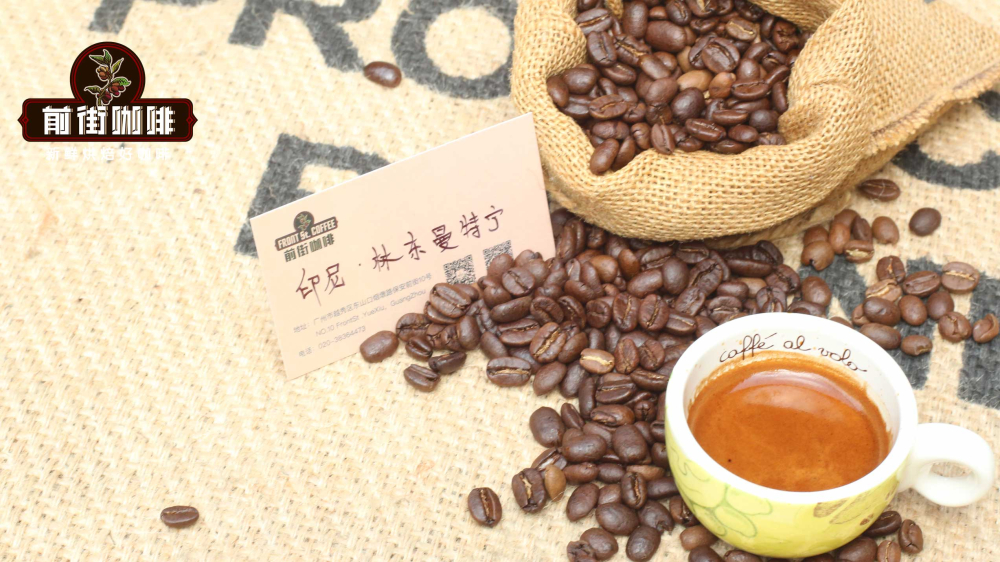
However, while both are grounded in a rich and full-bodied base, their flavor profiles differ significantly. Mandheling from the Lake Toba region often exudes a deeper, more restrained aroma, with some even describing a herbal sweetness reminiscent of grass jelly. In contrast, Mandheling from the Lake Tawar region tends to showcase brighter fruit acidity, occasionally accompanied by delicate cedar or woody notes. If you wish to experience these subtle regional differences firsthand, try a Lin Tong Mandheling processed via the wet-hulling method and medium-dark roasted—its rich body often releases complex aromas of caramel, spices, herbs, and even something akin to toasted bread. With low acidity but a robust and solid mouthfeel, it’s perfect for coffee lovers who prefer intense flavors.
Interestingly, "Mandheling" does not refer to a specific coffee variety but is a collective term that originated from a unique historical background. As early as the 17th century, Dutch colonists first introduced Arabica coffee to the Indonesian archipelago, primarily cultivating it in areas like Java. However, in 1877, a widespread coffee leaf rust epidemic struck Indonesia, killing most Arabica plants, forcing farmers to switch to the more disease-resistant Robusta. Later, in 1942, during the Japanese occupation of Indonesia, a Japanese soldier drank an impressive cup of coffee at a café in Sumatra. When he asked the shop owner about the coffee variety, the owner misunderstood the question as being about his ethnicity and replied "Mandailing," leading to the enduring name "Mandheling."
Indonesia consists of over 17,000 islands, with its main coffee-growing regions concentrated on Java, Sulawesi, and Sumatra. Among them, Sumatra is the core origin of Mandheling coffee. Although the island also grows a fair amount of Robusta, the term "Mandheling" is generally used to refer broadly to Arabica coffee from Sumatra, including a small portion of Timor varieties. These coffees typically feature intense bitterness, a solid body, and subtle chocolate notes, making them a favorite among many heavy coffee drinkers.
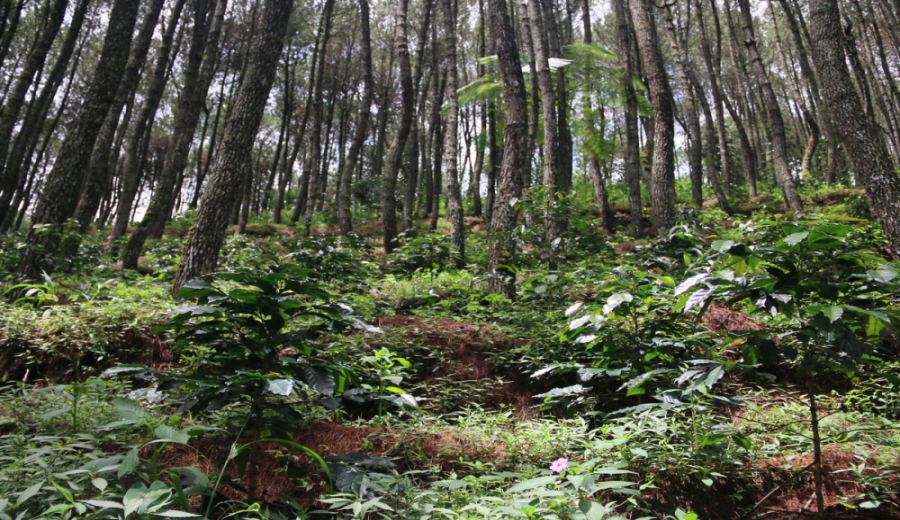
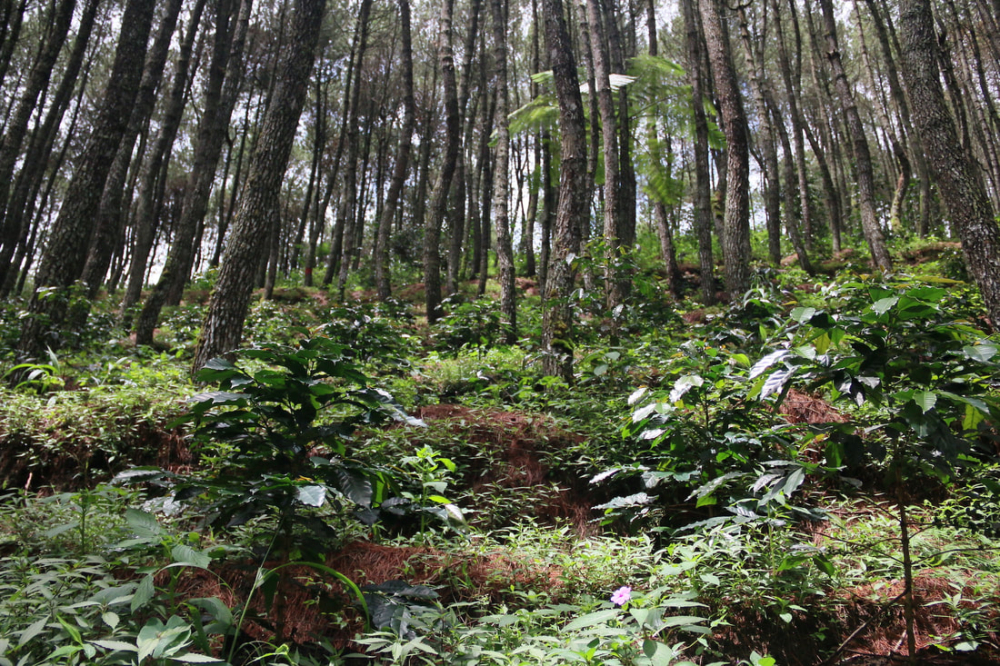
Looking more closely at the regional differences within Sumatran Mandheling, altitude is a crucial factor. Most high-quality Mandheling is grown in highland mountainous areas at elevations between 750 and 1,500 meters, with beans from Takengon and Sidikalang being particularly esteemed. These regions benefit from significant day-night temperature variations and volcanic soils rich in minerals, which help coffee cherries ripen slowly and accumulate more complex flavor compounds.
In terms of processing, Sumatran coffee commonly employs the wet-hulling method (Giling Basah), a unique semi-dry processing technique. Unlike traditional washed or natural methods, wet-hulling involves removing the coffee parchment while the beans still retain some mucilage, then hulling them at a higher moisture content. This accelerates the drying process and results in a coffee with a heavier body, lower acidity, and intensified earthy flavors such as spices and herbs.
For roasting, medium-dark is considered the optimal level to highlight Mandheling’s potential. This roast degree balances the expression of acidity, sweetness, and bitterness, allows the caramelization process to fully develop, and retains the coffee’s inherent earthy and woody tones, creating a deep and layered flavor profile. If you enjoy pour over coffee, we recommend using a medium-fine grind with water temperature controlled between 90–92°C, employing a pulsed extraction method. This helps to bring out its rich spice and herbal aromas while avoiding over-extraction that could lead to astringency.
In summary, Sumatra’s "Two Lakes, Two Mandhelings" are not just a geographical concept but also an important indicator of flavor identity. Whether you prefer the deep and solid profile of the Lake Toba series or the fresh yet woody notes of the Lake Tawar series, you can find your ideal cup within the world of Mandheling. Understanding the interplay between origin, processing, and roasting will help you select beans and brew more accurately, experiencing the most authentic and captivating side of Sumatran coffee.
The above content is compiled by CoffeeHunters, a coffee news website.


