







Introduction:Drip bags combine the flavor of pour over coffee with the convenience of instant brewing, making them a top choice for many busy coffee enthusiasts. However, if brewed incorrectly, it's easy to lose the coffee’s intended layers and aromas. This article delves into the history of drip bags, the correct brewing steps, common mistakes, and answers questions such as whether Blue Mountain drip bags live up to their name and why their shelf life is shorter. It also recommends several flavorful drip coffees from renowned regions like Ethiopia, Honduras, and Indonesia to help readers find the one that best suits their taste.
Thanks to its convenient brewing method and relatively good flavor performance, drip coffee has become a daily favorite for many coffee lovers. However, many people, especially beginners, often end up with subpar coffee—either too weak or overly bitter—due to unfamiliarity with the correct brewing technique. This article will take a professional approach to help you deeply understand the origins of drip coffee, the proper brewing process, common mistakes and how to fix them, and will answer frequently asked questions such as “Do Blue Mountain drip bags really come from the Blue Mountain region?” and “Why does the shelf life of drip coffee tend to be shorter than that of coffee beans?” Finally, we’ll also recommend several specialty coffee beans from well-known regions that are ideal for making drip coffee.
The popularity of drip coffee lies in its combination of the flavor complexity of pour over coffee and the convenience of ready-to-drink. For busy office workers, the ability to enjoy a cup of quality coffee without spending too much time or effort is its biggest appeal. However, many beginners often encounter various issues when brewing on their own, such as inconsistent flavor, bitterness, or overly light taste. From a professional barista’s perspective, this article will introduce you to the development history of drip coffee and detail each step of the brewing process, including water temperature control, pouring techniques, pre-wetting time, etc., helping you master the secrets to brewing delicious drip coffee.
The earliest origins of drip coffee can be traced back to Japan in 1990, when Yamashita Sangyo Co., Ltd. first applied the concept of tea bags to coffee, creating an early form of filter-drip coffee and applying for a patent. However, due to the design’s inability to support the weight of coffee grounds and its tendency to become unbalanced during use, it ultimately failed to go to market. It wasn’t until 1998, when Daiki Shoji improved the design by extending the drip bag’s ear structure outward, enhancing stability and user experience, that it evolved into the familiar drip bag format we know today. As life became busier, many office workers had no time to brew coffee the traditional way, and drip bags quickly gained a foothold in the market due to their simplicity and minimal equipment requirements.
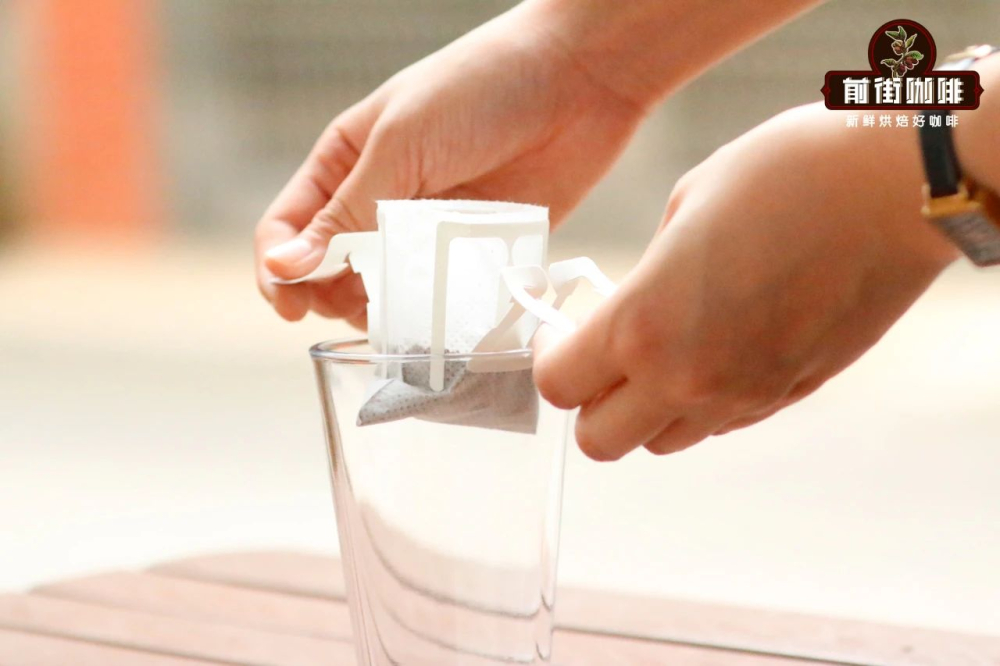
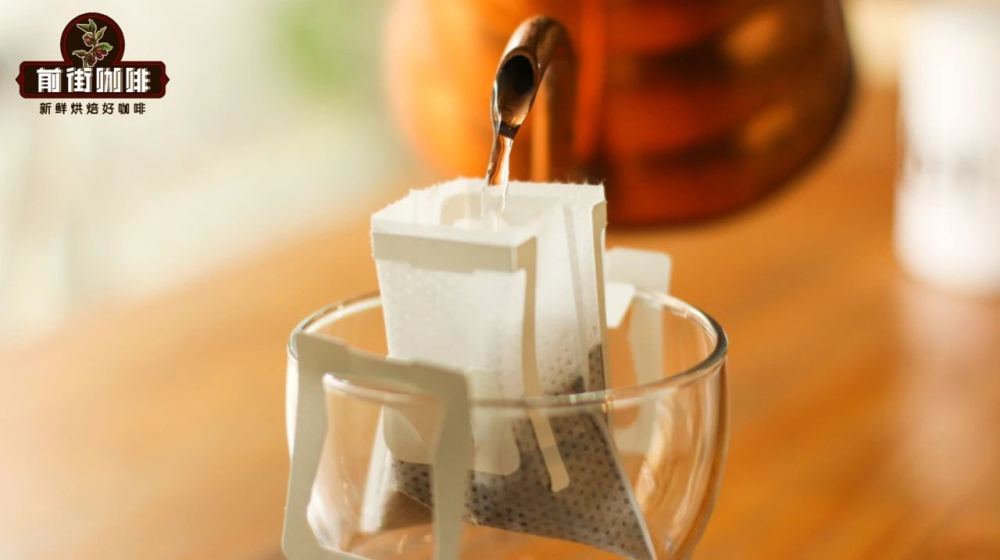
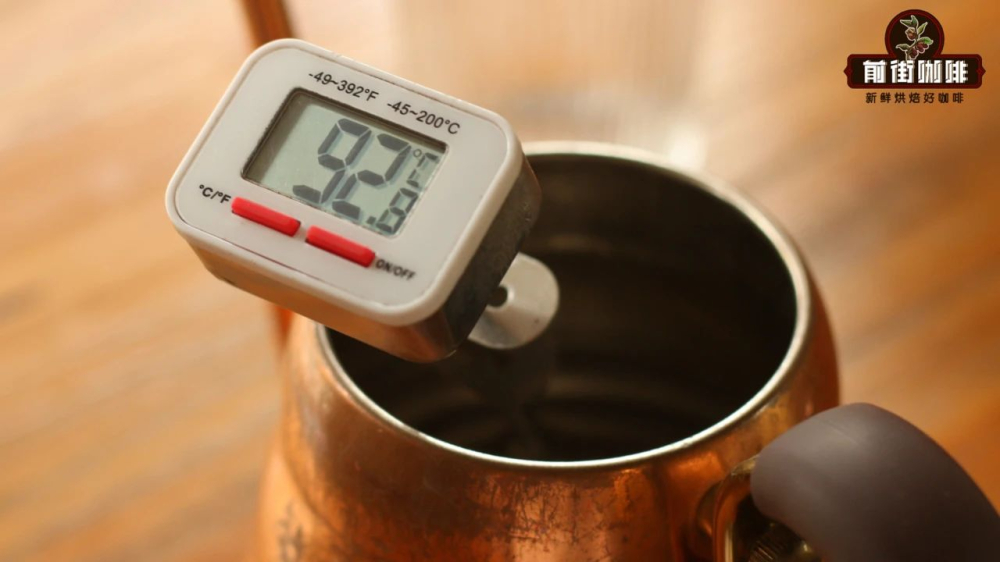
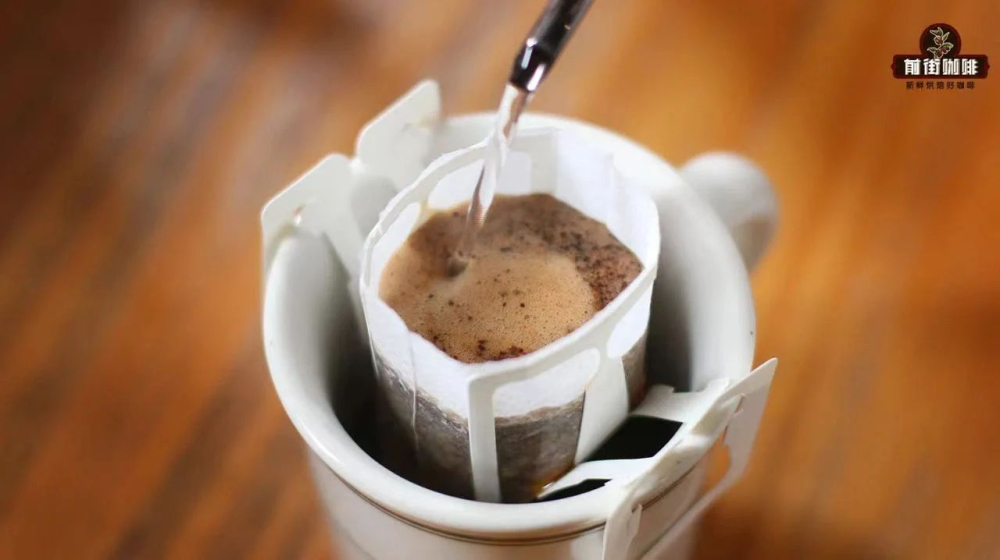
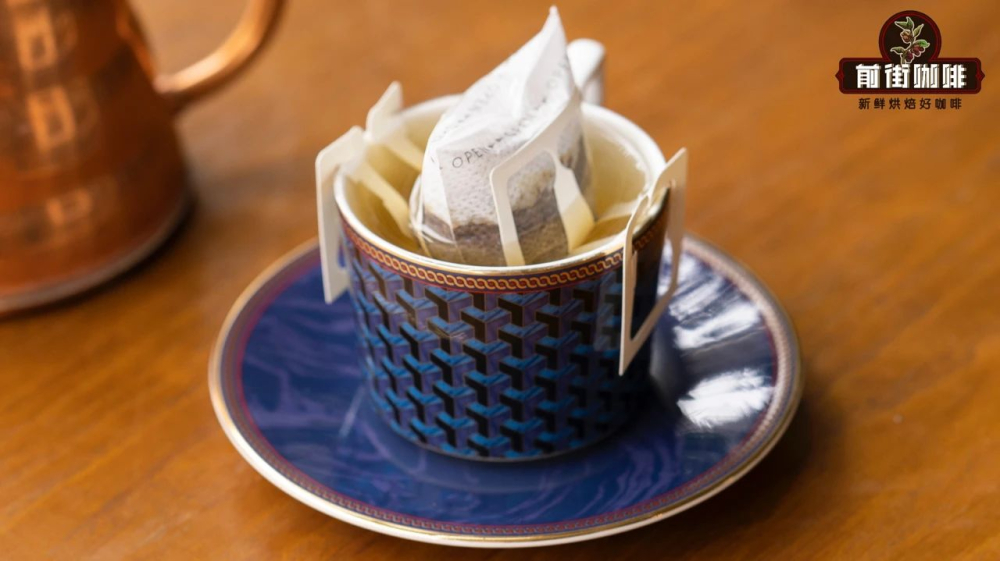
Using the correct method to brew drip coffee can significantly enhance its flavor. First, it’s recommended to warm your cup with hot water before brewing to help maintain the coffee’s temperature and prevent flavor loss due to rapid cooling. Next, control the water temperature between 90–99°C. If you prefer less bitterness, you can slightly lower the temperature, but it’s best to stay within 90–95°C for optimal extraction. After shaking the coffee grounds inside the drip bag to evenly distribute them, tear open the seal, unfold the two side ears, and hang them on the edge of the cup. Then use a small amount of hot water for pre-wetting for about 20 seconds to allow the coffee grounds to fully bloom. This step helps release aroma and improve the uniformity of subsequent extraction.
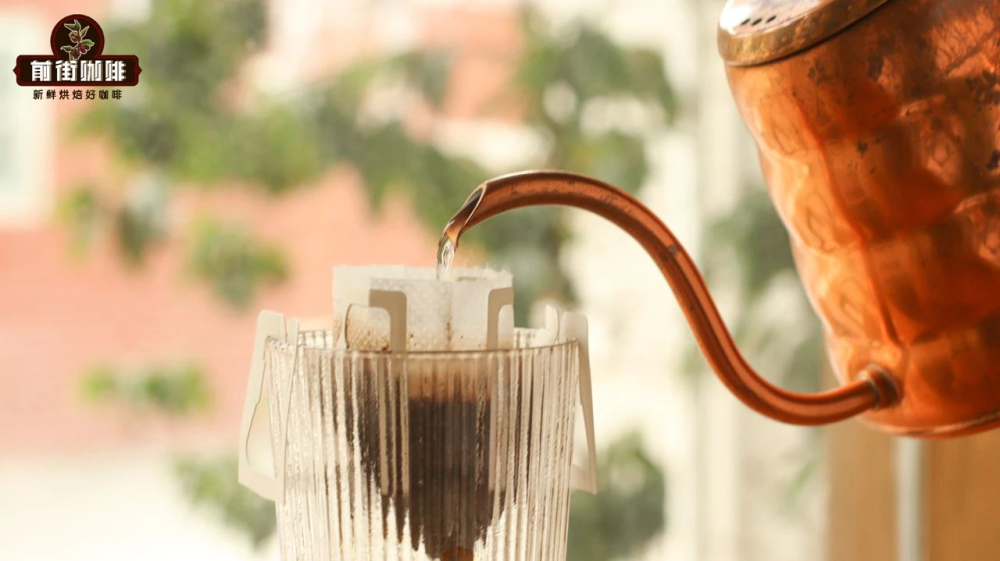
After pre-wetting, you can begin the main pouring. It’s recommended to use a thin, steady stream of water, pouring until the filter is about 80% full, then waiting for the water level to drop before continuing. The total brew volume is ideally controlled between 150–180cc. Too little water will make the coffee overly concentrated, while too much can dilute the flavor. The entire process should be completed within about 4 minutes to avoid over-extraction, which can lead to bitterness and off-flavors. There’s no need to wait for all the water to completely drip through the filter before removing and discarding the drip bag.
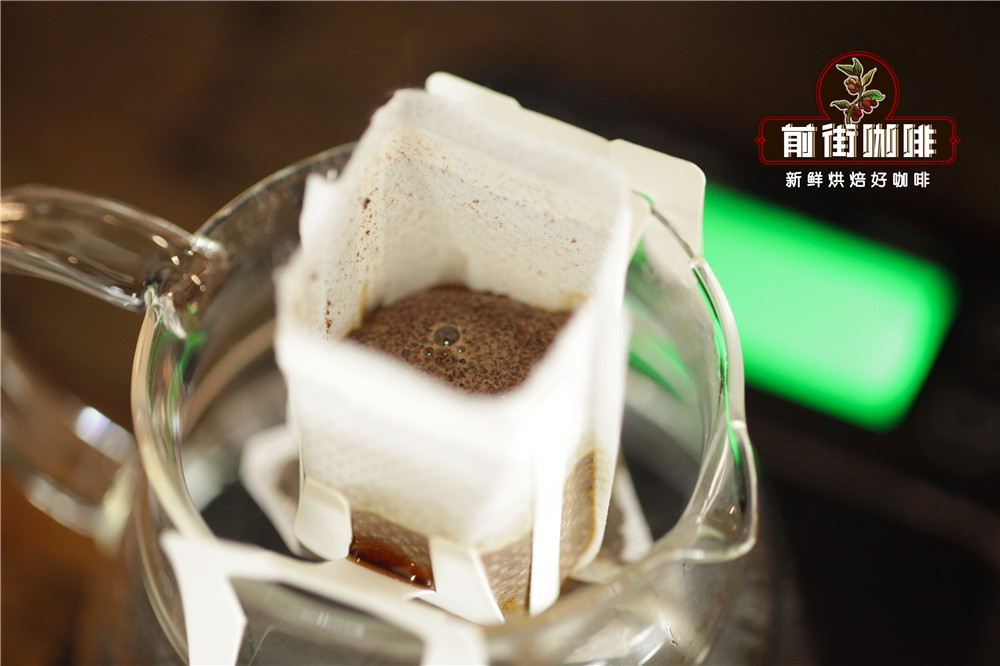
There are several common mistakes when brewing drip coffee that can severely impact the final flavor. For example, some users may place the entire drip bag directly into the cup and let it soak. This not only makes the coffee taste overly thin but can also lead to over-extraction, releasing excessive caffeine and undesirable impurities, resulting in noticeable bitterness and off-flavors. Additionally, using water that’s too cool won’t effectively extract the aromatic compounds in the coffee, leading to a flat and one-dimensional flavor. Also, it’s not recommended to reuse the same drip bag, as a single brew is enough to fully extract the essence from the coffee grounds—brewing it again will only yield a weak and tasteless liquid.
Although drip coffee has flavor potential close to that of pour over, it still has its limitations. Since the coffee grounds are pre-ground, the increased surface area exposed to air significantly shortens its shelf life compared to whole beans. Generally, the optimal flavor window for drip coffee is only about two weeks, and under poor storage conditions, the flavor may deteriorate even sooner. Even with vacuum packaging or one-way valves, it’s impossible to completely prevent aroma degradation, because coffee beans begin releasing carbon dioxide after roasting, which affects how long the aroma is preserved. Therefore, it’s recommended that consumers drink their drip coffee as soon as possible after receiving it to enjoy the best flavor experience.
Regarding the “Blue Mountain drip coffee” available on the market, many consumers have one question: is this coffee really from the Blue Mountain region of Jamaica? In reality, coffee from the Blue Mountain region is known for its unique growing environment, distinctive flavor, limited production, and high price. If a Blue Mountain drip coffee is priced too low, it’s very likely not from the authentic Blue Mountain region. For those seeking the true traditional flavor, it’s recommended to choose Blue Mountain coffee beans from a trusted source and have drip bags custom-made to ensure quality and freshness. Alternatively, if you want to experience Blue Mountain-style flavor, you might consider purchasing certified Blue Mountain-grade coffee beans and using an appropriate brewing method.
If you’d like to explore drip coffees with different flavor profiles, here are several premium drip bags from various regions worth trying. First is the Ethiopian Natural Red Cherry drip, produced in the high-altitude Yirgacheffe region and processed using the natural method. It offers distinct tropical fruit, berry, and cream aromas, making it ideal for coffee lovers who enjoy rich fruity flavors. Next is the Sidamo Huakui drip, a coffee bean that won the TOH Natural Category Championship. It showcases a complex flavor profile of strawberry, floral tea, honey, and lemon, with a balanced acidity and sweetness and rich layers.
If you prefer coffee with wine-like aromas and sweetness, the Honduran Sherry drip is an excellent choice. This coffee undergoes fermentation in whiskey sherry casks, delivering pronounced vanilla cream and fermented wine notes, along with lingering hints of nuts and dark chocolate. Its rich and memorable mouthfeel makes it stand out. Lastly, we recommend the Indonesian Golden Mandheling drip, processed using the wet-hulled method. It features herbal, caramel, and dark chocolate flavors, with a full-bodied yet clean and long-lasting finish—making it a great option for coffee enthusiasts who enjoy deep, mellow profiles.
The above content is compiled by CoffeeHunters, a coffee news website.


