







Introduction:Espresso is the core foundation of Italian-style beverages. Whether it's a latte, cappuccino, or flat white, they all originate from this concentrated essence. This article delves into the operational logic of semi-automatic espresso machines, starting with the principles of high-pressure extraction. It guides you through the history and flavor differences between Italian and American coffee styles, and provides a detailed introduction to key extraction parameters such as dose, yield, and time. Paired with a practical seven-step operating procedure, it’s suitable for beginners or those looking to optimize their extraction skills at an advanced level.
Espresso is not only the base for most Italian-style coffee drinks but also the gateway to appreciating the essence of coffee. From lattes and cappuccinos to americano and mochas, these classic beverages all start with this small shot of espresso. This article takes a hands-on approach to help you fully understand the workings of a semi-automatic espresso machine and master the entire process from extraction to beverage preparation.
First, let’s talk about the essence of espresso. Also known as espresso, it is made by forcing hot water (about 92°C) under high pressure (approximately 9 atmospheres) through a compact puck of finely ground coffee. This process extracts a rich and flavorful liquid. This method not only quickly releases the essence of the coffee but also forms a thick layer of crema (coffee foam) in a short time, which is one of the key indicators of a good espresso.
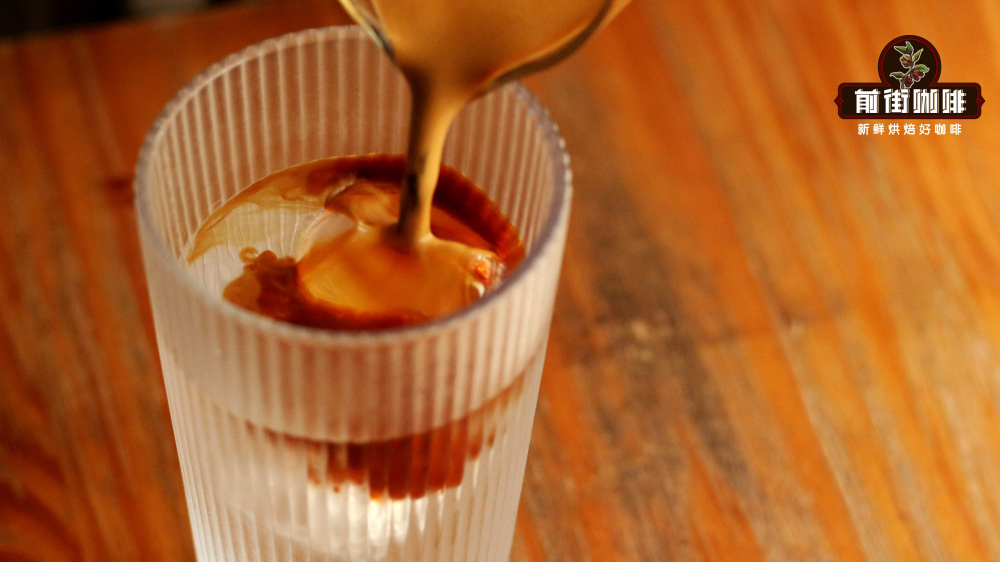
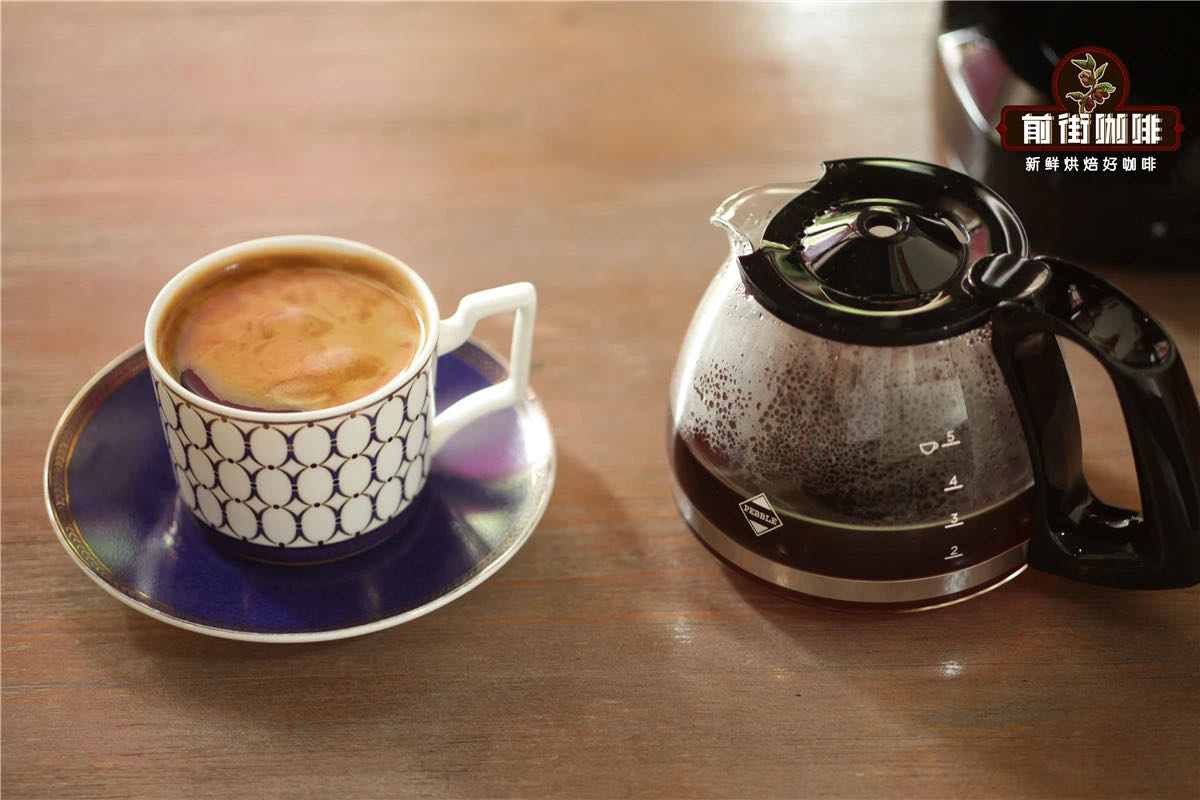
Many people may not realize that the difference between Italian and American coffee is not just about strength. The common ways to make American coffee are twofold: one is brewing directly with a drip coffee machine, and the other is diluting a small shot of espresso with hot water. This dilution method dates back to World War II when American soldiers in Europe first encountered espresso. Unaccustomed to its intense flavor, they added hot water to mellow it out, inadvertently creating what we now know as Americano. Interestingly, the name originally carried a slightly mocking tone, reflecting local observations of American drinking habits.
The Americano we serve is typically a blend of espresso and hot water in a specific ratio. A hot americano is usually mixed at about a 1:4.5 ratio, while an iced americano is diluted closer to 1:9, adjusted based on the season and customer preference. Our house-blend americano offers a rich wine-like aroma and a full-bodied taste, with distinct layers of crema and a long-lasting chocolatey aftertaste, especially refreshing when served over ice.
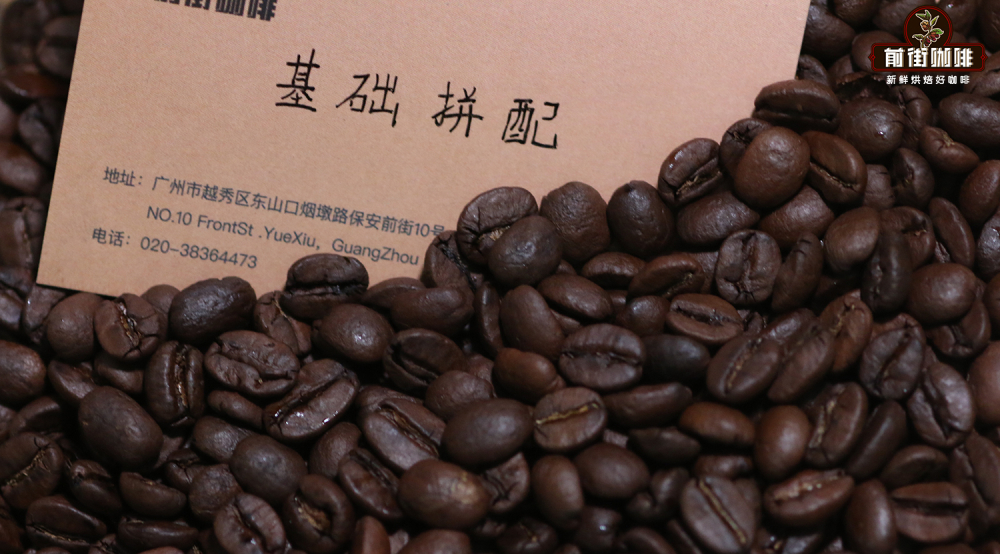
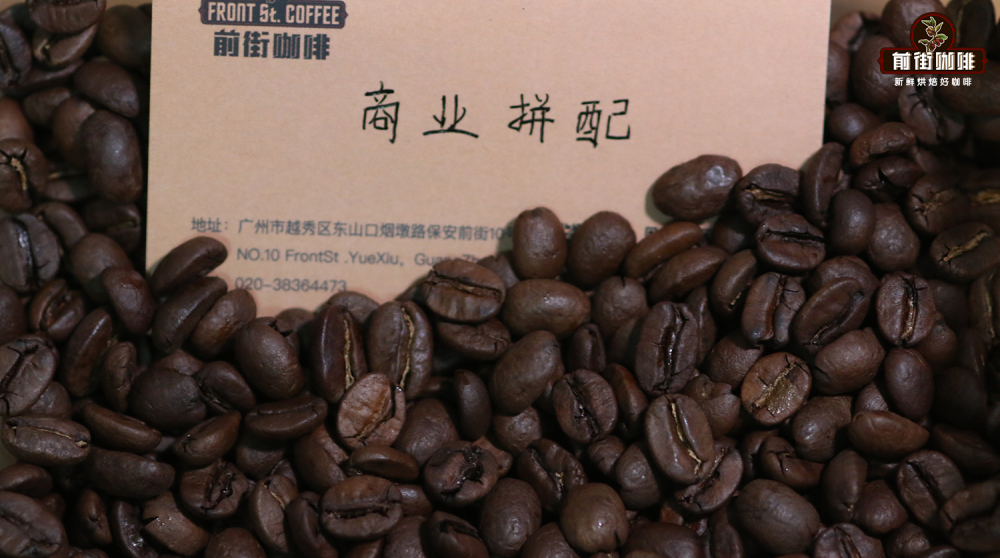
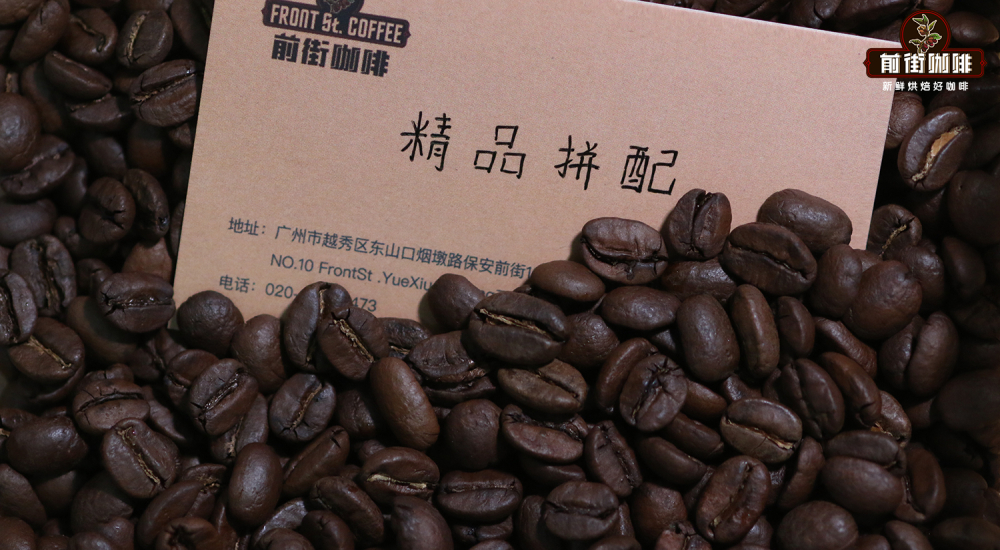
To better understand the diverse expressions of Italian coffee, one cannot overlook the choice of blends. We have specially designed four Italian-style blends to meet different needs: a commercial blend ideal for those seeking bold crema and smooth flavor (with 10% Robusta to enhance intensity), a premium blend showcasing clean taste and nutty-chocolate notes, a Sunflower Warmth blend highlighting vanilla cream and fermented wine aromas (composed of 30% Yirgacheffe Red Cherry and 70% Honduran Sherry), and a high-value Black Cocoa blend focused on balanced flavor. Each blend is optimized for different extraction conditions and final beverage profiles, making them excellent choices for both cafés and coffee enthusiasts.
Mastering espresso hinges not only on bean selection but also on precise extraction parameters. It is generally recommended to use 18 to 22 grams of coffee grounds, with adjustments possible depending on basket size. The ideal yield is typically 1.5 to 2 times the dose—for example, 20 grams of coffee yielding 36 to 40 grams of liquid. Going beyond this range can easily result in over-extraction or under-extraction issues. Extraction time is ideally between 25 to 35 seconds; too fast may lead to sourness and lack of sweetness, while too slow can cause bitterness and off-flavors.
In practice, many professional baristas use a TDS (Total Dissolved Solids) refractometer to measure the concentration of the extracted liquid and further calculate the extraction percentage using the formula: (%TDS × yield) ÷ coffee dose = extraction percentage. While everyday users don’t need to be this precise, understanding these parameters helps achieve more scientific control over extraction quality.
For first-time users of semi-automatic espresso machines, don’t be intimidated by the multiple steps. By mastering the following seven basic procedures, you can consistently pull a good shot of espresso:
Step 1: Ensure the portafilter basket is dry and free of any residual moisture—wipe it gently with a clean cloth if needed.
Step 2: Accurately weigh the coffee dose, aiming for an error margin within ±0.1 gram to ensure consistent extraction.
Step 3: Distribute the grounds evenly so the coffee sits level in the basket, avoiding channeling.
Step 4: Use a tamper to uniformly press the grounds. Apply steady pressure to maintain consistent puck density.
Step 5: Lightly tap the tamped portafilter on the machine’s shelf to remove loose grounds and ensure the puck is stable.
Step 6: Lock the portafilter into the group head and start the extraction.
Step 7: After extraction, remove the portafilter, tap out the spent puck, and immediately clean the group head to prevent clogging from leftover grounds.
Here’s a battle-tested reference extraction recipe: Use 20 grams of coffee, aim for a 40-gram yield, and complete extraction in around 30 seconds. These parameters are suitable for the foundation of most Italian-style drinks, delivering a balanced acidity, sweetness, bitterness, and rich crema. It serves as a reliable standard starting point for both cafés and home users.
Once you’ve mastered the basics of espresso extraction, you can easily create various classic Italian-style coffees. For instance, adding steamed milk allows you to make lattes, cappuccinos, or flat whites. For a purer taste, enjoy straight espresso or add ice for an iced version. Mastering the steam wand is key to crafting quality milk foam—consider learning dedicated milk steaming techniques to elevate your drinks.
It’s worth noting that while there are many fully automatic coffee machines on the market today that are relatively easy to use, if you truly want to experience the essence and adjustability of Italian coffee, semi-automatic machines remain irreplaceable. From bean selection and grinding to tamping and extraction, each step offers room for customization—a source of endless refinement and enjoyment for coffee lovers.
The above content is compiled by CoffeeHunters, a coffee news website.


