







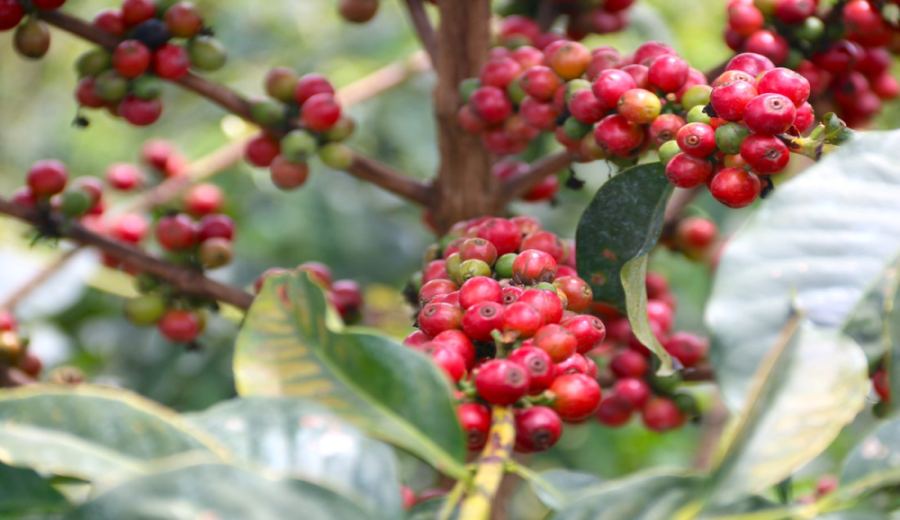
Introduction:Brazilian Yellow Bourbon coffee beans are renowned for their rare yellow-colored fruits and sweet acidity, making them a premium variety in the specialty coffee market. This article delves into the varietal origins, genetic traits, and unique flavors of Yellow Bourbon, using a classic batch from Queen Estate as an example to detail its roasting profile and pour over recommendations—including optimal water temperature, grind size, coffee-to-water ratio, and a three-stage pouring technique—so you can easily brew a round, full-bodied, and flavor-clear Yellow Bourbon pour over at home.
Yellow Bourbon (Yellow Bourbon) is a highly distinctive variety in Brazil’s coffee landscape, standing out among many red-fruited varieties with its bright yellow cherries. Not only is its appearance unique, but its flavor profile is also rich and layered, featuring notable sweetness and citrus acidity, making it a popular choice for many coffee enthusiasts trying pour over. This article will start with the historical origins, varietal evolution, and genetic background of Yellow Bourbon, then deeply analyze the processing features and roasting strategy of Queen Estate’s Yellow Bourbon, further providing practical pour over parameters including water temperature, grind coarseness, coffee-to-water ratio, and pouring method, to help you more comprehensively understand and enjoy this specialty coffee from Brazil.
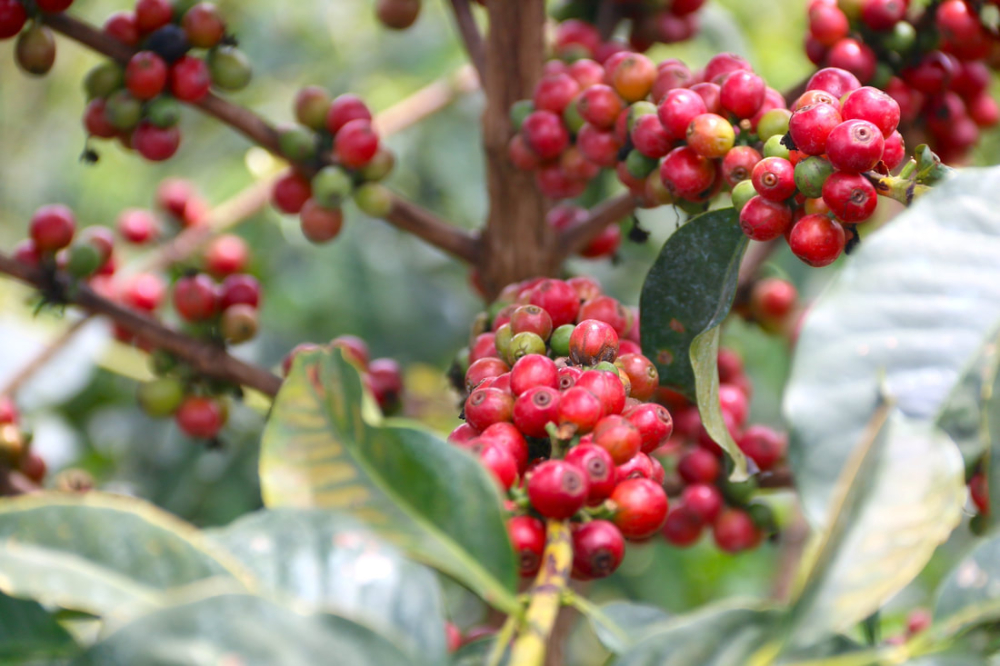
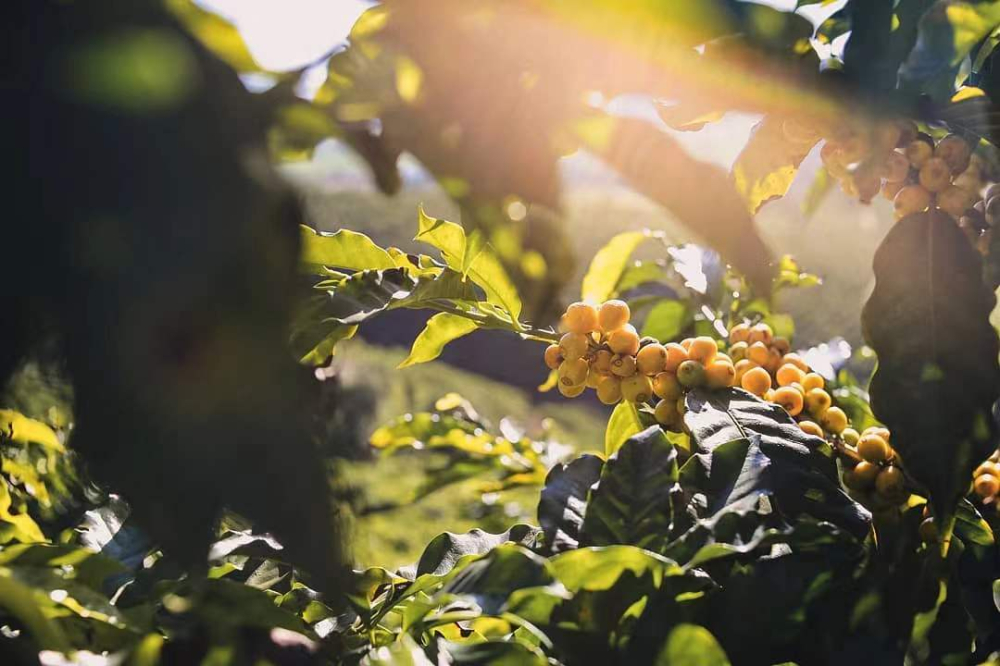
The uniqueness of Yellow Bourbon is first reflected in the bright yellow color of its cherries when ripe. Most coffee varieties such as Typica or Bourbon turn red during ripening, while Yellow Bourbon stands out with its vivid yellow hue. This characteristic not only makes it visually distinctive but also a focal point for both coffee farmers and consumers. In fact, Yellow Bourbon is not a newly bred variety, but a classic one with nearly ninety years of cultivation history. Its creation can be traced back to the 1930s on a Red Bourbon farm in São Paulo, Brazil, and it is believed to be a hybrid between Red Bourbon and a naturally occurring mutation known as ‘Yellow Botucatu.’
The genetic basis for the yellow fruit comes from a pair of genes called ‘Xanthocarpa,’ derived from the Greek words ‘xanthus’ (yellow) and ‘carpus’ (fruit). Plants carrying the dominant gene produce red fruits, while those with the recessive homozygous gene yield yellow fruits, with orange fruits appearing very rarely. This genetically controlled yellow pigment is mainly luteolin, a natural flavonoid common in various fruits and vegetables as an antioxidant, though its connection to coffee flavor has not yet been clearly scientifically confirmed.
Although Yellow Bourbon was already noted by the Campinas Agricultural Research Institute (IAC) in the 1940s and underwent systematic research, for a long time, due to its relatively low yield, weaker disease resistance, and market preference for high-yield commercial varieties, Yellow Bourbon never became mainstream in Brazil’s major producing regions. However, with the rise of specialty coffee, its unique aroma and balanced sweet-and-acid profile have regained attention. Especially in the 2017 Brazil Cup of Excellence competition, a naturally processed Yellow Bourbon scored 92.33 and won an award, later selling at auction for $126 per pound, showcasing its potential and market value.
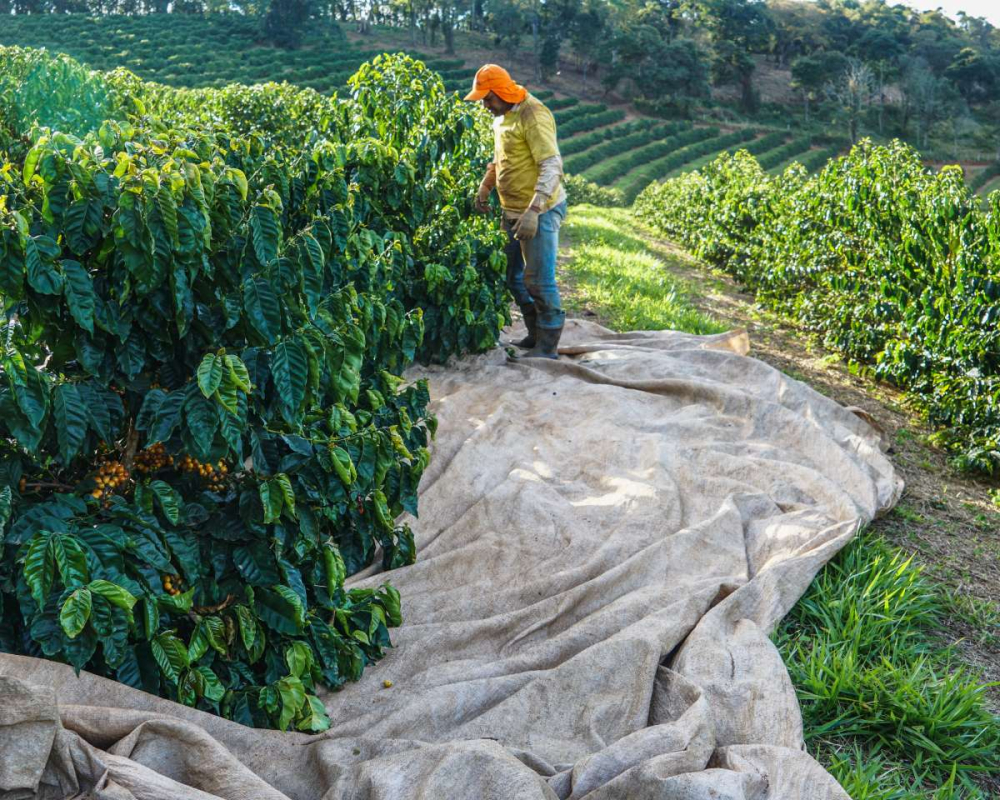
Queen Estate (Fazenda Rainha) is located in the Alta Mogiana region of São Paulo, Brazil, and is a highly representative small-scale specialty coffee farm operated by the Carvalho Dias family. The estate owns four farms and has won awards multiple times in Brazil’s COE competitions. Covering only 280 acres, 200 of which are dedicated to growing the Yellow Bourbon variety, the estate employs refined small-batch processing methods, particularly pulp natural (semi-washed), drying on African raised beds with careful moisture and turning control by specialists to ensure even drying and consistent flavor for each bean—it’s one of the exemplars of Yellow Bourbon’s specialty refinement.
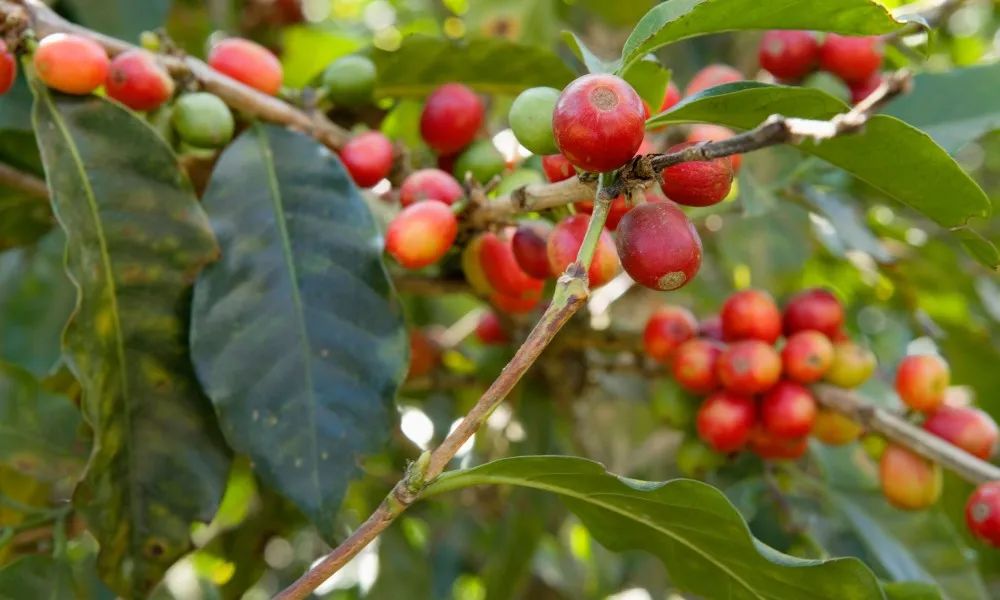
In terms of roasting, a certain coffee brand conducted multiple test roasts for Queen Estate’s Yellow Bourbon and finally settled on a roast that ends two minutes after the first crack, adopting a medium-dark roasting strategy to preserve the inherent sweetness and citrus notes of Yellow Bourbon, while bringing out the rich chocolatey finish. At this roast level, the coffee exhibits distinct lemon aroma, fresh wet fragrance, a round mouthfeel, and in the latter stage, a complex chocolate flavor, combining the solidity of Brazilian coffee with the vibrant character of Yellow Bourbon.
If choosing pour over extraction, it is recommended to use the following parameters for optimal flavor expression:Water temperature controlled at 87–88°C, grind size medium-coarse (approximately 70% passing through a Chinese standard No. 20 sieve), coffee-to-water ratio 1:15, using a KONO filter.. The specific operation can adopt a three-stage pouring method: the first stage pours water equivalent to twice the coffee dose (about 30 grams) for a 30-second bloom; the second stage uses a small stream to pour in a circular motion from the inside out up to 125 grams; after the coffee bed settles, continue pouring to a total of 225 grams, with a total extraction time of about 2 minutes. This extraction strategy effectively reduces the risk of over-extraction, balances sweetness and acidity, and showcases the multi-layered flavors of Yellow Bourbon.
The finished Queen Estate Yellow Bourbon pour over has a clear flavor profile: the early stage is dominated by nutty and peanut butter aromas, the mid-stage brings out bright citrus and ripe fruit notes, and the late stage smoothly transitions into a rich dark chocolate aftertaste. The overall mouthfeel is round and full, with balanced sweetness and acidity—a classic pour over option that fully showcases the charm of the Brazilian Yellow Bourbon variety.
In summary, Brazilian Yellow Bourbon is not only a gem in terms of varietal distinction, but also, with its unique yellow fruit, exceptional aroma, and well-balanced sweet and acidic profile, it becomes an excellent entry point for pour over enthusiasts to explore the diverse flavors of Brazilian coffee. With the right roasting approach and pour over parameters, these golden beans from Queen Estate will bring you plenty of surprises.
The above content is compiled by CoffeeHunters, a coffee news website.


