







Introduction:As an important coffee-producing region in Asia, Indonesia's Sumatra Mandheling is renowned for its bold flavor profile and unique processing methods. This article delves into the origin of the name "Mandheling," explores the classic wet-hulled processing technique, and introduces four popular Mandheling beans: Lintong Mandheling, Golden Mandheling, Tiger Mandheling, and Aged Mandheling. Covering aspects such as growing altitude, coffee variety, processing method, and practical pour over parameters, it helps you discover your own flavor preference.
Indonesia is one of the most representative coffee-producing countries in Asia, and Sumatra Mandheling is often the starting point for many coffee beginners exploring single-origin beans. From the commonly seen Lintong Mandheling and Golden Mandheling to the matured flavor of Aged Mandheling, each bean embodies the unique geographical and processing characteristics of Sumatra. This article will take you from the historical legend of Mandheling, detailing its classic wet-hulling process and three-stage drying procedure, then analyzing four popular Mandheling varieties one by one—from growing environment and variety traits to processing techniques—while also providing practical pour over extraction suggestions and flavor profiles, allowing you to more comprehensively grasp the essence of Indonesian coffee.
When it comes to Mandheling, many people’s first impression is its bold, heavy body and low acidity, but the name actually stems from an interesting historical misunderstanding. During World War II, a Japanese soldier drank an astonishingly good cup of coffee at a café in Indonesia. Due to a language barrier, the shop owner misunderstood his question about the coffee’s origin and answered “Mandheling,” the name of an ethnic group. That ethnic name thus became synonymous with this coffee. In reality, Mandheling is not a region, port, or coffee variety, but a phonetic transliteration derived from the Mandheling people of Indonesia. Sumatra Mandheling is mainly grown on slopes at altitudes of 750 to 1500 meters, predominantly with Arabica varieties such as Typica and Catuaí. The beans are larger in size and harder in texture. Although they are prone to producing defective beans, with strict screening and proper processing, they can often showcase unique layers of chocolate, syrup, and spice.
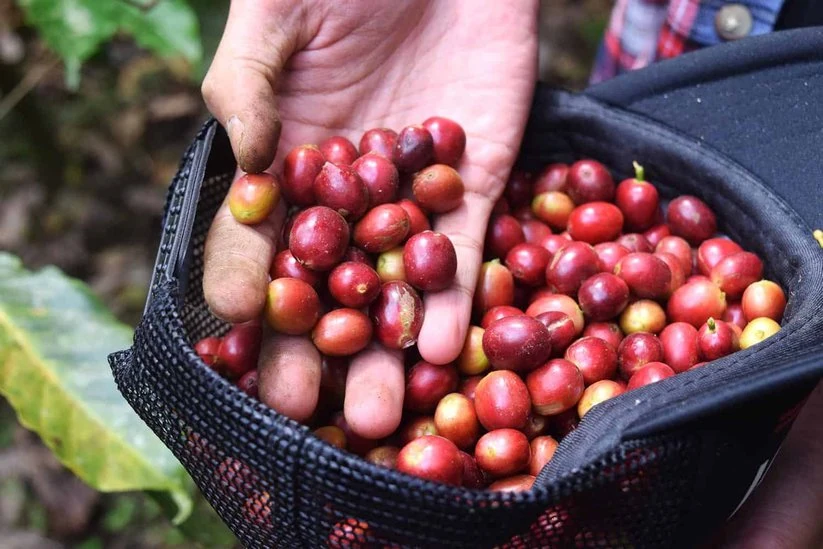
Sumatran coffee is famous for its “wet-hulled” processing method, which is quite different from typical washed or natural processes. Farmers usually remove the outer skin of the harvested coffee cherries with simple tools, allowing the sticky beans to ferment overnight. The next day, they manually remove the softened pulp, then place the silver-skin-covered beans on thin boards in their front yards for pre-drying. Afterward, the beans go through a three-stage drying process: first sent to intermediary warehouses to remove the silver skin and continue drying, and finally transported to the Port of Medan for the final drying stage. Some regions adopt a method similar to semi-washed processing, letting the mucilage partially dry before mechanical removal. Due to the complexity of the processing steps and significant environmental influences, Mandheling’s flavor profile is highly variable—though this may also lead to inconsistencies. Strict selection is required to highlight its delicate richness and subtly complex character.
Among the various Mandheling grading systems, DP Grade 1 (Dried Parchment Grade 1) and Special Reserve Sumatra Mandheling are two highly representative offerings. DP Grade 1 Mandheling often carries a wild, earthy mountainous aroma with a long finish that is bitter yet sweet, suiting those who prefer intense flavors. Special Reserve Mandheling, on the other hand, undergoes three years of cellar aging before export. Through a special maturation process, its acidity is reduced while body is enhanced, resulting in complex trailing notes of spices, walnuts, or chocolate, and a deeper flavor profile. It’s worth noting that Mandheling green beans often do not look as aesthetically pleasing as beans from other regions, but this is often closely related to their bold flavors and rich textures.
Next, let’s take a closer look at four common Mandheling beans from a well-known coffee brand, including their regional characteristics, processing methods, and practical pour over recommendations:
1. Lintong Mandheling
Originating from the Lintong region in northern Sumatra, grown at elevations of approximately 1100 to 1600 meters, with main varieties being Typica and Catuaí. The Lintong area is known for its high-altitude clay plateaus covered with fern vegetation. Most of the coffee is grown by smallholders without shade, and no chemical fertilizers or pesticides are used. This Lintong Mandheling is processed using the wet-hulled method. The beans are larger in size and hard in texture, requiring strict manual sorting to remove defects. It suits drinkers who enjoy intense, purely bitter flavors with subtle acidity and sweetness.
2. Golden Mandheling
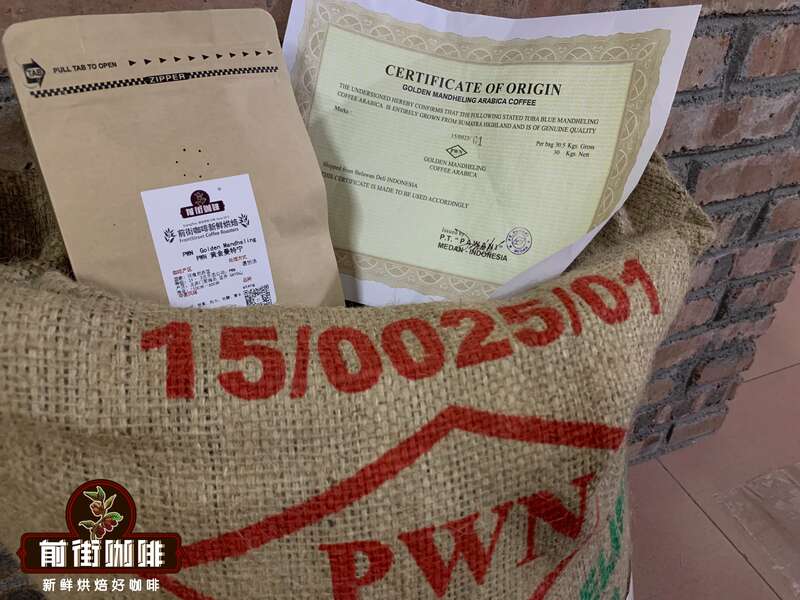
Produced in the Gayo Highlands of Aceh, North Sumatra, at elevations of 1100 to 1600 meters, with the Ateng variety (a branch of Catimor). Golden Mandheling is a trademark registered by Indonesia’s PWN company. Its size 19 beans must undergo four rounds of manual selection, with very strict quality requirements. Processed via the wet-hulled method, it is recommended to pay attention to water management and the drying phase during pour over. Using a Kono filter can enhance its full-bodied mouthfeel. The optimal brewing temperature is 86°C, paired with medium-fine grind (70% passing rate through a #20 sieve), at a 1:15 coffee-to-water ratio. Employing a pulse pouring technique highlights its rich notes of nuts, caramel, and chocolate, with a long and well-balanced finish.
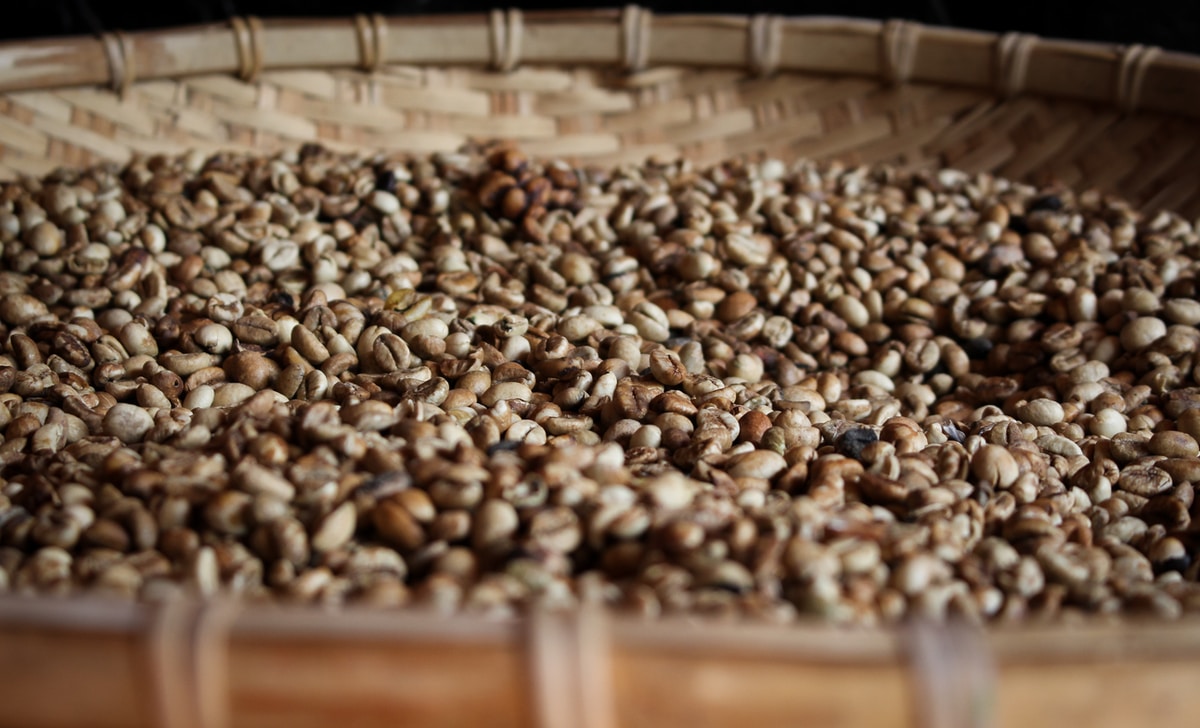
3. Tiger Mandheling
Sourced from the Aceh region, grown at around 1500 meters altitude, with varieties including Typica, Catuaí, and Sidikalang. Tiger Mandheling has strict selection criteria—it only uses beans that are size 17 or above with a defect rate below 4%. The flavor is clean and consistent, combining the citrus acidity of Catuaí with the lingering sweetness of Typica. Also processed using the wet-hulled method, it is suitable for coffee lovers seeking clear layers and high cleanliness.
4. Aged Mandheling
Aged coffee beans are not simply stored for a long time, but are carefully matured over 2 to 3 years under controlled environments (cool and ventilated), allowing natural acidity reduction, thicker bean structure, and the development of unique complex flavors. This Aged Mandheling is from Sumatra, of the Typica variety, processed with the wet-hulled method. It often exhibits special characteristics such as leather, burlap, or faint musty notes. It suits drinkers who appreciate deep, mellow flavors. A medium-dark roast is recommended to bring out its rich body.
In summary, Indonesian Mandheling coffee holds a distinct place in the global specialty coffee market thanks to its unique processing technique, bold flavor, and diverse taste profiles. Whether you prefer heavy and rich notes, clean layers, or matured complexity, these four Mandheling beans offer different flavor experiences and provide deeper insight into how the land of Sumatra shapes its uniquely flavorful coffee legacy.
The above content is compiled by CoffeeHunters, a coffee news website.


