







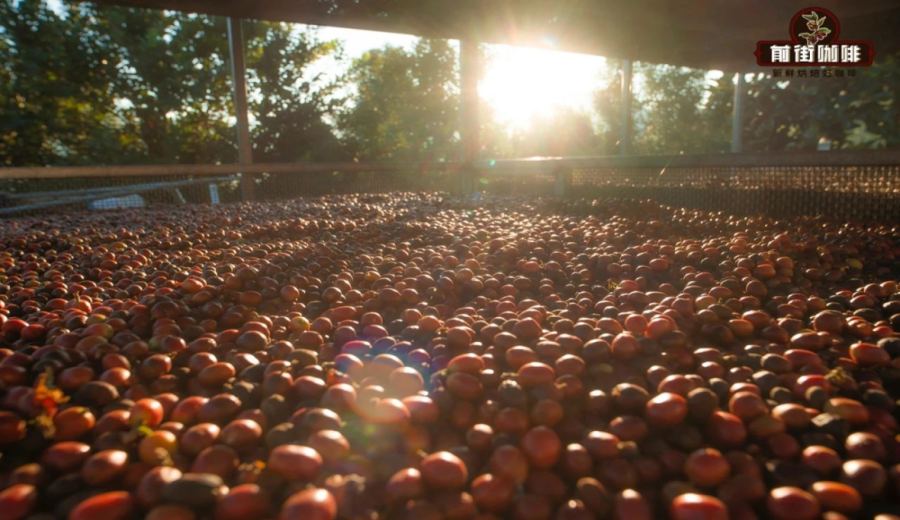
Introduction:As China's largest coffee-producing region, Yunnan’s so-called “small-bean coffee” is actually of the Arabica variety. But how does it differ from what is commonly recognized as specialty-grade coffee? This article delves into the varietal evolution, key growing region characteristics, common processing methods of Yunnan small-bean coffee, and offers practical pour-over recommendations along with flavor profiles to help readers discern authenticity, select suitable beans, and master brewing techniques.
When it comes to Chinese coffee, most people immediately think of Yunnan. This southwestern province is not only the homeland of Pu’er tea but also the region with the largest coffee cultivation area and highest output in the country, contributing about 95% of China’s total coffee production. However, many remain puzzled by the term “Yunnan small-bean coffee.” What exactly is small-bean coffee? How is it different from other coffees? This article will detail the origins, varietal changes, regional flavor characteristics of Yunnan small-bean coffee, how to identify authenticity, and provide practical pour-over parameter suggestions.
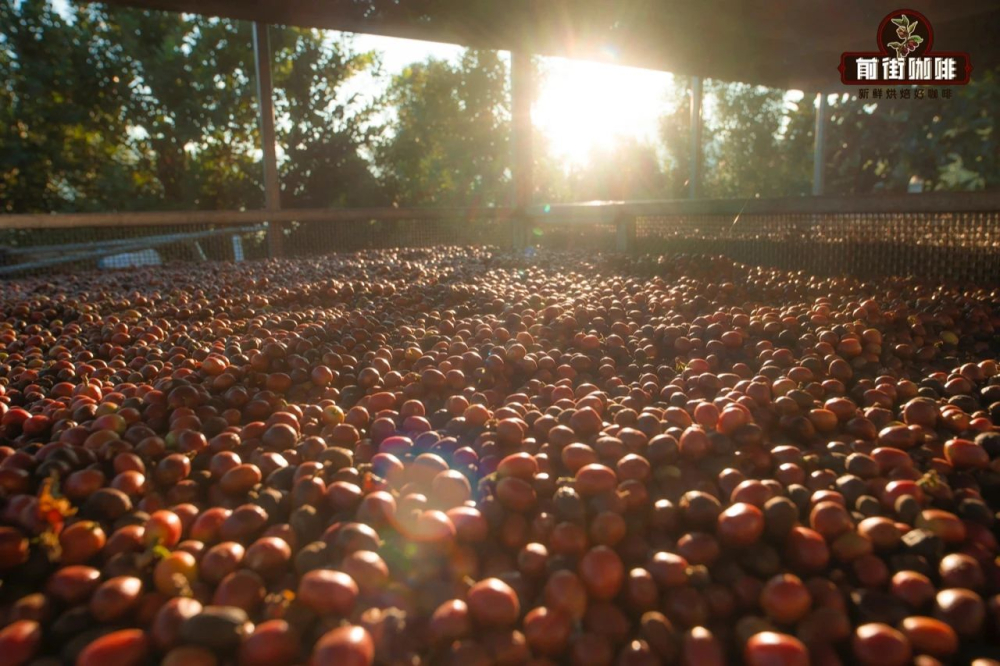
In China, when coffee-growing regions are mentioned, Hainan and Yunnan often come to mind. Hainan primarily cultivates Robusta, which has a bold, intense flavor profile and is usually dark roasted, catering to consumers who prefer a strong taste. Yunnan, on the other hand, is quite different—it was the first place in China to introduce coffee and is now one of the important cradles of specialty coffee. Although domestic awareness of Yunnan coffee was limited in the past, with films like “Coffee or Tea” raising its profile, more and more consumers are starting to pay attention to the unique flavors nurtured in this land.
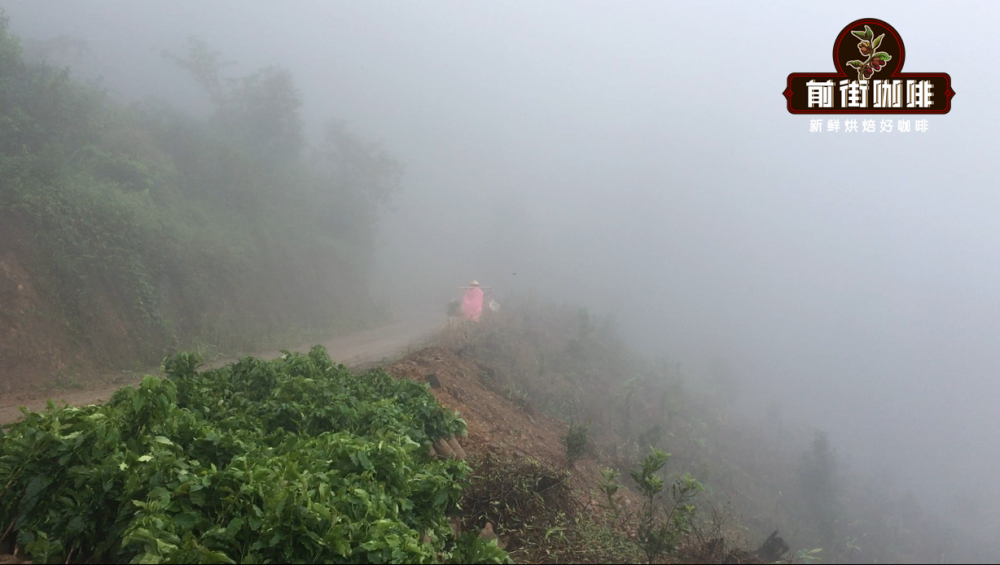
Though Yunnan’s coffee output may not be the highest compared to neighboring countries like Vietnam, its quality is widely acknowledged. Located near the Tropic of Cancer in the coffee-growing “golden belt,” Yunnan’s plantations are mainly situated at altitudes between 1,000 and 2,000 meters. The hilly terrain, well-drained fertile soil, abundant sunlight, and significant diurnal temperature variations create an ideal environment for coffee trees. Moreover, as market demand for quality increases, local coffee farmers have gradually shifted toward producing specialty-grade coffee.
“Small-bean coffee” is not exclusive to Yunnan but is a common global term for Arabica coffee, especially when compared to medium-bean Robusta. The Arabica species boasts numerous varieties, originating in Africa and later spreading globally via the Middle East. Its flavors are generally known for balance and mild acidity, suiting the palates of most coffee drinkers. What Yunnan refers to as “small-bean coffee” actually points to these mainstream Arabica varieties. However, unlike other regions, its varietal development is closely tied to the local environment.
Early coffee cultivation in Yunnan primarily featured Typica, a classic and high-quality Arabica variety with delicate aroma and pleasant acidity, considered one of the representatives of specialty coffee. However, Typica is less resistant to diseases and has lower yields, so it has gradually been replaced by other disease-resistant, high-yield varieties. After Nestlé entered Yunnan, it introduced new varieties such as Catimor, which are highly resistant to leaf rust and offer higher yields, eventually becoming the dominant cultivars in the region. Therefore, today’s so-called “Yunnan small-bean coffee” mainly refers to the Catimor variety.
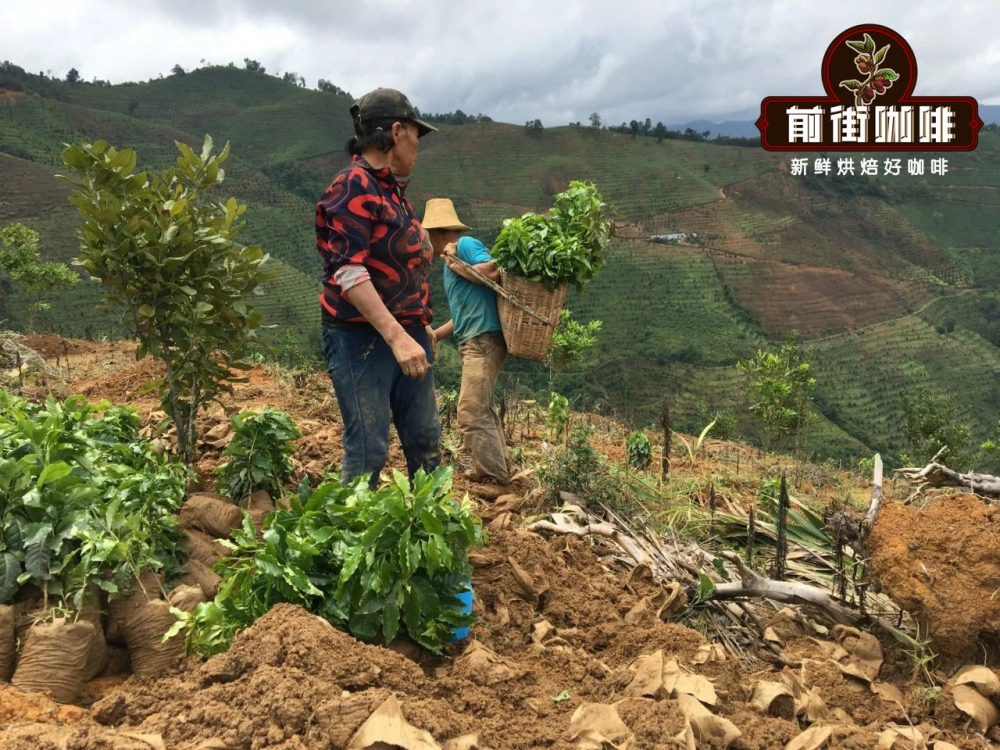
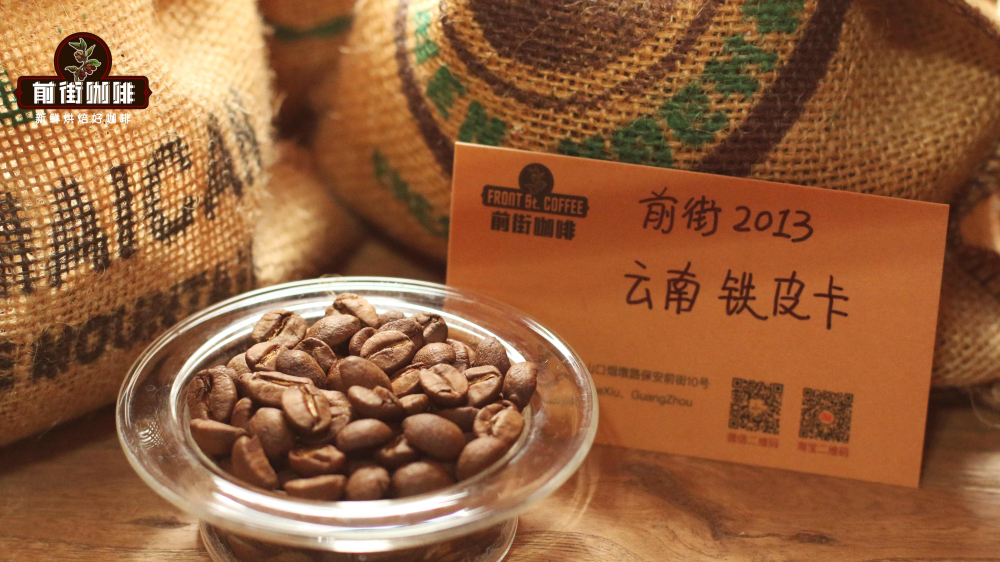
Typica (Typica), as one of the most classic high-quality Arabica varieties, delivers exceptional flavor performance and serves as the base variety for many specialty coffees. Originating from Ethiopia and Sudan, it features reddish-brown top leaves, also known as red-leaf coffee. However, due to its susceptibility to rust and low yield, along with high management requirements, it has been largely abandoned by farmers. That said, some estates still maintain its cultivation—such as the industry-launched 2013 Yunnan Typica, which, when medium roasted, presents gentle nutty and plum-like acidity with a clean taste reminiscent of black tea, making it a favorite among many specialty coffee enthusiasts.
Catimor (Catimor) is currently the predominant variety planted in Yunnan. Developed in 1959 by Portugal’s CIFC, it is a hybrid of Timor and Caturra. Its standout traits include strong disease resistance, high yield, and short plant stature, facilitating dense planting. However, because Catimor contains 25% Robusta genetics, its flavor often carries a noticeable grassy note and bitterness, with cleanliness and fruity aroma slightly inferior to pure Arabica. Yet, with advancements in processing techniques, some high-quality Catimor can also exhibit captivating notes of nuts, chocolate, and caramel.
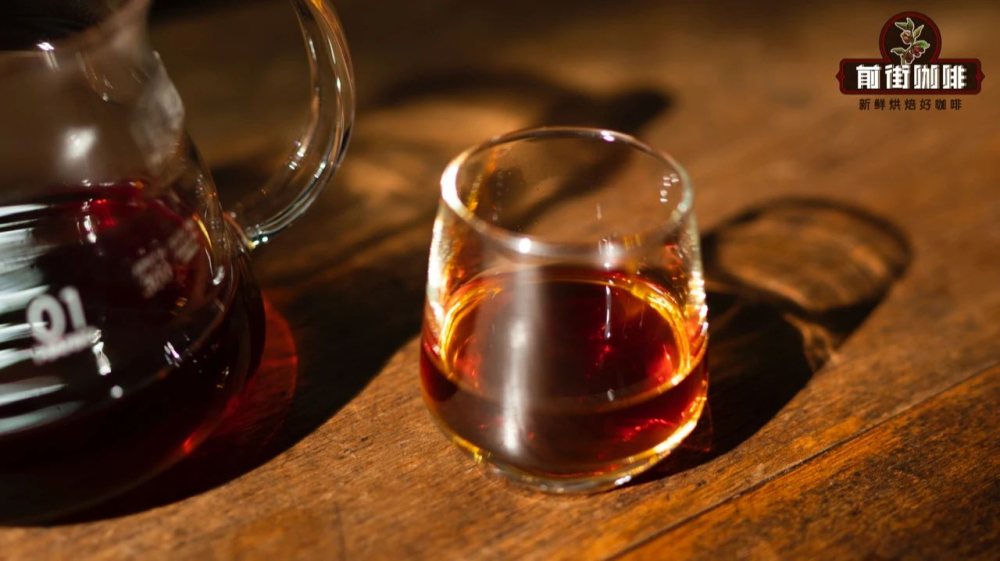
Yunnan’s coffee-growing areas are mainly distributed across four major regions: Baoshan, Pu’er, Lincang, and Dehong. These areas mostly feature subtropical or low-latitude mountainous climates, with only dry and rainy seasons per year—rainy season concentrated between June and September—providing ample rainfall for coffee tree growth. Elevations typically range between 1,000 and 2,000 meters, with large diurnal temperature variations and fertile soil, making them highly suitable for coffee cultivation. For instance, Lincang boasts a three-dimensional climate with over 2,000 annual sunshine hours, perfect for natural sun-drying processing; meanwhile, Baoshan’s Lugujiang Dam is famed for producing high-quality small-bean coffee and is home to many specialty coffee estates.
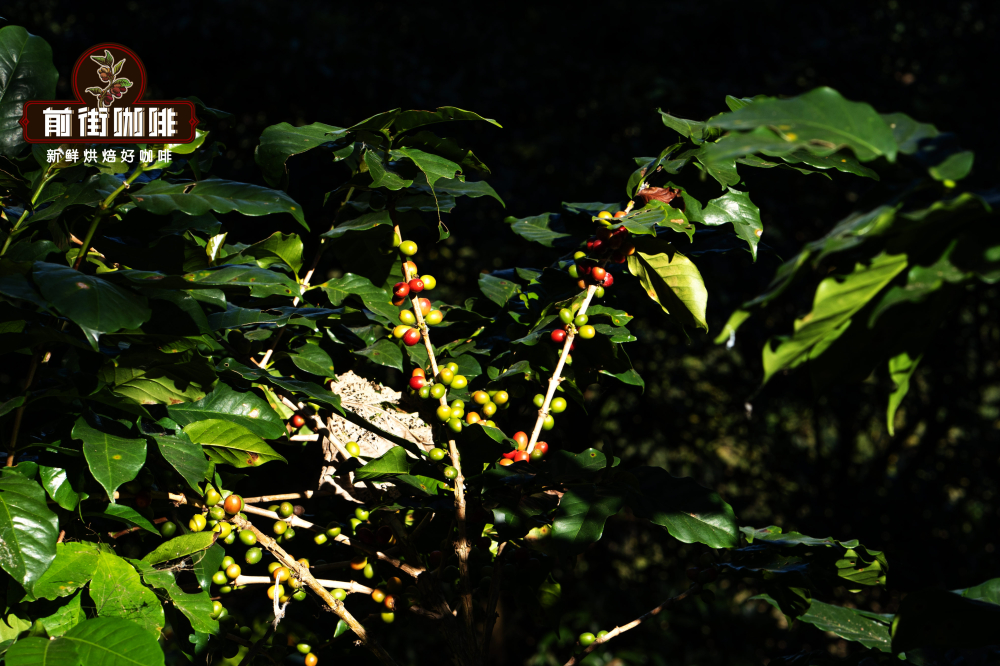
Regarding processing methods, due to Yunnan’s rainy and unstable climate, most coffee beans are processed using the washed method, though some estates also adopt natural sun-drying to highlight different flavor characteristics. The washed method accentuates clarity and acidity, ideal for showcasing delicate fruit acids and floral notes, while the natural method enhances sweetness and fruitiness, suiting consumers who prefer bold flavors. The industry has previously released both natural and washed versions of Catimor and Typica, allowing consumers to choose based on personal taste.
For brewing Yunnan small-bean coffee, a medium roast is recommended to preserve its sweet-acid balance and tea-like qualities. Practical pour-over parameters are as follows: use a V60 filter, a 1:15 coffee-to-water ratio, and a grind size of medium-coarse (similar to coarse sugar, with around 75% passing through a No. 20 Chinese sieve). Water temperature should be controlled at 88°C. Start with a 30-second bloom using twice the coffee’s weight in water (e.g., 60g water for 30g coffee) to aid degassing, then pour in small circles until reaching 125g for the first pour. Continue pouring up to 225g before stopping, with a total extraction time of about 2 minutes. These settings effectively highlight the layered richness and body of Yunnan coffee.
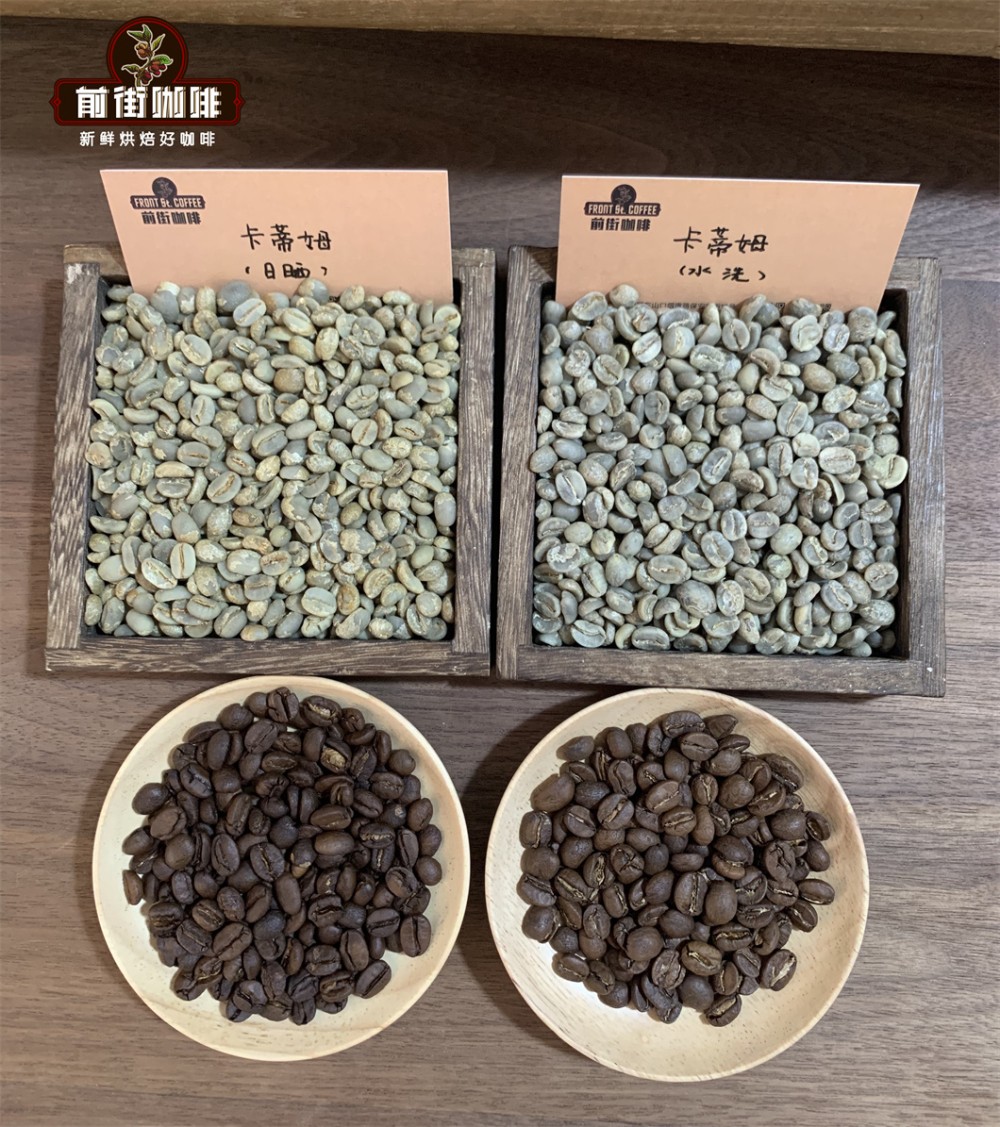
Washed Yunnan small-bean coffee often exhibits aromas of herbs, nuts, chocolate, and caramel, with a lingering hint of fruity acidity. Meanwhile, natural Catimor showcases multi-layered flavors of nuts, spices, plums, and caramel. To fully experience the charm of Yunnan coffee, it’s recommended to choose freshly roasted beans within five days of roasting and enjoy them within the 4 to 7-day resting period after receipt to achieve optimal flavor expression.
The above content is compiled by CoffeeHunters, a coffee news website.


