







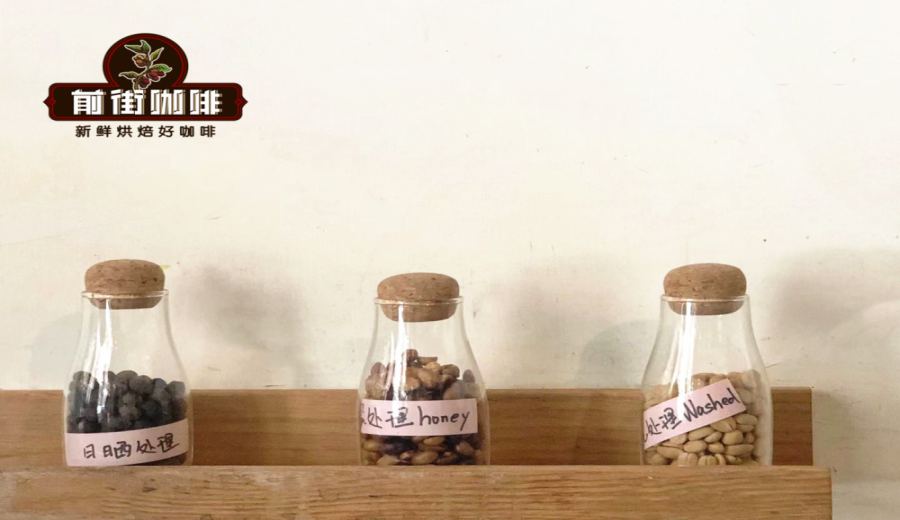
Introduction:The processing method of green coffee beans is the crucial first step that determines the flavor profile of a cup of coffee. This article provides an easy-to-understand yet in-depth analysis of the three mainstream techniques—natural (sun-dried), washed, and honey/pulped natural (including honey and skin-contact methods)—covering their principles, steps, and actual flavor expressions. It helps you understand how different processing methods shape a coffee’s balance of acidity and sweetness, intensity of fruitiness, and overall character, serving as a practical beginner’s guide to selecting beans and appreciating flavor differences.
The processing technique of green coffee beans is the primary factor influencing the final brewed flavor. From traditional sun drying to technical washed processing, and then to hybrid semi-dry methods, each approach leaves a unique flavor imprint on the beans. For example, natural processing can bring out intense fruity notes and fermented sweetness, washed processing highlights clean and bright acidity along with regional characteristics, while semi-dry methods (including honey and skin-contact) fall somewhere in between, using controlled mucilage retention to produce a diverse and captivating range of intermediate flavors.
The following sections will deeply explore the processing workflows, technical details, and typical flavor characteristics of these three major systems, supplemented with practical parameters to help readers gain a more comprehensive understanding of the science behind coffee bean processing.
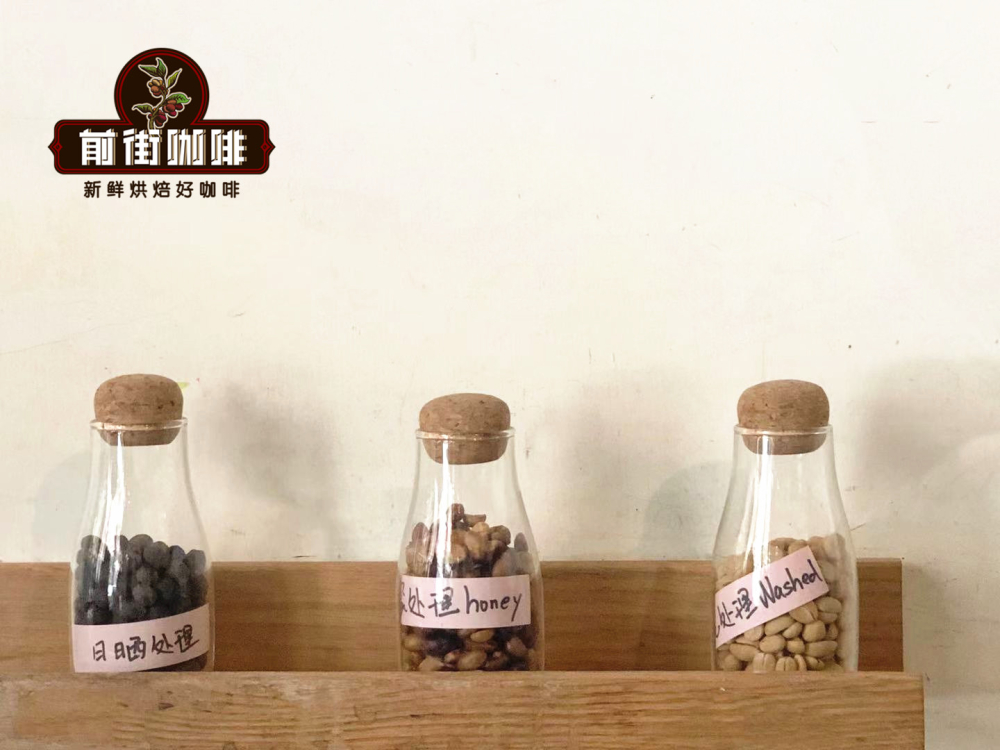
I. Natural Processing (Dry Process): Traditional Craftsmanship, Intense Fruitiness
Natural processing is the oldest and most traditional method of drying coffee beans, also known as the dry process. Its principle is quite simple: freshly harvested whole coffee cherries are directly placed under the sun to dry without removing the outer skin, pulp, or other layers, until the moisture content of the entire fruit drops to10.5% to 12% —the safe range for storage. In regions with dry climates and abundant sunshine, this method not only has low technical barriers but is also relatively energy-efficient. However, in case of rainy weather, mechanical drying equipment can be used as a supplement, though temperature and time must be strictly controlled to avoid mold or off-flavors.
Although the common practice is open-air sun drying, the more precise industry term is "dry processing," which encompasses all non-washed drying procedures. This technique is very common in major producing countries such as Ethiopia, Yemen, and Brazil, especially in regions where water is scarce. Generally, the sun-drying process takestwo to four weeks or even longer,during which temperature and humidity must be closely monitored to prevent excessively high bean temperatures or uncontrolled fermentation leading to undesirable tastes.
If mechanical drying is chosen, it can shorten the time and improve efficiency, but it often sacrifices some flavor nuances, and the energy and equipment costs are higher. Additionally, after drying, the coffee cherries usually retain all outer layers, and the husk is only removed by dry milling before export.
It is worth noting that the control of the drying environment and temperature directly affects the final flavor expression. For instance, if the weather is too dry and not properly regulated, the mucilage layer may dry out before it has a chance to ferment, resulting in a lack of fruity sweetness and fermented aromas—this is also a key reason why some Brazilian commercial-grade natural beans have relatively bland flavors. Conversely, by extending the drying cycle and managing temperature appropriately, mild fermentation can be encouraged, yielding rich and diverse fruity tones such as berries, tropical fruits, and caramel sweetness.
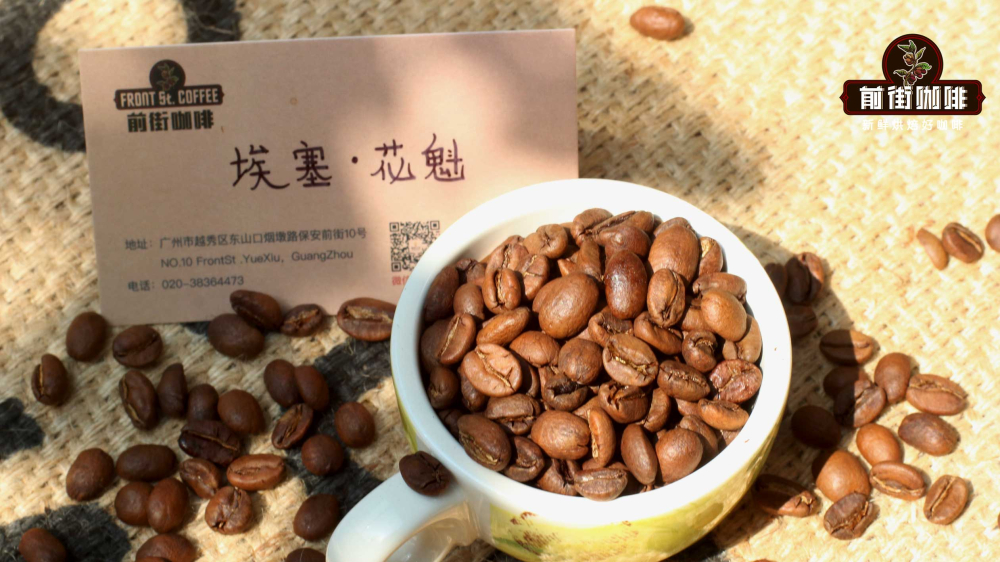
Cupping data shows that coffee beans processed through well-managed natural methods often exhibit complex layers of fruitiness and soft fermented sweetness, with smooth mouthfeel and high sweetness. It is recommended to try classic natural beans such as Huākuí (Flower Queen), Hóngyīngtáo (Red Cherry), and Feicuǐ Hóngbiāo Geisha (Emerald Red Label Geisha). These varieties, when well-processed, can fully showcase the charm of the natural method.
II. Washed Processing (Wet Process): Clean Acidity, Technology-Driven
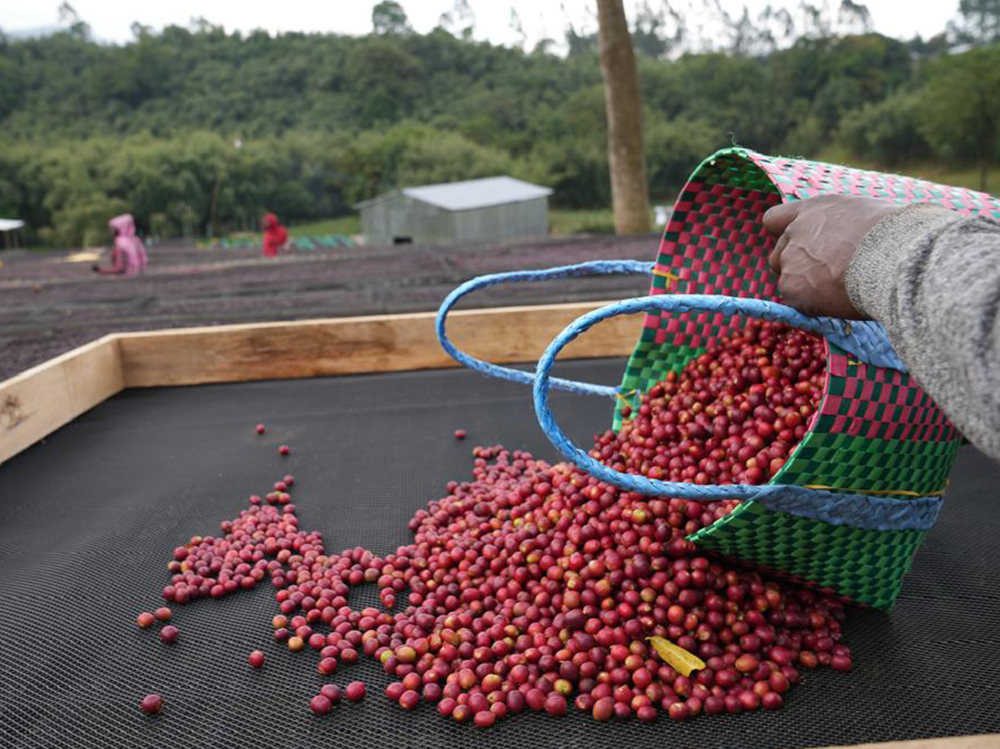
Washed processing, also known as the wet process, originated in the 18th century during the Dutch colonial period. The Dutch developed this technique in their Southeast Asian colonies (such as Java), where the climate was humid and sunlight unstable, to overcome the challenge of inconsistent sun drying. The process begins by removing the outer skin and pulp of the coffee cherry, placing the sticky, parchment-covered beans into water tanks for fermentation. Microorganisms break down the sugars and viscous substances in the mucilage, which is then thoroughly rinsed with clean water, followed by drying. Since the excess layers are removed, the overall drying time is significantly reduced.
The duration of the fermentation stage varies depending on environmental conditions, typically ranging from12 hours to 6 days,and is influenced by factors such as temperature, yeast activity, and processing methods. For example, Kenyan-style washed processing often involves multiple rounds of fermentation and washing, resulting in a longer overall process. Judging the right moment to finish fermentation is key to achieving pure flavor and high quality—under-fermented beans may retain residual mucilage, while over-fermentation can lead to unpleasant sour or spoiled notes.
Traditional washed processing consumes a large amount of clean water for rinsing, posing a certain burden on the environment. However, modern techniques have gradually improved, such as introducing water recycling systems or replacing excessive water usage with friction machines, effectively reducing water consumption. This has also led to the term "washed process" being increasingly replaced by the more accurate "wet process."
Coffee processed with this method tends to have clean and bright flavors due to the acidity released during mucilage fermentation penetrating the beans, coupled with the absence of interference from pulp and mucilage during drying. The acidity is clear and layered, making it particularly suitable for highlighting regional flavor characteristics. Cupping experience shows that washed beans have higher requirements for raw material quality and can distinctly reflect differences in coffee tree variety and growing environment. Recommended beans to try include Guodingding, Huahudie (Butterfly), and Kenya Xiaofanqie (Little Tomato)—these varieties processed through washed methods can showcase exceptional clarity and regional identity.
III. Semi-Dry Processing Method: A Middle Ground, Diverse Flavors
Semi-dry processing is a compromise technique between natural and washed methods, with common forms including pulped natural and honey processing. Both start by mechanically removing the outer skin and pulp of the coffee cherry but skip the fermentation and water-rinsing steps of the washed process, proceeding directly to sun drying. Though they may seem similar, the final flavors differ significantly depending on whether the mucilage layer is retained, which is worth explaining further.
(A) Pulped Natural Method
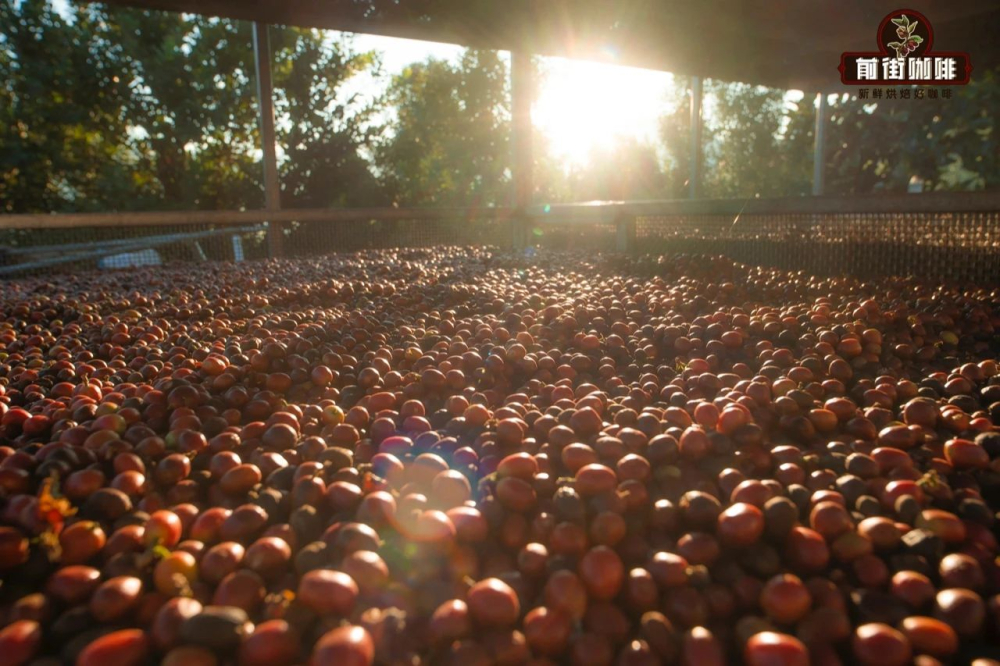
The pulped natural method originated in the 1980s and 1990s, developed by the Brazilian equipment manufacturer Pinhalense. Its core technology involves using a depulper to precisely extract the seeds and then a high-pressure washer to remove most of the mucilage, leaving a small amount of remaining tissue on the parchment-covered beans, which are then directly sun-dried. The biggest advantage of this method is its water usage, which is far lower than that of washed processing, making it suitable for arid regions such as Brazil’s Cerrado. The resulting coffee beans typically exhibit profiles of cream, nuts, and soft sweetness, with relatively simple but stable and consistent flavors.
Since the fermentation step is omitted, the range of flavor variation in this method is limited, so it is less commonly used for high-quality specialty beans. However, its technical characteristics make it an important processing choice in water-scarce areas and are regarded as one of the representatives of the semi-washed method.
(B) Honey Processing Method (Miel Method)
The honey processing method evolved from the pulped natural approach and is widely favored in Costa Rica, El Salvador, and Central American producing regions, gradually spreading globally. Its name comes from the deliberate retention of part of the mucilage (commonly referred to as "honey") during drying. This mucilage ferments under sunlight and penetrates the beans, imparting additional sweetness and slight acidity. The amount of mucilage retained affects the final flavor. Some processors label the proportions such as 40%, 60%, 80%, or 100%, but the exact ratios are difficult to quantify precisely.
Currently, a more common classification is based on the color of the dried beans, such as black honey, red honey, yellow honey, and white honey. The more mucilage retained, the darker the bean color, and the flavor becomes closer to that of traditional natural beans. For example, Blackberry is a classic black honey processed bean, retaining a large amount of mucilage before drying. When brewed, it presents a complex array of intense floral, berry, raisin, blackberry, and dark chocolate notes, with outstanding sweetness and fruity expression.
Beyond these mainstream processing methods, many producing regions have also developed innovative techniques adapted to local climates and resources. For instance, Sumatra in Indonesia, with its humid and rainy climate, developed the unique wet-hulled (Giling Basah) method: the parchment-covered beans are briefly sun-dried before the husk is prematurely removed, leaving only the inner green beans to continue drying. This method significantly shortens drying time, reduces mold risk, and imparts special aromas such as spices, herbs, and pine, suitable for medium to dark roasting to highlight caramelized flavors—with Mandheling being a classic representative of this technique.
The above content is compiled by CoffeeHunters, a coffee news website.


