







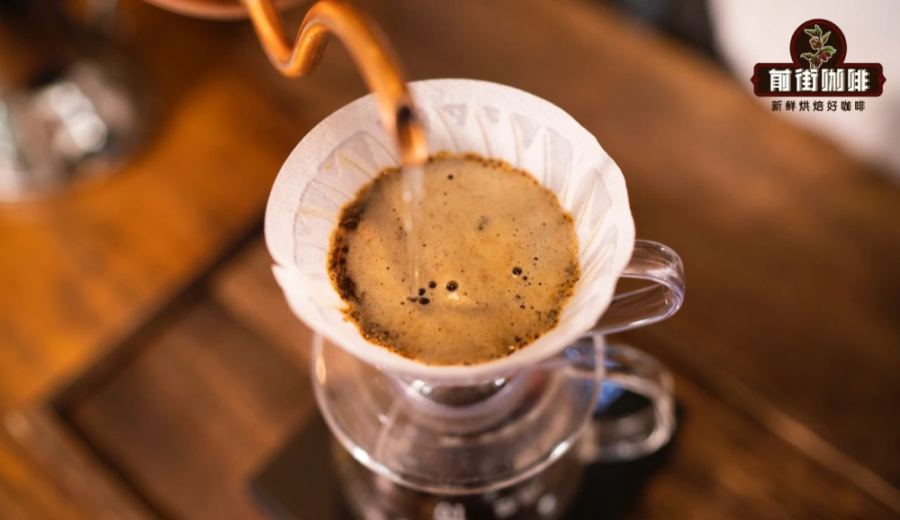
Introduction:For those who value convenience yet still want to enjoy the authentic taste of coffee, drip bags, French presses, and moka pots are highly practical choices. These three brewing tools are simple to use, require no complex techniques, and can still highlight the unique flavor profiles of coffee beans. This article provides a detailed breakdown of their brewing processes, key parameters, and suitable bean types, along with practical tips to help you consistently brew a rich and layered cup of coffee.
In the world of coffee, while pour over is often the first choice for many enthusiasts, it demands higher precision in parameters and technique, making it less beginner-friendly or convenient for daily use. In contrast, drip bags, French presses, and moka pots not only offer intuitive operation but also showcase the inherent characteristics of the coffee beans—making them excellent options for those seeking both convenience and flavor.
Drip bags, as the name suggests, come pre-packaged with ground coffee enclosed in a filter paper pouch equipped with two "ears" for hanging. Simply pour hot water through, and you can enjoy a freshly brewed drip coffee. Their standout feature is portability; no extra equipment is needed—just hot water and a cup, allowing you to enjoy a pour over-like coffee experience anytime, anywhere.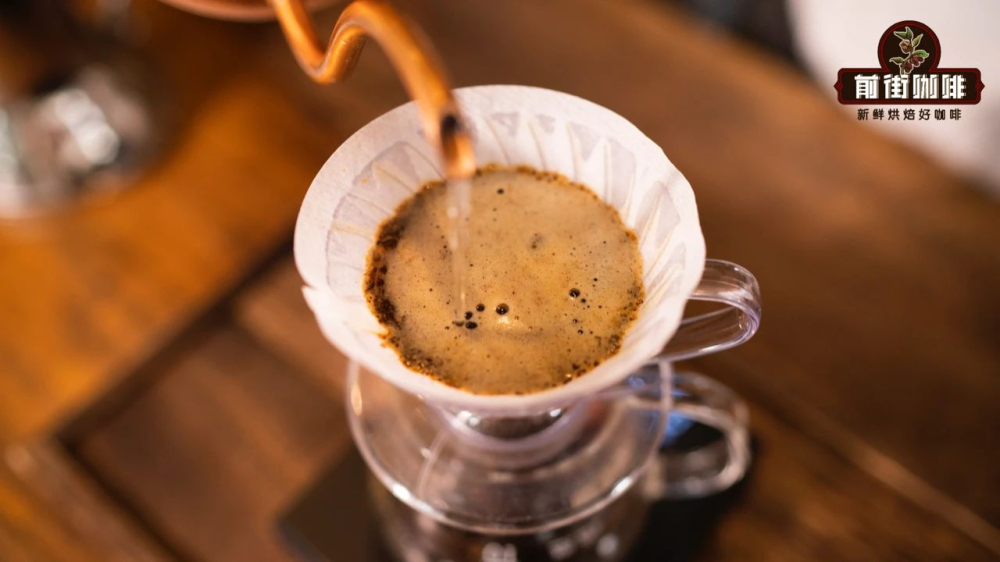
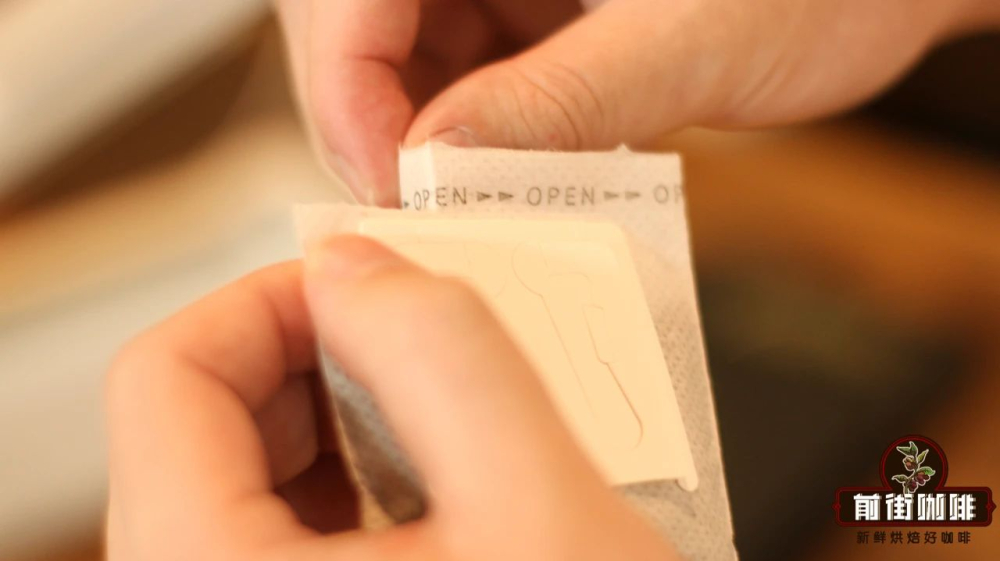
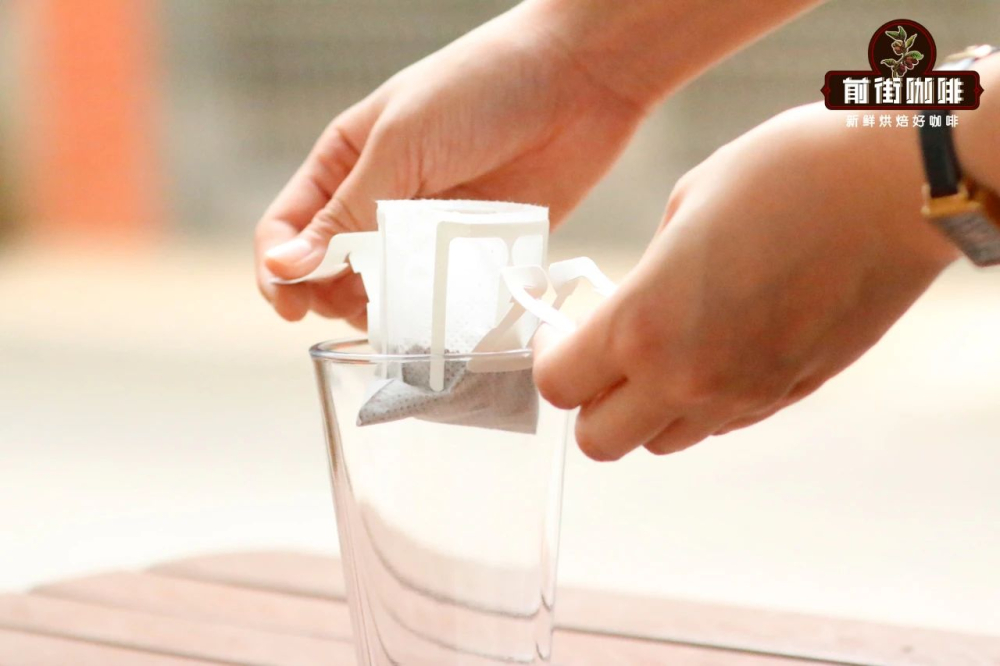
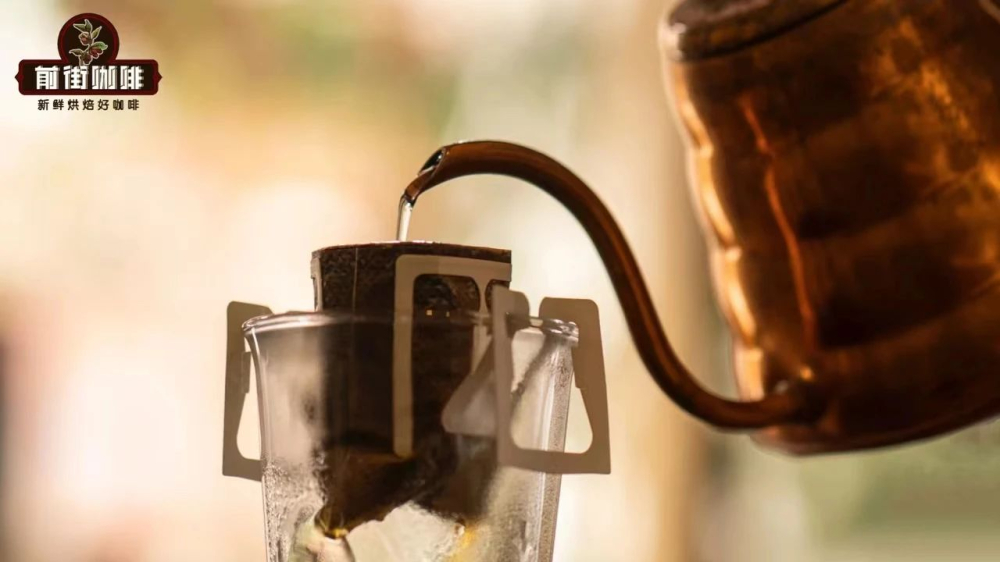
When using a drip bag, first carefully open the package along the indicated tear line to avoid damaging the filter. Next, shake the pouch flat, tear open the coffee powder seal, and evenly spread out the two “ears” before hanging them securely over the rim of your cup. It’s recommended to use purified water. After boiling, let it sit for about one minute to cool down to around 90–93°C, which is the ideal extraction temperature for most coffees. Then pour the hot water steadily into the drip bag, controlling the flow rate to prevent overflow. Allow the coffee to drip until the pouch is about 70% full—or adjust based on your personal taste preference. Once done, gently remove the pouch and enjoy immediately. You may add sugar or milk according to your taste.
The French press, also known as a plunger pot, originated in 19th-century France. It’s a simple brewing device that combines a heat-resistant glass carafe with a metal mesh filter and remains widely popular to this day. This brewing method is considered one of the closest to professional cupping techniques, effectively extracting the oils, aromas, and rich body of coffee. It's ideal for those who prefer a bold and full-bodied flavor.
It’s recommended to use medium to dark roasted single-origin beans, or beans with pronounced fruity acidity. The grind size should be medium, roughly around 5–6 on a grind chart, with a texture similar to coarse sugar.. Based on practical references, the grind’s sieve percentage typically falls between 65–70%, slightly coarser than pour over, helping to avoid over-extraction and sedimentation. A general recommendation is a 1:10 coffee-to-water ratio, such as 20 grams of coffee grounds to 200 grams (approximately 200 milliliters) of water, with a brewing time of about 3–4 minutes. After pouring the hot water, allow the coffee grounds to bloom fully before stirring. Then cover the press with the lid but do not press down the filter just yet. Once the time is up, skim off any foam and fine particles from the surface, then slowly and steadily press the filter down to separate the coffee liquid from the grounds. It’s best to pour the coffee into your cup immediately to prevent over-extraction due to continued heating.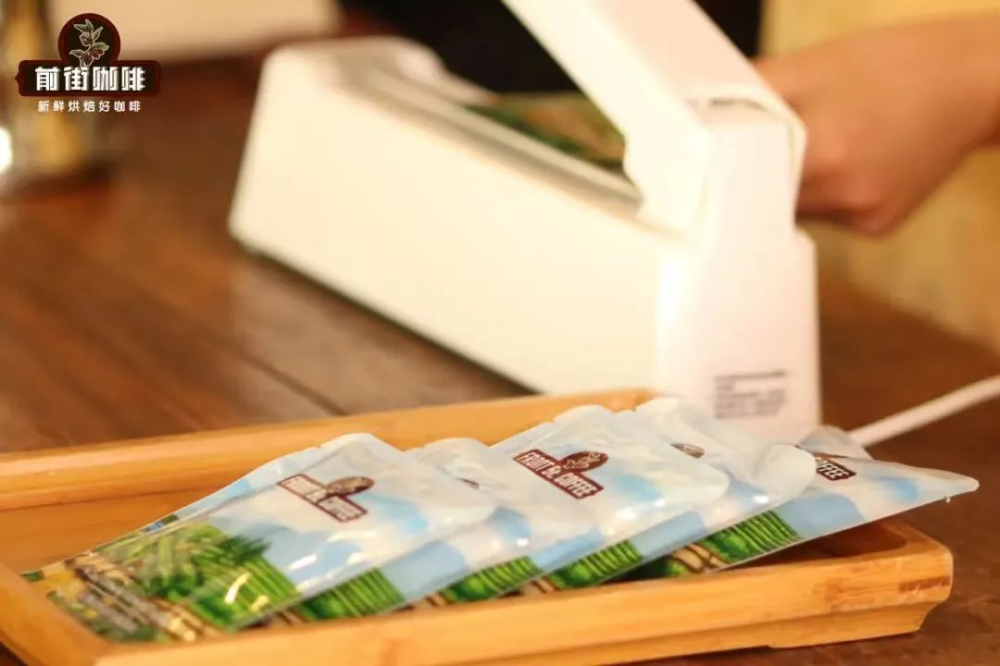
Additionally, when using a French press, it’s advisable to use a digital scale to accurately measure the ratio and amount of coffee grounds, especially if you want to replicate a previously satisfying brew—the recorded parameters will be key. Water quality is also important; filtered soft water is recommended to avoid negatively affecting extraction performance and taste. For a twist, you can even use a French press to froth milk and make coffee with milk, adding another layer of enjoyment.
Finally, there’s the moka pot—an iconic stovetop espresso-style brewing device that uses steam pressure generated by heat to push water through coffee grounds, extracting a rich, crema-topped coffee liquid. It’s perfect for those who enjoy strong, intense coffee flavors. The moka pot consists of three parts: the bottom chamber, the coffee chamber (filter basket), and the top chamber, combining a simple design with striking mechanical aesthetics.
The moka pot generally works best with a grind size slightly coarser than espresso but finer than pour over—roughly akin to the texture of fine sugar. The goal is to allow water to pass evenly through the coffee bed without dripping too quickly.It’s recommended to use dark roasted beans, which can better bring out the rich, caramelized aromas.To brew, start by filling the bottom chamber with purified water, keeping the water level about 0.5 centimeters below the safety valve. Then add the coffee grounds to the filter basket, leveling them into a small mound, and use a distribution technique to ensure an even surface. Place the filled basket into the bottom chamber, tightly assemble the upper and lower sections, and place the moka pot on a heat source (such as a stove or electric burner) over high heat.
Once you hear a distinct “wuu wuu” sound, it means the pot has built up sufficient steam pressure. At this point, reduce the heat and open the top chamber to observe the extraction. When the coffee begins to flow and reaches about halfway up the top chamber, turn off the heat and let the residual heat finish the brewing process. Carefully pour out the coffee—you can dilute it with hot water to adjust strength or combine it with milk to make drinks like lattes. The moka pot offers a fast and intense extraction, well-suited for fans of espresso-style coffee.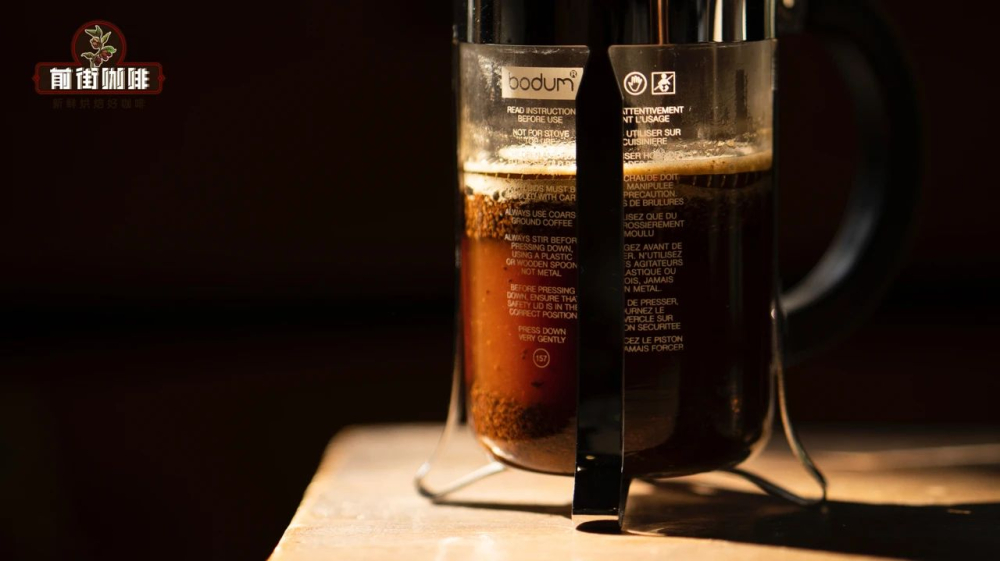
The above content is compiled by CoffeeHunters, a coffee news website.


