







Introduction:Blue Mountain coffee is renowned for its rarity and delicate flavor profile, yet the market is flooded with a wide variety of “Blue Mountain blends” and “Blue Mountain-flavored” products. How should authentic Blue Mountain coffee be blended? This article delves into the blending logic behind Blue Mountain composite beans, introduces the geographical environment of the Blue Mountain growing region, the characteristics of the coffee varieties, and the rigorous grading system. It also provides professional-grade pour over parameters and flavor profiles to help you gain a deeper understanding of this classic product, hailed as the “sapphire of coffees.”
Blue Mountain coffee, with its unique flavor and exceptional quality, has become the dream choice for coffee lovers around the world. However, commonly found “Blue Mountain-flavored coffee” or “Blue Mountain blend coffee” often confuse consumers. What exactly is true Blue Mountain coffee? What are its blending ratios and principles? This article will provide a detailed analysis of the blending strategy for Blue Mountain composite coffee beans, and guide you through a comprehensive understanding of this precious coffee—from its origin background, varietal characteristics, grading standards to practical brewing recommendations.
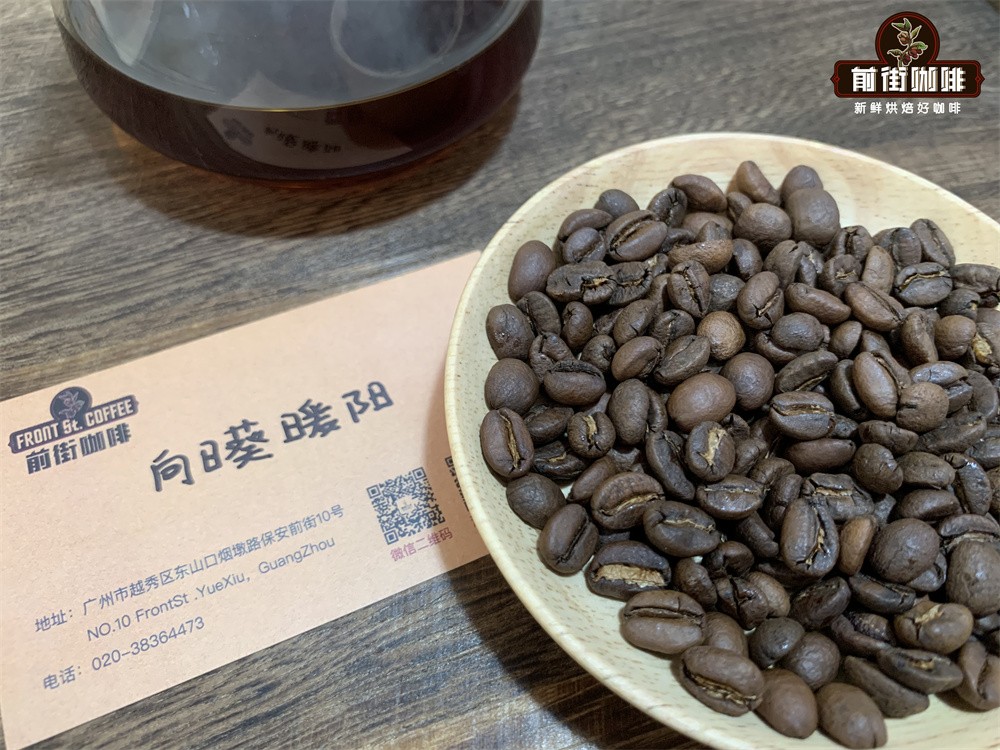
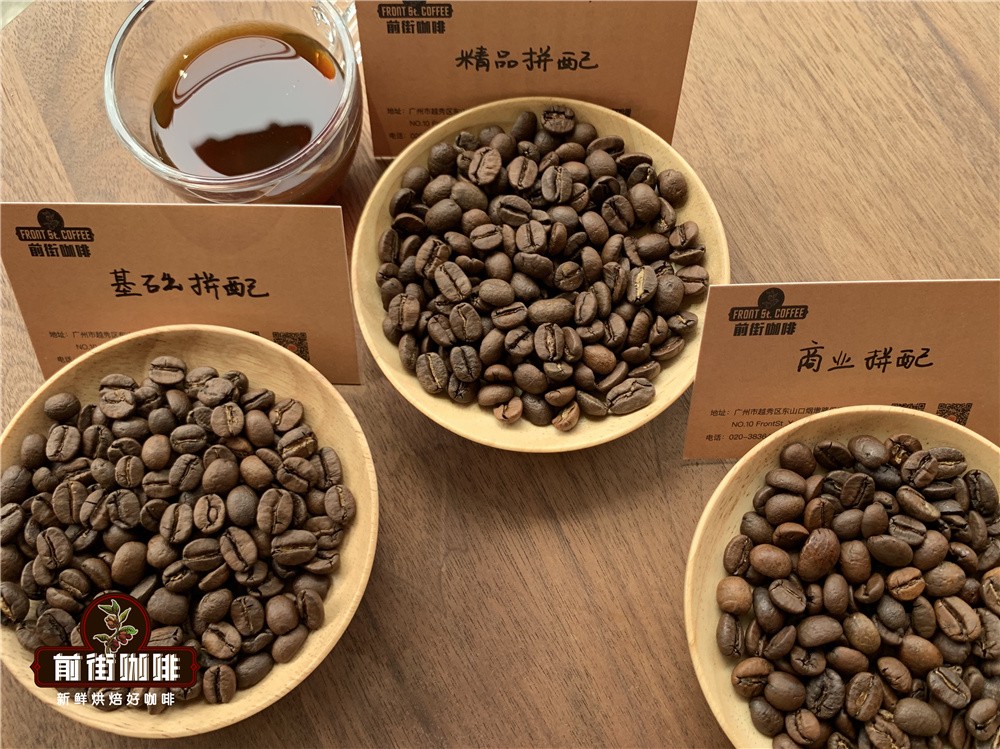
The so-called blended coffee refers to the mixture of two or more types of coffee beans in specific proportions to achieve a balanced flavor or cost-efficiency goal. Blending can be divided into green bean blending and roasted bean blending, and some coffee brands primarily use the latter method. For example, their Sunflower Warm Sun Blend combines Honduran Sherry with sundried Yirgacheffe Red Cherry in a 7:3 ratio, showcasing a rich and layered taste. The advantage of roasted blending is that it allows the beans to integrate flavors more thoroughly after roasting, and also makes it easier to control the final extraction results.
When blending, it is recommended to avoid a 1:1 equal proportion, as this may cause the flavors of the two beans to cancel each other out. The ideal approach is to have a clear primary and secondary structure, using one bean variety as the base and complementing it with others for flavor adjustment. If you want to create a more complex flavor profile, you can appropriately reduce the proportion of the main bean; conversely, if you wish to highlight a particular characteristic flavor, you can increase the proportion of the main bean. Such flexible blending can create a composite coffee that better suits personal taste or market demand.
The rarity of Blue Mountain coffee is inseparable from its growing conditions. The Blue Mountains are located in the eastern part of Jamaica, named for their majestic mountain scenery and the unique blue-tinted light created by the interaction of sea and sky. This region lies within the coffee belt and benefits from fertile volcanic soil, abundant rainfall (averaging about 1,980 mm per year), and a cool, foggy climate year-round (average temperature around 27°C). Coupled with the high altitude environment (with the highest peak reaching 2,256 meters), these factors contribute to the delicate and multi-layered flavor characteristics of Blue Mountain coffee.
The planting area of Blue Mountain coffee is limited, occupying only a very small portion of the entire island of Jamaica, which is why its production is extremely scarce. The coffee variety grown here is mainly the ancient Arabica Typica, which, while possessing an elegant flavor and rich body, is weak in disease resistance and low in yield, requiring more labor-intensive care. In addition, its unique growing environment gives Blue Mountain coffee an unparalleled expression of balanced acidity and sweetness, smooth body, and a long-lasting aftertaste.
The Clifton Estate is one of the most representative coffee farms in the Blue Mountain region, with a history dating back to the mid-18th century. This farm is not only the oldest surviving coffee-growing area in Jamaica but also holds the “Rainforest Alliance” certification mark, making it a premium representative origin of Blue Mountain coffee. According to survey records from 1810, the then owner Robert Hamilton divided Clifton Mountain into the mountaintop and foothill areas, planting different proportions of coffee and pasture respectively, demonstrating a refined tradition of agricultural management.
The Jamaican government established the Coffee Industry Board (CIB) in 1953, dedicated to overseeing coffee quality and establishing strict origin certification and export standards. All exported Blue Mountain coffee must be certified by the CIB and inspected by a professional quality control team to ensure it is 100% from the Blue Mountain region. Moreover, Blue Mountain coffee is one of the few coffees shipped in wooden barrels and bearing the Rainforest Alliance Frog Seal certification, further guaranteeing the authenticity and traceability of its origin.
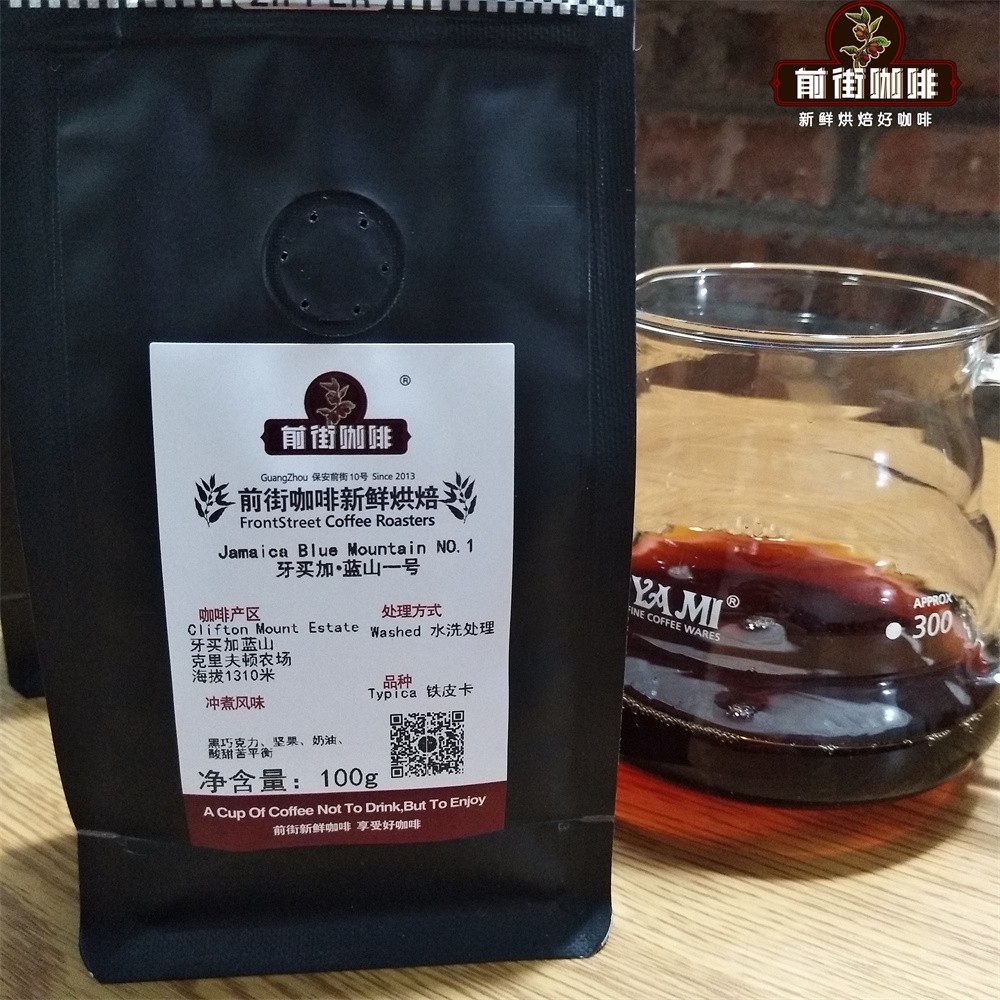
Blue Mountain coffee is graded into multiple levels based on the size of the green beans, defect rate, and moisture content. The highest grade is Blue Mountain No. 1, where the green beans must be 17–18 mesh, with a defect rate below 3% and a moisture content of about 13%. This grade not only features uniformly plump beans in appearance but also achieves the pinnacle in flavor performance. A well-known brand selects its Blue Mountain No. 1 from the Clifton Estate, undergoing rigorous screening and cupping to ensure each bean meets high standards.
In addition to Blue Mountain No. 1, the Blue Mountain region also produces High Mountain coffee and Jamaica Prime coffee. Though these coffees also come from high-altitude areas, their flavors and prices vary due to differences in microclimate and processing methods. Blue Mountain No. 1, due to its scarcity and high quality, is hailed as Jamaica’s national treasure-level coffee and is considered a top-tier specialty by many coffee professionals.
Blue Mountain coffee primarily uses the Typica variety, one of the oldest Arabica types, known for its pure and elegant flavor. Typica trees are tall with reddish-copper leaves, hence nicknamed “red-top coffee.” Although it is weak in disease resistance and low in yield, it can exhibit an exceptionally balanced acidity and sweetness with a delicate mouthfeel. Jamaican Typica, through long-term adaptation, has developed stronger disease resistance, especially in resisting coffee berry disease.
In terms of processing methods, Blue Mountain coffee can be divided into washed and natural (sun-dried) processes. The washed process, through steps such as floatation, pulping, fermentation, washing, and drying, effectively reduces the defect rate and highlights the coffee’s intrinsic aroma and cleanliness. This method preserves the delicate flavors of Blue Mountain coffee, resulting in a smoother and more layered taste. A well-known brand uses washed Blue Mountain No. 1 to ensure each cup showcases its classic flavor.

When brewing Blue Mountain coffee, it is recommended to use a KONO filter, with a water temperature of 88°C, a 1:15 coffee-to-water ratio (e.g., 15 grams of coffee grounds to 225 milliliters of water), and a medium-fine grind size passing through a 20-number sieve at 75%. Specifically, a three-stage extraction method can be employed: start with a 30-second bloom using double the amount of coffee grounds (about 30 grams) to release CO₂; then pour in water up to 125 grams in a slow stream before moving to the next stage, continue pouring until reaching 225 grams, then stop. The total extraction time is about 2 minutes. These parameters fully bring out the richness and sweetness of Blue Mountain coffee, along with its classic dark chocolate and caramel notes.
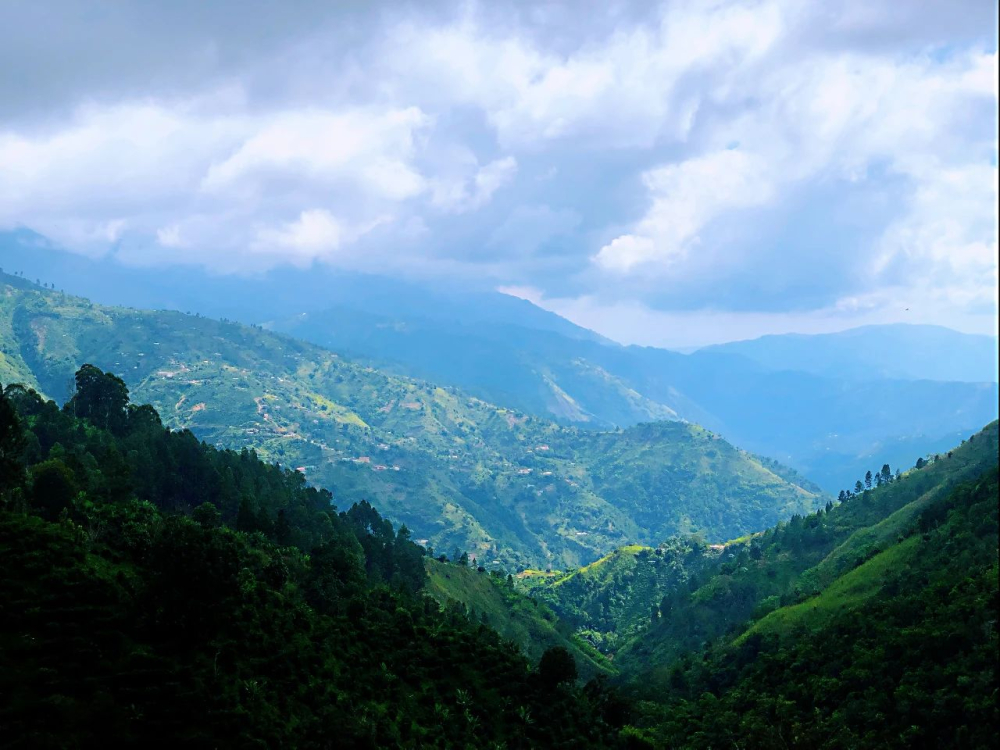
The flavor characteristics of Blue Mountain No. 1 coffee include a gentle acidity, distinct dark chocolate richness, and caramel sweetness. The overall mouthfeel is rich and balanced, with a long-lasting aftertaste. This flavor combination is one of the key reasons why Blue Mountain coffee is so highly regarded. It is recommended to use freshly roasted coffee beans when brewing (ideally within 5 days post-roast), and allow the beans to degas for 4–7 days to achieve the best flavor expression.
If choosing pre-ground coffee for brewing, it is advised to use it immediately to avoid oxidation affecting the flavor. However, if you prefer the convenience of storage, you can also purchase whole beans and grind them yourself, which allows you to experience the full delicacy and layering of Blue Mountain coffee. Though Blue Mountain coffee is precious, the world of coffee is rich and diverse—don’t hesitate to try single-origin beans from other regions to explore the surprising flavors brought by different terroirs.
The above content is compiled by CoffeeHunters, a coffee news website.


