








Introduction:Explore the distribution of smallholder coffee-growing regions in Yunnan, China, and the evolution of its main coffee varieties. Delve into the flavor differences between Typica and Catimor, and understand the key factors influencing quality through actual cultivation and processing practices. This article uses a Yunnan sun-dried Typica from Lincang as an example to provide professional-level roasting suggestions and pour over parameters, helping you fully experience the unique flavor of Yunnan coffee—rich yet refreshingly bright.
As an important birthplace of specialty coffee in China, Yunnan boasts multiple distinctive growing regions including Pu’er, Baoshan, Dehong, Lincang, and Xishuangbanna. Each area, due to differences in terrain, altitude, and microclimate, produces coffee beans with vastly different flavor profiles. From the introduction of the first coffee tree by French missionaries over a century ago to today’s dominance of Catimor as the primary variety, the development history of Yunnan smallholder coffee is also a story of agricultural adaptation and innovation.
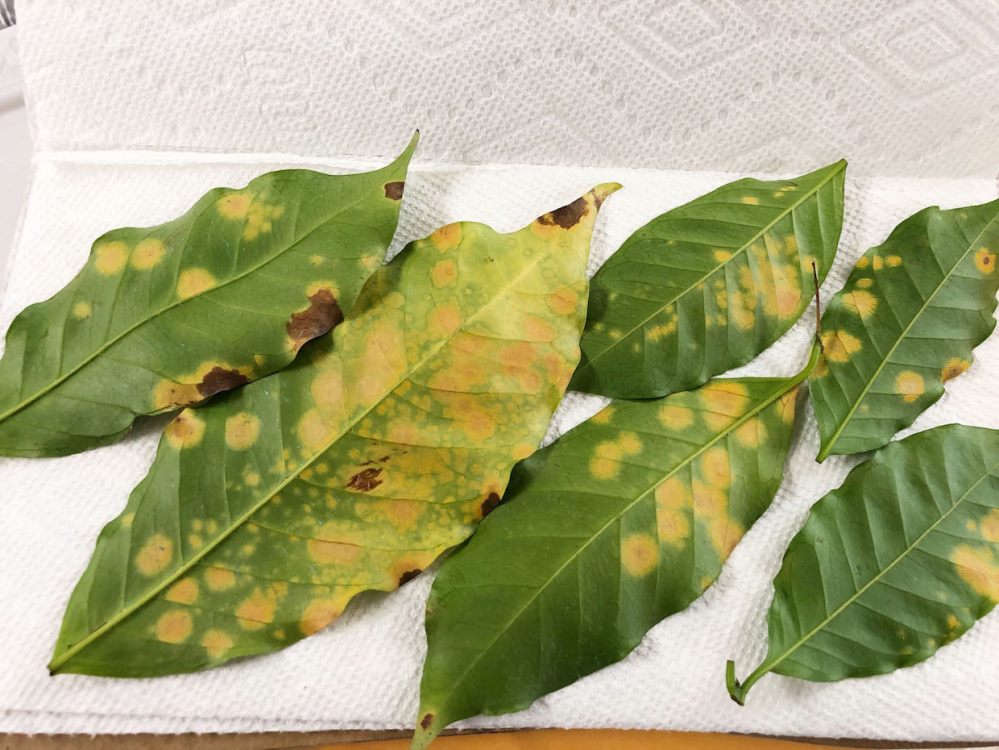
 In the early days, most coffee planted in Yunnan was purebred Arabica introduced from Myanmar. However, faced with the threat of coffee leaf rust, local growers gradually shifted to the disease-resistant Catimor variety. This move not only stabilized yields but also laid the foundation for Yunnan’s current coffee industry. While Catimor offers advantages in yield and disease resistance, it is often considered inferior in flavor complexity compared to traditional varieties. In contrast, Typica is cherished by many specialty coffee enthusiasts for its elegant acidity and fruity notes.
Yunnan’s overall geographical environment is exceptionally well-suited for coffee cultivation, with high altitudes, mild climates, abundant rainfall, and diverse soils—all meeting the conditions of the “coffee golden belt.” From north to south, each producing area exhibits distinct flavor characteristics even within the same variety, owing to microclimatic variations. For instance, the high altitude and significant diurnal temperature range in Lincang help coffee cherries accumulate richer flavor compounds.

Among the many practitioners of Yunnan coffee, one brand’s estate in Lincang stands out as a case worth exploring. The种植 team here adheres to ecological diversity by intercropping coffee trees with tall shade plants, simulating a natural environment. This approach reduces direct sunlight exposure while stabilizing the ripening rhythm of the coffee cherries. Such meticulous management is one of the foundations for producing high-quality coffee.
This estate focuses on sun-dried Typica, one of the most traditional Arabica varieties. Compared to the widely planted Catimor, Typica offers more delicate aromas and acidity, but has lower yields and higher requirements for cultivation and harvesting. Cupping data shows that Typica maintains clear fruity notes even as the temperature drops, whereas Catimor tends to develop undesirable herbal or earthy aftertastes—a reason many cuppers prefer Typica.
In terms of processing, the brand adopts a sun-drying technique akin to African raised beds for red cherries. Ripe, vibrant coffee cherries are carefully selected and evenly spread on elevated drying beds, turned regularly to ensure even heat exposure, allowing for full fermentation and the concentration of natural fruit aromas. This method enhances the beans’ aromatic intensity and imparts a rounder sweetness and fuller body to the coffee. Compared to typical washed or traditional sun-dried methods, this approach better highlights notes of dried fruit, honey, and black tea.
For roasting strategy, the brand opts for a medium roast to balance the bean’s acidity and sweetness while preserving the nuances of its innate flavors. For pour over enthusiasts, it is recommended to use a Hario V60 filter, with water at 87°C, a brew ratio of 1:15, and grind size set to 75% extraction through a standard Chinese No. 20 sieve—that is, a medium-fine grind—to help bring out layered aromas and textures.
In practice, it is advised to start with a 30-gram bloom using hot water for 30 seconds to initiate gas release and aromatic compound liberation from the coffee grounds. Then, pour slowly in a circular motion from the center outward with a thin stream, pausing at 125 grams, then continuing until reaching 225 grams total. The total extraction time should be controlled around 2 minutes. This brewing process effectively minimizes risks of over-extraction or under-extraction, achieving the optimal balance of sweetness, richness, and clarity in the coffee’s profile.
It should be noted that freshly roasted coffee beans typically have a 4 to 7-day resting period after leaving the roastery. However, if you notice a lack of flavor or throat dryness upon opening, it may be due to residual carbon dioxide in the bag. Extending the resting time appropriately or ensuring a thorough blooming phase can significantly improve extraction performance, allowing the fruity, nutty, and black tea notes of Yunnan smallholder coffee to fully shine.
The above content is compiled by CoffeeHunters, a coffee news website.


