








Introduction:From Panama’s Hacienda Esmeralda to Ethiopia’s Gesha Village, how did Gesha coffee evolve from a wild forest variety to the pinnacle of specialty coffee? This article provides an in-depth analysis of the Gesha grading systems in these two major regions, comparing key batches such as Red Label, Gold Label, and auction lots in terms of growing altitude and processing differences. It also offers pour over brewing recommendations and flavor profiles to help you select your ideal beans with precision.
In the world of specialty pour over coffee, Gesha has always been a classic variety that seasoned coffee enthusiasts can’t overlook. This coffee genetic treasure, originating from Ethiopia, rose to international prominence after being discovered by Panama’s Hacienda Esmeralda. Today, Ethiopia’s native Gesha Village Coffee Estate sets a global benchmark for farm quality through its use of heirloom genetics and rigorous grading. This article will take you through the migration journey of Gesha—from forest to cup—and analyze the grading logic of two renowned estates, as well as decode the flavor profiles of different batches.
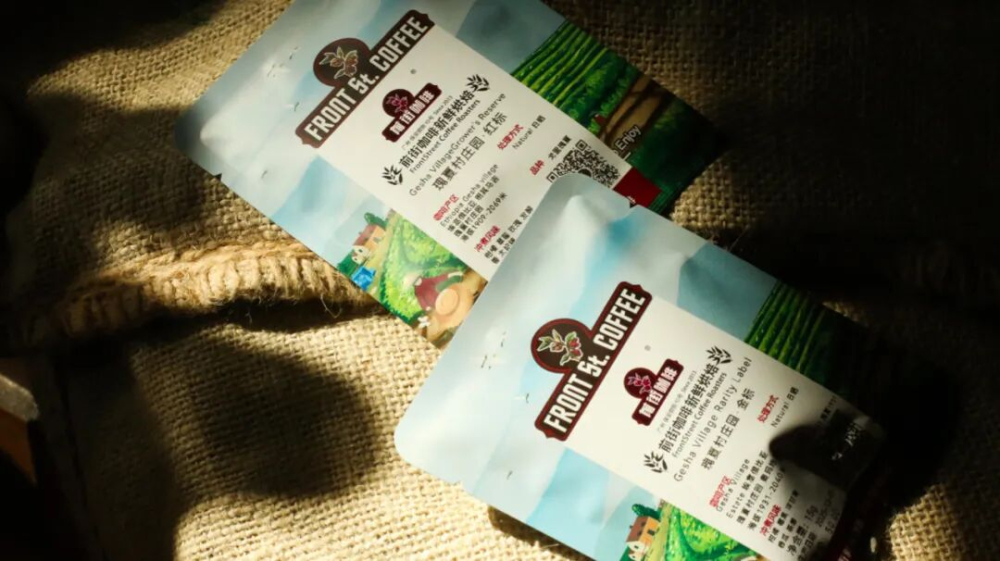
The story of Gesha began in 1931, when botanists discovered this unique variety in the Gesha forest in southwestern Ethiopia. After traveling through Kenya, Uganda, and Tanzania, it was finally introduced to Panama in the 1970s. But due to its low yield and challenging cultivation, Gesha didn’t receive much attention until the owner of Hacienda Esmeralda discovered its exceptional flavor—rocketing to fame with a championship win in 2004 and rewriting the history of specialty coffee ever since.
Panama Hacienda Esmeralda: The Benchmark of Grading
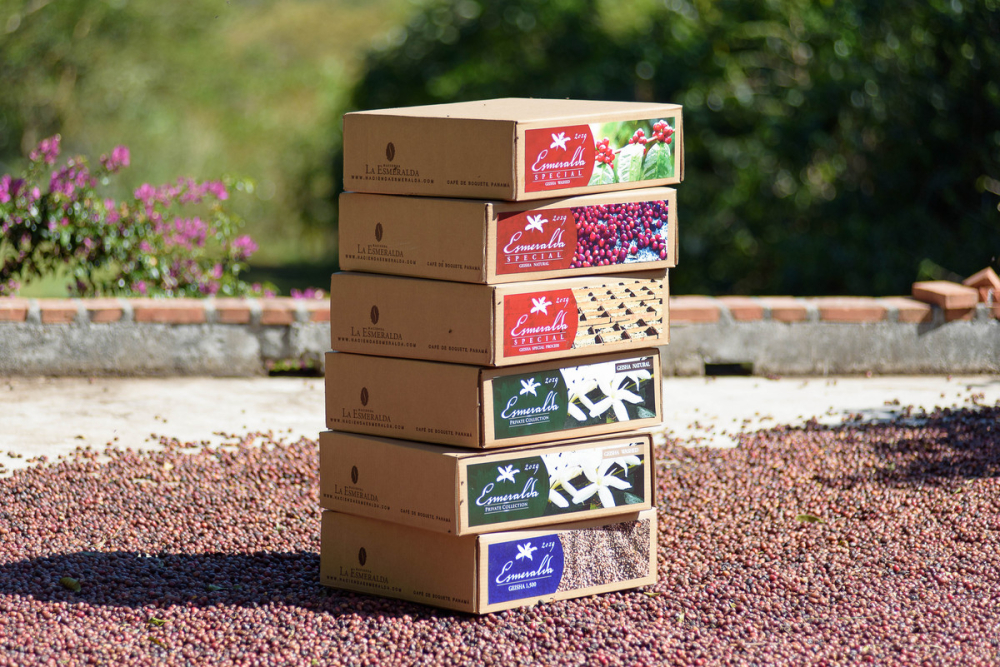
When it comes to Gesha, Hacienda Esmeralda is a name that cannot be ignored. Through strict control of growing altitude (1600–1800 meters), an independent auction system, and plot-based classification, the estate has established the classic grading of Red Label, Green Label, and Blue Label. Among them,Red Label Gesharequires a cupping score of 90 or above, sourced from the Jaramillo and Canas Verdes sub-farms, and must go through the estate’s independent auction selection (non-auction versions share the same origin but are more affordable). Typical flavor notes include bright citrus tones, layered fruit aromas, honey-like sweetness, and a long-lasting floral-tea finish.
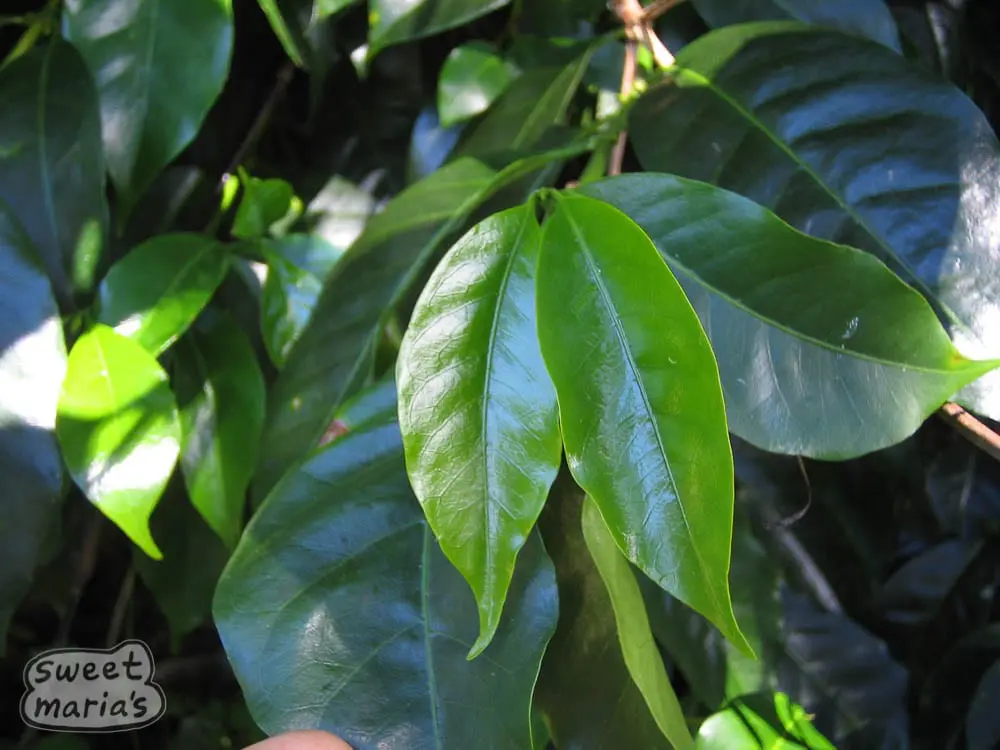
Ethiopia Gesha Village Coffee Estate: Exploring the Heirloom Origins
The birth of Gesha Village Coffee Estate originated from a documentary project. In 2007, director Adam Overton and photographer Rachel Samuel were documenting coffee culture in Ethiopia’s Bench Maji region when they unexpectedly discovered the unique potential of the local Gera forest. In 2011, inspired by coffee competition judge Willem Boot, they found wild Gesha trees in the Gori Gesha forest and subsequently established the estate, cultivating three core varieties: Gesha1931 (closest to Panama’s Gesha), Gori Gesha (from the original wild forest), and Illubabor (a disease-resistant, high-yield Ethiopian heirloom variety).
Covering an area of 471 hectares with 320 hectares dedicated to coffee cultivation, the estate features nutrient-rich reddish-brown loamy soil and maintains a planting density of 7,000 trees per hectare. ItsGold Label batchaccounts for only 10% of annual production, generally scoring above 90 in cupping tests. A 2018 World Barista Championship competitor used this batch to claim the title. The flavors are complex, often blending citrus, lemon, tropical fruits, and nuts, with a tea-like finish and creamy texture.
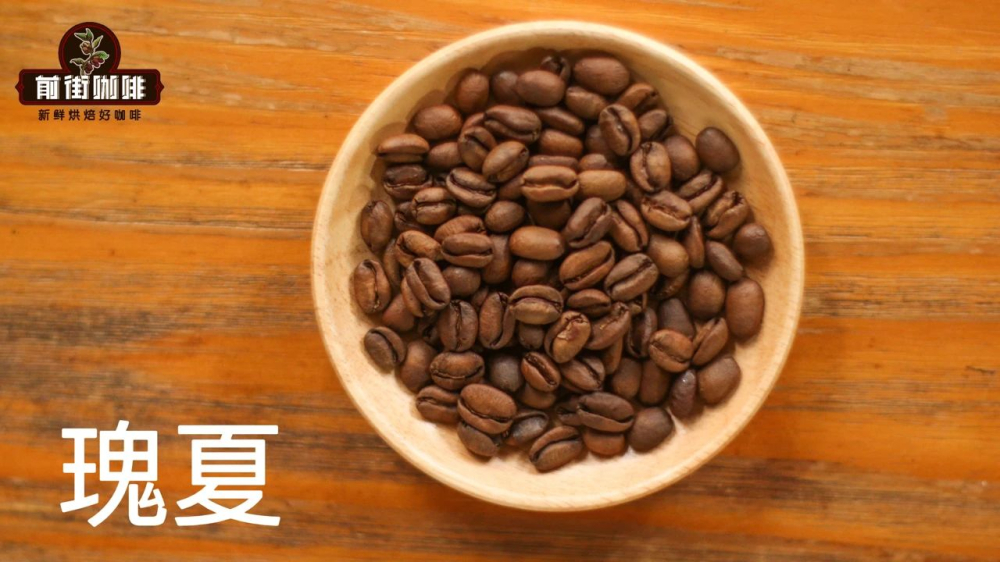
Comparison of Grading Systems Between the Two Regions
Hacienda Esmeralda’s grading focuses on auctions and private collections, emphasizing plot differences and auction scarcity. Meanwhile, Gesha Village Coffee Estate draws inspiration from the Panamanian model to form aAuction batch (3.7% of annual production, cupping scores 88.15–92.67),Gold Label (10%, flavors close to auction lots),Red Label (15%, meeting SCA 88-point standard), andChaka blend (a mix of three varieties)system. Among them,Red Label Gesha(Gori Gesha variety) is grown at altitudes of 1909–2069 meters and, after natural processing, exhibits warm notes of coconut, licorice, and toffee;Chaka batchfeatures a balanced profile of citrus, grapefruit, and chocolate-caramel, suitable for consumers who prefer a harmony of fruity aroma and sweetness.
Pour Over Brewing Recommendations and Flavor Pairings
Due to Gesha’s high acidity and delicate aromatics, it is recommended to use a V60 or Kalita Wave dripper, with a brew ratio of 1:15 to 1:16 and water temperature controlled at 90–93°C. The grind size should be medium-fine (75%–80% passing through a Chinese standard No. 20 sieve). During step brewing, pay attention to the rhythm of the first pour to avoid over-extraction that could lead to bitterness. For example,Red Label Geshahighlights citrus and floral notes well with a shorter bloom time of around 30 seconds;Gold Label batches, with their rich oils, benefit from an extended drip time of over 2 minutes and 30 seconds to fully develop their tea-like finish.
Whether you’re a collector seeking auction-level exclusivity or a hobbyist looking for high-value everyday pour over options, Gesha’s diverse offerings can meet a variety of needs. Understanding regional terroir, grading standards, and processing differences will help you make more informed choices when selecting your coffee beans.
The above content is compiled by CoffeeHunters, a coffee news website.


