







Introduction:Civet coffee (commonly known as "cat poop coffee") is highly recognized but also highly controversial due to its production method. This article delves into the traditional processing steps of Indonesian civet coffee, explores the background of its varieties, discusses its true flavor characteristics and SCAA scoring performance, and provides practical pour over parameters under medium-dark roasting to help coffee enthusiasts understand this unique coffee rationally.
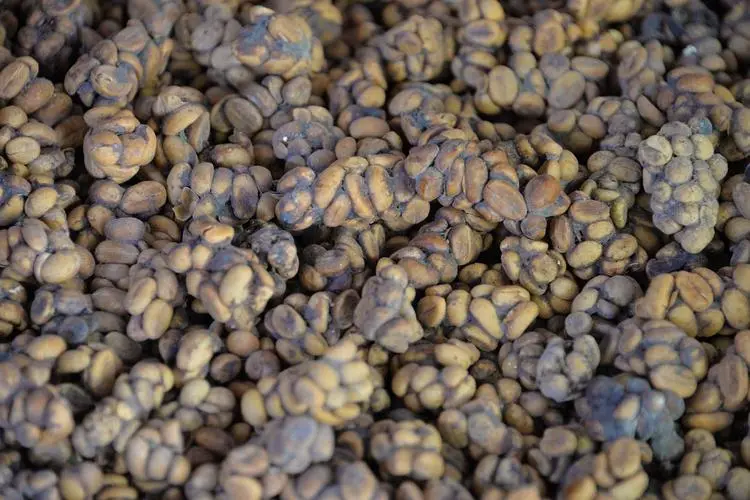
Civet coffee, or what the public commonly refers to as "cat poop coffee," may be known even to those who rarely come into contact with coffee. However, within the specialty coffee community, this coffee is heavily criticized for its unusual production method. This article will start by discussing the traditional production process of Indonesian civet coffee, including how the Asian palm civet consumes coffee cherries, which then undergo fermentation through stomach acids and intestinal microbes before the beans are collected from the feces, cleaned, and sun-dried by farmers.
This processing method eliminates the complex steps of traditional harvesting, pulping, fermenting, washing, and drying, but it is also highly questioned due to animal welfare concerns. It is understood that civets typically consume coffee fruits in their natural environment, and the gut microbiota can impart unique flavors to the beans—this is one of the reasons traditional civet coffee has such intense aromas. However, many so-called "civet coffees" on the market today are actually produced by confining civets in cramped spaces and force-feeding them coffee fruits. Not only do the animals suffer, but the quality of the beans produced is also inconsistent, which is the main reason for the specialty coffee industry’s widespread rejection.
Most civet coffee in Indonesia comes from hybrid varieties. For example, the popular Golden Mandheling in recent years is mostly the Catimor variety, which is a cross between Caturra and Tim Tim, with Tim Tim itself carrying both Arabica and Robusta genes—hence the generally higher sweetness. However, civets tend to prefer the fruits of the Tim Tim variety, though actual consumption can vary depending on the environment.
Apart from Indonesia, similar practices exist in Southeast Asia, while Brazil has developed "bird poop coffee," where birds replace civets. It is reported that some farms in Brazil use birds that love to eat coffee fruits to collect the beans they excrete, which are then cleaned and appropriately dried to produce coffee with a unique flavor. Compared to traditional civet coffee, bird poop coffee usually has more pronounced nutty notes, sweeter taste, and a softer mouthfeel, with a production process that is more animal-friendly.
As for Vietnam, although there are similar "cat poop coffee" products, the more famous one is "egg coffee." Created in the 1940s when fresh milk was scarce, baristas began mixing whipped egg yolks, sugar, and condensed milk, then pouring it over espresso to create a rich and smooth unique beverage. The method is simple and the ingredients are readily available, making it a popular dessert coffee still found on Vietnam’s streets today.
Returning to civet coffee itself, its flavor has always been a topic of discussion. Some reviews point out that this type of coffee often presents a thick, heavy body, with unique aromas resembling soil or traditional Chinese medicine, high concentration but not prominent acidity. For drinkers accustomed to bright fruit acidity, it might be hard to accept; however, those who prefer the complexity and richness of aged beans might discover its unique charm.
According to the SCAA (Specialty Coffee Association of America) scoring system, civet coffee doesn’t always score particularly high—it sometimes scores even lower than average Indonesian beans. In actual cuppings, its acidity is often rather flat, and its flavor profile is less layered compared to mainstream Indonesian coffees like Mandheling. Therefore, many professionals believe that the appeal of civet coffee lies more in its story than in its absolute quality.
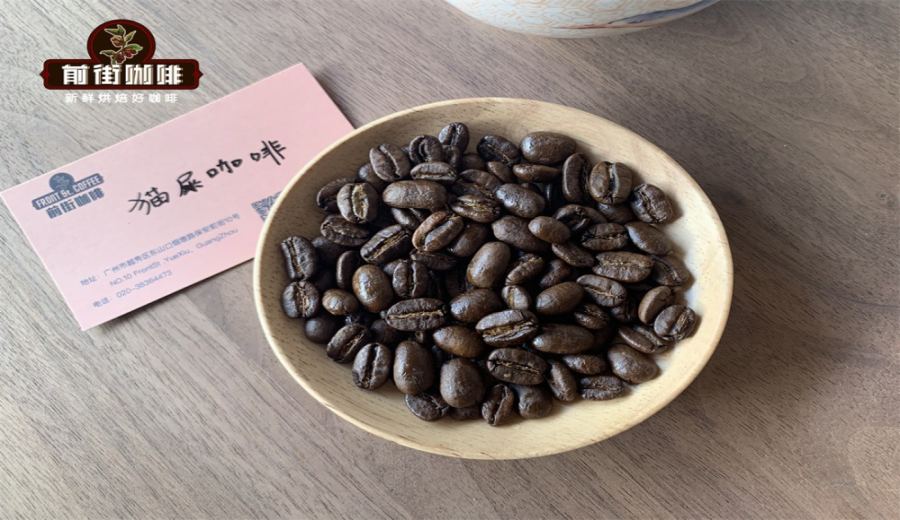
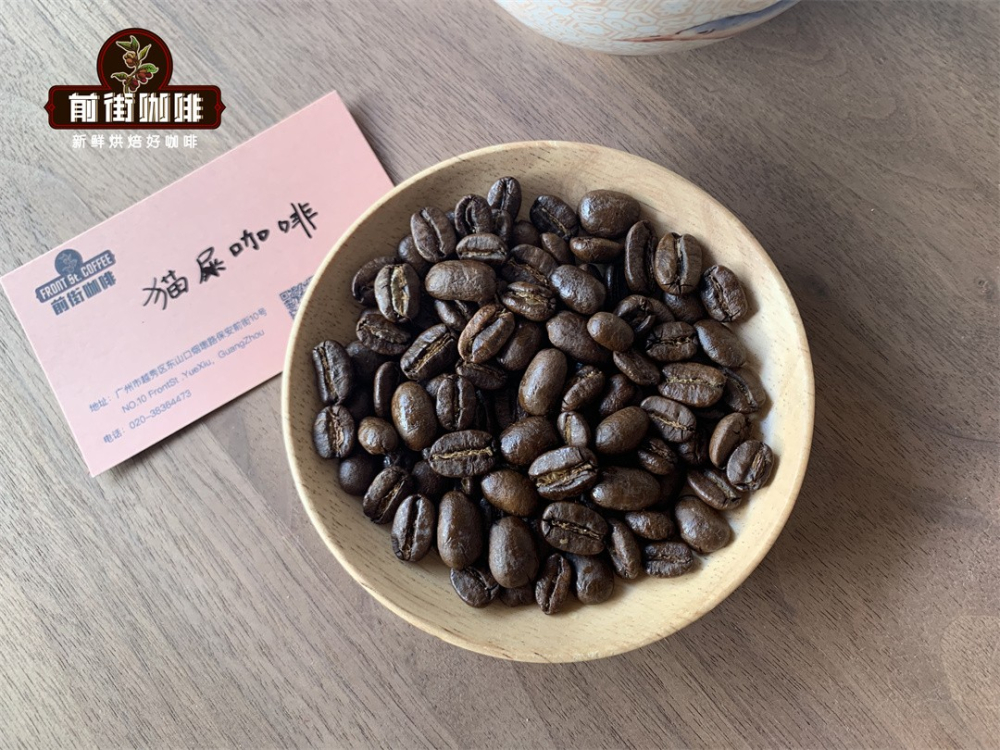
In terms of roasting and brewing recommendations, producers usually opt for medium-dark roasts to fully showcase its herbal undertones and full-bodied character. Since medium-dark roasted beans have lower density and lighter weight, it’s recommended to use a coarser water flow during brewing and extend the brew time to ensure sufficient extraction. Specifically, you can use a KONO filter, with water temperature controlled around 88°C to avoid over-extraction caused by excessively high temperatures, which can lead to excessive bitterness.
In summary, although civet coffee has a unique cultural background and processing characteristics, its production methods and current market situation remain highly controversial. For coffee enthusiasts, understanding its flavor traits, processing procedures, and practical brewing parameters can help evaluate this highly discussed coffee more comprehensively and make choices based on personal taste preferences.
The above content is compiled by CoffeeHunters, a coffee news website.


