







Introduction:Pour over and espresso are two of the most representative brewing methods. Whether in terms of bean selection, extraction parameters, flavor profiles, or caffeine content, the two differ significantly. This article delves into their core distinctions, covering coffee bean types, grind sizes, brewing times, and equipment operation, along with standardized pour over and espresso preparation procedures to help coffee enthusiasts make more suitable choices based on personal preference.
In recent years, coffee has gradually become an indispensable beverage in many people's daily lives. Among the various brewing methods, pour over and espresso are undoubtedly the two most iconic categories. They not only differ greatly in flavor presentation but also show clear distinctions in basic ingredients, extraction principles, and suitable consumption methods. This article will comprehensively analyze the differences between these two mainstream coffee brewing techniques from perspectives such as coffee bean varieties, brewing methods, flavor characteristics, caffeine content, grind size, and operational steps. It also provides standardized pour over and espresso preparation parameters for coffee lovers to reference and practice.
With the growing popularity of coffee consumption, more and more people are trying various brewing methods at home, among which pour over and espresso are the most common. Pour over typically uses single-origin beans, emphasizing the expression of regional characteristics and terroir personality. Through normal-pressure slow extraction, it highlights the clarity of the coffee’s acidity, sweetness, and aromatic layers. Espresso, on the other hand, often employs blended beans, extracted under high pressure to produce a rich and bold crema, serving as the foundation for milk-based drinks like lattes and cappuccinos. The differences between the two are not only reflected in flavor and extraction methods but also span multiple aspects such as grind coarseness, brewing duration, and final concentration.
1. The Coffee Beans Used Are Fundamentally Different
Pour over coffee usually employs single-origin beans, which often come from specific regions—such as Ethiopia’s Yirgacheffe, Kenya’s AA, or Indonesia’s Golden Mandheling—and are commonly roasted to light to medium levels to highlight the beans’ inherent flavors. Some coffee enthusiasts also prefer using dark-roasted beans for pour over, such as Huila or Colombian dark roast, to bring out caramel and nutty notes.
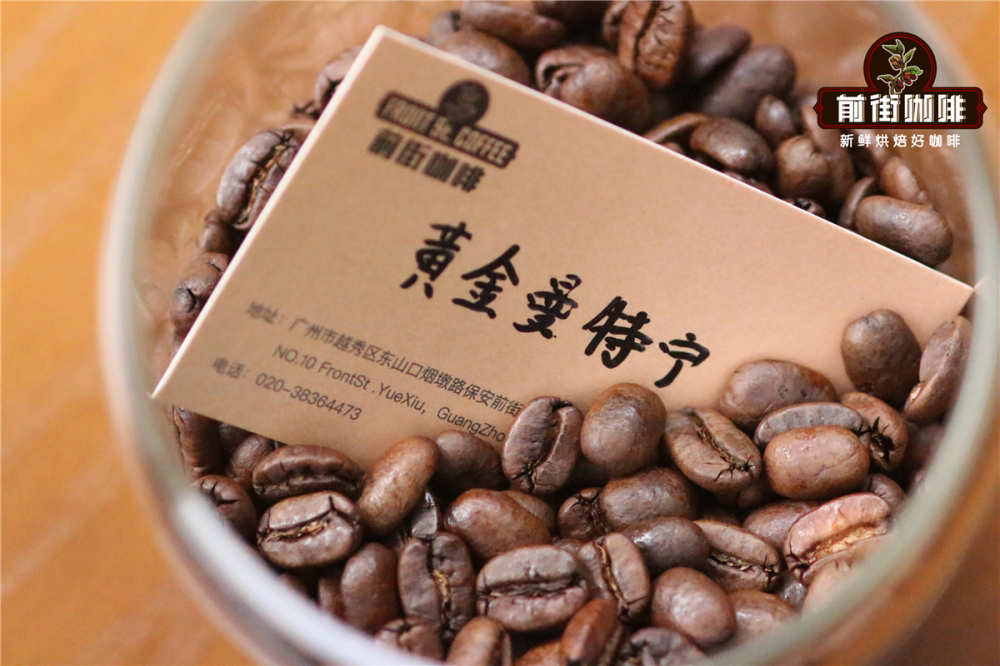
Espresso, however, mostly relies on blended beans, which are mixtures of beans from various origins in specific proportions. The goal is to stabilize the flavor profile and cater to the pairing needs of milk beverages. These blends are generally roasted darker to produce intense roasted aromas and low acidity, making them suitable for making espresso, which is then further processed into popular drinks like lattes and Americanos. Additionally, due to the extremely high pressure of espresso machines, professional-grade espresso grinders must be used to ensure uniform grinding and form a stable coffee puck structure.
2. Brewing Methods and Equipment Pressure Differ Significantly
Pour over coffee is generally brewed at normal pressure (1 bar), using filter cones such as V60 or Kalita Wave. Extraction is adjusted by controlling water temperature, pouring speed, and technique. If using a moka pot or AeroPress, the pressure can reach about 3 bar, but it is still far lower than the extraction pressure of an espresso machine.
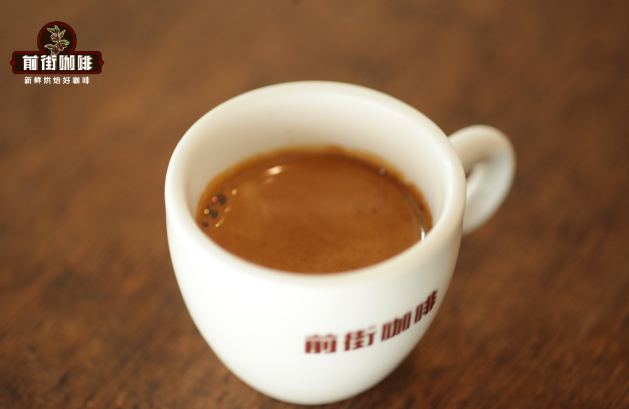
Espresso is extracted using an espresso machine at a high pressure of up to 9 bar. Under this pressure, the coffee puck is subjected to intense force, forcing water to rapidly penetrate and extract a high concentration of flavor compounds—including many that are difficult to dissolve under normal pressure—resulting in a concentrated coffee with a rich, thick texture and golden crema.
3. The Actual Difference in Caffeine Content
Under the same coffee dose and grind size, caffeine—as a water-soluble substance—is released in greater amounts the longer the extraction time. Typically, pour over coffee takes about 1–3 minutes to brew, while espresso only requires 20–30 seconds. Therefore, under the same conditions, pour over coffee generally contains more caffeine. The same applies to long extraction methods like cold brew or cold drip, which also tend to have relatively higher caffeine content.
It’s worth noting that single-origin pour over coffee has a refreshing flavor, and adding milk can easily mask its delicate aromas. As a result, most coffee shops do not recommend mixing pour over coffee with milk.
4. The Standard Espresso Preparation Process
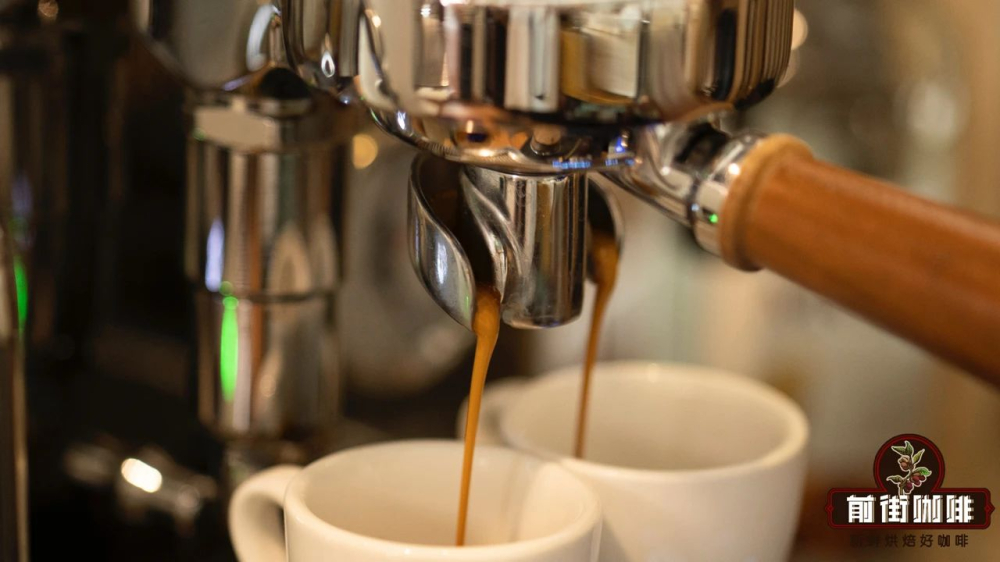
Taking the commercially common double-shot portafilter as an example, it is typically filled with about 18–20 grams of coffee grounds. The extraction ratio is 1:2, meaning 20 grams of coffee yields 40 grams of espresso liquid, with a brewing time controlled between 20–35 seconds, ideally around 28–30 seconds. The pressure setting is generally 9 bar, with high-end machines capable of reaching 11 bar, which helps extract flavor compounds more fully.
During operation, the portafilter should first be dried, followed by grinding an appropriate amount of coffee beans, distributing them evenly, and then tamping to ensure the puck is compact and level. A pre-infusion stage may involve pouring a small amount of hot water to wet the coffee bed and release trapped gases, after which the actual extraction begins. Observing the flow rate and time results in a richly crema-ed, aromatic espresso shot.
Espresso can be consumed directly, diluted with water to make an Americano, or combined with milk to create classic milk-based drinks like lattes and cappuccinos, offering a versatile and rich flavor profile.
5. Detailed Pour Over Brewing Recommendations
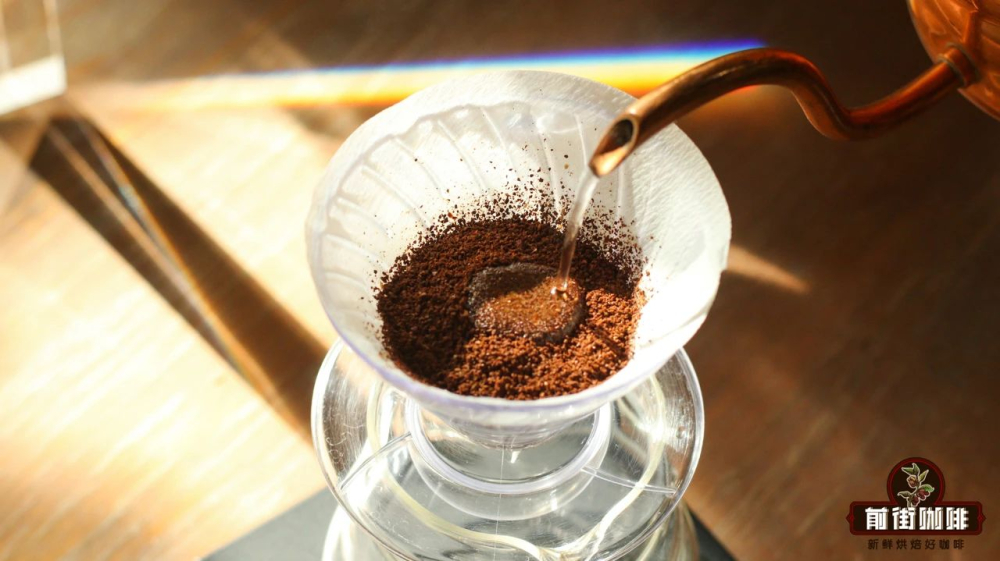
Pour over equipment includes a gooseneck kettle, filter cone, server, grinder, filter paper, scale, and thermometer. Taking the common Yirgacheffe as an example, a medium-fine grind is recommended—approximately 80% passing through a 20-mesh sieve, corresponding to scale 10 on a V60 01 filter cone—with water temperature controlled at 91–93°C to fully bring out its citrus and floral notes.
Beginners are advised to use the three-pour method: for example, using 15 grams of coffee at a 1:15 coffee-to-water ratio (total 225 ml), the water is poured in three stages—30 ml (for a 30-second bloom), followed by 95 ml and 100 ml—bringing the total brewing time to around 2 minutes. This method aids in even extraction and avoids over- or under-extraction.
The charm of pour over lies in the ability to flexibly adjust parameters according to the characteristics of the beans. From water temperature and grind size to pouring technique, each step can influence the final flavor, making it an excellent way to explore the diversity of coffee.
The above content is compiled by CoffeeHunters, a coffee news website.


