







Introduction:Tanzanian Kilimanjaro coffee is renowned for its Typica variety, washed processing method, and high-altitude advantages. The AA grade classification ensures its superior quality. This article provides an in-depth analysis of the regional terroir, variety characteristics, processing techniques, and cupping flavors, along with practical roasting and pour over parameters to help you fully appreciate this African specialty coffee with its citrus and berry aromas.
Nestled at the northern highlands of Tanzania at the foot of Africa’s highest peak, Mount Kilimanjaro, lies a highly representative specialty coffee—Kilimanjaro coffee. Based on the Typica variety and crafted through traditional washed processing, this coffee delivers delicate acidity and clear fruit aromas, particularly citrus and berry notes, which have won the hearts of coffee lovers worldwide. This article will take you through the region’s environment, variety traits, processing methods, grading standards, and recommendations for roasting and brewing to fully uncover the unique charm of this classic African bean.
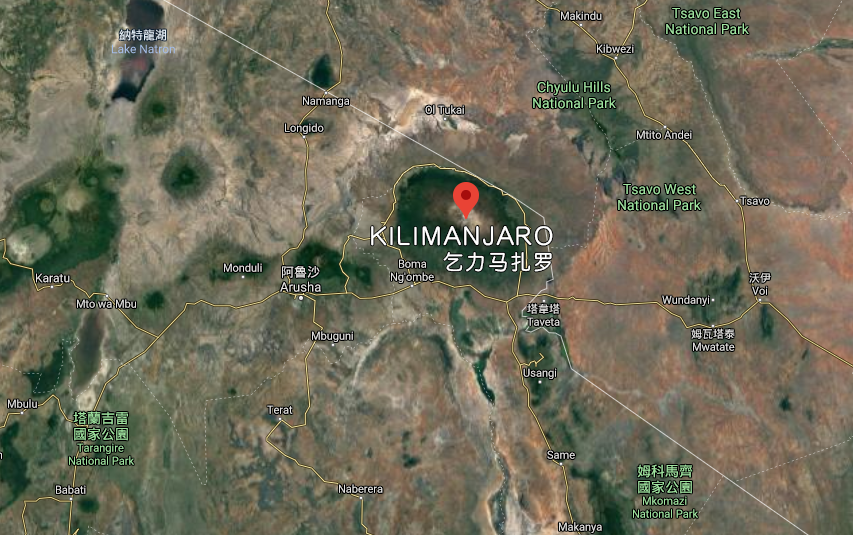
Although Tanzania may not be as well-known in the international coffee market as Ethiopia or Kenya, its coffee quality is absolutely not to be underestimated. The Kilimanjaro region, as one of Tanzania’s key coffee-producing areas alongside Arusha, boasts key advantages due to its exceptional geographical conditions. With Mount Kilimanjaro rising nearly 6,000 meters—Africa’s tallest peak and known as the “Roof of Africa” for its location near the equator—the region is surrounded by fertile volcanic soil. Coupled with significant day-night temperature variations caused by the high altitude, coffee cherries mature slowly, accumulating richer flavor compounds and ultimately expressing a refined texture and gentle acidity.
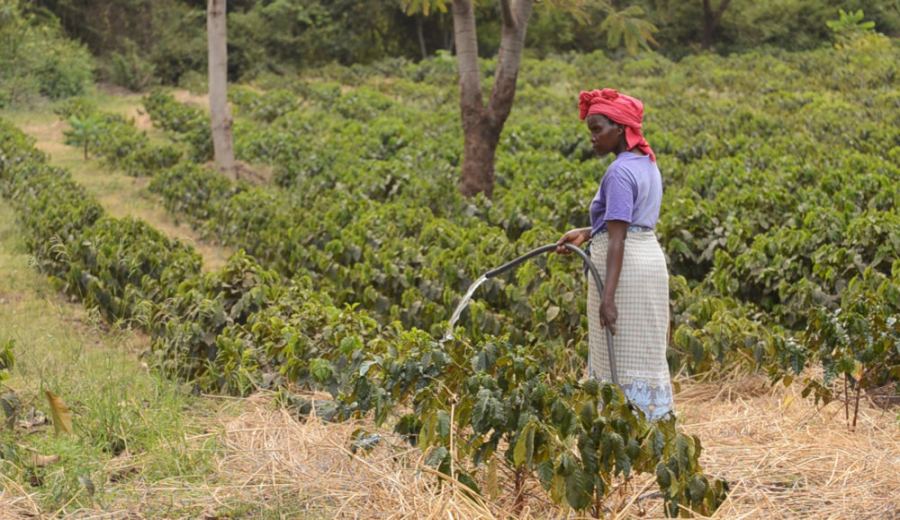
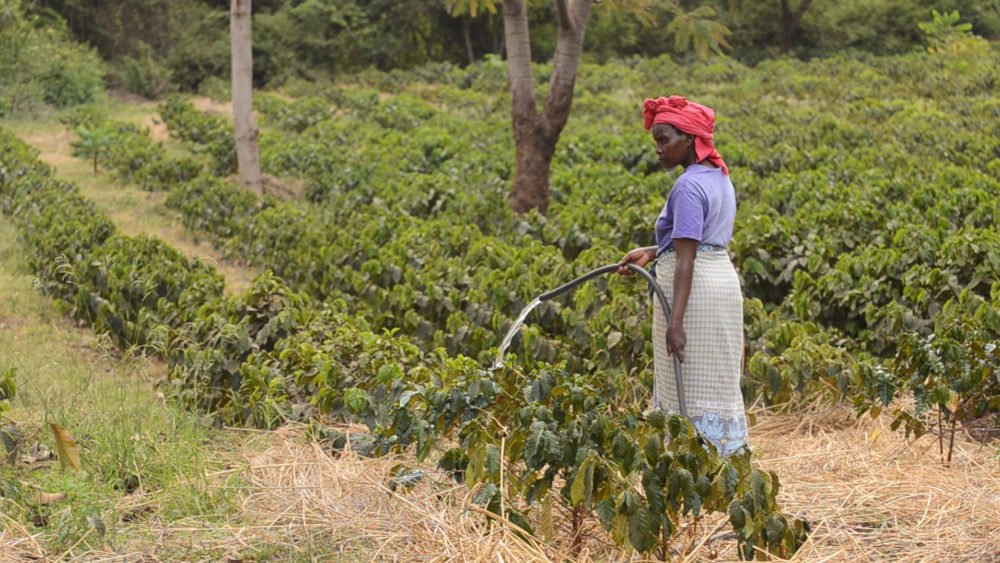
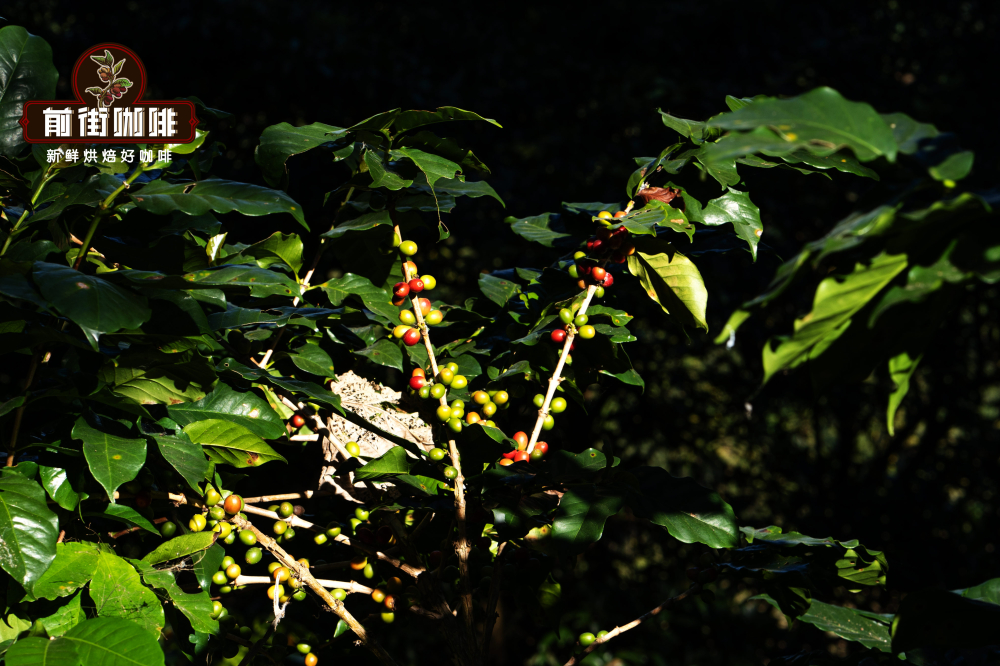
Most coffee from the foothills of Mount Kilimanjaro comes from trees over a century old. These coffee trees are rooted in mineral-rich volcanic ash soil, nurtured by ample sunlight and moderate rainfall, producing beans with intense fruity aromas and the refreshing scent of ripe peaches. Notably, local farmers pay great attention to coffee garden management, regularly weeding, fertilizing, and pruning old branches to stimulate new growth and ensure stable coffee quality. Moreover, the Tanzanian government places high importance on the coffee industry, with well-established processing facilities across the region providing a solid foundation for post-harvest production.
What makes Kilimanjaro coffee most captivating is its delicate flavor profile, often exhibiting wine-like aromas and soft fruity tones. It leaves a long-lasting aftertaste on the palate, even with a hint of earthy richness that adds a unique “wild” character, earning it the reputation as “the most African-flavored coffee.” Among these, AA-grade beans are the flagship representation of the region—not only are they plump and uniform in size, but their flavor performance is also outstanding, with a balanced acidity and sweetness and well-defined layers, making them ideal for single-origin enjoyment or inclusion in premium blends.
The Tanzanian Kilimanjaro coffee introduced in this article is of the classic Typica variety. Typica coffee trees are tall, typically growing up to around 5 meters, with a naturally conical shape and side branches forming an angle of about 50 to 70 degrees with the main trunk. The branches and leaves are relatively slender, so wider spacing is required during planting to facilitate harvesting and ventilation. Typica coffee beans are distinctive in appearance, being elongated oval-shaped with pointed ends, resembling an egg. Their flavor is highlighted by bright citrus acidity, with a naturally sweet finish, offering a fresh and elegant overall profile. Many coffee experts regard it as one of the varieties that best express terroir characteristics.
However, Typica also has its limitations. For example, it is less resistant to common diseases such as leaf rust and coffee berry disease. Combined with its slow growth and low yield, cultivation costs are relatively higher. As a result, many regions have gradually shifted to more disease-resistant varieties. But with greater care in both cultivation and post-processing, Typica can still deliver exceptionally refined flavors—this is also one of the reasons why top-tier coffees like Jamaican Blue Mountain continue to use the Typica variety.
This Kilimanjaro coffee is processed using the traditional washed method, which fully highlights the coffee’s cleanliness and bright acidity while preserving its fruity characteristics. The washed processing steps include: first removing unripe fruits and impurities, then stripping the outer skin and pulp of the coffee cherry, followed by placing the mucilage-covered beans into fermentation tanks where controlled fermentation removes the residual parchment layer. Finally, multiple rinses and thorough drying ensure the green beans maintain an ideal moisture content. This method not only enhances the coffee’s clarity but also contributes to flavor consistency.
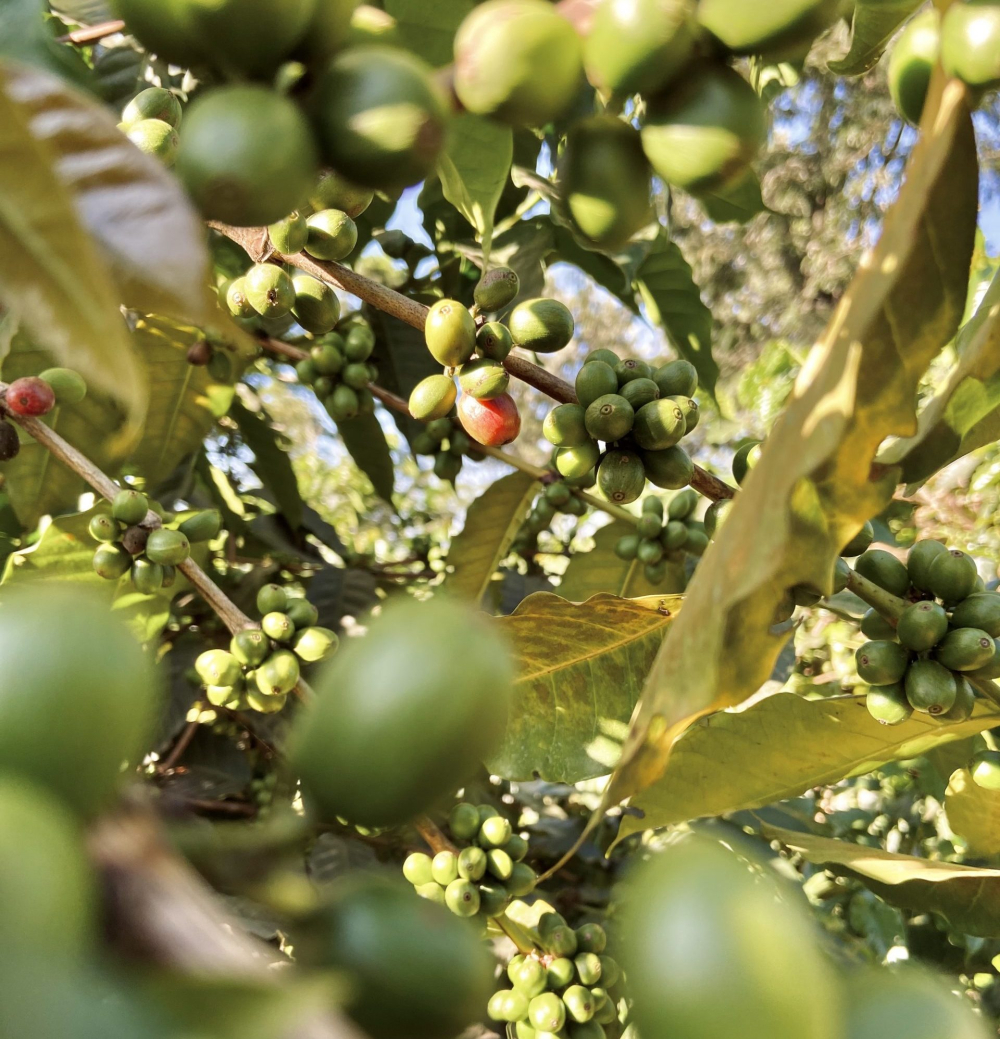
Similar to neighboring Kenya, Tanzania uses coffee bean size as the primary basis for grading. During screening, green beans are passed through sieves of different mesh sizes—the higher the number, the larger the bean, and typically the higher the quality and value. AA is the highest grade, with a sieve size of 17–18 (approximately 7.20mm), featuring plump and uniform beans; AB is slightly smaller, at 15–16 (approximately 6.8mm–6.2mm); PB consists of round beans, making up about 10% of the total; and C grade comprises even smaller beans, sieved at approximately 12–14 (4.8mm–5.6mm). AA grade is the most sought-after in the market due to its size and flavor performance.
In terms of roasting, this Tanzanian Kilimanjaro AA coffee, with its large and uniform beans, features pronounced acidity and sweetness, making it suitable for medium-light roasting to preserve its inherent flavors. The recommended roasting profile is: charge temperature set at 170°C, reaching the yellowing point (150.8°C) at approximately 6 minutes and 30 seconds, first crack starting around 10 minutes and 6 seconds (182.7°C), followed by about 1 minute and 45 seconds of first crack development, and finally dropping at 193°C. This roast level enhances the balance between sweetness and fruit acidity while bringing out delicate aromatic layers.
According to cupping results, this coffee exhibits pronounced caramel aromas in the dry stage and vibrant berry notes in the wet stage. Upon tasting, citrus and berry flavors are clearly distinguishable, accompanied by a soft tea-like body, resulting in a refreshing and layered profile. Its flavor characteristics are suitable for various extraction methods—whether pour over, drip, or French press—each highlighting different flavor dimensions.
Practical pour over parameters are recommended as follows: Use a V60 dripper, with a coffee-to-water ratio of 1:15, water temperature controlled at 91°C, and grind size adjusted to the 10th setting on the EK43s grinder (medium-fine). The specific brewing process is: start with a 30-second bloom using 30 grams of water. After blooming, pour in a circular motion to reach 125 grams, then when the water level drops by about half, add another 225 grams, for a total brew yield of 380 grams. These parameters help bring out the coffee’s balanced acidity and sweetness, along with its delicate aromas.
Overall, this Tanzanian Kilimanjaro AA coffee, based on the Typica variety and enhanced by washed processing and high-altitude advantages, presents a captivating combination of citrus, berries, and tea-like qualities. Whether you enjoy the nuanced layers of single-origin coffee or wish to explore the unique flavors of African beans, it is a premium choice worth trying.

The above content is compiled by CoffeeHunters, a coffee news website.


