







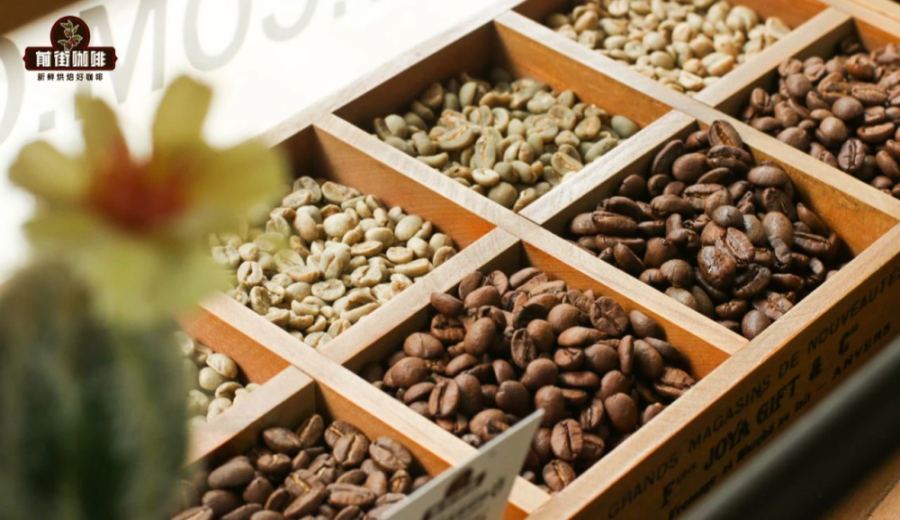
Introduction:As the world's largest coffee-producing country, Brazil is not only renowned for its stable output and distinctive low-acid, rich-bodied flavor, but also for its diverse growing regions and processing methods, which are worth exploring in depth. This article delves into the history and geographical conditions of Brazilian coffee, introduces in detail the characteristics of the dominant Bourbon variety, the semi-washed processing method along with its pros and cons, and analyzes Brazil’s official coffee grading standards. Finally, it provides roasting suggestions, cupping data, and practical pour-over parameters for the Yellow Bourbon beans from Fazenda Rainha, helping you master the brewing essentials of this classic coffee.
When Brazilian coffee is mentioned, many people first think of a rich, full-bodied flavor with low acidity—a taste profile that has consistently enjoyed steady global support. Moreover, as the world’s leading coffee producer, Brazilian beans are commonly found in various blends, as the base for espresso, and even as the first bag of supermarket pre-ground coffee for many beginners. This article will guide you through the essence of Brazilian coffee by examining its growing environments, variety characteristics, processing techniques, and grading systems.
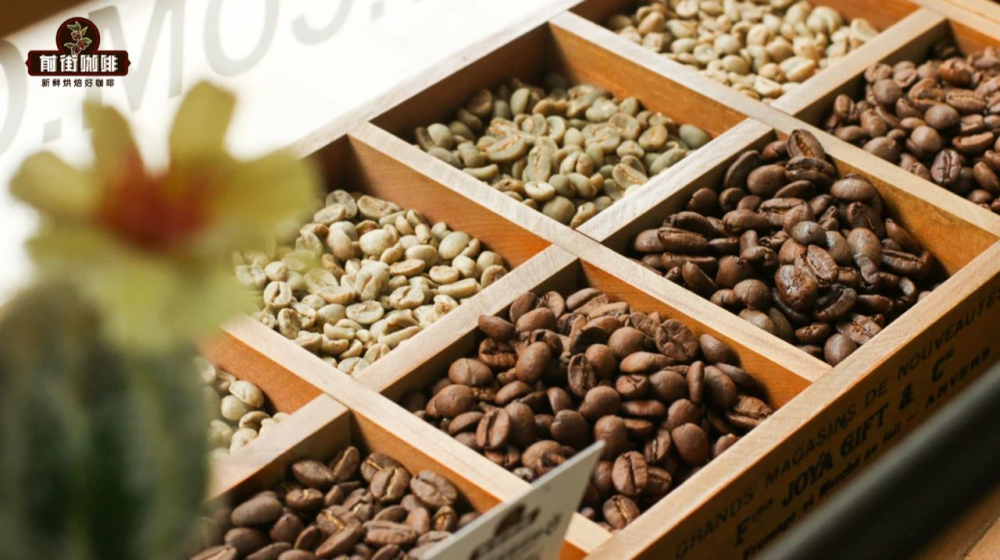
The history of coffee cultivation in Brazil dates back to 1729, when it was first introduced from French Guiana. Although farming techniques, processing methods, and variety improvements have continuously advanced since then, Brazil’s mostly low-altitude growing regions—due to geographic limitations—can’t compare with the climate and terrain advantages of other well-known Central and South American coffee-producing nations. However, it is precisely these conditions that have given Brazilian coffee its unique mild and balanced flavor profile.
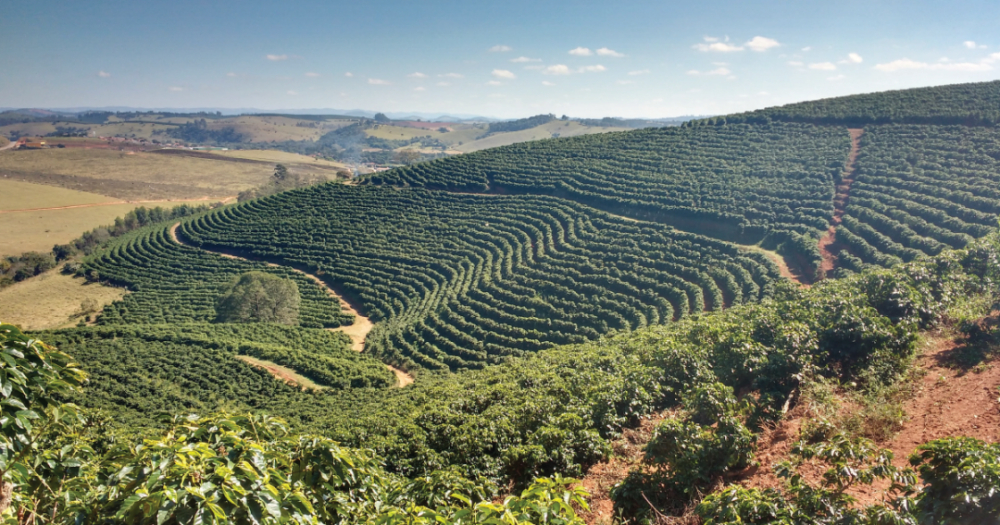
Most Brazilian coffee is grown in low-altitude plains or gently sloping areas, with some regions even near sea level. Traditional high-altitude shaded cultivation is not common in Brazil, and many farms have long cultivated improved Arabica varieties that can thrive under direct sunlight and on flat terrain. These coffee cherries ripen more quickly, and their flavor development is not as complex as that of high-altitude beans, resulting in generally lower acidity—but in return, they offer richer notes of nuts, caramel, and chocolate.
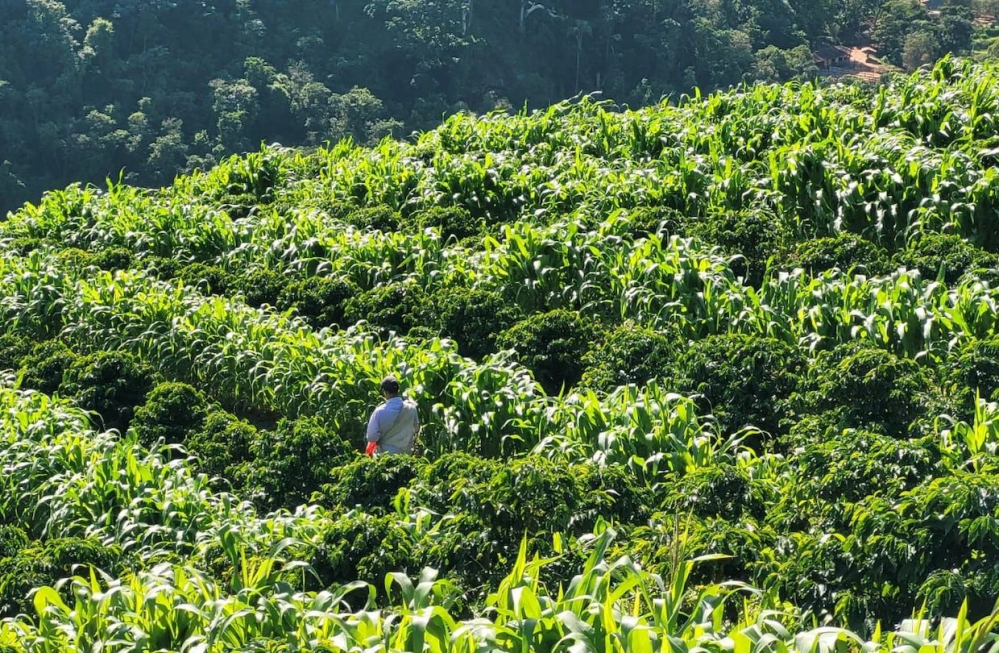
Brazil has as many as 21 states, 17 of which produce coffee, with the top seven producing regions accounting for 98% of the country’s total output. Major producing areas include Mogiana and Centro-Oeste in São Paulo, Norte Pionerio do Paraná in Paraná, Planalto da Bahia and Cerrado da Bahia in Bahia, Montanhas do Espírito Santo in Espírito Santo, Sul de Minas and Cerrado Mineiro in Minas Gerais, as well as Rondônia and Rio de Janeiro. Due to differences in microclimates and soil, even among Brazilian beans, slight regional variations in flavor can be observed.
When it comes to mainstream coffee varieties in Brazil, Bourbon is undoubtedly one of the key ones. Bourbon is a classic and longstanding variety within the Arabica family, originating from Île Bourbon (now Réunion Island), hence its name. Compared to Typica, Bourbon has wider leaves, denser foliage, about 30% higher yield per plant, and typically produces rounder, smaller beans. In terms of flavor, it often exhibits distinct berry-like acidity, creamy texture, and layered aromatics. However, it is less resistant to diseases and requires more meticulous field management. The Bourbon variety can be further divided into Red Bourbon, Yellow Bourbon, Orange Bourbon, and Pink Bourbon, among which Red Bourbon is the most common and also one of the major planted varieties in Brazil.
In terms of processing methods, Brazil widely employs what is known as the "pulped natural" or semi-washed method—a process that falls between washed and natural processing. The basic procedure involves removing the coffee cherry’s skin and pulp while leaving the sticky mucilage layer attached to the bean surface, followed by direct sun drying. This method reduces water usage and simplifies processing, while allowing control over the drying environment to influence the final flavor development. The specific steps include: first using a water tank to remove floaters, then employing a depulper to remove the pulp, keeping the mucilage-covered beans for sun drying. Once the moisture content drops to 10.5%–12%, the beans are hulled, followed by polishing before packaging and export.
The advantages of the semi-washed method lie in its suitability for large-scale commercial processing. It is not only water-saving and environmentally friendly, but also shortens the overall processing time and improves productivity and economic efficiency by eliminating the fermentation tank stage. Additionally, the pre-removal of pulp helps control the degree of fermentation, thereby enhancing flavor consistency. However, this method also has limitations—for instance, beans are more susceptible to weather conditions during drying, and improper management may lead to mold or off-flavors. Moreover, frequent turning of the bean piles during drying means labor and management costs remain significant.
Brazil’s official coffee grading system primarily evaluates beans based on four criteria: defect rate, bean size, cup quality, and flavor profile. First, based on the number of defective beans per 300 grams of green coffee, grades range from No.2 to No.8, with fewer defects indicating a higher grade—the most commonly seen grade in the market is No.2. Second, bean size is categorized by screen size, with sizes 17 and 18 considered the highest grades. Cup quality is divided into six tiers, including Fine Cup (FC) and Good Cup (GC), both of which are common premium grades. Finally, flavor grades range from highest to lowest as: Strictly Soft (very mild), Soft (mild), Softish (slightly mild), Hardish (a bit harsh), and Rioy (with iodine or salty notes).
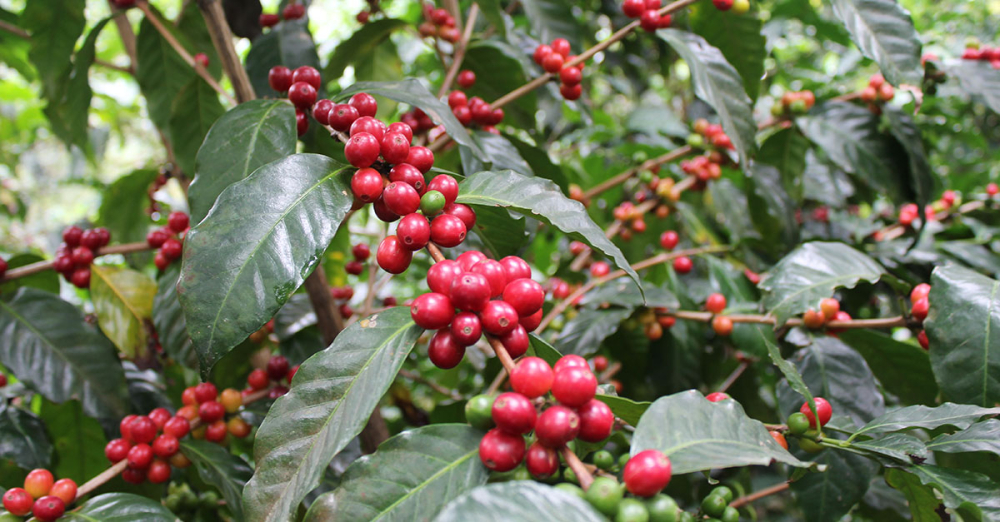
Take the Yellow Bourbon from Fazenda Rainha as an example. These beans, grown at elevations between 1400 and 1950 meters in the Mogiana region of Minas Gerais, are processed using the semi-washed method and serve as a classic representation of the multifaceted flavors of Brazilian coffee. A medium roast is recommended to fully highlight the aroma and sweetness while preserving a moderate body. In cupping, these beans often showcase notable sweetness, subtle citrus aroma, intense nuttiness, and a lingering black chocolate finish, delivering a rounded and layered flavor profile.
For actual pour-over brewing, the KONO filter cone is recommended, with a water temperature of around 88°C, a coffee-to-water ratio of 1:15, and a grind size roughly similar to white sugar (EK43s setting at 10.5). The brewing process can follow a pulse pouring method: start with a 30-second bloom using 30 grams of water, then pour in small circles to reach 125 grams for the first pour. When the water level drops and is about to expose the coffee bed, pour again to reach 225 grams before ending extraction, keeping the total brew time around 2 minutes. These parameters help balance sweetness and acidity, highlighting the bean’s inherent nutty and chocolatey notes, making it ideal for pour-over enthusiasts who enjoy a mild and rich flavor.
The above content is compiled by CoffeeHunters, a coffee news website.


