







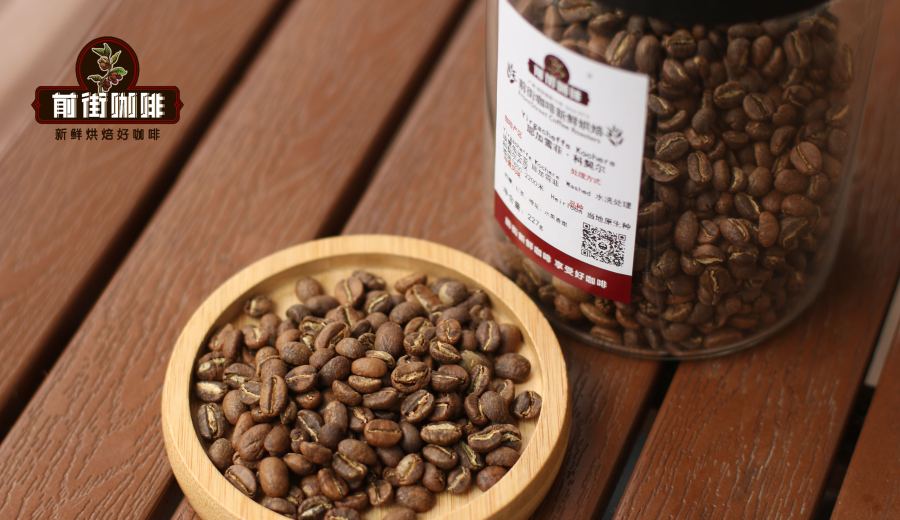
Introduction:Delve into the unique charm of Ethiopia’s Yirgacheffe Kochere region, exploring its geographical terroir, varietal background, and washed processing methods to uncover the key factors behind its vibrant interplay of citrus, floral, and honey notes. Practical pour over parameters and extraction tips are also provided to help you fully appreciate the nuanced profile of this highly-rated specialty coffee.
Yirgacheffe is one of Ethiopia’s most iconic specialty coffee regions, and its Kochere micro-region has gained global popularity among coffee enthusiasts for its exceptional washed processing and distinct, captivating flavor profile. This article will take you through the region’s historical background and ECX grading system, then gradually explore Kochere’s natural environment, cultivated varieties, washed processing procedures, and practical pour over recommendations—offering a comprehensive understanding of this highland area that produces such distinctive flavors.
Originally part of the southwestern edge of Ethiopia’s Sidamo region, Yirgacheffe is geographically located to the northwest. It was later designated as an independent region due to its unique flavors. Before the 1970s, local coffee was mostly processed using traditional sun-drying methods, and its flavors lacked clear distinction. The establishment of the region’s first washed processing station and the introduction of modern washed techniques from Latin America completely transformed Yirgacheffe’s destiny, allowing surrounding micro-regions like Kochere to gradually emerge.
In 2004, the Ethiopian government registered the “Yirgacheffe flavor” as an exclusive trademark, and in 2008, the Ethiopian Commodity Exchange (ECX) was established to clearly define coffee grading and flavor classification. The so-called “Yirgacheffe flavor” generally refers to coffee with distinct citrus and lemon-like fruit aromas, blended with jasmine or white floral notes, along with a clear acidity, layered profile, and clean mouthfeel—often described as light yet profound, akin to fruit tea.
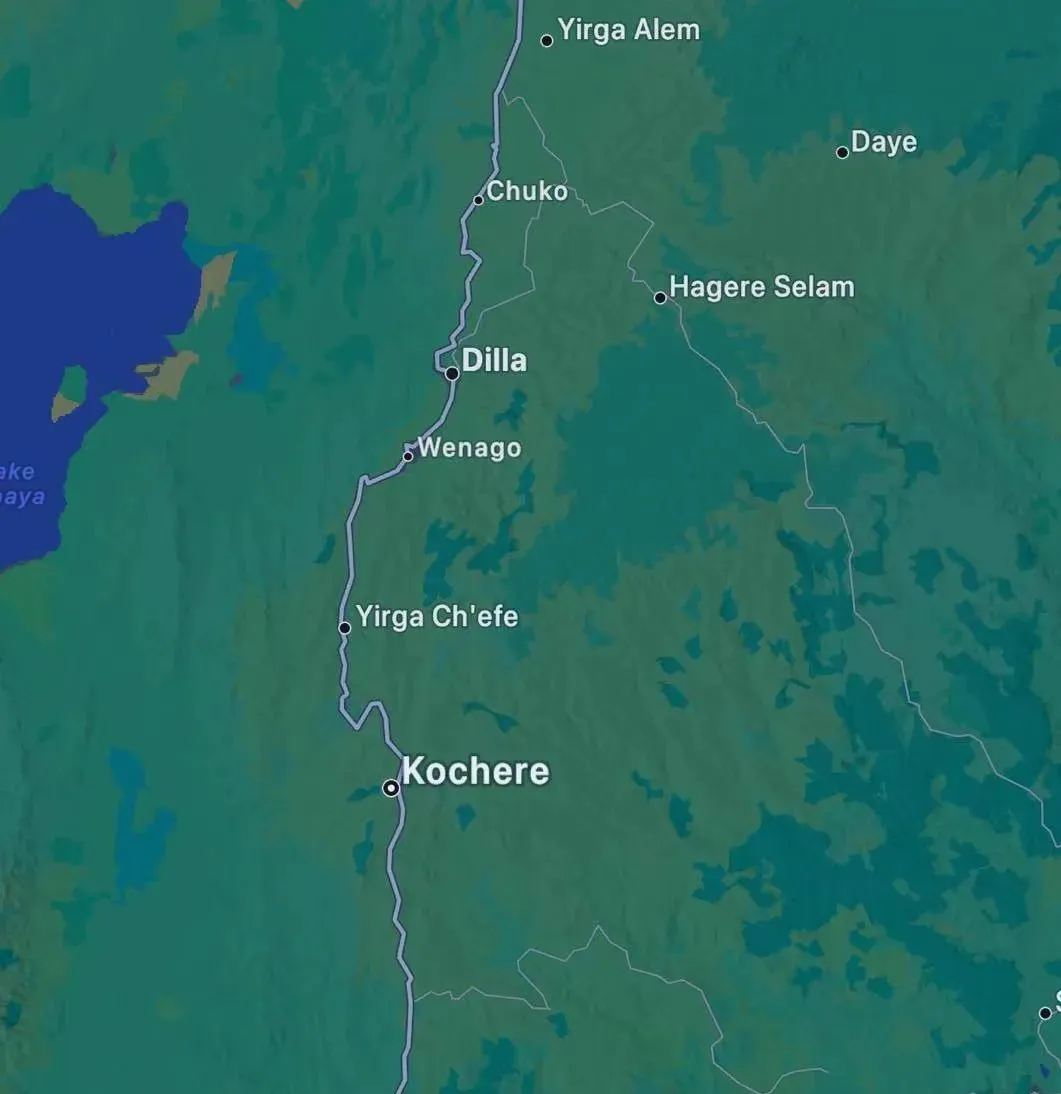
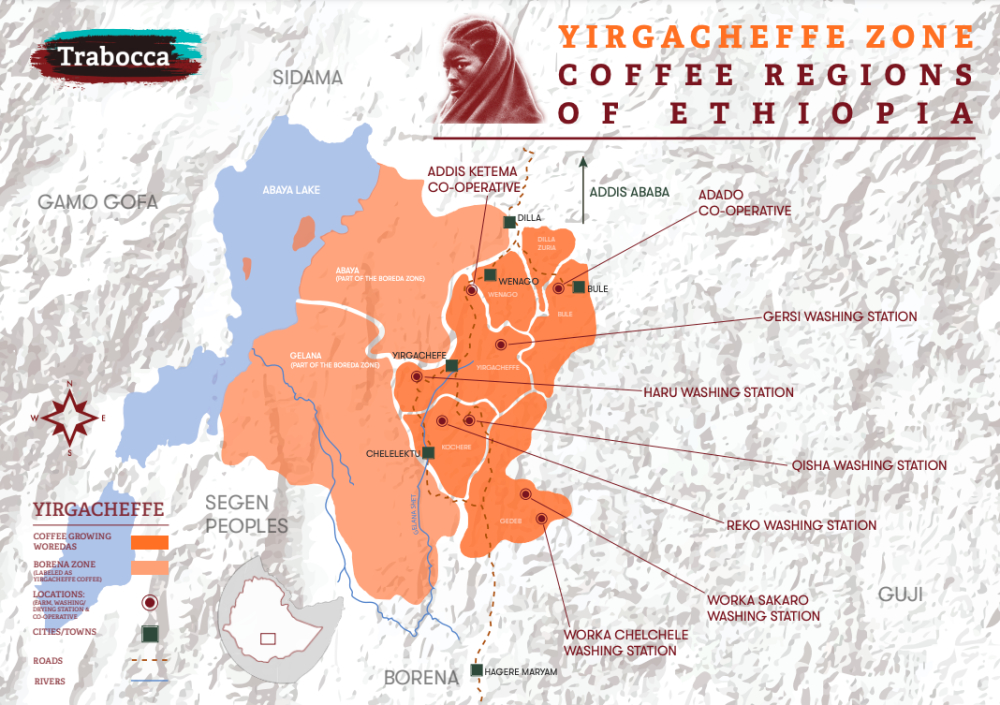
Located approximately 25 kilometers southeast of Yirgacheffe, Kochere is one of the region’s important high-altitude coffee-producing areas, with around 100,000 residents relying primarily on coffee for their livelihood. In addition to its favorable microclimate for coffee cultivation, recent upgrades in processing facilities have resulted in its washed coffee receiving multiple high international scores, including a prestigious 94-point rating from Coffee Review, underscoring its consistent quality and outstanding performance.
The Kochere region can be further divided into several micro-zones, such as Chelelektu, Teklu Dembel, and Banko Gutiti. These smaller areas or processing station names are often used to denote coffee batches with greater traceability, typically offering more consistent flavor profiles and year-to-year stability—qualities that are also reflected in their higher market prices.
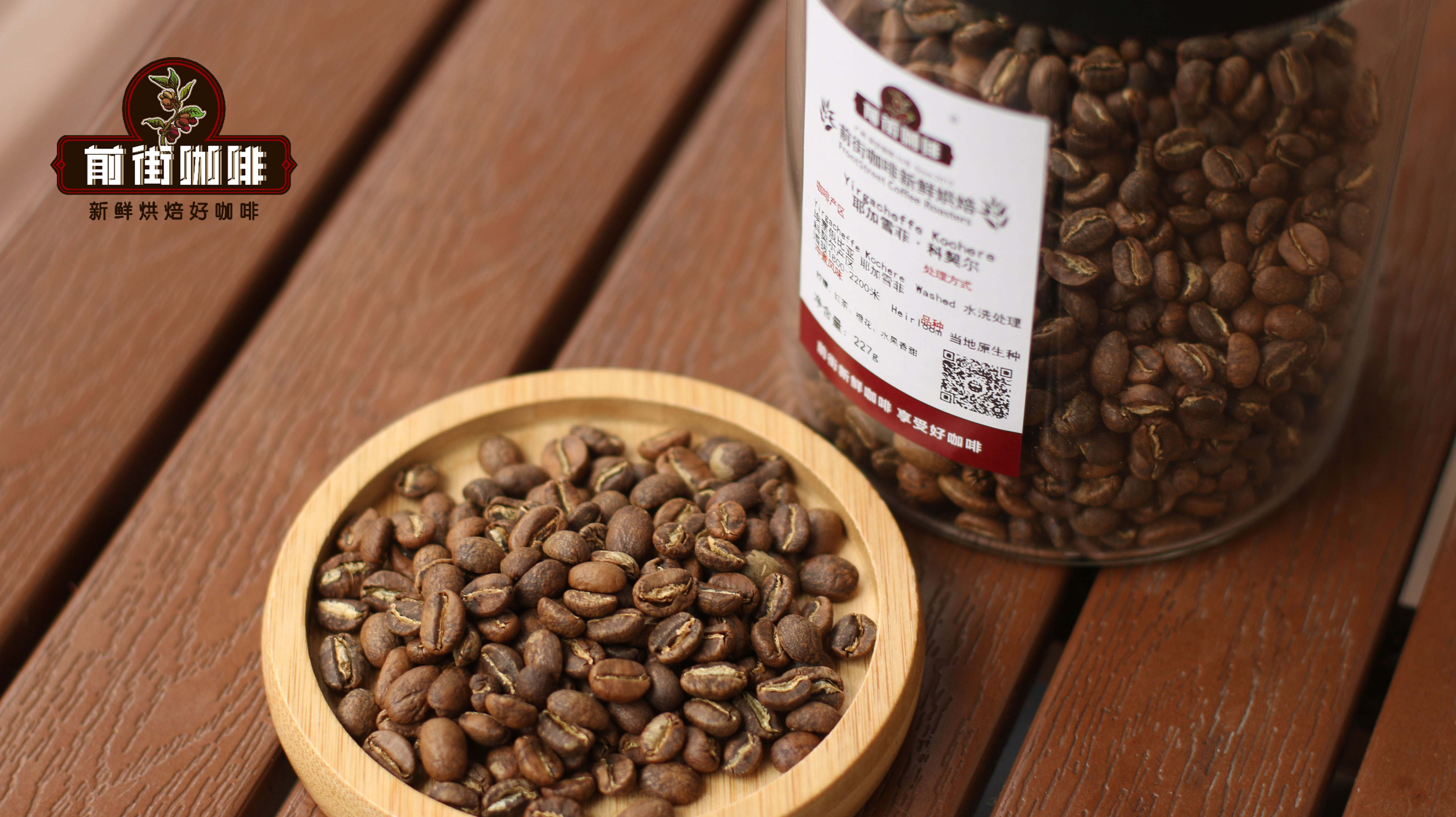
In terms of variety, as the birthplace of coffee, Ethiopia’s growing environments are diverse and complex, with most coffee trees not undergoing strict varietal classification but instead being collectively referred to as “Heirloom (heritage varieties).” These coffee trees often coexist with other crops on the same slopes, and during harvest, beans from dozens or even hundreds of unspecified varieties are mixed together. As a result, each batch may vary in bean size and shape, forming what is known as a “blended batch,” which is also one of the reasons for its uniquely varied flavors.
Kochere’s washed processing method is key to achieving its clean and bright flavors. The local harvest season typically runs from November to December, with most smallholder farmers employing traditional, pesticide-free cultivation methods, giving the coffee a naturally organic quality. The harvested red coffee cherries are usually sent to nearby well-equipped washed processing stations for centralized processing to ensure consistency in quality.
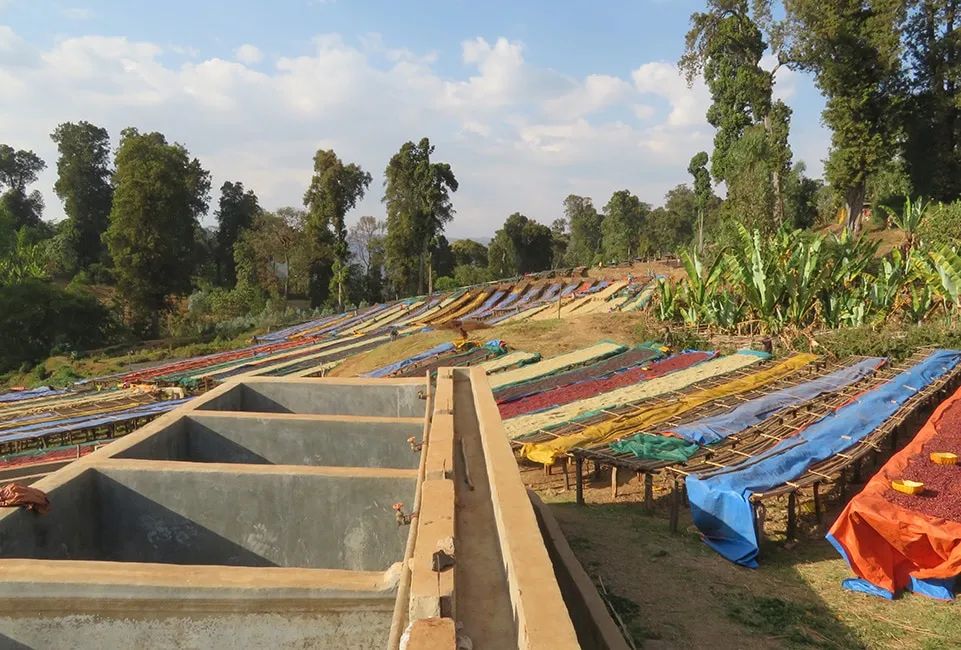
A typical washed process includes: first removing the coffee cherry’s skin and pulp, leaving the beans coated with mucilage, then placing them in fermentation tanks for 18 to 36 hours to break down the remaining mucilage. The parchment-covered green beans are then thoroughly washed in flowing clean water, followed by drying via sun exposure or mechanical means until the moisture content is reduced to around 12%. Finally, the parchment is removed, completing the production of washed green beans. This process gives Kochere coffee a clean, bright acidity, along with a complex flavor profile interwoven with honey and citrus notes.
For actual pour over brewing, it is recommended to use a medium-light roast to preserve the bright acidity and fruity-floral aromas. The tested parameters are as follows: using a V60 filter cone, with water temperature controlled at91°C, a coffee-to-water ratio of1:15, and a suggested coffee dosage of15 grams, using a medium-fine grind size (approximately a 20-mesh Chinese sieve passing rate of80%). Be careful to avoid grinding too coarse, which can lead to under-extraction, or too fine, which may cause over-extraction and bitterness.
The recommended pour over technique is a pulse pouring method: start with30 grams of water for a 30-second bloom, allowing the coffee grounds to uniformly expand; then, at the 1-minute mark, pour up to125 grams of water, and continue pouring once the water level drops to two-thirds of the coffee bed; finally, at1 minute and 40 seconds, pour up to 225 grams of water, with a total extraction time of about2 minutes. These parameters help balance sweetness and acidity, highlighting the citrus and floral notes, while the finish delivers a honey-like taste with a delicate oolong tea undertone.
Finally, to fully experience the delicate flavors of Kochere washed beans, it is recommended to use freshly roasted beans within 5 days of roasting, and allow the coffee to rest for a4 to 7-daydegassing period before brewing to achieve optimal flavor expression. If purchasing pre-ground coffee, please use it as soon as possible to avoid oxidation affecting aroma and taste. In summary, from regional terroir to pour over details, Kochere not only showcases the essence of Ethiopian coffee but also offers specialty coffee enthusiasts a flavorful journey that is both layered and refreshing.
The above content is compiled by CoffeeHunters, a coffee news website.


