







Introduction:Do you know why Sumatra Mandheling boasts intense herbal aromas and woody undertones? The key lies in the region’s unique wet-hulling process. This article delves into this semi-washed technique, tailored for high-humidity environments—from the differences in steps to the reasons behind the flavors—to help you understand why Mandheling must use wet hulling and how it shapes its uniquely layered cup profile, even under deep roasts.
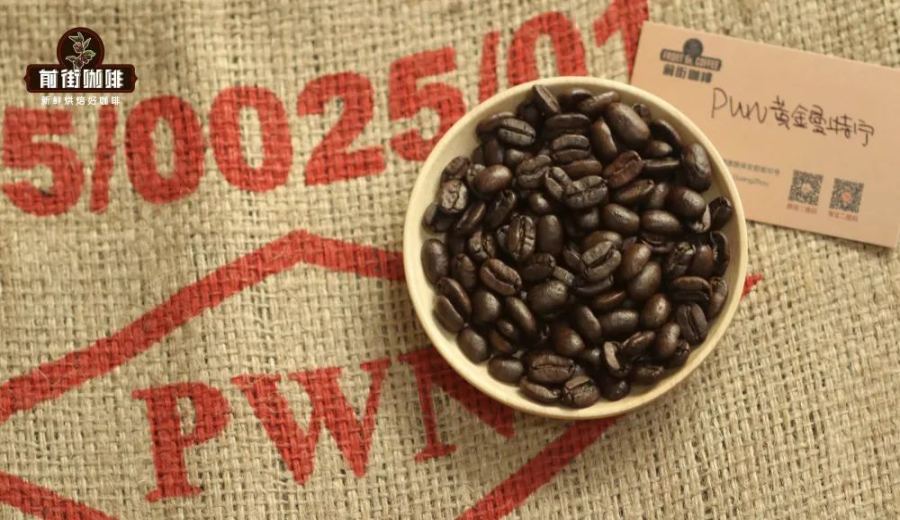
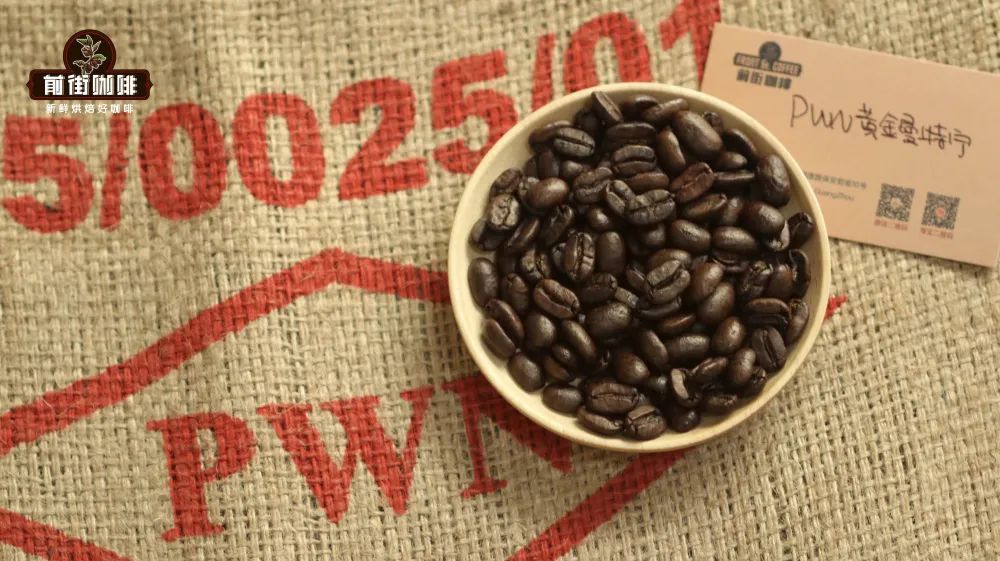
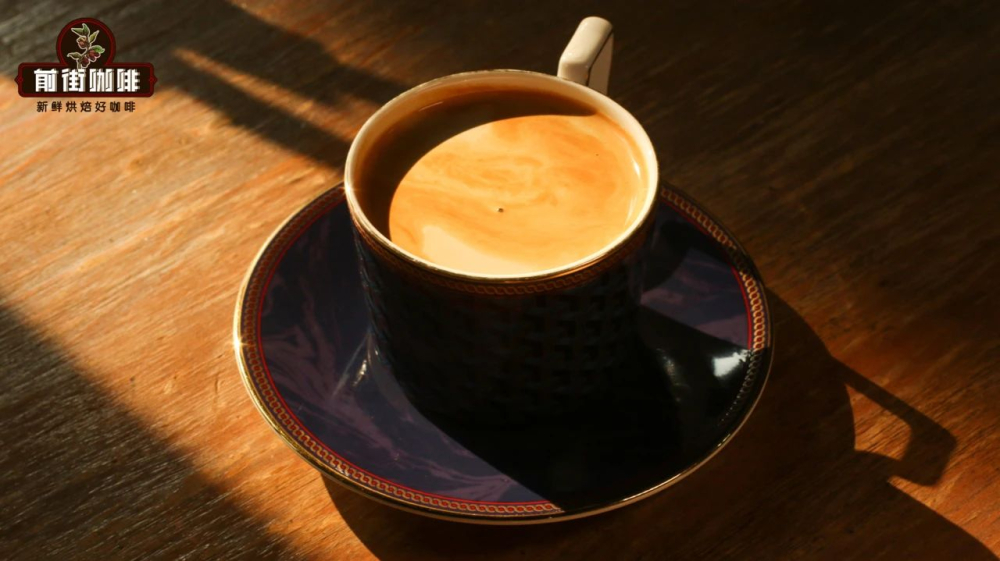
In the world of specialty coffee, Sumatra Mandheling has won the hearts of many coffee enthusiasts with its deep flavor profile and low acidity. These beans, often roasted to medium-dark or dark levels, not only deliver a pronounced full-bodied texture but also exude a steady, muted aroma rarely found in other regions. What makes it stand out among so many medium-dark roasted beans? The answer lies in Indonesia’s distinctive wet-hulling processing method.
The high-altitude mountainous regions of Aceh and North Sumatra in Indonesia’s Sumatra are important producers of Arabica coffee. However, the climate here poses significant challenges for coffee processing—annual humidity levels remain between 70% to 90%, with annual rainfall exceeding 2,000 mm, often sunny in the morning and stormy in the afternoon. Under such humid and unpredictable weather conditions, relying on traditional sun-drying or washed methods to dry parchment coffee to the ideal moisture content is not only time-consuming but also risky. To adapt to environmental constraints and improve efficiency, locals developed a semi-washed processing method called "wet hulling," known in Indonesian as "Giling Basah."
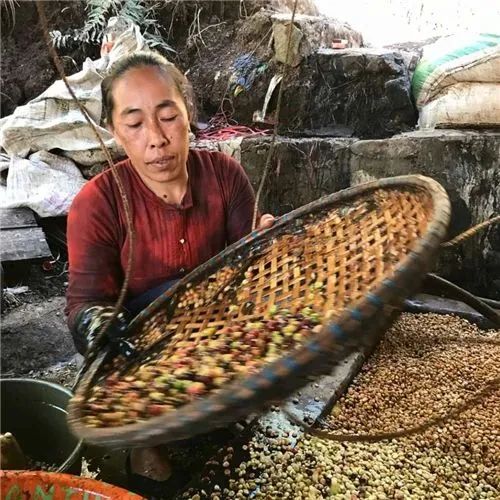
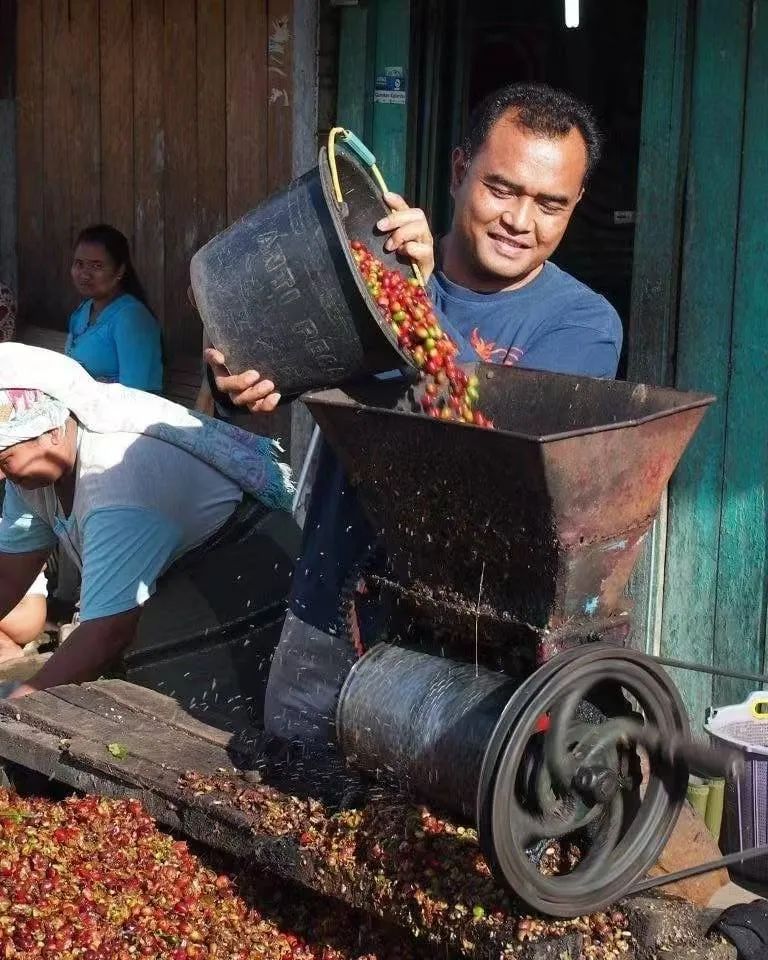
The initial steps of wet hulling are similar to other processing methods: coffee cherries are first stripped of their outer skin by machines, and unripe or defective beans are removed through water flotation. Next, the mucilage-covered parchment coffee undergoes short-term fermentation, usually just a few hours, to remove some of the residual pulp. However, unlike traditional washed methods, wet hulling does not wait for the mucilage to dry completely. Instead, it proceeds with an initial rinse, then directly exposes the still-high-moisture parchment coffee to the sun. Due to Sumatra’s unstable sunlight and climate, the parchment coffee typically only dries to around 30% to 50% moisture content, at which point the beans are still semi-soft. They are then sent to processing facilities for the next crucial step—removing the husk.
This stage is the most distinctive part of the wet hulling process. Since the parchment coffee is not fully dried, traditional hulling machines struggle to process it directly. Therefore, a more powerful machine with greater friction is used to remove the parchment layer (i.e., the husk) that still clings to the green bean. It’s worth noting that at this point, the outer protective layer of the bean still includes the silverskin, but wet hulling removes the husk directly, exposing the inner bean to the external environment while it’s still not fully stable. During the operation, white or greenish viscous liquid often seeps out, and the beans, affected by moisture and friction, tend to swell, turn white, and exhibit a grayish-green hue. The ends are also prone to hoof-like pressure marks, one of the reasons Sumatra coffee is often associated with the so-called "elephant foot" beans.
By skipping the stages of complete mucilage drying and husk protection, the green beans in wet hulling, with only the silverskin left for protection, proceed directly to the drying process. Compared to traditional washed or sun-dried methods, the overall processing time is significantly shortened, but this also increases the risk of defects. Not only can natural damage during harvesting, mechanical pressure during hulling, and moisture intrusion during transportation lead to inconsistencies, but uneven drying caused by the interplay of sunlight and humidity can also result in unstable final green bean quality. That’s why high-grade Mandheling often requires multiple rounds of manual sorting to remove defective beans.
Interestingly, this seemingly "rough" processing method unexpectedly creates the unique regional character of Mandheling. In a high-humidity environment, the inadequately protected green beans are prone to specific microbial activity. Scholars speculate that these mold-related processes may contribute to Sumatra coffee’s renowned woody notes, herbal aromas, earthiness, and spicy undertones. Coupled with subsequent Maillard reactions and caramelization, these elements ultimately translate into clear chocolate and black sugar aromas even under deep roasts, forming its signature steady, muted fragrance. In other words, the unique herbal and woody flavors of Mandheling are not just the result of roasting—they are the product of the wet hulling method’s three-stage drying process interacting with its special environment.
The above content is compiled by CoffeeHunters, a coffee news website.


