







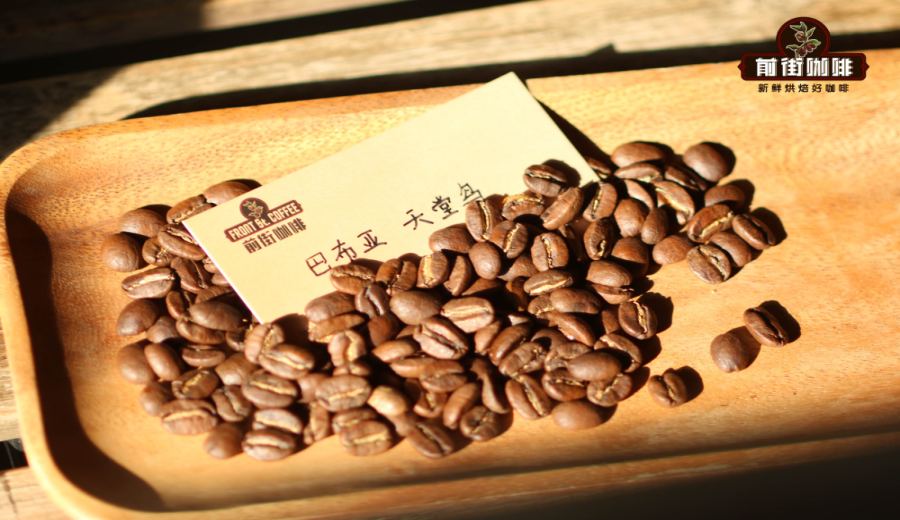
Introduction:Want to learn about Papua New Guinea coffee, often hailed as the "Little Blue Mountain"? This article focuses on the Bird of Paradise Typica beans from Sigri Estate, delving into the growing region’s geography, eco-friendly farming practices, and washed processing methods, along with a detailed breakdown of roasting and pour over parameters. Whether you’re trying PNG coffee for the first time or looking to refine your brewing skills, you’ll gain key insights into its flavor profile and practical brewing tips.
Papua New Guinea coffee is often referred to by coffee enthusiasts as the "Little Blue Mountain," not because the flavors are identical, but because its main variety—Typica—originates from Jamaica’s Blue Mountain, and it shares similar altitude and climatic conditions. In particular, the “Bird of Paradise” coffee produced by Sigri Estate has gradually gained international recognition thanks to its high-quality washed processing and strict quality control.
This country, located in the eastern half of the island of New Guinea, is commonly abbreviated as “Papua” or referred to by its English acronym, PNG. Though it shares the same island with Indonesia, its coffee-growing regions are mostly concentrated at elevations between 1,300 and 1,800 meters, enjoying superior natural environments that result in flavor profiles distinctly different from those of Sumatra, Indonesia—characterized by bright acidity and clear floral and fruity notes, more akin to Central and South American beans.
Over 70% of Papua New Guinea’s coffee industry comes from small family farms, many of which are carved out along forest edges, some even hidden deep in jungles with little contact with the outside world. The cool climate and significant day-night temperature variations at high altitudes help coffee cherries ripen slowly, accumulating richer flavor compounds. However, due to poor transportation, farmers face major challenges in applying fertilizers and pesticides, so they mostly rely on natural farming methods, indirectly contributing to the pure and natural characteristics of the region’s coffee.
The fine coffees of Papua mostly come from the Waghi Valley and Sigri Estate in the western highlands, as well as renowned estates in the eastern highlands such as Aroma, Chimil, and Aroraka. Among them, the Kroma Estate has garnered particular market attention. Compared to the spicy and herbal profiles commonly found in Indonesian coffees, PNG coffees, due to differences in variety and processing methods, exhibit a more refreshing and vibrant character, with pronounced fruit acidity and floral notes, more closely aligned with South American beans.
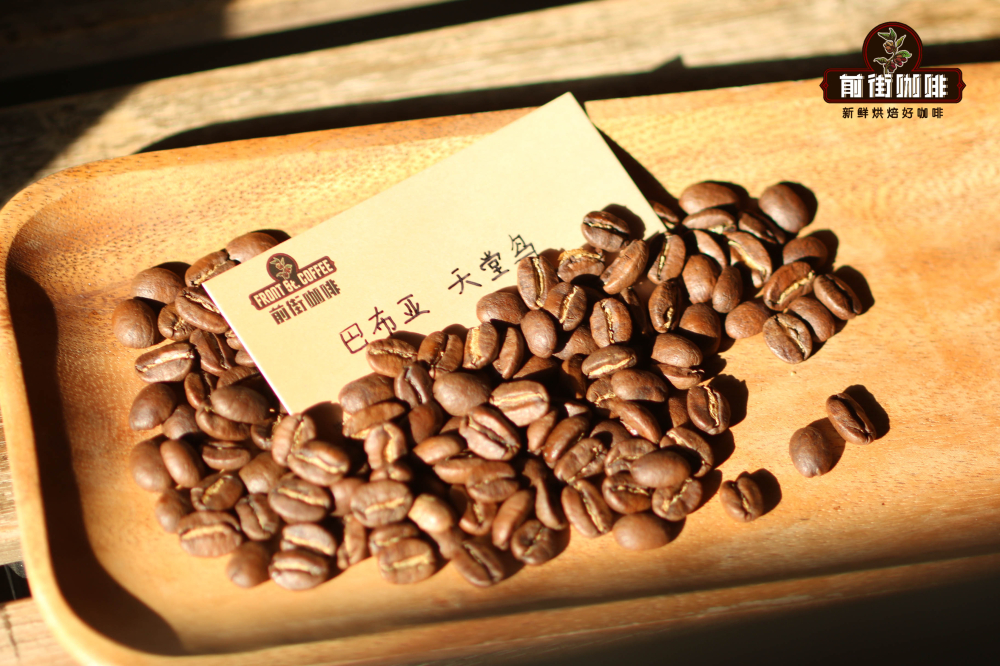
When talking about Papua coffee, one cannot overlook the symbolic name “Bird of Paradise.” The most commonly available PNG beans in the domestic market come from Sigri Estate and Prossa Estate, both of which have sacks printed with the image of the Bird of Paradise—this bird is Papua’s national bird, symbolizing rarity and freedom. Initially, the Sigri Estate beans were nicknamed the Bird of Paradise due to their packaging emblem. Later, when Prossa Estate entered the market, to avoid confusion, the distinction was made by estate name. It’s worth mentioning that Sigri Estate beans have an excellent appearance; this year’s crop features plump green beans with a vivid emerald green color, indicative of outstanding quality.
Founded in 1950, Sigri Estate is a key pioneer in Papua’s coffee industry. It is located in the Waghi Valley of the Western Highlands Province, at an altitude of about 1,500 meters, with mineral-rich volcanic soil. The local climate is cool with stable rainfall, and the planting area is far from pollution sources, providing an ideal environment for coffee trees. More importantly, Sigri Estate adheres to ecological sustainability, completely banning the use of pesticides and chemical fertilizers, committed to maintaining soil health and biodiversity, making this land a paradise for birds and other wildlife.
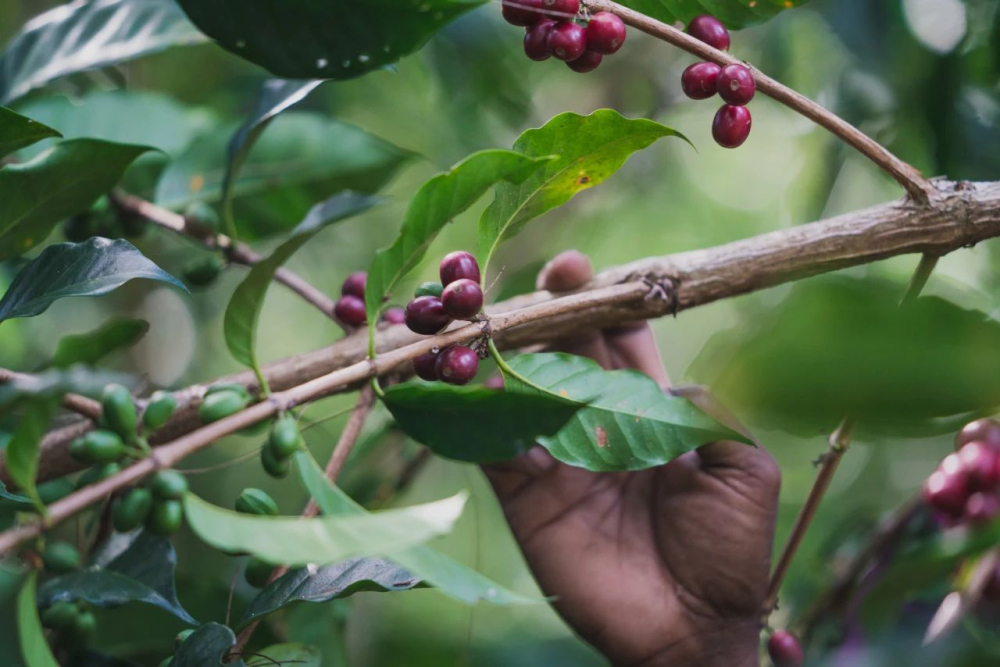
The coffee harvest season at Sigri Estate runs from April to September each year. Only fully ripe, red coffee cherries are handpicked to ensure each bean achieves optimal sugar content and balanced acidity and sweetness. Additionally, the estate conducts daily cupping to ensure each batch maintains consistently high standards, which is also a key reason why it has earned a place among the world’s specialty coffees.
Coffee processing in Papua New Guinea is predominantly washed, a method that highlights the beans’ bright acidity and clean aftertaste, with flavors resembling those of Central American coffees. Large producers often operate dedicated washing stations, while many smallholder farmers, through careful management, demonstrate even higher consistency in processing details.
The washing process typically involves three rounds of fermentation and washing, each lasting about 24 hours, with fresh water changed to precisely control fermentation flavors. After processing, the beans are stripped of mucilage and outer skins, then graded by size and shape into AA, AB, and peaberry (PB). Such rigorous processing procedures ensure that Papua’s washed beans generally possess clear and delicate acidity along with a long, soft sweetness.
In terms of roasting, this Bird of Paradise Typica is a variety with slightly lower density. To highlight its refreshing acidity and fruity notes, a medium roast is recommended. Start at 170°C with the air vent set to 3 and heat at 140; the turning point is around 1 minute and 36 seconds. When the temperature reaches 140°C, adjust the air vent to 4; at approximately 6 minutes and 25 seconds, when the temperature is 151°C and the beans turn yellow with grassy notes fading, reduce the heat to 110 while keeping the air vent at 4. Once the temperature rises to 176°C, observe the bean surface changes, then at 180°C, reduce the heat to 90. Just before first crack, open the air vent fully, and maintain the temperature rise rate during first crack within 6°C, finally dropping the beans at 198.5°C. The first crack development lasts about 3 minutes, resulting in a balanced and layered cup profile.
For pour over, we recommend using 15 grams of coffee grounds with a 1:15 brew ratio, paired with a medium-coarse grind (about 65% passing through a #20 sieve), and water temperature controlled at 88°C. We suggest using a KONO MEIMON filter. Use a pulse pouring method: the first pour is 30 grams of water in a small circle in the center of the coffee bed for a 30-second bloom, during which the coffee bed will gradually expand like a burger. The second pour is 120 grams, poured in a circular motion from the center outward, keeping the water flow steady and avoiding excessive agitation. The final pour adds 75 grams for a total of 225 grams, with an extraction time of about 2 minutes. These parameters help bring out the dominant notes of nuts and cocoa, along with a light berry sweetness, resulting in a rich, balanced cup with soft acidity and a long-lasting finish.
The above content is compiled by CoffeeHunters, a coffee news website.


