







Introduction:Jamaican Blue Mountain coffee is touted as one of the world’s finest coffees, but its rarity and high price have led to a market flooded with various “Blue Mountain-flavored” alternatives. This article delves into the production region classification, grading system, and authenticity identification methods of genuine Blue Mountain No. 1, while also providing professional pour over parameters and flavor profiles to help you distinguish real from fake Blue Mountain and grasp the essence of authentic Blue Mountain coffee.
Blue Mountain coffee has long been hailed as the pinnacle of the coffee world, not only because of its scarce production but also due to the unique flavors cultivated in high-altitude environments. However, due to its expensive price and limited supply, many coffee products claiming to have a “Blue Mountain flavor” have emerged on the market, making it difficult for consumers to discern what constitutes true Jamaican Blue Mountain No. 1. This article will comprehensively analyze the differences between Blue Mountain No. 1 and generic Blue Mountain-flavored coffee—from regional grading, grading standards, packaging identification to actual brewing performance—and offer practical tasting and brewing advice.
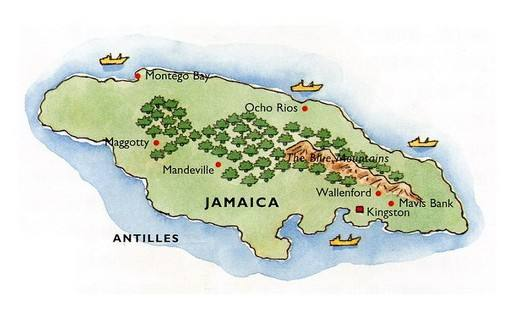
Authentic Jamaican Blue Mountain coffee is grown exclusively in the Blue Mountains, where elevations generally range between 1,000 and 1,700 meters. Such altitude imparts the coffee beans with rich and delicate flavors. However, due to its extremely limited production and high cultivation and processing costs, numerous coffee products that merely mimic the flavor characteristics of Blue Mountain have appeared on the market. These products do not come from the Blue Mountain growing region and cannot deliver the same depth of flavor.
In Japan, Blue Mountain-related products are often divided into three main categories: the highest tier is “Blue Mountain coffee,” which must consist entirely of coffee beans from the Jamaican Blue Mountain region; next is “Blue Mountain blend,” which requires at least 60% Blue Mountain beans; and the lowest tier, “Blue Mountain flavor,” does not need to contain any Blue Mountain beans at all, relying solely on blending to simulate similar aromas and tastes. Therefore, consumers should pay special attention to product labeling when purchasing to avoid mistakenly buying substitutes that only have a “Blue Mountain flavor.”
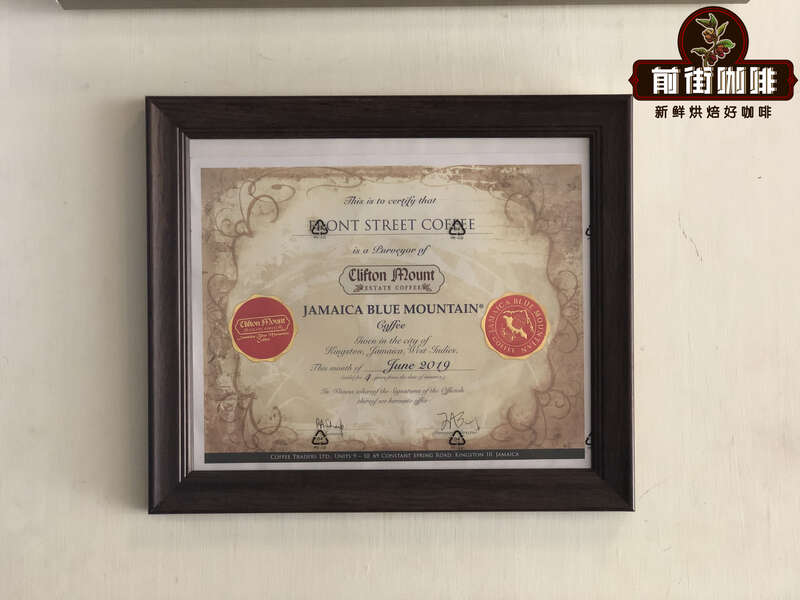
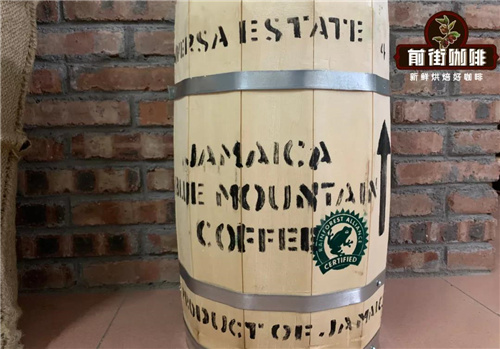
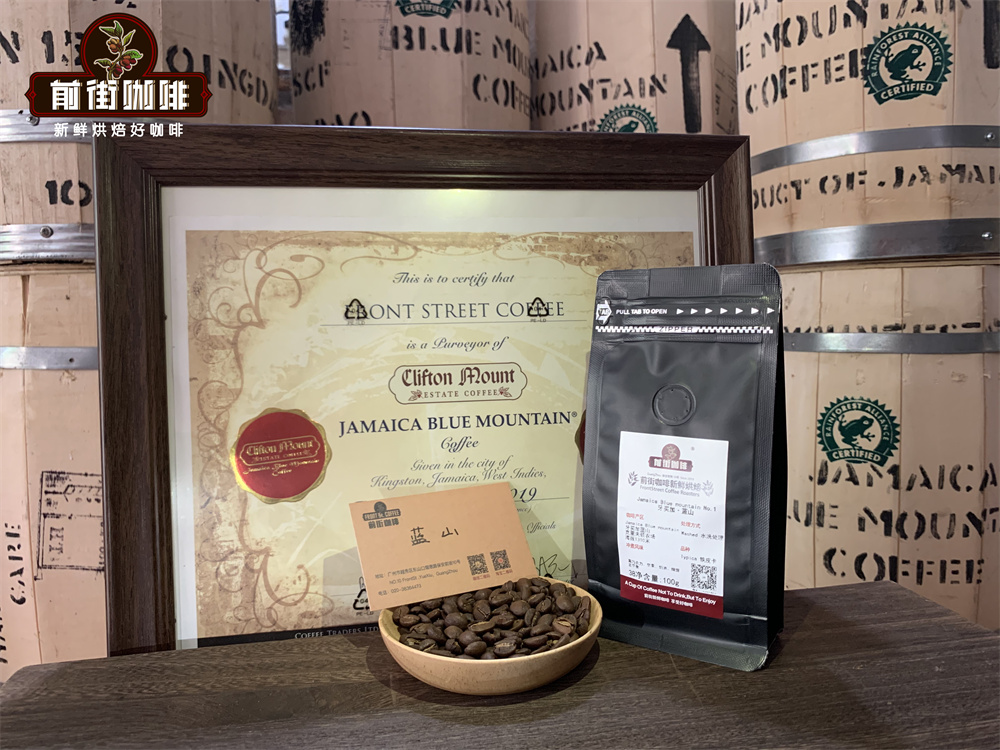
How can you confirm that the Blue Mountain coffee you purchased is authentic? A simple yet crucial identification method is to observe the packaging style: genuine Blue Mountain coffee is usually not packed in common cotton or linen coffee bags, but rather in wooden barrels, which often feature the official logo of the tropical rain frog and come with certification documents issued by the Jamaican government. It is recommended that consumers request these relevant certificates from retailers to ensure the beans are authentic.
Jamaican Blue Mountain coffee is subdivided into three main grades based on production region and quality: Blue Mountain coffee, High Mountain coffee, and Jamaican coffee, with Blue Mountain and High Mountain coffee each further divided into two levels. The overall ranking from highest to lowest is: Blue Mountain No. 1, Blue Mountain No. 2, High Mountain No. 1, High Mountain No. 2, and Jamaican coffee. If categorized by green bean specifications, they are divided into NO.1, NO.2, NO.3, and PB (peaberry). According to the standards of the Jamaica Coffee Industry Board (CIB), NO.1 Blue Mountain green beans must meet strict criteria such as being above screen size 17, having a defect rate below 3%, and a moisture content of around 13%. These specifications are the foundation for ensuring the consistency of Blue Mountain coffee flavors.
Many consumers are familiar with the flavor descriptions of Blue Mountain coffee, such as the excellent balance of acidity, sweetness, bitterness, and body, and the rich yet elegant aroma. However, these descriptions are often subjective, as everyone perceives flavors differently. Therefore, to truly appreciate the charm of Blue Mountain coffee, it is recommended to brew and taste it yourself, rather than relying solely on marketing language on the packaging. Many coffee enthusiasts describe Blue Mountain coffee as the “gem of coffees,” with a smooth and mellow flavor that is ideal for drinking as black coffee. It also contains about half the caffeine of other coffees, aligning more closely with the trends of modern healthy beverages.
However, in recent years, some merchants have mixed low-altitude beans with high-altitude beans or introduced blends containing only trace amounts of Blue Mountain beans, which has affected the overall reputation of Blue Mountain coffee. These products include “Blue Mountain flavor coffee” and “Blue Mountain blends,” the former containing no Blue Mountain beans at all, and the latter having an extremely low proportion of Blue Mountain beans, unable to deliver the refined taste of true Blue Mountain coffee. Consumers should carefully read product information or directly verify the bean origin and grade with the supplier when making a purchase.
So, why is Blue Mountain coffee so expensive and uniquely flavorful? Take the Blue Mountain No. 1 produced by the Clifton Estate as an example: its green beans exhibit a uniform light green color, with medium-to-small bean size and slightly upturned ends. After roasting, the beans visibly expand and feel fuller to the touch. Due to growing at high altitudes, their cell structure is relatively loose, and when ground by hand, the beans offer a crisp and smooth grinding texture with almost no resistance.
Ground Blue Mountain coffee emits a rich and robust aroma, unmatched by many blends or mixed products. To fully showcase its flavor, it is recommended to use the following pour over parameters: KONO filter, water temperature around 88°C, 15 grams of coffee grounds, and a 1:15 coffee-to-water ratio. Specifically, it is suggested to use a simple and controllable three-stage pouring method—first, pour 30 grams of water for blooming to wet the coffee grounds and form a “hamburger” shape, for about 30 seconds; then at 54 seconds, pour 125 grams of water, and when the water level drops to two-thirds of the coffee bed, pour the final 90 grams of water at 1 minute and 40 seconds, bringing the total water volume to 225 grams, with the total extraction time controlled to around 2 minutes and 10 seconds. After brewing, gently swirl to ensure even flavor release before tasting.
Properly brewed Blue Mountain No. 1 coffee typically exhibits a mild citrus acidity, with a smooth mouthfeel and distinct layers. The mid-palate reveals nutty aromas, while the finish carries a hint of dark chocolate richness. Overall, its flavor balance is exceptional, with no single taste overly dominant or missing—this is also the key factor that distinguishes Blue Mountain coffee from coffees of other regions and serves as an important indicator for authenticity verification.
The above content is compiled by CoffeeHunters, a coffee news website.


