







Introduction:Yirgacheffe is often the first choice for many coffee enthusiasts entering the world of specialty coffee. Its washed and natural processing methods each showcase distinctly different flavor profiles. This article delves into the differences between Yirgacheffe washed and natural coffees in terms of processing techniques, bean appearance, flavor characteristics, roasting preferences, and pour over parameters. It also includes practical illustrations and parameter suggestions to help you find the one that best suits your taste.
When it comes to Yirgacheffe in Ethiopia, it’s almost an iconic origin that everyone in the specialty coffee community knows. The coffee produced here is renowned for its unique floral and fruity aromas and bright acidity, with washed and natural processing methods being the most representative. Although both originate from the same region, their different processing methods deliver entirely distinct taste experiences.
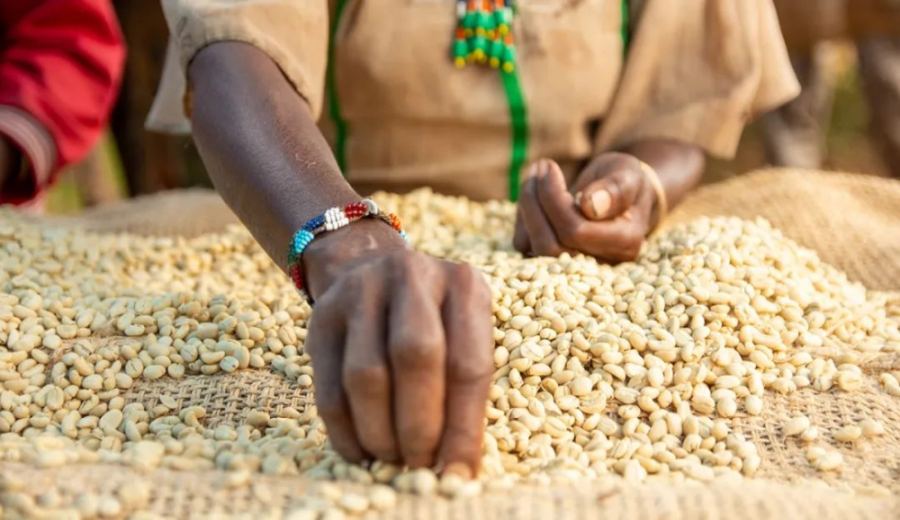
Yirgacheffe washed processing mainly involves soaking, fermenting, and rinsing with clean water to completely remove the flesh and mucilage layer of the coffee cherry, leaving only the green beans encased in the inner parchment. This process typically takes one to three weeks of sun drying, during which the moisture content is stabilized at around 12%. This method highlights the beans’ inherent bright acidity and floral notes, with common flavors including lemon, jasmine, citrus, and a clean aftertaste — like a refreshing fruit tea.
In contrast, the natural processing method involves drying the whole coffee cherry directly under the sun for about four weeks. During this time, the sugars and flavor compounds in the fruit pulp gradually seep into the seed, imparting the coffee with intense fruity aromas, sweetness, and fermentation layers. Natural Yirgacheffe often features flavors of berries, honey, wine-like notes, and even slight spices. It has a fuller body, a long and warm aftertaste, resembling sipping a rich fruit liqueur.
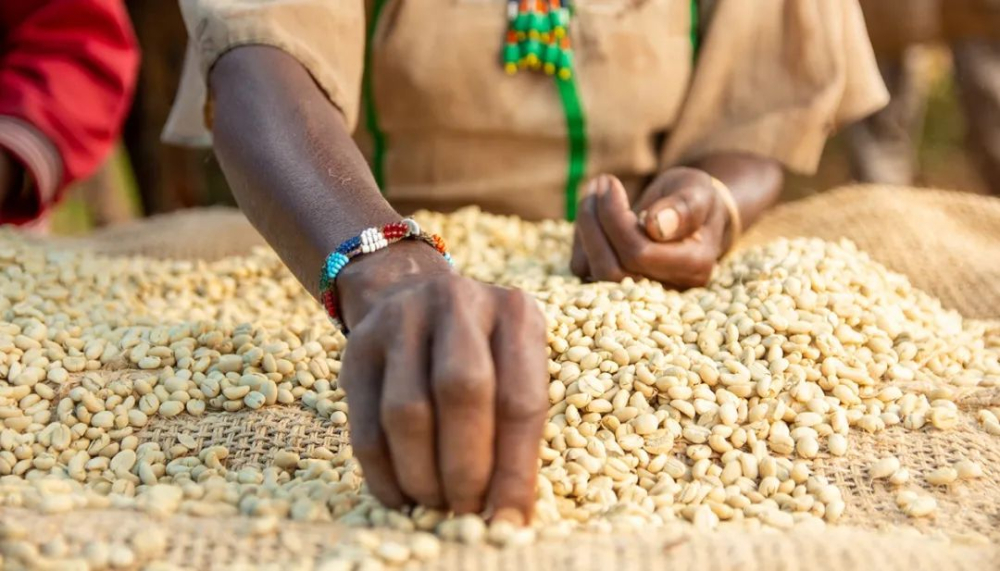
Observing the raw beans, washed Yirgacheffe usually appears bluish-green, with more silverskin after roasting and often shows obvious wrinkled textures on the bean surface. On the other hand, natural Yirgacheffe raw beans tend to be yellowish-green, with less silverskin after roasting and a smoother, tighter appearance. These visual differences not only reflect the processing methods but can also help consumers quickly identify them when selecting.
In terms of flavor expression, washed Yirgacheffe is primarily characterized byhigh and bright acidity,with acidity resembling lemon or lime, accompanied by fresh floral notes and an aftertaste akin to black tea. The overall mouthfeel is refreshing and layered, making it suitable for those who enjoy subtle and elegant acidity. The natural version, on the other hand, showcasesintense fruity aromas and sweetness,often accompanied by notes of berries, honey, and light fermentation, with a rounded and full-bodied taste. It’s ideal for drinkers who prefer sweetness and a richer mouthfeel.
In terms of roasting, to faithfully present Yirgacheffe’s floral and fruity characteristics, light roasting is usually the preferred choice. This level of roasting preserves the bean’s innate flavors and highlights its bright acidity and delicate aromas. It is recommended to use a slow and stable roasting rhythm, allowing full development time during first crack to bring out the most complete fruitiness and sweetness.
For actual pour over brewing, it is recommended to use a V60 filter, with around 15 grams of coffee, water temperature controlled at about 93°C, and grind size close to that of fine sugar. Begin with a 30-gram bloom for approximately 29 seconds, then proceed with two pours: first pour up to 125 ml and pause, then slowly pour up to a total of 225 ml. This parameter setup helps balance extraction, bringing out clear acidity and a smooth sweetness, and is suitable for both washed and natural Yirgacheffe.
It should be noted that natural Yirgacheffe, due to its higher fermentation and sweetness levels, should avoid over-extraction during brewing to prevent excessive off-flavors or bitterness. It is advised to control the total brew time within 2 minutes 30 seconds to 3 minutes to achieve the best balance.
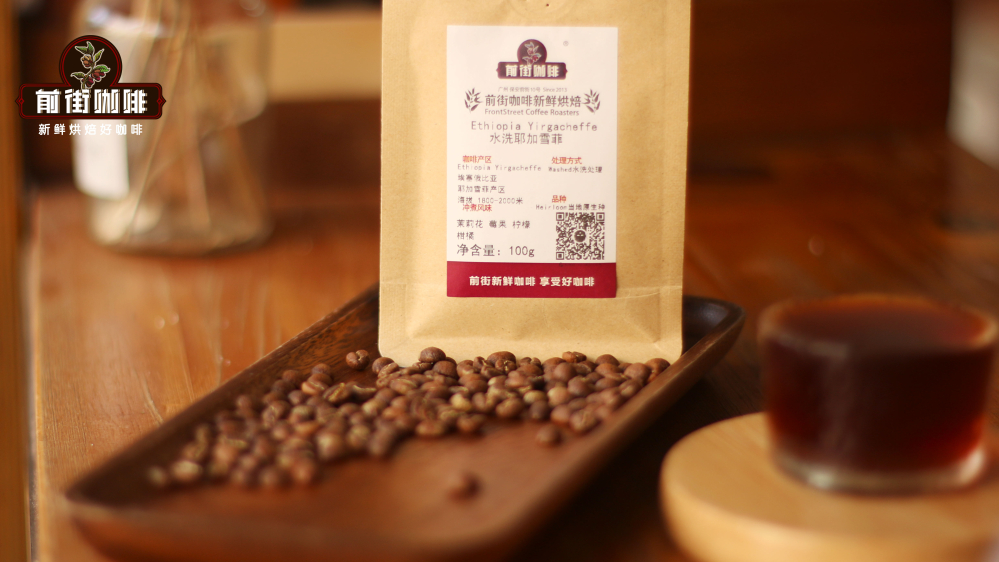
Overall, if you are new to specialty coffee, it is recommended to start with washed Yirgacheffe to experience its refreshing citrus and floral notes, which serve as an excellent introduction to Yirgacheffe’s flavor profile. If you are already familiar with the basic acidic and sweet structure of coffee, you might want to challenge yourself with the natural version to explore the surprises brought by its intense fruitiness and fermentation layers.
Regardless of which processing method you choose, Yirgacheffe showcases the unique charm of Ethiopian coffee. By understanding its processing differences, flavor characteristics, and suitable brewing methods, you will be able to more precisely select the Yirgacheffe that best matches your palate and enjoy the story and details behind every sip.
The above content is compiled by CoffeeHunters, a coffee news website.


