







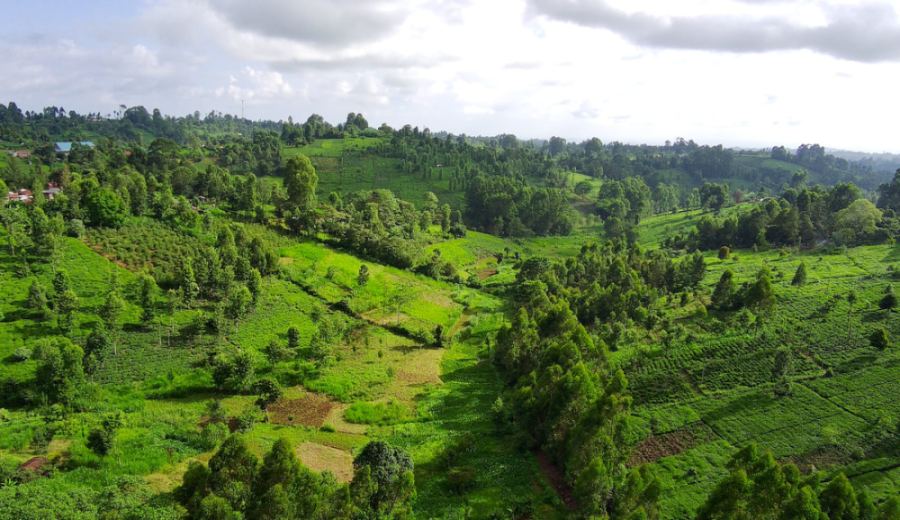
Introduction:Kenyan coffee is renowned for its vibrant acidity and rich body, the result of a fascinating journey that spans the introduction of Bourbon varieties, colonial-era varietal improvements, and the development of its distinctive washed processing methods. This article takes you deep into the origins of Kenyan coffee cultivation, its varietal characteristics, and how key processing techniques like K72 washing shape its unique flavor profile—along with practical brewing tips to help you savor the essence of African coffee.
Although Kenya borders Ethiopia, the birthplace of coffee, its coffee-growing history is relatively recent, beginning in the late 19th century when missionaries introduced Bourbon seeds from Réunion Island (also known as Bourbon Island). These seeds were part of the "French Mission" lineage, named after the French missionary who brought them. Interestingly, coffee did not spread southward into the African interior but instead took a detour northward, eventually returning to the East African Rift Valley region.
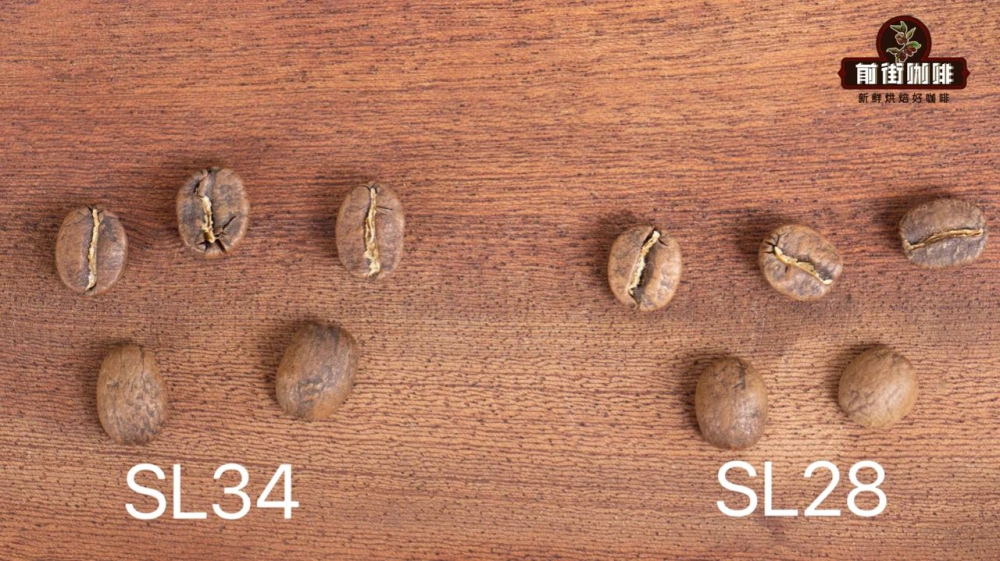
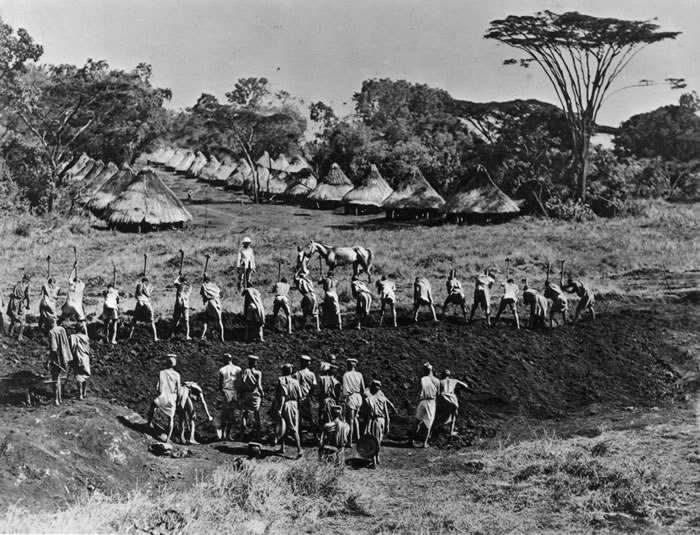
During the British colonial period, the profits of Kenya’s coffee industry largely flowed to the colonial power. By 1954, local Kenyan farmers controlled only about 5,000 acres of coffee farms, with the majority owned by the British, whose harvests were primarily auctioned in London. However, the Scott Laboratories, established during the colonial era, played a pivotal role. The SL28 and SL34 varieties developed there laid the foundation for Kenya’s bright acidity and complex flavors. Additionally, varieties like Ruiri 11, Batian, K7, and Kent became common due to their disease resistance or drought tolerance.
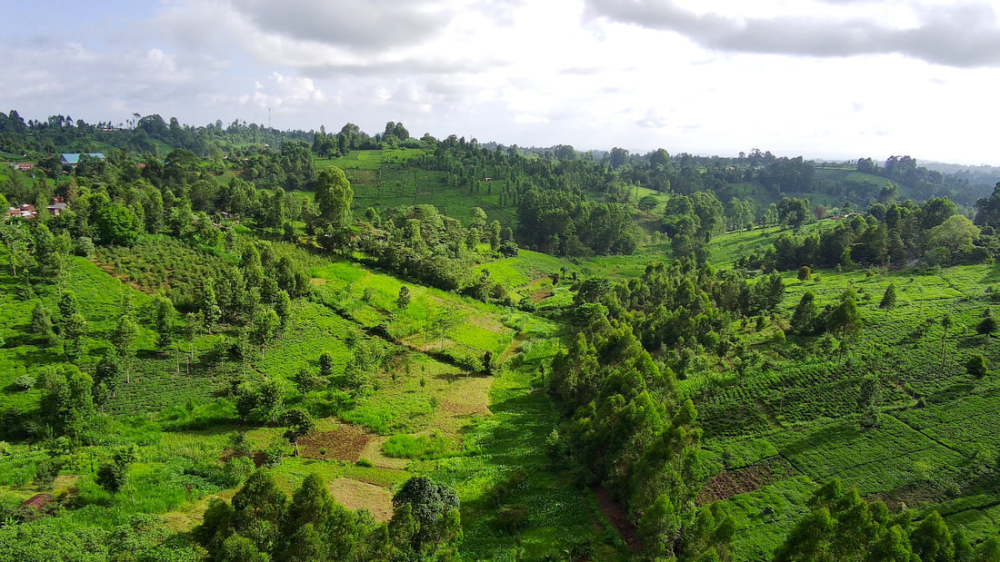
The story of Kenyan coffee began in 1893, generally believed to have started when French Holy Ghost Fathers brought Bourbon seeds from Réunion Island, though some argue it originated from Ethiopia. After Kenya became a British colony in 1933, the coffee industry was integrated into the "East African Protectorate" system. The Kenya Coffee Board was established in 1933, and the auction system was introduced in 1934, continuing to this day. It wasn’t until the 1960s that Kenyan farmers gradually gained the right to independently grow and process coffee.
In the late 1980s, Kenyan coffee production peaked at 130,000 tons, but recent output has declined to around 40,000 tons. To revitalize the industry, the government has launched relevant initiatives. Kenyan coffee is celebrated for its intense and full-bodied acidity, balanced pH, dense beans, and rich fruit flavors, forming a sharp contrast to the softer, more transparent acidity of its neighbor Ethiopia. For those new to African beans, it’s recommended to start with Ethiopian beans before experiencing the bold personality of Kenyan ones.
While Kenya’s washed processing method shares steps with standard washed processing—such as flotation, pulping, fermentation, washing, drying, hulling, and packaging—it requires significant water and equipment support in practice. The traditional single-wash process evolved into the "Double Washed" method (also called "Fully Washed" or "Kenyan Process") due to limited drying space. This involves re-immersing the beans in clean water after the initial fermentation wash, performing a second wash and cooling to maintain quality in constrained conditions, unexpectedly enhancing the acidity profile.
Kenya’s most iconic K72 washed process is even more renowned for its precise fermentation control. The process is divided into three 24-hour stages, totaling 72 hours: first, an initial washed fermentation removes the mucilage, followed by second and third fermentations in clean water tanks, each with thorough residue washing, and finally, completion of the entire fermentation in a clean water bath. This technique creates the bright, clean acidity characteristic of Kenyan coffee—for example, Asali beans from a certain brand exhibit acidity reminiscent of cherry tomatoes and dark plums.
The key to the K72 washed process lies in time management and multiple fermentations, which not only stabilize quality but also deepen flavor complexity. The coffee beans undergo repeated washing and fermentation, a time-consuming process that effectively enhances the purity of acidity and overall cleanliness. This method has become a hallmark of Kenyan coffee, highly acclaimed in the global specialty coffee market.
Take, for example, the AA TOP-grade coffee beans produced by Asali Honey Processing in Thika, Kenya. Grown at altitudes between 1,550 and 1,750 meters and cultivated from SL28 and SL34 varieties, these beans are processed using the K72 method, showcasing the pinnacle of Kenyan coffee. Some coffee brands recommend using a V60 filter with a higher water temperature (90°C–91°C) and flow rate design when brewing such medium-light roasted Kenyan beans to fully extract their bright acidity while avoiding over-extraction.
Specific brewing parameters are suggested as follows: a 1:15 coffee-to-water ratio, 15 grams of coffee, ground to the fineness of superfine sugar (80% passing through a #20 sieve). The first step is a 30-second bloom with 30 grams of water, followed by pouring 105 grams of water (completed within about 1 minute). When the water level drops to two-thirds of the coffee bed, add another 120 grams of water (completed within about 1 minute 45 seconds), with a total extraction time of around 2 minutes 10 seconds. These parameters balance acidity and sweetness, highlighting flavors of dark plum and cherry tomato, with a pronounced sweetness in the mid-palate and a finish of berry, brown sugar, and green tea aromas.
The above content is compiled by CoffeeHunters, a coffee news website.


