







Introduction:The flavor of coffee beans is influenced not only by origin and variety but also, crucially, by processing methods. This article delves into the three main coffee processing techniques—natural (dry), washed (wet), and honey—exploring their steps, technical details, and flavor characteristics. It helps you understand how each method shapes a coffee’s balance of acidity and sweetness, aroma complexity, and mouthfeel, serving as a practical guide to entering the world of coffee flavors.
The diversity of coffee flavors stems not just from origin and variety, but processing methods also play a pivotal role. The major global coffee processing methods can be categorized into three types: natural (dry processing), washed (wet processing), and honey (semi-dry processing). These methods not only affect a coffee’s cleanliness and clarity of acidity but also directly influence its sweetness and aroma. Below, we’ll detail the practical workflows, technical highlights, and unique flavor profiles of these three methods in cupping.
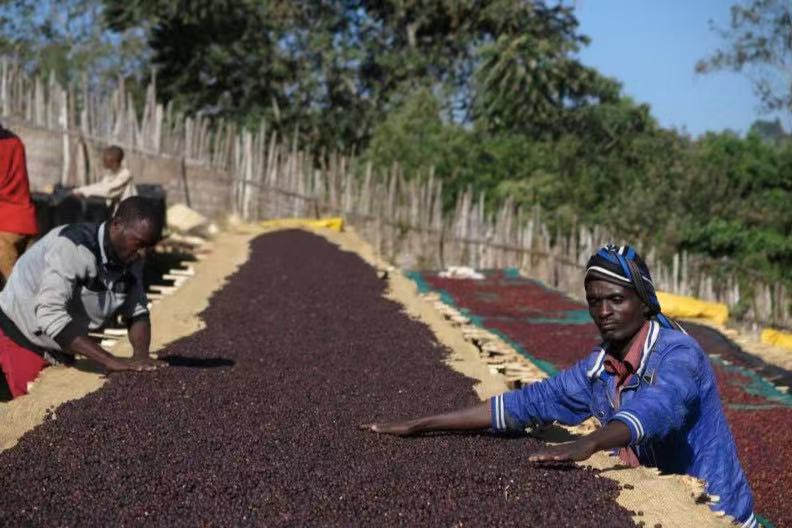
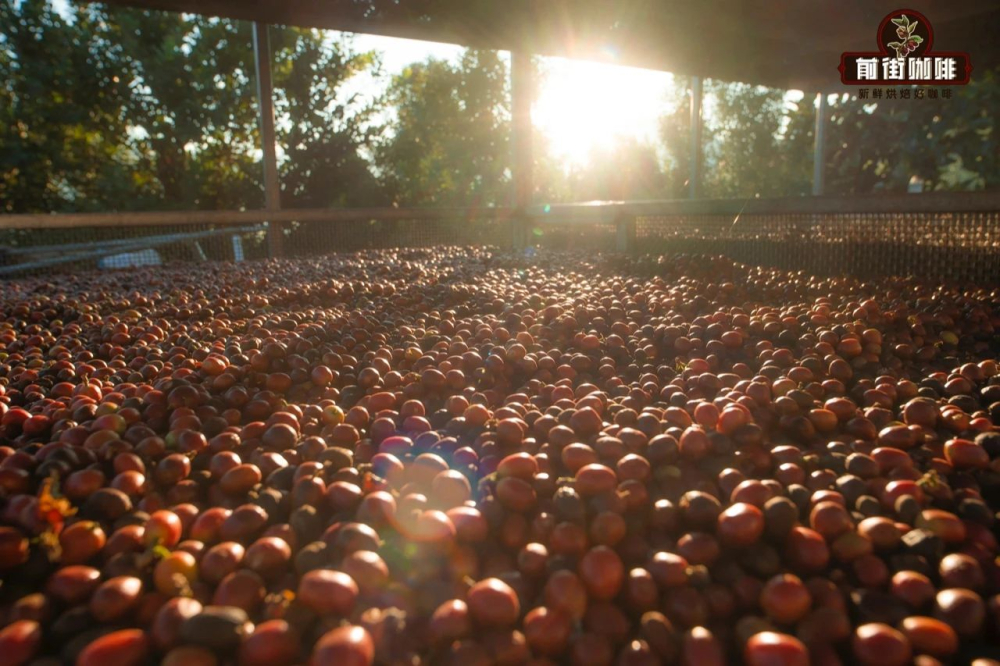
Let’s start with the oldest and most nature-dependent processing method—the natural process, also known as dry processing. This approach skips the removal of the pulp or fermentation stages; instead, the whole coffee cherry is dried directly under the sun until its moisture content drops to 10.5%–12%. In sunny regions such as Ethiopia, Yemen, and Brazil, natural processing is the most common method. In some areas, over 80% of coffee is processed this way, especially where water is scarce.
If weather conditions are unstable, some steps may be assisted with drying machines, but this increases energy costs and may affect the naturalness of the final flavor. Natural processing usually takes 2–4 weeks and requires close monitoring of temperature and humidity to prevent over-fermentation, mold, or scorching. Moderate fermentation can bring complex fruitiness and sweetness, but if poorly controlled, the beans may taste bland or even develop off-flavors. Based on practical cupping experience, well-executed natural beans often exhibit rich fruity notes, soft fermented aromas, and noticeable sweetness, with a rounder mouthfeel.
The second mainstream method is washed processing, also called wet processing, which originated in the 18th century during the Dutch colonial period. It was developed in places like Java, where the climate was humid and rainy, with limited sunlight. The process involves first removing the outer skin and pulp of the coffee cherry, then fermenting the mucilage-covered parchment beans in water tanks. Microorganisms break down the stickiness of the pulp, after which the beans are rinsed clean and dried. Since the excess pulp and mucilage are removed, the overall drying time is significantly shortened.
Fermentation time depends on ambient temperature and yeast activity, typically ranging from 12 hours to 6 days. Some advanced washed techniques, such as the Kenyan method, involve multiple fermentation and washing cycles. Controlling the fermentation is crucial: insufficient fermentation may leave residual mucilage, while over-fermentation can produce sour or spoiled notes. Traditional methods require large amounts of water, but modern techniques have reduced waste through water recycling systems or friction-cleaning equipment. Washed beans are characterized by clean, bright flavors with clear acidity, and they’re less influenced by the fruit pulp, offering a more accurate reflection of regional traits and varietal essence.
The final method—honey processing—is a compromise between dry and wet processing, also referred to as semi-dry or semi-washed processing. Its basic procedure involves removing the outer skin and part of the fruit pulp, but without full fermentation or washing. Instead, the beans, still coated with some mucilage (commonly called "honey"), are directly sun-dried. This method can be further divided into two main types: pulped natural and honey process.
Pulped natural (originating in Brazil during the 1980s–1990s) uses a depulper and high-pressure washing to remove the fruit flesh and most of the mucilage, followed by sun-drying. Skipping the fermentation stage results in simpler, more consistent flavors, but also fewer layers and complexity. This method uses far less water than traditional washed processing, hence it’s also called semi-washed. It’s mainly used in Brazil and parts of Colombia. However, due to the lack of fermentation-derived aromas and sweetness, it’s usually less applied to high-end specialty beans.
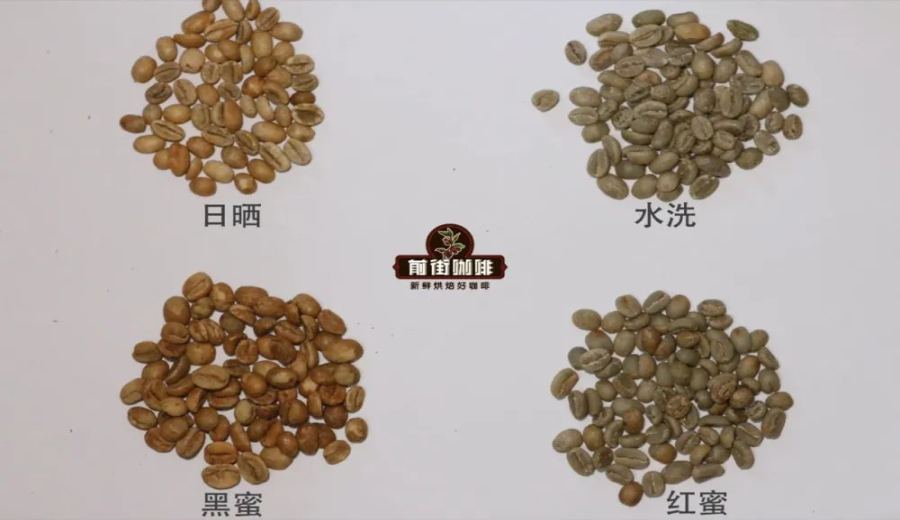
Honey process (miel process), on the other hand, builds on the pulped natural method by intentionally retaining a certain percentage of mucilage, allowing slight fermentation during drying, which adds extra sweetness and fruitiness to the coffee. This technique was first developed in Costa Rica in the 1990s, using a mucilage scraper to precisely control the amount of mucilage left. During drying, the beans remain coated with sticky mucilage, so care is needed to avoid over-fermentation or mold, demanding stricter weather and management control. Depending on the amount of mucilage retained, some producers describe it as 40%, 60%, 80%, or 100% honey process, though actual percentages are hard to measure precisely. More commonly, it’s categorized by the color of the dried beans—for example, black honey (most mucilage retained, darkest color), red honey, yellow honey, and white honey. The more mucilage, the closer the flavor is to that of natural beans, with more pronounced sweetness and fermented aromas.
Practical cupping shows that honey-processed beans usually present intense fruity aromas with a wine-like fermented sensation, along with a rich layering of sweetness. However, their acidity and aroma intensity may not be immediately appreciated by every coffee novice. If you’re just beginning to explore the world of coffee, it’s recommended to start with the more mild and balanced flavors of natural beans, then gradually try honey and washed beans to appreciate the subtle differences brought by each processing method.
The above content is compiled by CoffeeHunters, a coffee news website.


