







Introduction:Hua Kui coffee beans are a star item among Ethiopia’s specialty coffees, rising to fame after winning the TOH (Taste of Harvest) competition in 2017. This article delves into the origins of Hua Kui’s name, changes in its growing regions, evolution of processing methods, and details the flavor differences across batches such as 1.0 to 5.0 and the small-bean Hua Kui. It also provides expert pour over recommendations and roast curve references to help coffee enthusiasts fully grasp the characteristics and brewing tips of this popular bean.
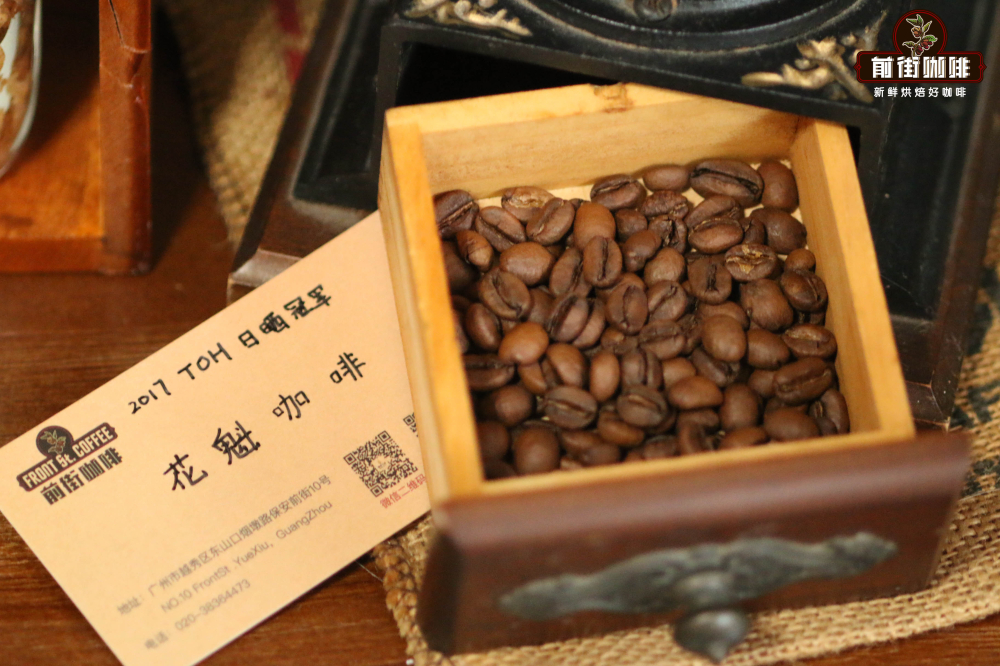
In recent years, Hua Kui coffee beans have garnered significant attention in the specialty coffee community. The name originates from the champion title it won at the 2017 TOH (the Taste Of Harvest) green coffee competition. This sun-dried G1-grade coffee was originally produced at the Buku Abel washing station in the Hambella region of Ethiopia’s Guji Zone, quickly captivating coffee lovers worldwide with its intense floral aroma and rich fruit notes. As market demand grew, DW Company successively established multiple washing stations in the area and launched various annual batches including Hua Kui 2.0, 3.0, 4.0, and 5.0, each showcasing unique flavor profiles.
The term “Hua Kui” means the “queen of flowers,” and when applied to coffee beans, it already hints at their exceptional flavor. Before earning its name, this bean was just one of many Ethiopian entries in competitions, often overlooked under the spotlight of more famous regions like Yirgacheffe and Sidamo. However, in 2017, DW Company submitted it to the TOH competition, where it won first place, subsequently debuting as “Hua Kui” — symbolizing its top-tier quality and distinctive charm.
The core production area of Hua Kui is located in Hambella, Guji Zone, more precisely at the Buku Abel washing station in Dimtu town. As Hua Kui gained popularity, DW Company built five additional washing stations within the Hambella Wamena Wereda area to meet soaring market demand. These include Buku Saysay, Haro Soresa, Tirtiro Goye, and Seke Bokosa, all concentrated in the core producing region around Dimtu. It is reported that the annual production of the “Hua Kui” series at that time could reach tens of thousands of tons, making it a highly sought-after bean in the market.
Since 2018, even though the origin and washing stations remained unchanged, the flavor of Hua Kui has undergone subtle changes year by year. Industry cupping observations found that while the 2018 and 2019 Hua Kui retained a similar aromatic profile to the original, they were noticeably inferior in body and aftertaste compared to the 2017 original. To distinguish between different yearly batches, domestic green coffee traders used 2017 as the benchmark, naming subsequent batches Hua Kui 2.0, 3.0, 3.1… up to the latest Hua Kui 7.0, allowing consumers to clearly identify the batch year they are purchasing.
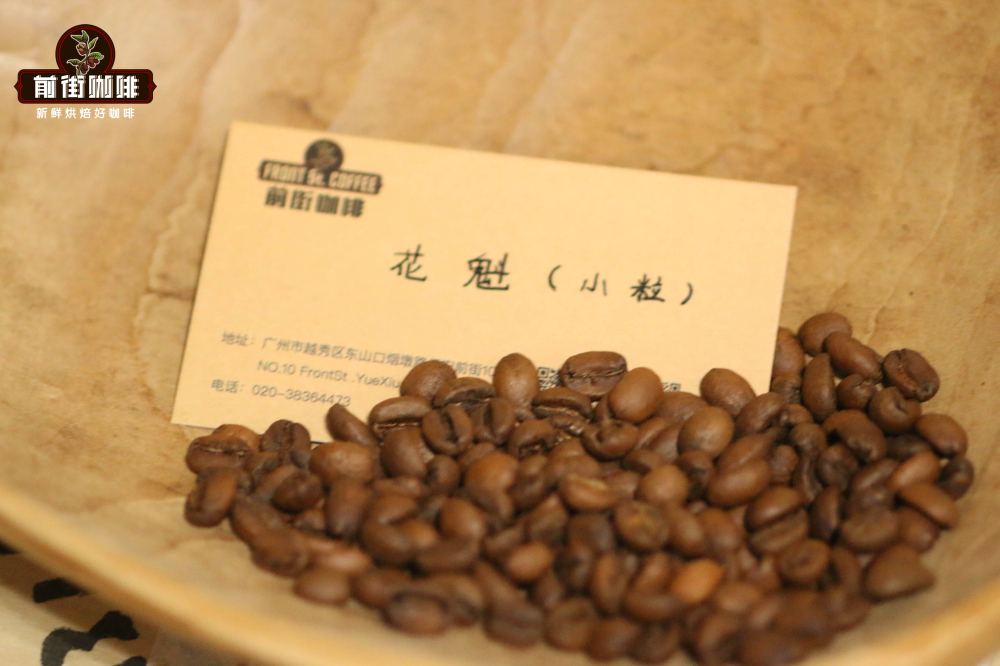
When discussing Hua Kui, the term “small-bean Hua Kui” is also often mentioned. This refers to a particularly small bean variety selected from native coffee plants, usually exhibiting more concentrated aroma expression and serving as one of the core sources of the early Hua Kui flavor. Although batches from 2018 and 2019 still retained some of these small beans, resulting in similar flavors, the body and finish were slightly weaker than the original. By 2020, DW Company began processing this small-bean variety separately, officially launching “Small-bean Hua Kui” as a distinct product. Additionally, Hua Kui 3.1 exhibited cupping notes resembling those of Geisha, distinctly different from traditional Hua Kui — a phenomenon reflecting how the same origin and vintage can yield diverse flavor profiles due to varietal and processing differences.
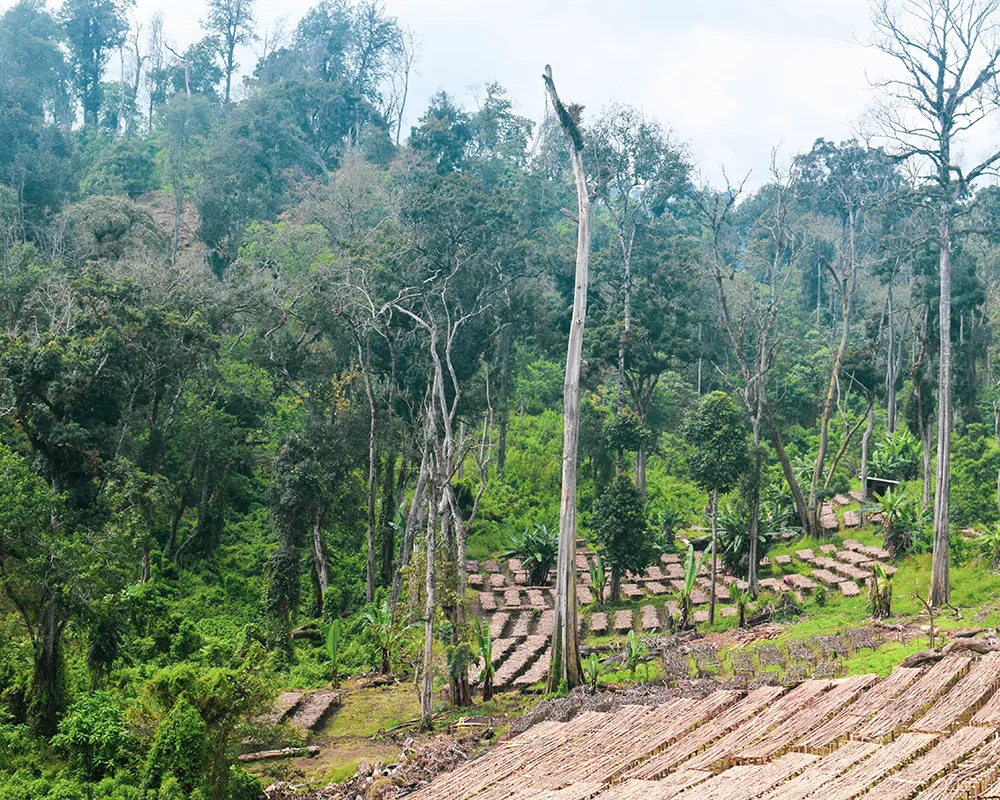
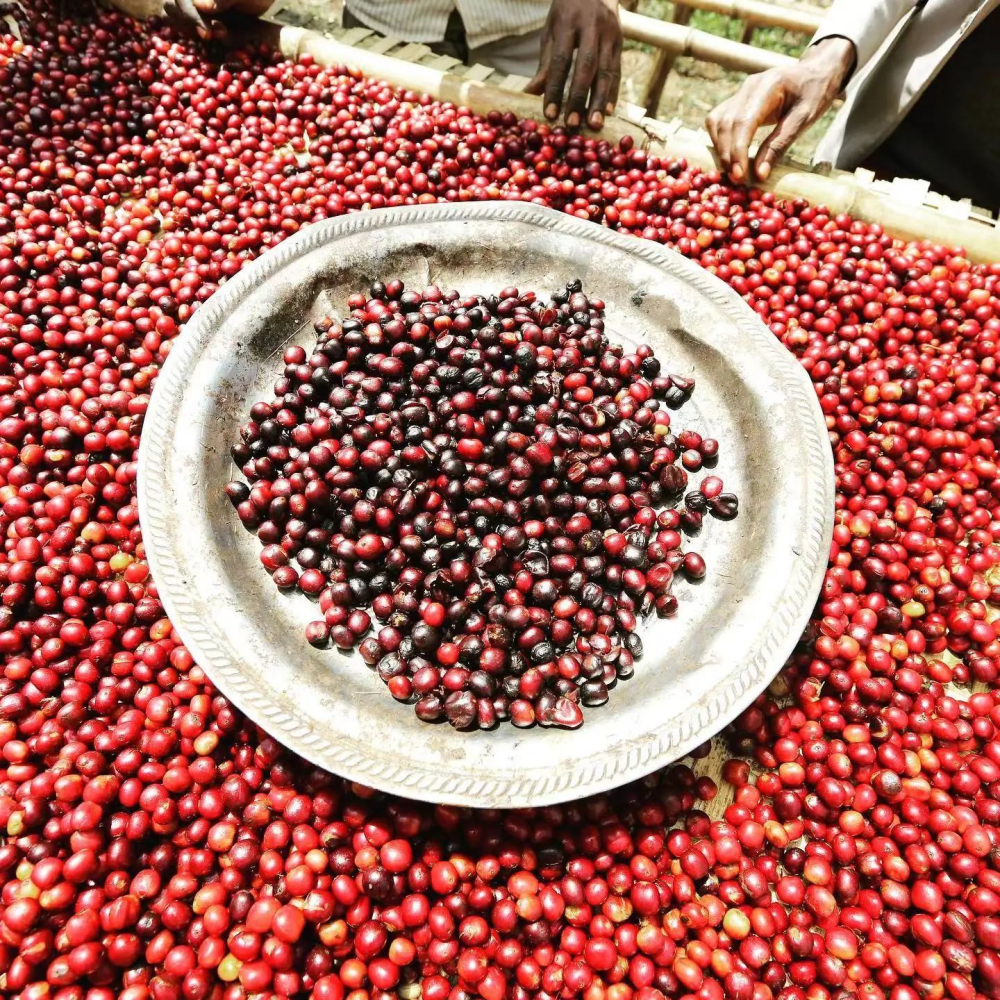
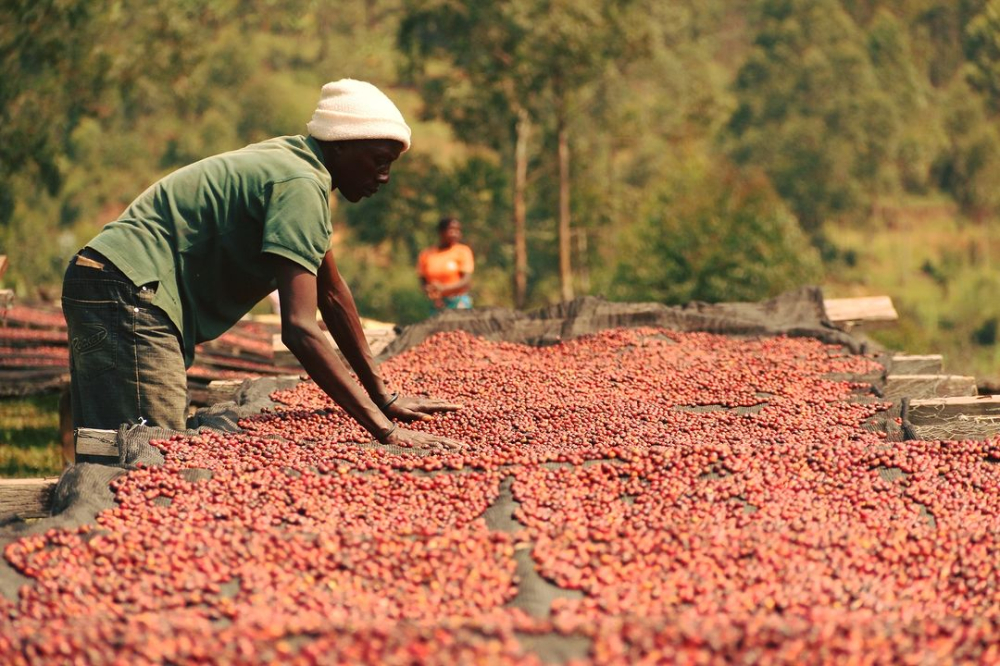
The sun-drying process for Hua Kui is extremely meticulous. The main harvest season runs from December to January each year, during which farmers select only fully ripe red cherries. These are hand-picked and sun-dried on African raised beds, with strict control over the thickness of the cherry layer and the frequency of turning to ensure even fermentation and ventilation. For processing, the sugar content of the red cherries must reach above 30 before sun-drying begins. During the first two days of sun-drying, appropriate humidity is maintained to promote fermentation, while taking advantage of the high-altitude diurnal temperature variation — protecting from sunburn during the day and rain at night. After approximately 18 days of drying, the moisture content of the green beans is reduced to 13%, followed by about 50 days of resting in storage to stabilize the moisture content at around 11% before further processing and export.
Below are industry cupping records for several Hua Kui sun-dried G1 beans: The original Hua Kui from the Buku Abel washing station, grown at an altitude of 2250–2350 meters, exhibits flavors of strawberry, passion fruit, berries, pineapple, butter, and nuts; Hua Kui 2.0 was processed at the Goro washing station at an altitude of 2316 meters, highlighting floral, tropical fruit, red wine, and nut notes; Hua Kui 3.0, also from Goro, at 2300 meters, features pronounced floral, berry, mango, and apricot tones; Hua Kui 3.1, processed at the Mansa Shantang washing station using the MANSA native variety at 2125 meters, presents tropical fruit, citrus, caramel, and buttery notes; Hua Kui 4.0 returns to Buku Abel with the Dega variety at 2350 meters, showcasing a unique combination of rose, creamy strawberry, citrus, and oolong tea; Hua Kui 5.0, once again processed at Goro, includes flavors such as strawberry, butter, fermented wine, mango, and cantaloupe, among other mature fruit aromas.
In terms of roasting, industry roasters note that Hua Kui green beans are dense and hard with a moisture content of about 11%. It is recommended to extend the drying phase, maintain a stable temperature rise before first crack to preserve delicate floral and small-molecule aromatic compounds. The suggested charge temperature is 190°C, with first crack development time adjusted as needed — generally not exceeding 1 minute 30 seconds or falling below 1 minute. The optimal drop temperature is around 193°C, with total roast time controlled within 11 minutes. This roast curve effectively highlights Hua Kui’s floral and fruity aromas along with its layered complexity.
For brewing Hua Kui, it is recommended to use a V60 filter cone, with a high water temperature of 90°C and a 1:15 coffee-to-water ratio. Use about 15g of coffee ground to a fineness where 80% passes through a Chinese No. 20 sieve. Employ a pulse pouring technique: start with a 30-second bloom using 30g of water, then pour in a slow circular motion to 125g before the first pause, then continue pouring to 225g as the water level drops, with a total brew time of about 2 minutes. This parameter setup helps balance acidity and sweetness, fully expressing Hua Kui’s fruity aroma and rich layers, while avoiding over-extraction or overly dominant fermentation notes.
Each batch of Hua Kui also exhibits unique pour over flavor profiles: The original Hua Kui is smooth, with notes of passion fruit, fermented wine, jackfruit, and strawberry; Hua Kui 2.0 has a clean mouthfeel, with prominent berry aromas accompanied by nutty and black tea tones; Hua Kui 3.0 shows light strawberry jam and black tea notes, with a shorter sweet aftertaste; Hua Kui 3.1 is dominated by floral, buttery, tropical fruit, and caramel notes, with a long-lasting finish; Hua Kui 4.0 presents citrus acidity and berry juice-like flavors, paired with lemon-black tea nuances, and a noticeable sweetness; Hua Kui 5.0 is rich in fermented wine character, blending mature fruits like strawberry and mango with honey-like sweetness, offering a diverse and complex flavor profile.
The above content is compiled by CoffeeHunters, a coffee news website.


