







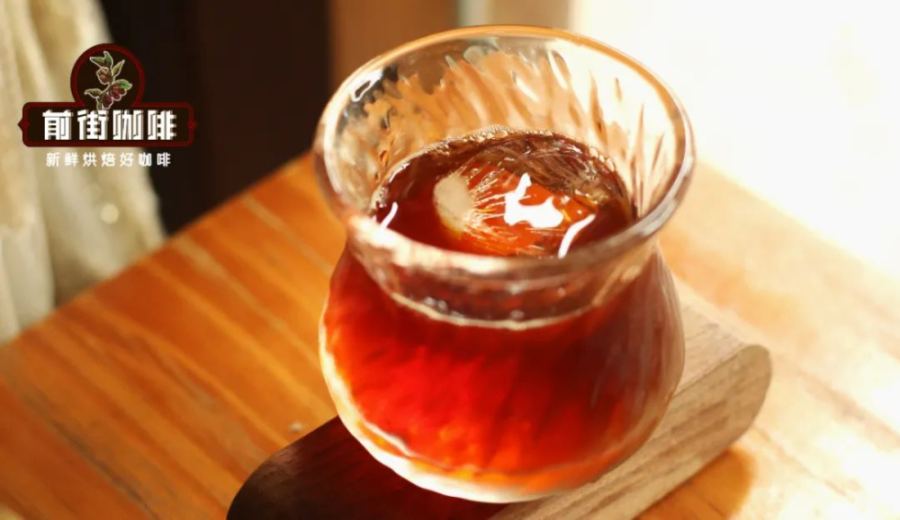
Introduction:When cold slow extraction meets fresh fruit, can it create unexpectedly layered flavors? This article presents practical tests where blueberries, grapes, lemons, and peaches are paired with coffee beans from different regions, delving into the brewing parameters, flavor profiles, and ingredient selection tips for fruit cold brew. From the experimental process to tasting notes, it provides a complete guide to help you craft balanced and refreshing fruit-flavored cold brew at home.
As summer heats up, discussions around cold brew coffee continue to gain traction. However, traditional cold brew is often limited in adjustability due to its low-temperature and long-steeping brewing conditions, typically only allowing tweaks to water temperature, grind size, and water volume. But what if fresh fruit is steeped alongside coffee grounds? Could this unlock a more layered and personalized flavor experience? A team experimented by pairing blueberries, grapes, lemons, and peaches with four distinct single-origin coffee beans, documenting the entire process—from experimental design and brewing parameters to final evaluation—offering coffee enthusiasts a detailed reference guide for exploring creative combinations.
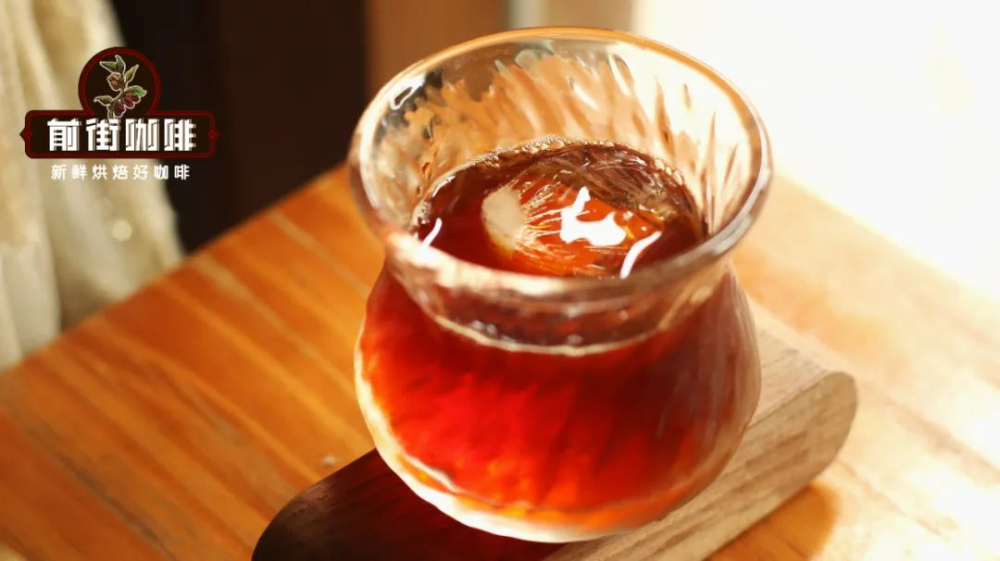
With the arrival of summer and frequent high temperatures, many readers have been asking about cold brew coffee methods and possible variations. In reality, cold brew is minimally affected by ambient temperature and tends to have relatively stable flavor profiles, yet this also leads many to seek more innovative pairings after mastering the basics. The combination of fruit and coffee may sound novel, but it’s actually an intriguing way to expand flavor dimensions.
To prevent the coffee’s inherent flavors from overpowering the fruit’s aroma—or vice versa—this experiment specifically adopted a strategy of “one fruit paired with one coffee bean.” The selected fruits included blueberries, grapes, lemons, and peaches, each paired with one of the following four coffee beans from distinct origins:
10 grams of blueberries paired with Kenyan AA washed beans, featuring flavor notes of cherry tomato, dark plum, and berry tones;
20 grams of grapes paired with Ethiopian Sidamo natural beans, presenting soft pink floral notes, berries, and sugar-like aromas;
2 slices of lemon paired with Colombian “orange soda” profile beans, dominated by orange juice, dried tangerine peel, and citrus elements;
20 grams of peaches paired with Costa Rican “strawberry candy” profile beans, showcasing a blend of strawberry jam, raisins, and rose floral notes.
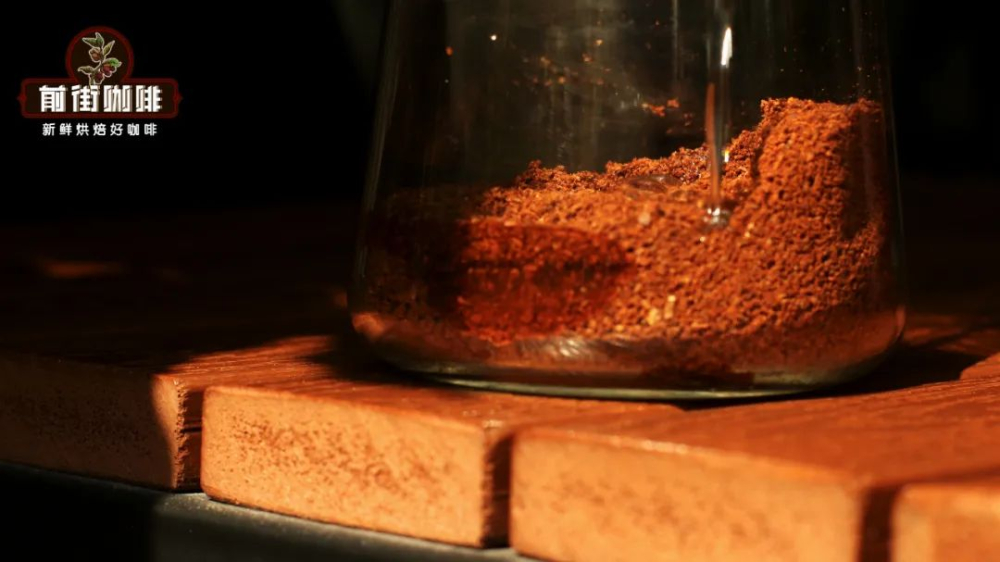
The cold brew parameters used during the experiment were as follows: 20 grams of coffee beans were used with room-temperature water at a coffee-to-water ratio of 1:10 (approximately 200 ml total water volume), ground to a fine sugar-like consistency (EK43s grinder setting around 9.5). The steeping time was 12 hours, followed by 2 hours of refrigerated resting. For the fruit, either crushed directly or sliced, they were placed together with the coffee grounds in a filter or container for steeping without any additional separation process.
During the tasting phase, each combination exhibited distinctly different flavor profiles. The Kenyan AA and blueberry pairing emitted a subtle blueberry aroma upon opening, with an entry of typical Kenyan dark plum and deep berry acidity, gradually giving way to the blueberry’s inherent sweetness, and a caramel-like smooth finish. The overall mouthfeel was rich yet not cloying, making it ideal for summer enjoyment. The Sidamo natural and grape pairing released soft berry aromas, with a bright fruit entry, fermented notes, and a balanced sweet-and-sour profile, while the finish hinted at hawthorn and black tea undertones—this was the most highly rated combination in the experiment. The Colombian “orange soda” and lemon pairing, although emitting a fresh lemon scent even before drinking, resulted in noticeable sourness and astringency upon tasting, accompanied by green tea-like tones and peel bitterness, overall performing poorly and advised to be approached with caution. Lastly, the Costa Rican “strawberry candy” and peach pairing, though the peaches were not mashed, still released apricot, strawberry, and subtle wine-like aromas through slicing and steeping, resulting in a richer, sweeter, and more harmonious overall fruitiness.
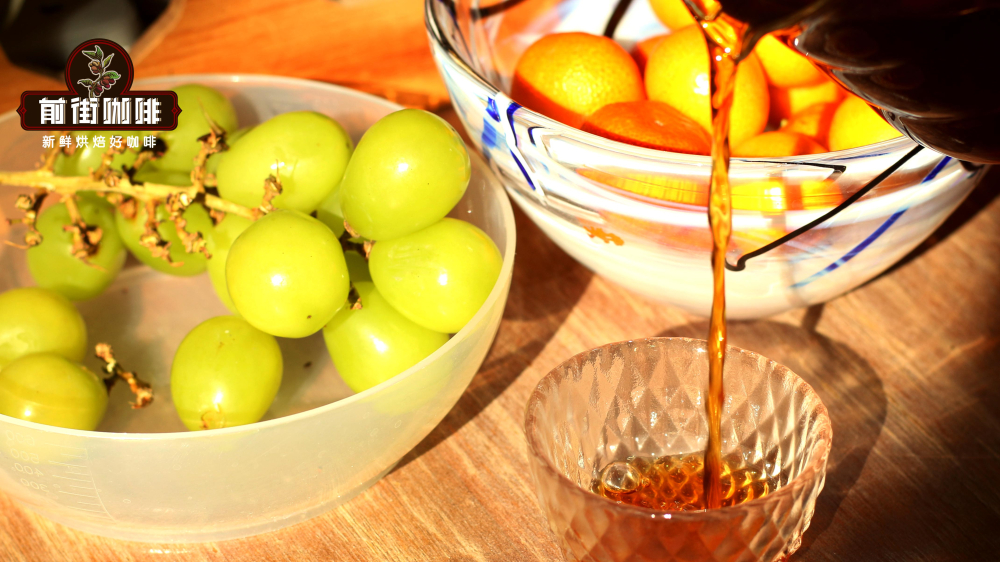
Based on the overall experimental results, if you want to try fruit cold brew at home, the top priority is selecting the right fruit and appropriate preparation method. Taking commonly available fruits in the Guangzhou area as examples: for berries such as grapes, blueberries, raspberries, and mulberries, it’s recommended to lightly press out the juice or slightly crush them before steeping to help release their aroma; for stone fruits like peaches, apricots, and cherries, slicing them thinly aids flavor release; tropical fruits such as pineapple and lychee, due to their naturally strong flavors and low risk of disharmony, are also great choices. Additionally, the choice of coffee beans is equally crucial—opt for light to medium roast beans with floral and fruity profiles, as beans from Africa and Central America generally achieve better balance with fruit flavors. For those wishing to explore further, past curated bean selection advice can also serve as a helpful reference.
The above content is compiled by CoffeeHunters, a coffee news website.


