







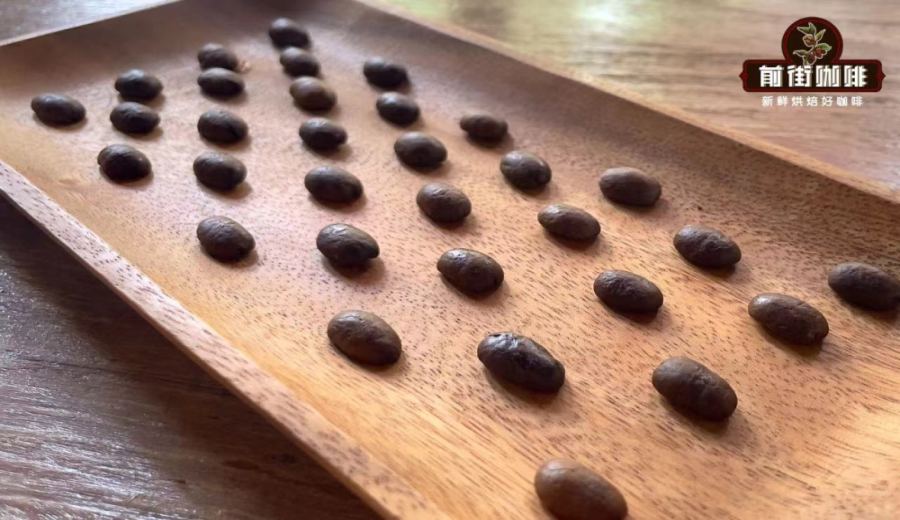
Introduction:Did you know that the name "Mandheling" actually originated from a misunderstanding during World War II? As one of Indonesia’s most iconic coffee varieties, Mandheling not only boasts a rich flavor profile but also carries an intriguing historical backstory. This article will delve into the origin of the name "Mandheling," explore its unique flavor characteristics, and examine in depth how "Golden Mandheling" became a registered trademark and how to identify it. Additionally, we provide practical pour over brewing parameters, including grind size, water temperature, brew ratio, and a three-stage pouring technique, to help you brew a full-bodied and captivating cup of Mandheling coffee.
Mandheling has almost become synonymous with Indonesian coffee, but the origin of this name is actually tied to a small anecdote from the World War II era. At the time, a Japanese soldier drank a richly flavored coffee in Indonesia and mistakenly thought the shop owner was referring to the place of origin—when in fact, the owner was stating his own ethnic background as being from the "Mandheling tribe." After the war, the soldier recalled that coffee and, through a trader, imported 15 tons of Indonesian coffee to Japan, thereby making the name "Mandheling" widely known.
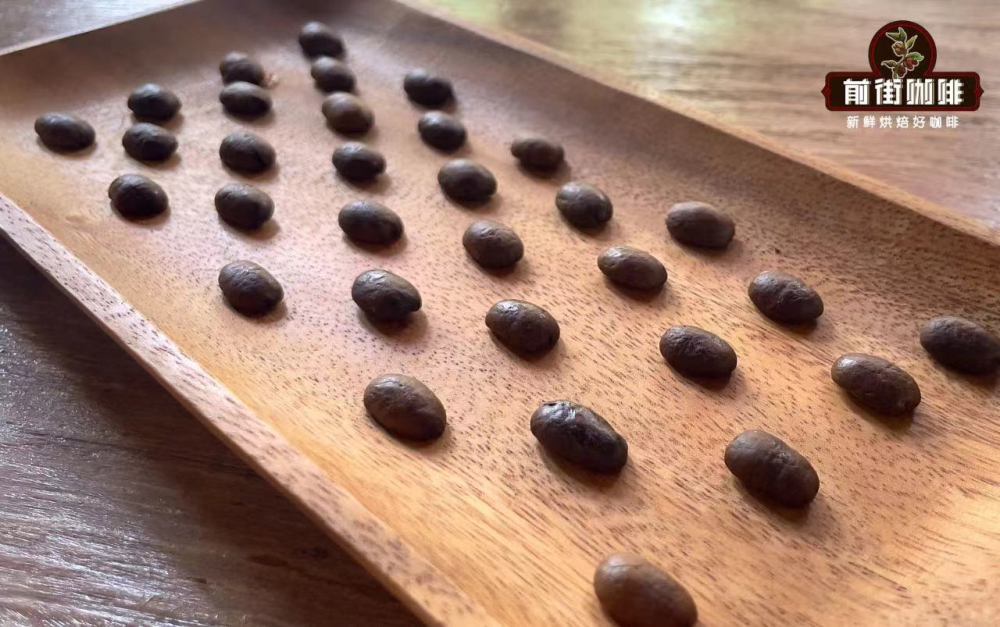
The so-called Mandheling coffee typically refers to Arabica beans produced on the island of Sumatra in Indonesia, particularly around Lake Toba and the Lintong highland regions. These coffees are mostly processed using semi-washed or natural methods, exhibiting intense notes of chocolate, nuts, and herbs, along with a full body and low acidity—making them a top choice for many serious coffee enthusiasts. The Mandheling coffees currently featured are based on these flavor profiles, delivering a rich and robust coffee experience.
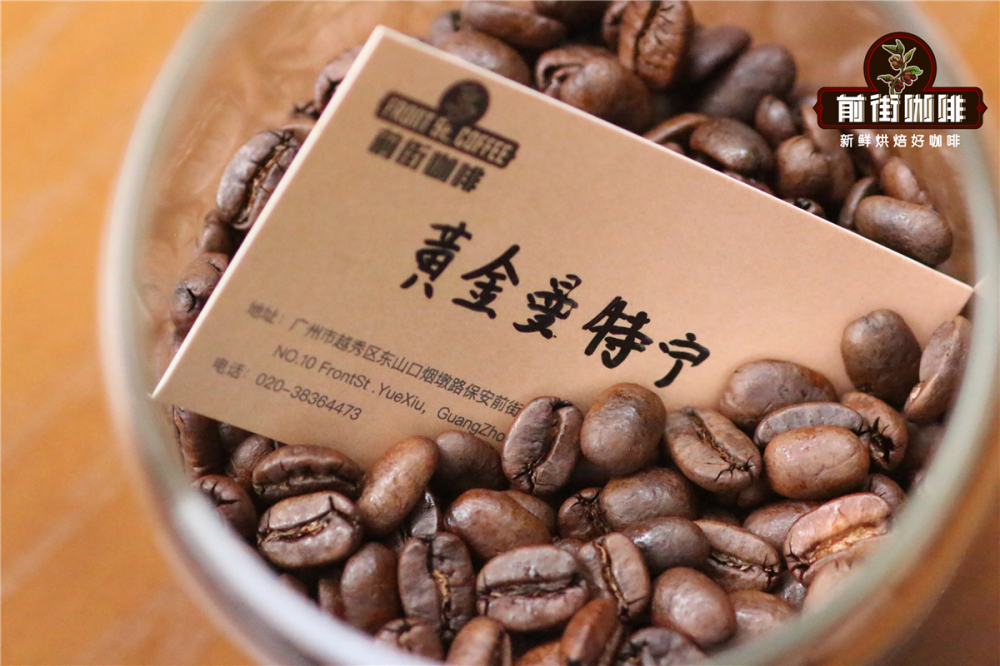
However, many consumers misunderstand "Golden Mandheling," assuming it to be a grade or processing method. In reality, "Golden Mandheling" is a trademark registered by the Indonesian company P.N. Pawani Medan (abbreviated as PWN), and is not an official grading standard. Established in 1957, PWN was one of Indonesia’s early enterprises focused on exporting premium coffee beans, enjoying especially high reputation in the Japanese market. Since 1977, the company has been dedicated to exporting high-quality Sumatran Arabica Mandheling and Robusta coffees, among which "Golden Mandheling" has gained immense popularity internationally due to its rigorous selection and consistent bean appearance.
It’s worth mentioning that PWN holds the trademark rights to "Golden Mandheling," meaning only products from this company can legitimately bear the name. Other brands claiming to sell "Golden Mandheling" must usually provide proof of origin or relevant certification; otherwise, they are likely counterfeit or mislabeled products in the market.
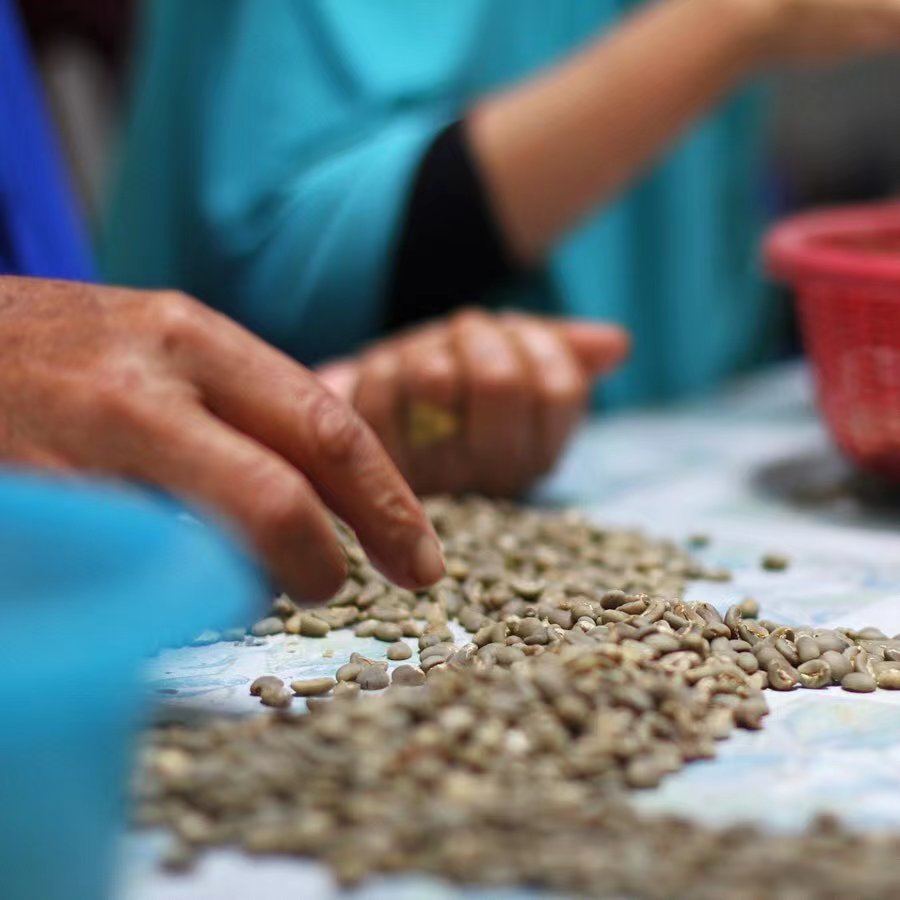
Authentic Golden Mandheling produced by PWN generally comes from the Gayo Mountains in Aceh, graded as G1, and undergoes multiple hand-pickings to select only large-sized beans with minimal defects—typically sieved to include beans larger than 19 mesh—to ensure flavor purity and consistency in taste. These coffee beans not only offer a rich and full-bodied flavor but also exhibit notable sweetness, making them one of the representatives of high-quality Mandheling.
So, how can you brew a balanced and full-bodied Golden Mandheling? Below are practical pour over recommendations suitable for most coffee lovers who enjoy the Mandheling flavor profile.
First, it is recommended to use freshly roasted coffee beans, with the optimal tasting period being the 4 to 7 days of degassing after roasting. Fresh beans not only have vivid flavors but can also fully showcase the distinctive chocolate and herbal notes of Mandheling. The beans offered are usually shipped within 5 days of roasting to ensure they arrive in peak condition.
For equipment, the Kono filter cone is recommended. Its design features a smooth upper section with ribs concentrated in the middle and lower parts, effectively reducing bypass water and allowing for more focused extraction—thereby enhancing the body and smoothness of the cup.
In terms of coffee dosage, it is advised to use 15 grams of coffee grounds, suitable for 1 to 2 servings in the filter cone. Using too much or too little coffee may affect extraction evenness, so adjustments should be made according to the design of the filter cone.
The recommended brew ratio is set at 1:15, meaning 15 grams of coffee grounds to 225 milliliters of water. This ratio balances richness and smoothness, avoiding over-extraction or under-extraction. Some enthusiasts prefer a stronger 1:13 ratio, but for Mandheling, 1:15 better highlights its full body without sacrificing layering.
The suggested grind size is around 70% through a #20 sieve, equivalent to a medium-fine grind, roughly close to a medium grind for pour over. Since Mandheling is typically dark roasted, the beans are relatively porous—if ground too fine, it can easily lead to burnt and bitter flavors, while too coarse may result in under-extraction and a flat flavor.
Water temperature is recommended to be controlled between 87 to 88°C. This temperature range helps to bring out the sweetness and aroma of Mandheling, avoiding the over-extracted bitterness caused by high temperatures or the sharp acidity and lack of body resulting from low temperatures.
Finally, in terms of brewing technique, the three-stage pouring method is recommended. The first stage involves pouring 30 milliliters of hot water for blooming to help release CO₂ and initiate extraction; the second stage pours 100 milliliters to steadily extract the main flavor profile; the third stage adds another 95 milliliters to enhance sweetness and aftertaste. This pouring approach effectively highlights the chocolate, nut, and caramel aromas of Mandheling, while maintaining a rounded and balanced mouthfeel.
By following the above parameters and steps, you can easily brew a cup of richly flavored and full-bodied Golden Mandheling coffee at home, enjoying the unique coffee experience brought by the highlands of Sumatra.
The above content is compiled by CoffeeHunters, a coffee news website.


