







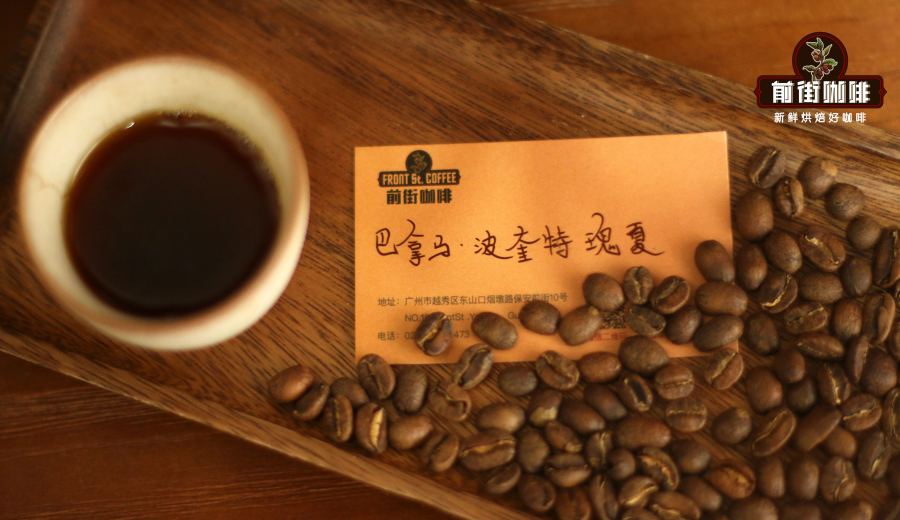
Introduction:As a pioneer in promoting Panamanian Geisha coffee, La Esmeralda Estate categorizes its Geisha offerings into three distinct grades—Red Label, Green Label, and Blue Label—based on planting plots and cupping profiles. Each grade boasts a unique flavor profile and is tailored to coffee enthusiasts of different levels. This article delves into the regional background, flavor characteristics, roasting profiles, and pour over recommendations for each label, helping you discover your own Geisha flavor experience.
In the world of specialty coffee, the Geisha coffee from Panama’s La Esmeralda Estate is undoubtedly an iconic presence. This renowned estate, located in the Boquete region, is not only one of the earliest places where the Geisha variety was discovered and meticulously cultivated, but also distinguishes itself through a rigorous grading system that clearly presents Geishas from different regions and with varying flavor profiles. Among these, the Red Label, Green Label, and Blue Label grades have captured global attention with their distinct regional identities and cupping characteristics.
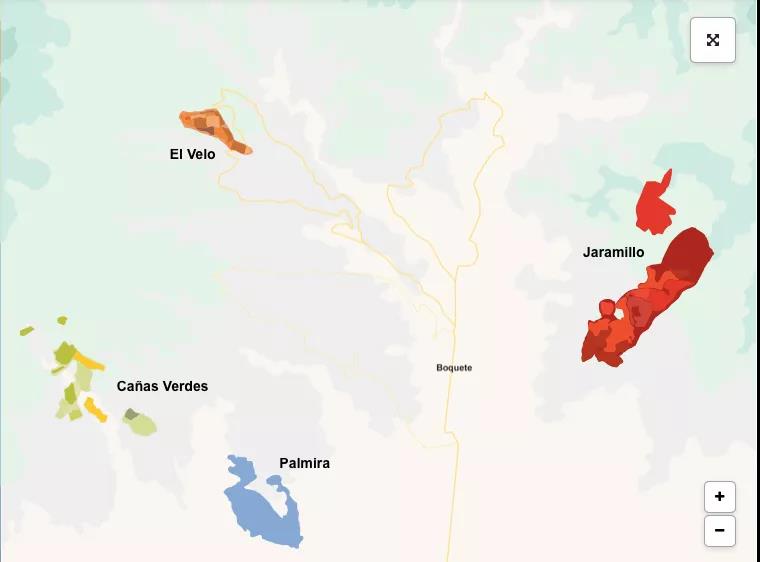
The Red Label Geisha is the flagship series of La Esmeralda Estate, sourced from two highly representative micro-lots: Jaramillo and Cañas Verdes, typically grown at elevations between 1600 and 1800 meters. These plots benefit from significant diurnal temperature variations, moderate rainfall, and fertile volcanic soils, resulting in extraordinarily rich and nuanced flavor layers. Cupping often reveals bright citrus notes, honey-like sweetness, and a variety of berry aromas, with a long and layered aftertaste. It is a dream coffee for many coffee professionals and enthusiasts.
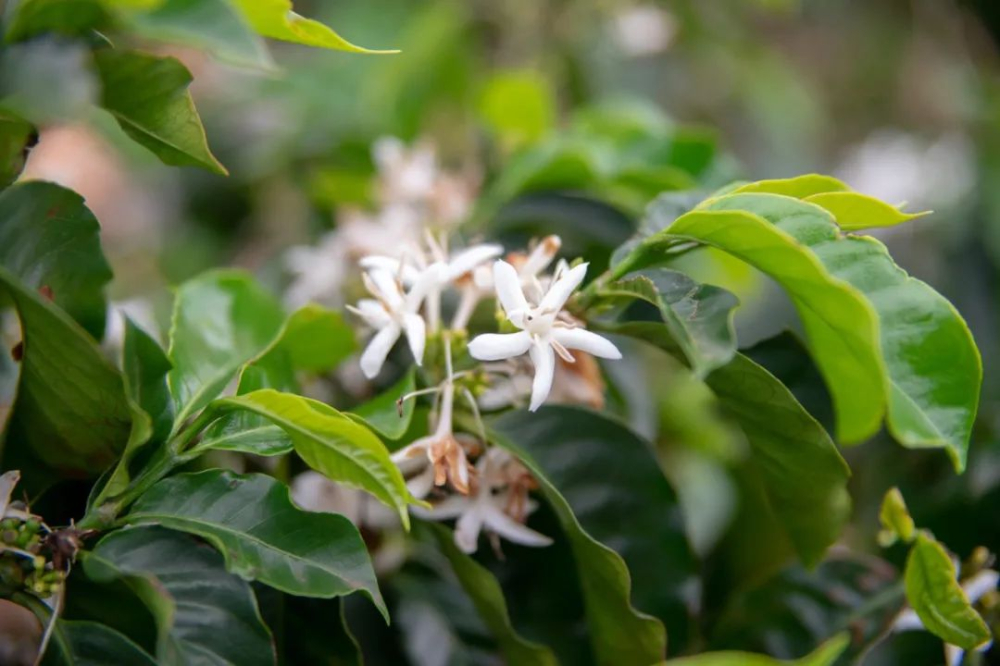
The Green Label Geisha is slightly more accessible but still maintains an exceptionally high quality standard. This series is usually a blend from multiple high-altitude micro-lots, and although it is not part of the auction lots, its flavor remains outstanding. The Green Label often exhibits soft jasmine floral notes, accompanied by lemon, sweet orange, honey, and a light tea-like quality. It has a smooth mouthfeel and a refreshing aftertaste, making it a great choice for experiencing the elegant acidity and fruity profile of Geisha.
As for the Blue Label, originally named Geisha1500, it was the entry-level Geisha introduced by La Esmeralda Estate for the broader market. This series of coffee beans comes from sub-regions at around 1500 meters altitude, including Jaramillo, Cañas Verdes, and El Velo. Despite its more basic positioning, the Blue Label still retains the fundamental characteristics of the Geisha variety, such as gentle citrus tones, honey sweetness, and nutty aromas, making it suitable for those just beginning to explore the flavors of Geisha. It should be noted that since 2021, La Esmeralda Estate has officially discontinued the Blue Label. Most Blue Label coffees available on the market today are from previous harvests or repackaged by other green coffee suppliers.
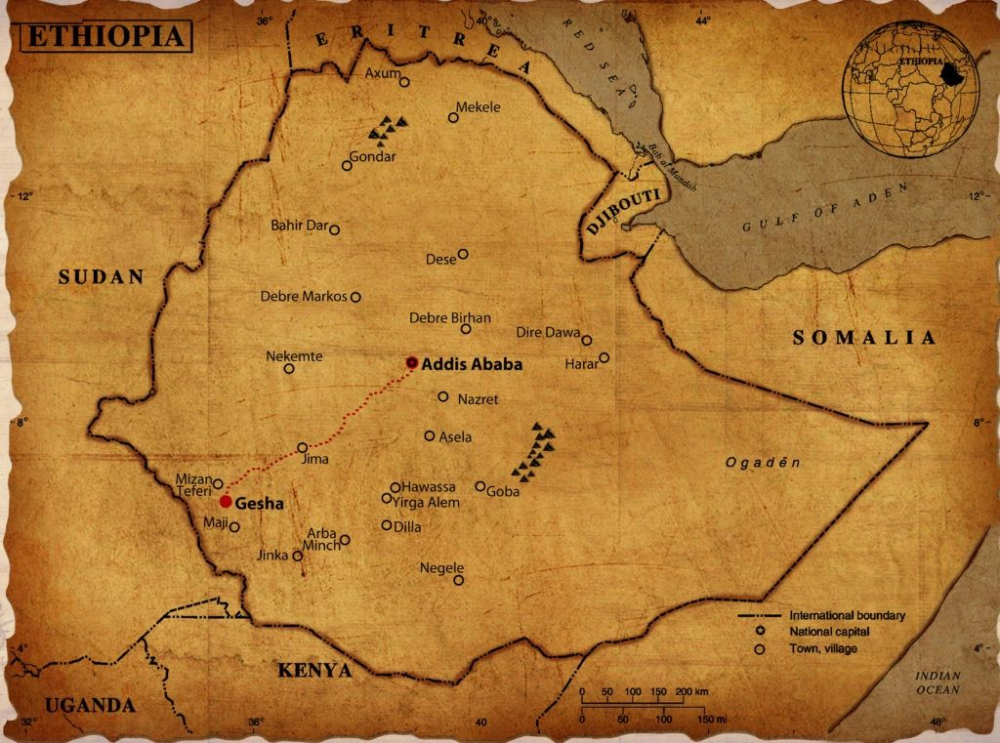
Speaking of the origins of Geisha, this variety can be traced back to Ethiopia’s Kafa forest, but it truly gained fame in the 2004 Best of Panama (BOP) competition, where La Esmeralda Estate won the auction lot with this coffee. At the time, this extraordinary coffee fetched an extremely high price, marking the first time the global coffee community truly recognized the “Geisha” variety. Since then, Geisha has transformed from an obscure variety into a star of the specialty coffee scene.
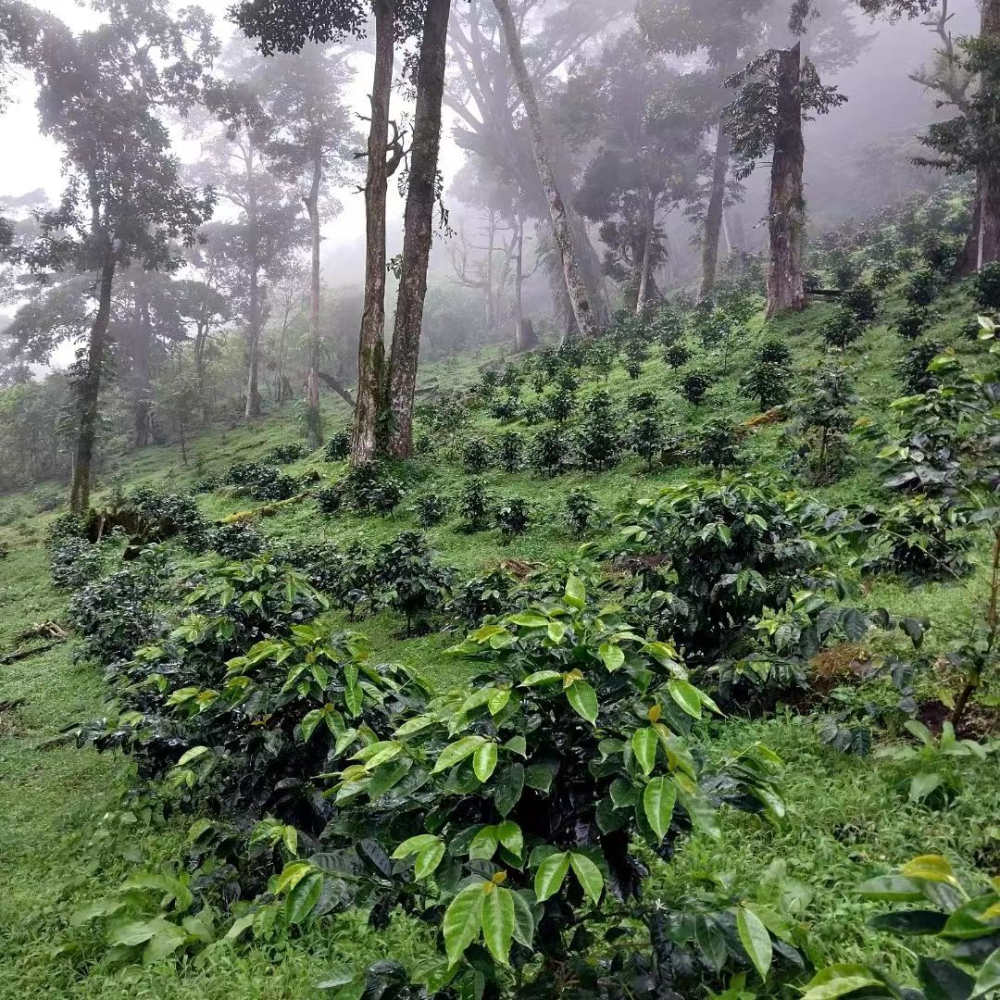
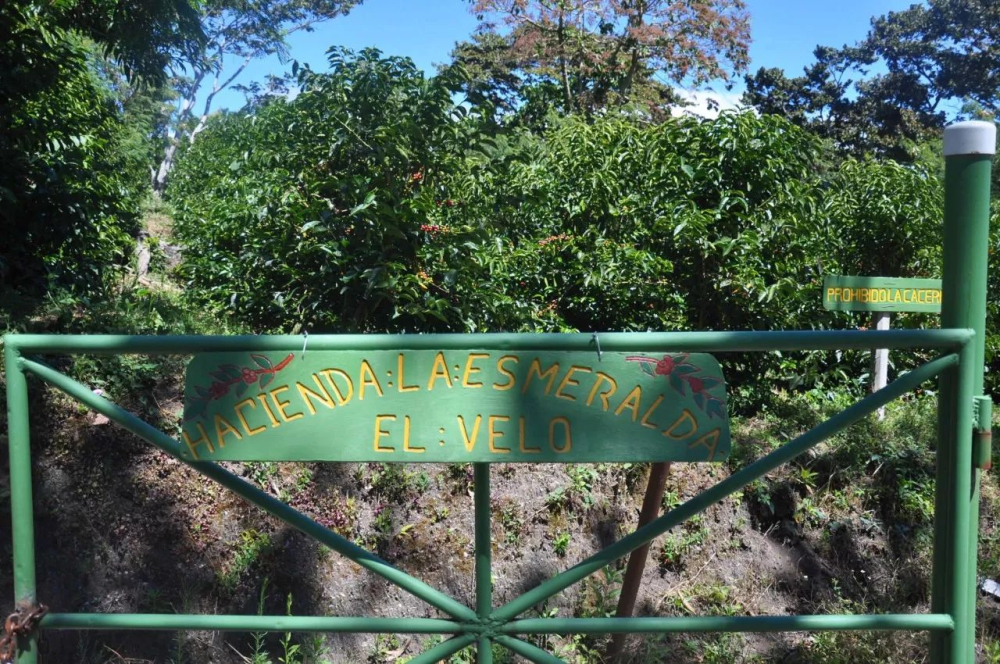
La Esmeralda Estate has an exceptionally detailed approach to planning the planting plots for its Geisha. Jaramillo and Cañas Verdes are considered the golden zones for Geisha cultivation, featuring high altitudes, moderate temperatures, and annual rainfall of approximately 4000 mm and 3500 mm respectively, along with notable diurnal temperature differences. These conditions provide a rich and complex flavor foundation for Geisha. The newly acquired El Velo plot, at an even higher elevation, currently grows a variety of crops but is gradually showing Geisha potential, making it a region to watch in the future.
In terms of roasting strategy, the estate employs light roasting to highlight the floral and fruity acidity highlights of Geisha. Due to its intense and layered flavors, the Red Label requires special attention to preserving delicate acidity and aromatics during roasting. The charge temperature is controlled at 150°C, with a slow development phase after the first crack to fully express the floral and fruity characteristics. The Green Label has a slightly higher charge temperature of 160°C, emphasizing a balance between sweetness and citrus tones, while also shaping a refreshing mouthfeel through careful development after the first crack. For the Blue Label, to avoid over-extraction, a slightly higher charge temperature and a faster roasting pace are used to present its mild and rounded characteristics.
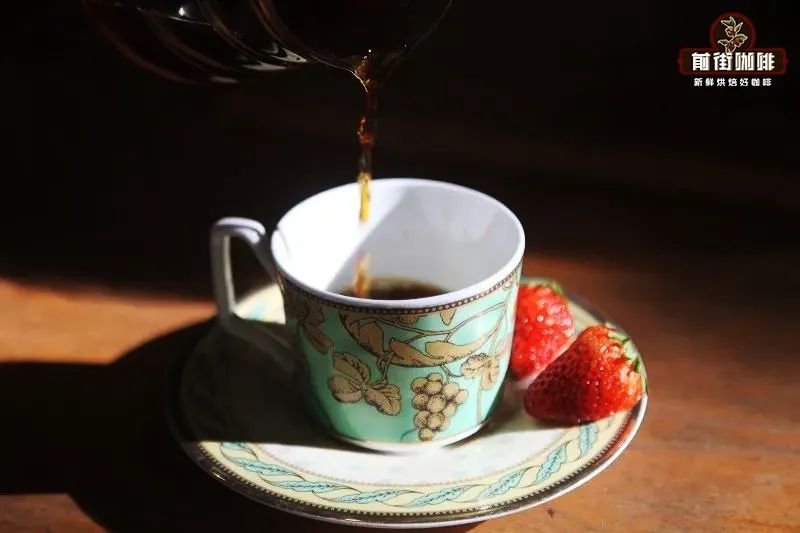
In terms of cupping flavors, the Red Label often features dry aromas of jasmine and citrus, with wet aromas of prominent lemon and honey. Upon tasting, bright fruit acids such as lemon, berries, and mango come through, paired with honey and tea-like notes, leading to a long and layered aftertaste. The Green Label is characterized by soft jasmine and ginger flower aromas, with a flavor profile interweaving sweet orange, honey, and almond notes, presenting an overall smooth and balanced taste. The Blue Label leans toward citrus, honey, and nut flavors, with a distinct tea-like quality, delivering a clean and refreshing overall profile suitable for everyday drinking.
For brewing recommendations, it is advised to use a Hario V60 filter, with water temperature controlled at 90°C, a coffee-to-water ratio of 1:15, and medium-fine grind (approximately 80% through a 20-mesh sieve). Taking the pulse pouring method as an example: begin with a 30-second bloom using 30 grams of water, then pour in small streams up to 125 grams for the first pour, followed by a second pour up to 225 grams to complete extraction, with a total brew time of about 2 minutes. This parameter setup helps fully showcase the delicate aromas and the balanced acidity and sweetness of Geisha.
Overall, the three series of Geisha from La Esmeralda Estate each have their unique traits. Whether you are pursuing the ultimate flavors of the Red Label, seeking a balanced profile in the Green Label, or looking for an entry-level experience with the Blue Label (or similar-elevation Geisha), coffee enthusiasts can all appreciate the distinctive charm of this variety. By understanding their regional origins, roasting characteristics, and brewing methods, you’ll be able to savor the exquisite qualities of each Geisha more precisely.
The above content is compiled by CoffeeHunters, a coffee news website.


