








Introduction:As a globally renowned coffee origin, Indonesia boasts three major producing regions—Sumatra, Java, and Sulawesi—each with its own distinctive flavor profile. This article delves into the local geographical conditions and the impact of the wet-hulling process on flavor, while also detailing the characteristics and brewing recommendations for Mandheling, Kopi Luwak, and Java beans. Whether you're a pour over beginner or a enthusiast seeking bold, rich flavors, you'll find practical insights here.
Indonesian coffee is world-famous for its bold, full-bodied profile, low acidity, and lingering notes of caramel and dark chocolate. Since the Dutch introduced the first coffee seeds in 1696, the region has weathered challenges such as coffee leaf rust outbreaks, the rise of Robusta, and today’s vibrant diversity across Sumatra, Java, and Sulawesi. From farm management to post-harvest processing, Indonesian coffee has traversed a rich and complex history, with the diverse flavors it yields well worth exploring.
Development History and Regional Distribution
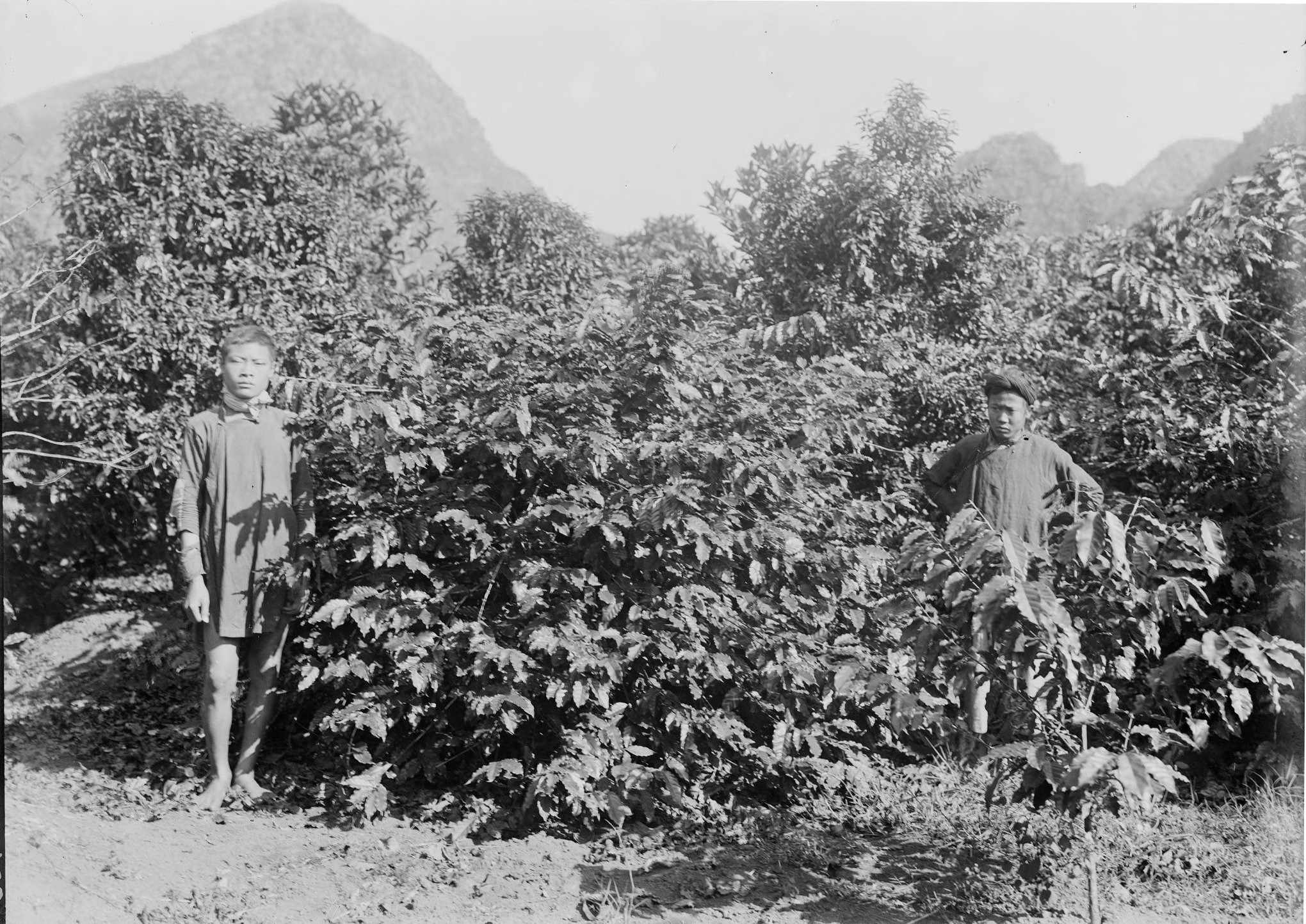
Coffee cultivation in Indonesia began in the 17th century with the introduction by the Dutch East India Company, initially achieving success on Java Island. However, the coffee leaf rust epidemic of 1877 nearly wiped out local Arabica plantations, forcing farmers to switch to the more disease-resistant Robusta. Today, Indonesia is one of the world’s largest Robusta producers, with only 6% to 10% Arabica—most notably Mandheling from northern Sumatra.
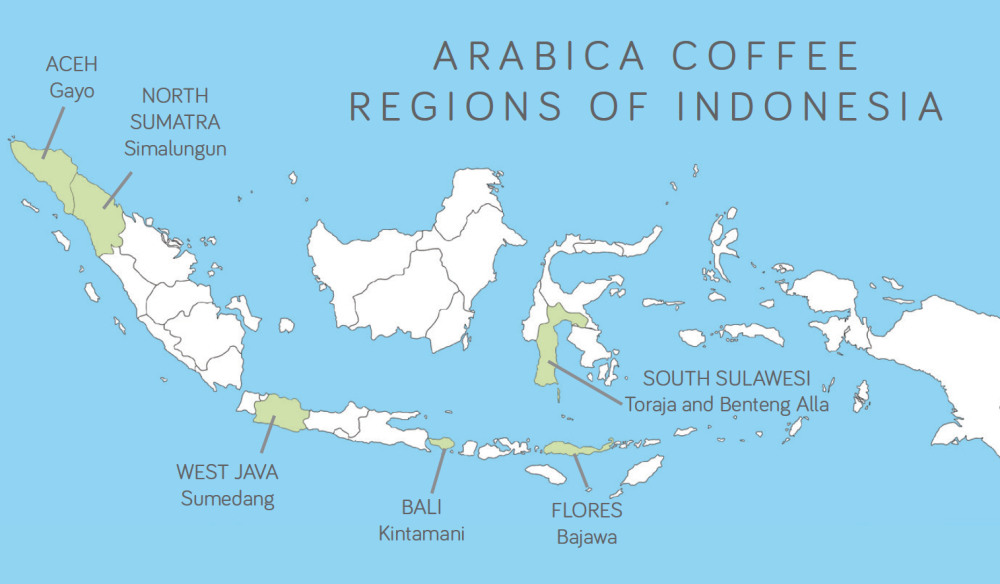
Long-term observations show that the most outstanding Indonesian coffees primarily come from Sumatra, Sulawesi, and Java. Sumatra is known for its bold, low-acidity profile, often roasted dark; Java, thanks to its volcanic soil and moderate altitude, offers brighter acidity and fruity notes; Sulawesi’s coffee blends richness with finesse, featuring complex flavor layers. These three regions collectively define the diverse face of Indonesian coffee.

Geographical and Climatic Conditions
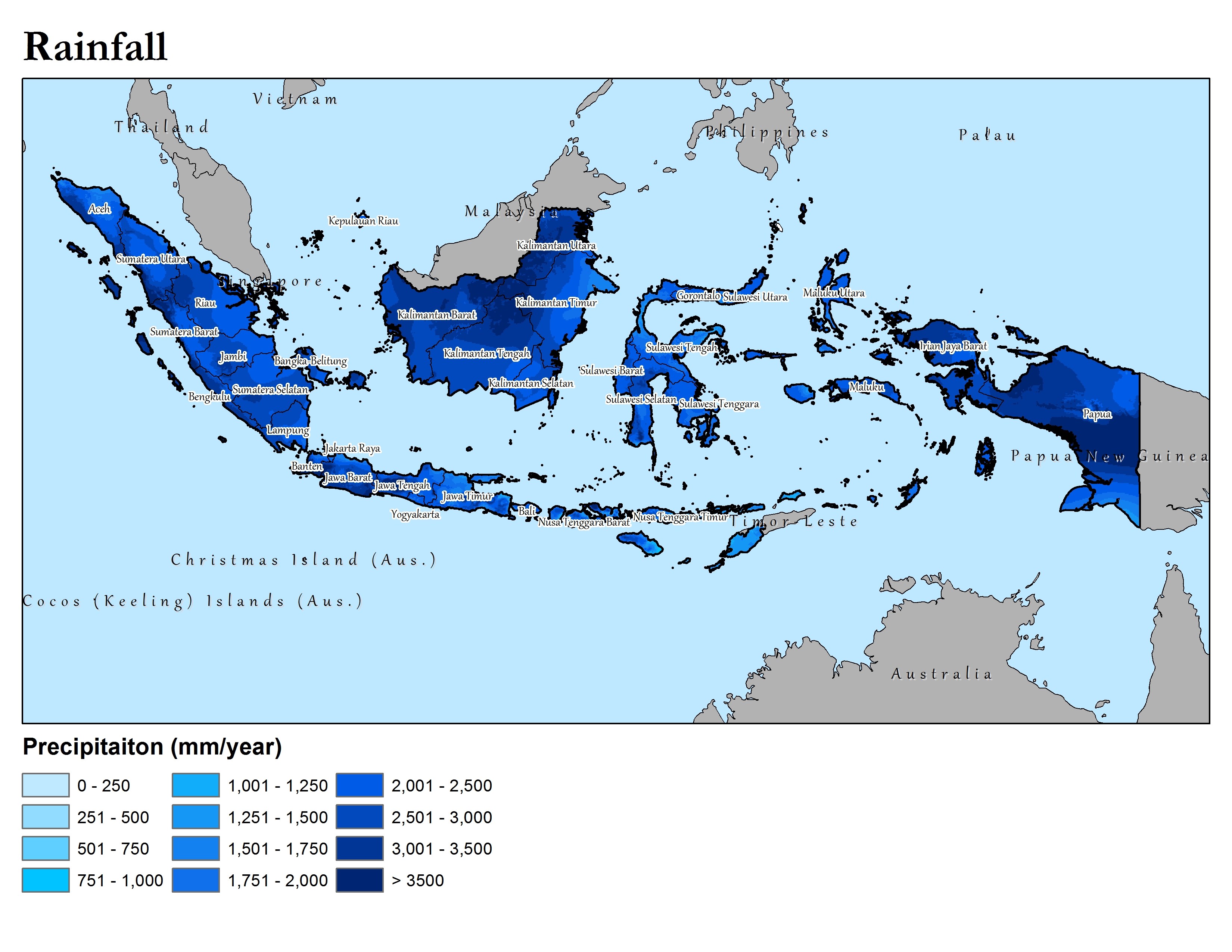
Indonesia has a tropical rainforest climate, with year-round temperatures averaging between 25–27°C and no distinct seasonal changes. Annual rainfall ranges from approximately 1600 to 2200 mm. The country’s numerous volcanoes contribute mineral-rich soils, and most coffee is grown at altitudes between 900–2100 meters, with around 1200 meters being ideal—providing excellent growing conditions.
The region typically has two main harvest seasons per year: the primary season runs from September to October, followed by a secondary season from May to June. In recent years, export volumes have fluctuated due to climatic and market factors, but overall quality remains stable, especially for high-altitude-grown Arabica, which has drawn increasing international attention.
Varieties and Planting Overview
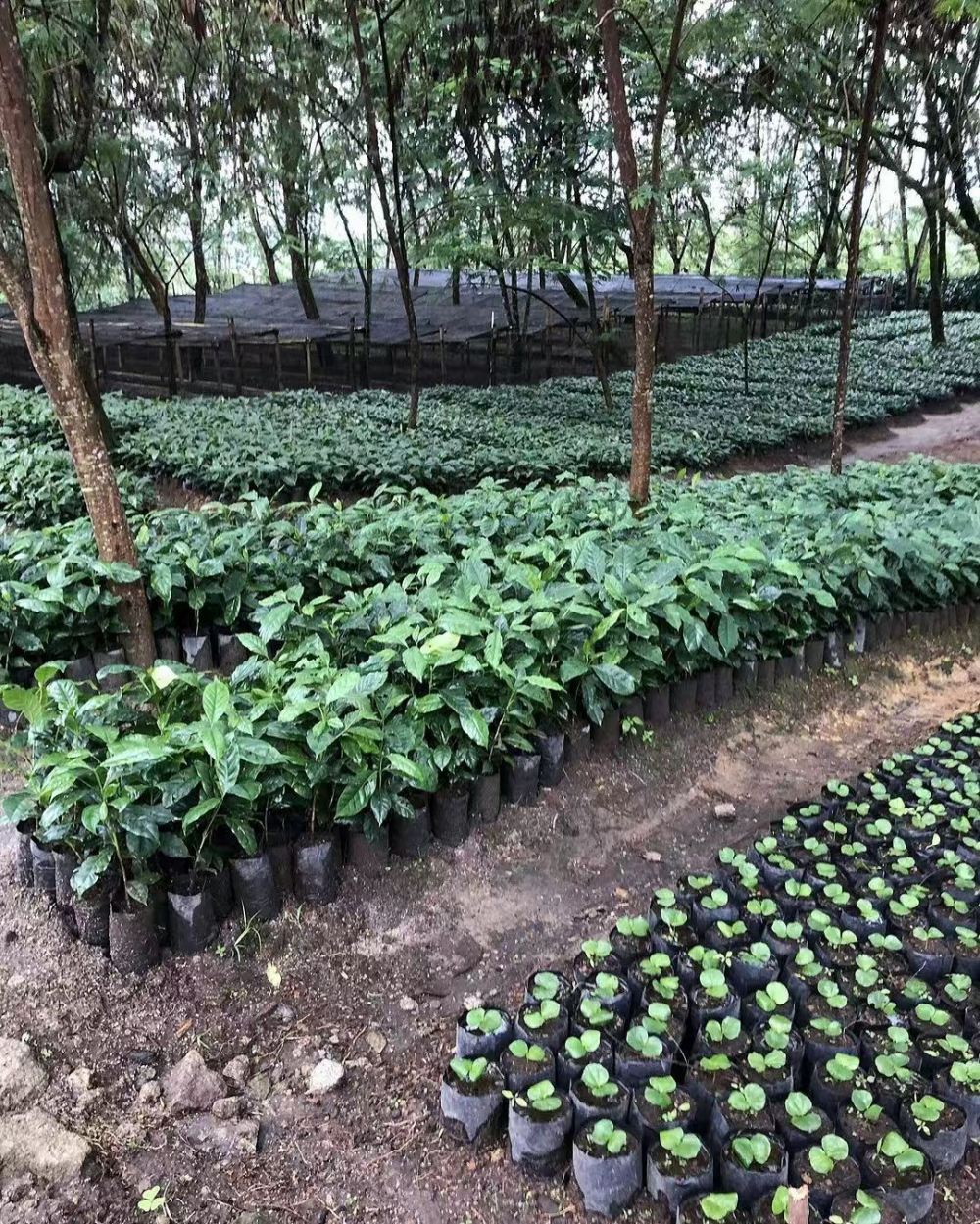
Indonesian coffee varieties are mainly divided into Arabica, Robusta, and Liberica, with over 20 subtypes. Common varieties include Catimor, Tim Tim, Typica, S288, S795, and Sidikalang. The country’s total coffee-growing area exceeds 1 million hectares, accounting for about 24% of arable land, with roughly 95% produced by smallholders, primarily in East and Central Java.
Smallholder farmers mostly use traditional or semi-modern methods, with about 66% operating scaled plantations and the rest managing family farms. Organic farming is gradually gaining ground, with 19 cooperatives and exporters having obtained international organic certification, ensuring a focus on both sustainability and quality.
The Secrets of Wet-Hulling Processing
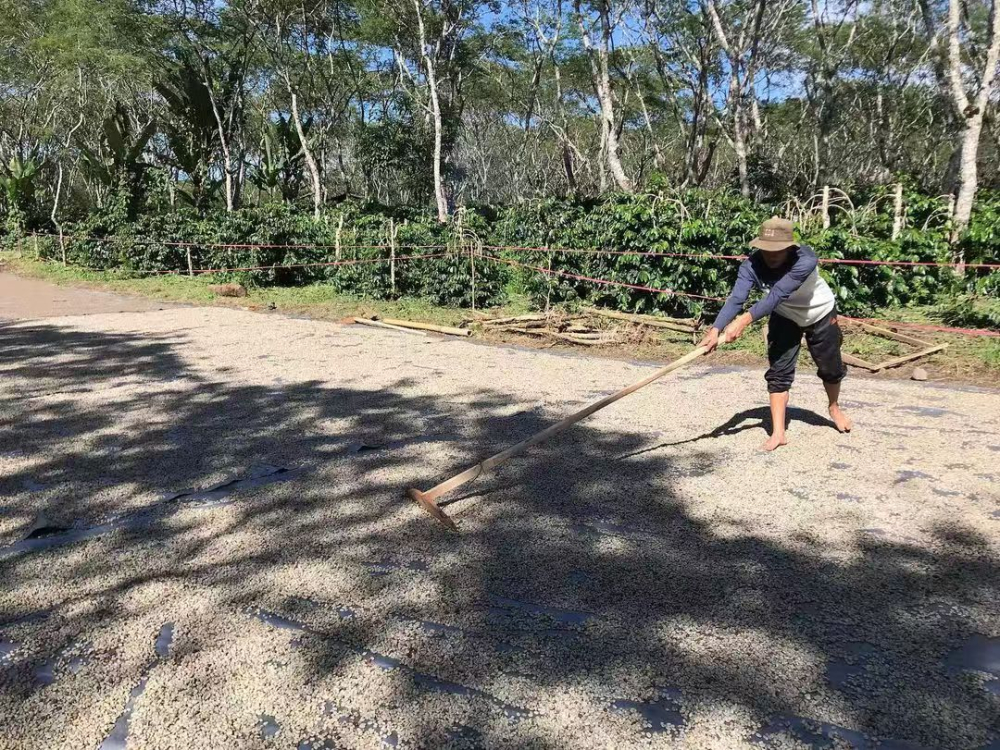
The most unique post-harvest process in Indonesian coffee is “wet-hulling” (Giling Basah), also known as semi-washed or wet-shell processing. The steps are: first removing the fruit skin, allowing the coffee cherry to briefly dry to around 30% moisture content, then removing the parchment layer to expose the green bean, and finally continuing to dry it to a safe storage level. This method differs from standard washed or natural processes, significantly reducing acidity while enhancing body and complexity.
This technique gives Indonesian coffee its characteristic earthy, spicy, tobacco, and dark chocolate notes, with a deep and distinctive aftertaste. While some may find its strong personality challenging, those who prefer bold, low-acid profiles often develop a strong affinity for it.
Sumatra Mandheling: The Classic Among Classics
When discussing Indonesian coffee, Sumatra’s Mandheling cannot be overlooked. Its main producing areas are around Lake Toba, further divided into Golden Mandheling, Lintong Mandheling, and Aged Mandheling. Lintong Mandheling showcases typical herbal and earthy flavors; Golden Mandheling, carefully selected for uniform, plump beans, offers a cleaner, brighter taste with prominent sweetness, making it a favorite among many pour over enthusiasts; Aged Mandheling, due to its special processing and maturation, develops deeper flavors, though its appeal varies by individual.
Taking the common Golden Mandheling as an example, its flavor profile includes nuts, chocolate, spices, and caramel, with almost no noticeable herbal or earthy tones. Its acidity is soft and layered. It is recommended to use a Kono filter, with water at 86°C, a 1:15 coffee-to-water ratio, medium grind (around setting 11 on the EK43 grinder), and a pulsed pouring method to fully bring out its bold body and sweet characteristics.
Kopi Luwak: Legend and Controversy Intertwined
Kopi Luwak (civet coffee) is one of the most talked-about types of Indonesian coffee. Its beans are mostly mid-to-low altitude-grown Robusta, selected by civet cats for ripe, sugar-rich coffee cherries. After digestion, a unique fermentation process occurs. During this process, enzymes in the animal’s digestive tract break down proteins, producing short-chain peptides and amino acids that impart intense herbal, nutty, and dark chocolate aromas, along with exceptional body.
However, its production has long been controversial due to animal welfare concerns, and its limited supply and high price have led to many counterfeit products in the market. If you choose to try it, it’s advisable to pay attention to its sourcing and processing transparency. General brewing suggestions include using a Kono filter, water at 86°C, a 1:15 ratio, medium grind, and a slow, pulsed pour to balance its unique flavors with its intense body.
Java Coffee: Balanced and Fruity Expression
Java’s coffee is known for its low acidity, delicate profile, and fruity notes, particularly excelling in the high-altitude planting areas of West Java. The region’s fertile volcanic soil and moderate climate conditions produce pronounced fruity aromas and clean aftertastes, with acidity being relatively mild and well-balanced with sweetness.
It’s recommended to try coffee from West Java, whose flavor profile often features tropical fruit notes such as mango, red wine, peach juice, and plum, with a refreshing aftertaste and a hint of honey. Using a V60 filter, water at 90°C, a 1:15 ratio, and medium-fine grind (around setting 10 on the EK43 grinder), along with a pulsed pouring method, can fully showcase its bright fruitiness and refined layers.
Whether you prefer the bold, low-acid Mandheling, are curious about the unique flavors of Kopi Luwak, or want to explore the fruity balance of Java, Indonesian coffee offers a wide variety of choices. Mastering the right brewing parameters and techniques will allow you to better appreciate the distinctive charm of these regions.
The above content is compiled by CoffeeHunters, a coffee news website.


