







Introduction:Gesha coffee is renowned for its distinctive floral and fruity aromas. While Panama is the mainstream origin, its prices are steep. The Gesha Village Estate in Ethiopia is one of the few large-scale farms in the world exclusively dedicated to growing the Gesha variety. Its first auction in 2017 set a record-breaking price of $85 per pound for African beans. This article delves into the history, varietal origins, processing methods, and key differences between Gesha Village and Panamanian Gesha, helping you grasp the flavor essence and purchasing considerations of this top-tier coffee.
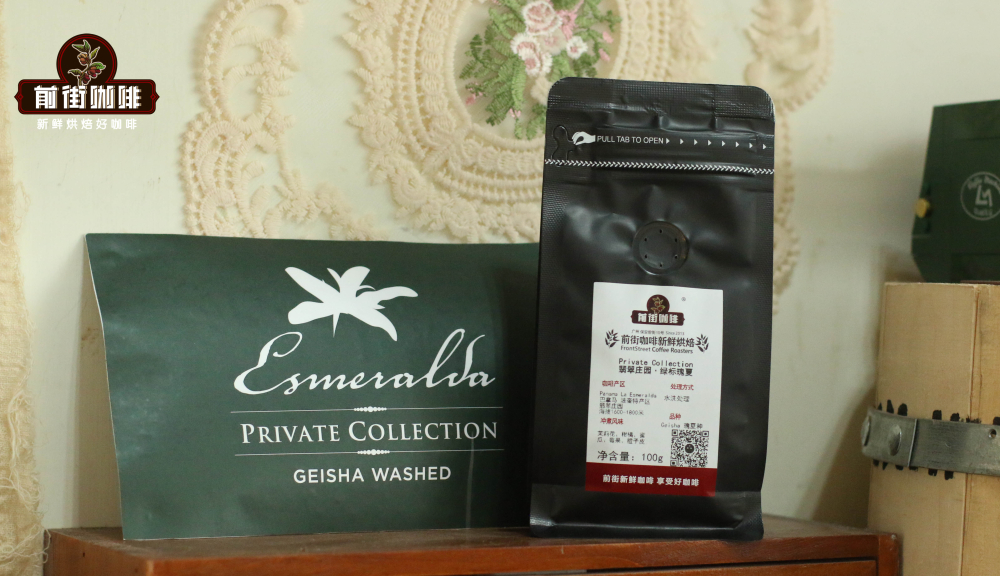
When it comes to Gesha (Gesha) coffee, many people immediately think of famous estates in Panama such as Hacienda La Esmeralda, particularly the Red and Green Label Geshas. With their clear floral notes, tea-like body, and bright citrus profiles, they have become legends in the specialty coffee world. However, these premium beans often come with price tags of several hundred dollars per pound, which can be a deterrent for average consumers. In contrast, the Gesha Village Estate in Ethiopia, also championing the Gesha variety, offers more affordable options while delivering equally rich flavor complexity. It is especially noted for its bright acidity and tropical fruit notes, such as guava, making it suitable for various brewing methods including pour over, cold brew, and even single-origin (SOE) espresso.
Although the fame of Gesha coffee originates from Panama, its genetic roots actually trace back to the Gesha village in southern Ethiopia. As early as the last century, wild Gesha varieties from the local forests were brought to Panama for cultivation. It wasn’t until the early 21st century that they gained prominence through the “Best of Panama” competition and rose to fame. However, if you want to explore the purest and most original expression of Gesha, the Gesha Village Estate in southwestern Ethiopia, near the Sudanese border, is undoubtedly one of the most worthwhile regions to learn about. Covering an expansive 500 hectares, it is one of the few large farms in the world entirely focused on growing the Gesha variety. It also has its own washed processing plant and varietal laboratory. In its first international auction in 2017, a natural-processed Gesha lot fetched $85 per pound, setting a new auction record for African coffee beans.
Globally, there are only a handful of coffee estates capable of hosting their own international auctions. In addition to well-known ones like Hacienda La Esmeralda in Panama, Finca El Injerto in Guatemala, Daterra in Brazil, and Finca Mierisch in Nicaragua, Ethiopia’s Gesha Village Estate is also on the list. Unlike most smallholder Ethiopian farmers, Gesha Village Estate is large-scale, not only possessing a complete production chain but also unique in that the entire farm is dedicated solely to the Gesha variety, rather than the common market offering of mixed-lineage so-called “Ethiopian heirlooms.” The 500-hectare land is divided into eight blocks, with three selected Gesha varieties planted primarily. All seeds are sourced from the surrounding virgin forests, not imported from Panama, ensuring varietal purity and regional characteristics.
The history of Gesha Village Estate dates back to 2011, when Adam Overton, who had a background in documentary filmmaking, and his wife Rachel Samuel conceived the idea, gradually realizing it with the help of coffee expert Willem Boot. The couple, originally unrelated to the coffee industry, fell in love with the beverage and the sector after being commissioned to film a coffee documentary in Ethiopia. This inspired their dream of creating their own Gesha farm. Following Willem Boot’s advice and guidance, they ultimately chose the Bench-Maji region, a remote area with an altitude and microclimate highly suitable for Gesha cultivation. This region borders Sudan, has long been isolated from the outside world, and only recently gained road access. It is considered a possible true origin of the Gesha variety.
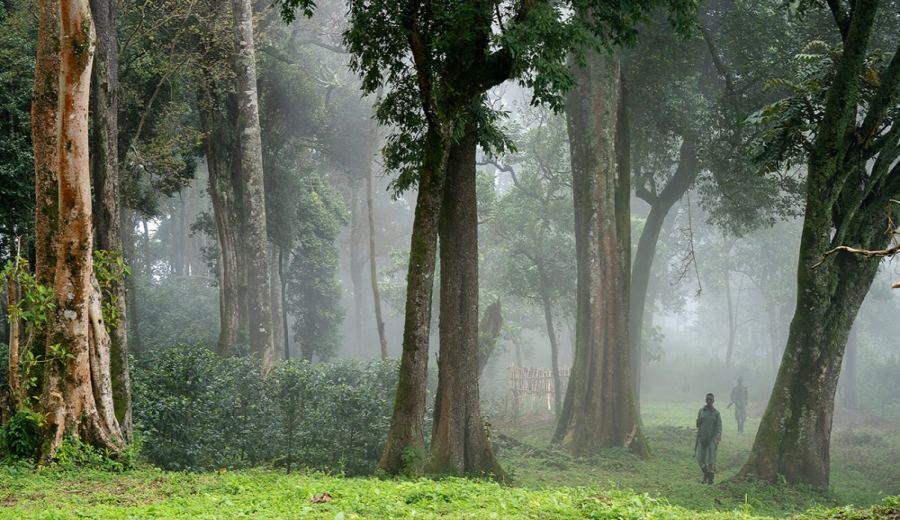
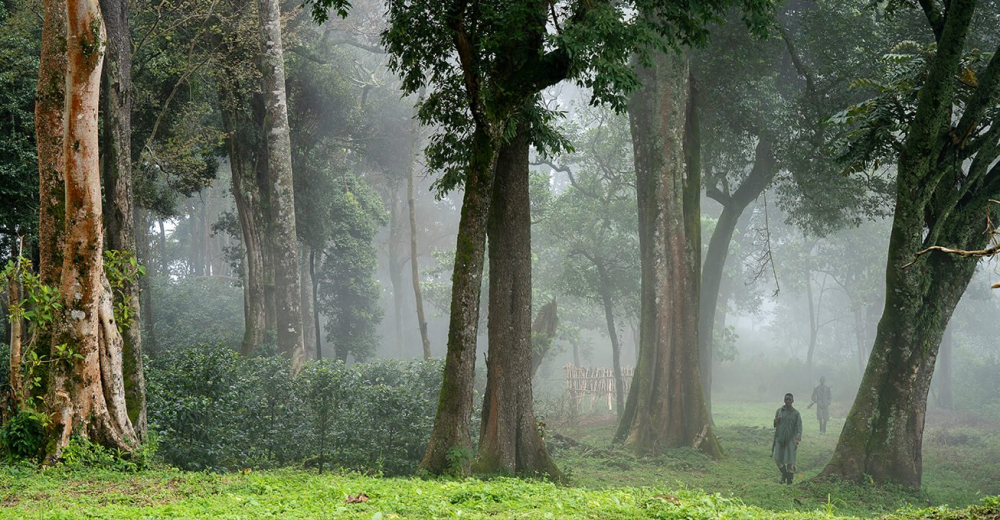
In October 2011, construction of Gesha Village Estate officially began. The initial environment was extremely primitive, not only facing threats from wildlife but also requiring the erection of watchtowers to guard against lions. Entering forested areas necessitated carrying weapons and being accompanied by local indigenous people. With the help of Willem Boot, the team discovered a wild variety in the virgin forest 20 kilometers from the estate that closely resembled Panamanian Gesha. This area, dense with coffee trees and emitting a strong jasmine aroma during flowering season, is believed to be the original source of the 1930s Panamanian Gesha variety. After multiple comparisons and trial plantings, three Gesha varieties suitable for the local environment were eventually identified, and the first harvest took place in 2015.
The first batch of green beans received high praise after cupping by Willem Boot, who described them as some of the best coffees he had tasted that year. On May 31, 2017, Gesha Village Estate held its first international auction, offering 21 micro-lots. Nineteen of these were 120-kilogram lots, with the rest being smaller batches, attracting enthusiastic participation from buyers across Europe, North America, Asia, and Australia. The auction results were outstanding, with the highest price reaching $85 per pound. This not only broke the African coffee bean auction record but also demonstrated the exceptional potential of the Ethiopian Gesha variety. Among the 21 micro-lots, there were 15 natural-processed and 6 washed-processed lots, distributed across seven different micro-blocks. Among them, Canada’s Hatch company successfully bid for the Shewa-Jibabu natural-processed Geleya Gesha variety, showcasing its high market recognition.
The above content is compiled by CoffeeHunters, a coffee news website.


