







Introduction:Want to understand how Peruvian coffee, with its high altitude and washed processing, crafts a gentle and refined flavor profile? This article explores the regional characteristics and grading system of Peruvian coffee, delves into the geographical advantages of the northern Cajamarca region and the unique traits of the Geisha variety, and provides practical pour-over parameters and steps. Learn how to easily replicate the classic Peruvian flavors—characterized by white floral notes and prune-citrus tones—using a V60 dripper, 91°C water temperature, and a 1:15 coffee-to-water ratio, all from the comfort of your home.
Among the many South American coffee-producing countries, Peru has successfully crafted a mild, balanced, and layered coffee flavor through its unique high-altitude grading system and washed processing techniques. The high-altitude environment not only slows down the ripening process of coffee cherries but also allows the beans to accumulate richer nutrients, resulting in firmer bean density and a more delicate mouthfeel. This article will begin by discussing the variety distribution, altitude-based grading logic, and washed processing methods of Peruvian coffee, then gradually focus on the northern specialty region of Cajamarca. Using a washed Geisha as an example, it will provide a detailed analysis of its cupping characteristics and pour-over techniques—including practical V60 settings, 91°C water temperature control, and a recommended 1:15 coffee-to-water ratio—to help coffee enthusiasts easily brew Peruvian coffee at home that showcases both white floral and prune-citrus flavors.
Similar to most South American coffee-producing countries, Peru primarily cultivates the Arabica species, but its grading method is notably different. Instead of strictly adhering to traditional criteria such as bean size or defect rates, Peru uses altitude and bean hardness as the core of its grading system. This approach, known as the "altitude grading method," directly reflects in the coffee’s flavor profile. Simply put, the higher the altitude, the lower the temperature, and the longer the coffee cherries take to mature. This results in denser, harder beans with a more solid internal structure, capable of releasing richer layers and finer flavors during brewing. This is also the main reason why Peruvian coffee is often described as mild, balanced, and clean.
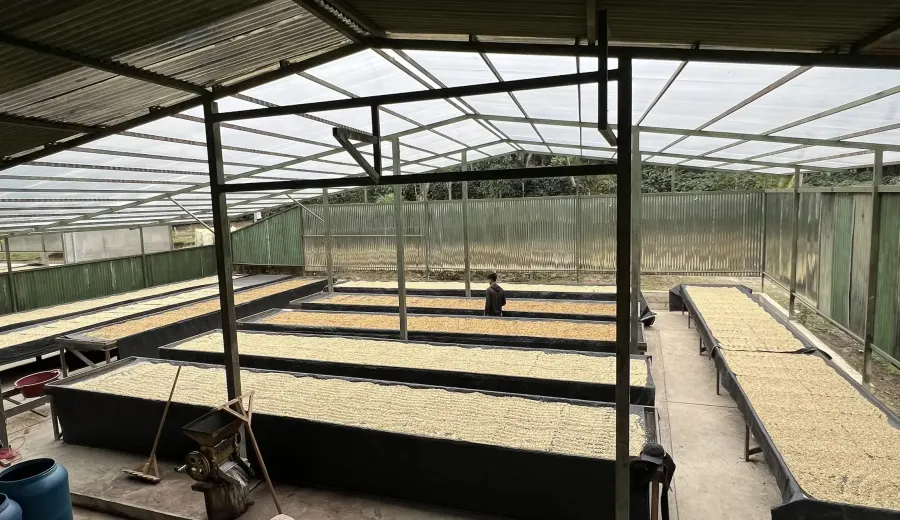
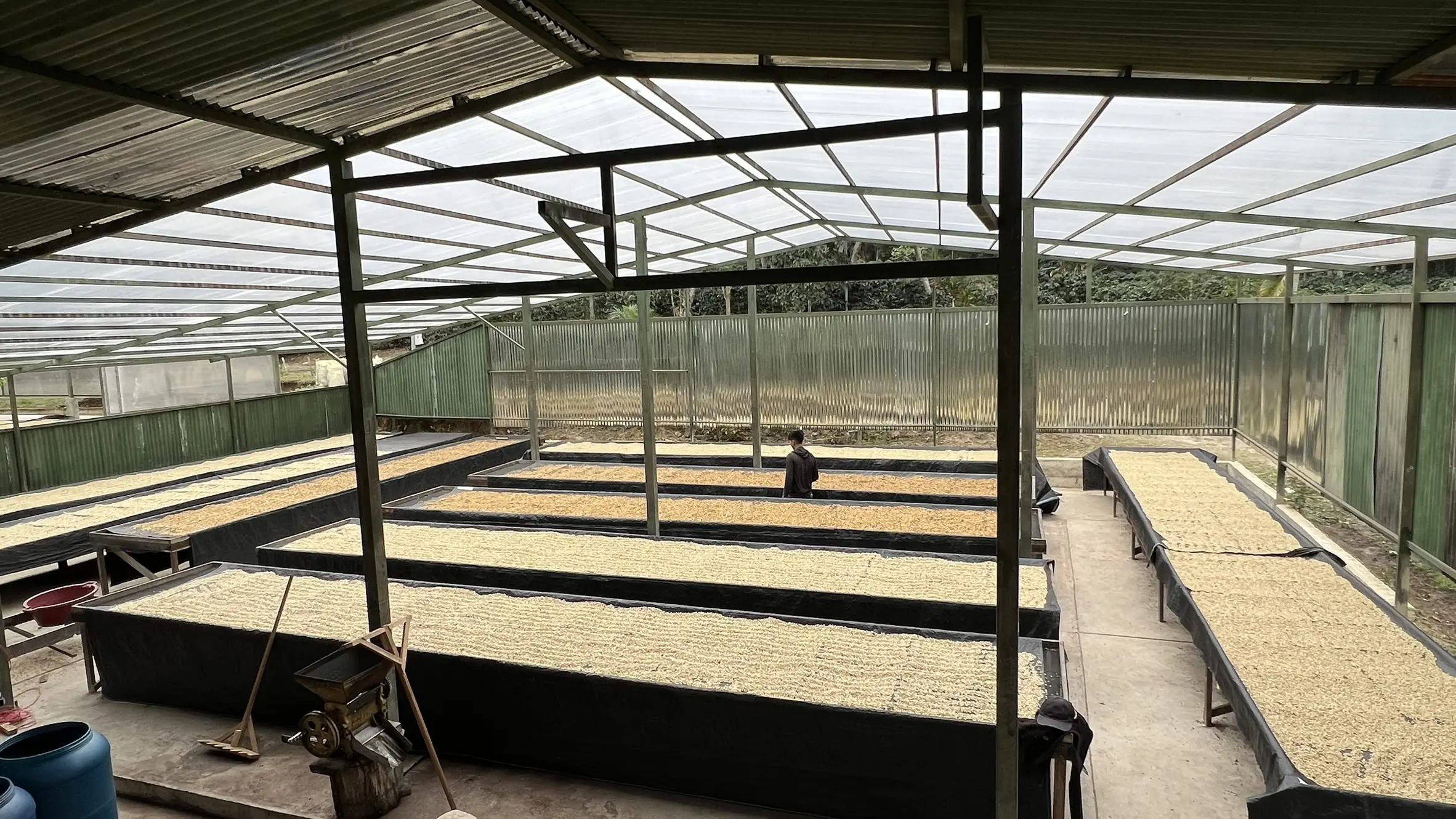
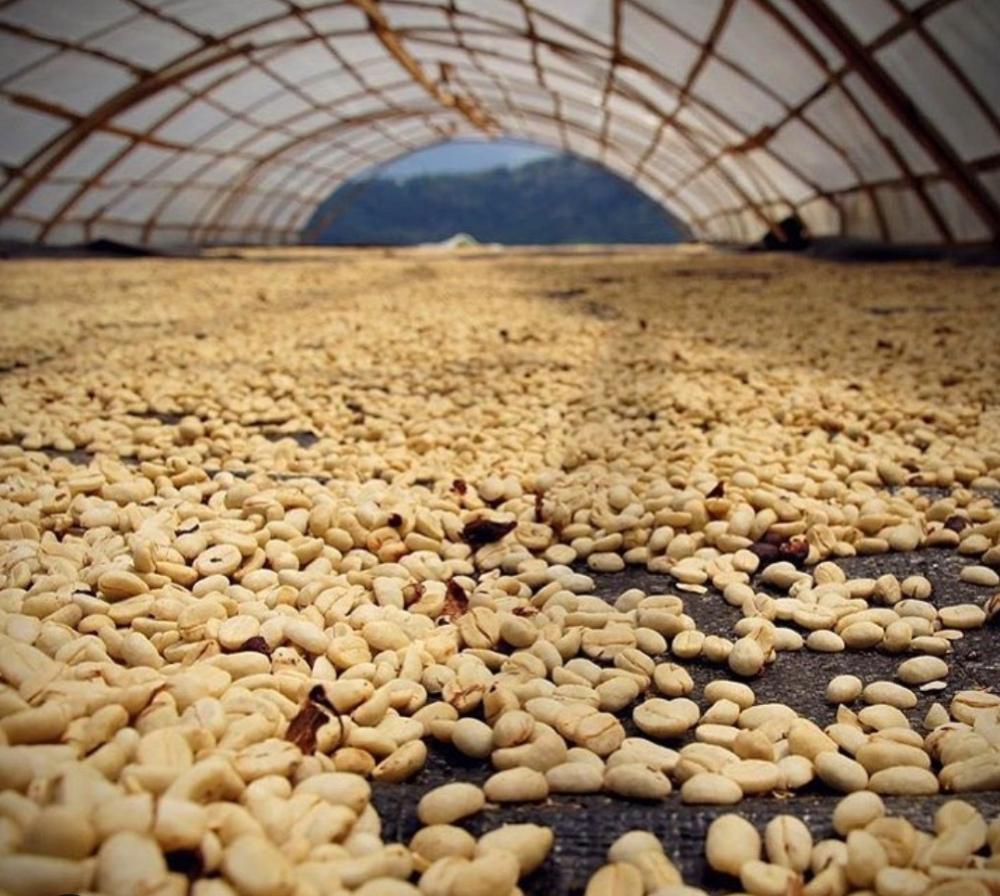
Additionally, Peru’s abundant water resources make washed processing the dominant method for green bean production. The traditional washed process can be broadly divided into several key steps: First, harvested coffee cherries are placed in water for floatation to remove low-density, lower-quality floaters. Next, a pulper removes the outer skin and pulp. Then, the parchment-covered beans with mucilage are placed in water tanks for fermentation, where microbial activity breaks down the mucilage layer. After fermentation, the beans are moved to drying patios until their moisture content reaches a level suitable for storage and transportation. Finally, a hulling machine removes the parchment layer, completing the washed processing procedure.
The greatest advantage of the washed method is its ability to effectively screen out defective beans and overripe fruits, while the relatively mild and controllable fermentation process ensures that the final coffee beans generally exhibit very high cleanliness. In addition to being clean and free of impurities, Peruvian washed beans often carry soft fruity acidity, delicate fruit tones, and a silky, rich mouthfeel. These qualities have earned them increasing attention and acclaim in the international specialty coffee market in recent years.
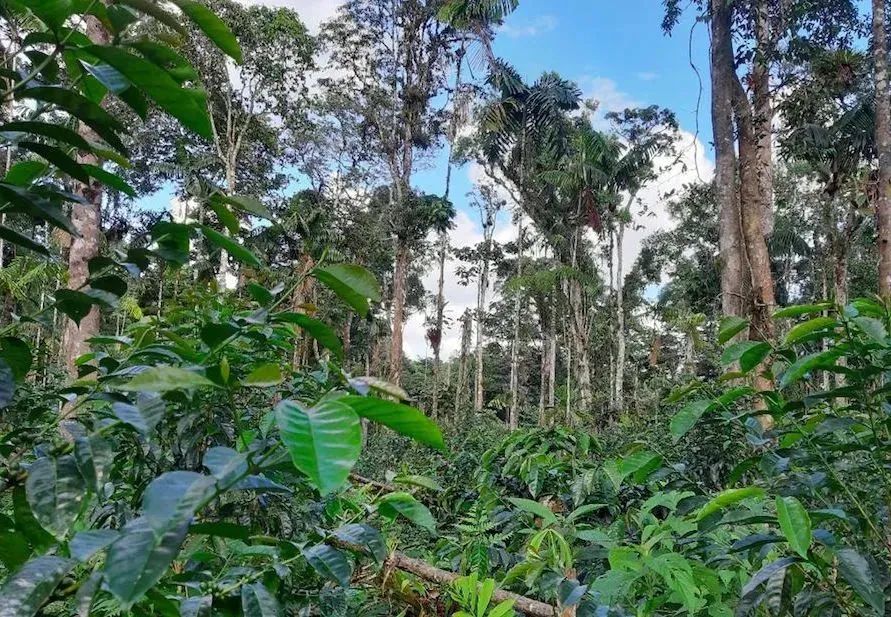
When discussing the actual flavor profile of Peruvian coffee, one cannot overlook the northern specialty region of Cajamarca. Located near the border with Ecuador in the high-altitude areas of the Andes Mountains, this region boasts fertile volcanic soil and diverse microclimates. Notably, the significant diurnal temperature variation provides an ideal environment for sugar accumulation and flavor development in coffee cherries. As early as when European immigrants first established coffee plantations in Peru, Cajamarca became a primary hub due to its favorable geographical conditions. Over time, local smallholder farmers have accumulated extensive cultivation and processing experience, earning the Cajamarca region widespread recognition in the specialty coffee community for its coffee quality. It is even regarded as a rising "new star region" in recent years.
In addition to traditional Typica varieties, Cajamarca actively cultivates popular specialty varieties such as Geisha. The star of this introduction—a washed Geisha from the Cajamarca region—is a representative that combines the advantages of high altitude with the appeal of a sought-after variety. To fully showcase this Geisha’s floral characteristics and regional terroir, the roasting process specifically employs a medium-light roast curve to preserve its innate flavors and delicate acidity.
Here are the basic details of this washed Geisha from the Cajamarca region of Peru: Country of origin—Peru; region—Cajamarca; planting altitude—between 1800 and 1950 meters; variety—Geisha; processing method—washed; grade—SHB (Strictly Hard Bean). During cupping, its flavor profile includes white floral notes, prune, citrus, juiciness, and black tea, showcasing the typical traits of high-altitude washed Peruvian beans.
During the cupping session, this Peruvian Geisha performed exceptionally well in the dry aroma, with clear notes of white flowers, berries, preserved plums, and citrus, delivering a fresh and delightful first impression. As hot water was poured, honey-like sweetness and caramel tones gradually emerged, further enriching the overall aromatic profile.
For brewing this coffee, the following pour-over parameters are recommended: Use a V60 dripper, maintain a water temperature of 91°C, use 15 grams of coffee, set the coffee-to-water ratio at 1:15, and grind to a size where 80% of the grounds pass through a standard #20 sieve. Note that after roasting, the coffee beans require a 4 to 7-day degassing period to stabilize internal pressure before reaching their optimal flavor expression. Freshness significantly impacts extraction results, so it’s advised to use beans roasted within five days to ensure full flavor integrity.
For actual pouring, a three-stage infusion method is recommended: Start with a 30-gram bloom for about 30 seconds; then pour up to 95 grams (scale reading around 125 grams), taking approximately 1 minute; once the water level drops to two-thirds of the coffee bed, add the remaining 100 grams (scale reading around 225 grams), taking about 1 minute and 35 seconds. The total dripping time is approximately 2 minutes and 10 seconds, after which the dripper can be removed to conclude extraction.
Upon tasting, the first impression is subtle white floral notes, followed by bright acidity reminiscent of grapes, citrus, and prune, delivering a refreshing juiciness. After swallowing, the lingering finish of black tea and caramel unfolds slowly in the mouth, offering a full yet clean mouthfeel, like savoring a layered preserved plum candy. As the temperature slightly cools, the acidity becomes even more pronounced, the juiciness intensifies, and a round, sweet note akin to apricot emerges. The overall experience is highly comfortable and memorable.
The above content is compiled by CoffeeHunters, a coffee news website.


