







Introduction:The Golden Mandheling G1 from Sumatra, Indonesia, is often the first stop for many coffee enthusiasts exploring bold and rich flavors. This article delves into the regional characteristics of this classic bean, the rigorous selection process by PWN, Indonesia’s coffee grading system, as well as the unique traits of the Ateng variety and the wet-hulled processing method. It also offers practical pour-over brewing tips and three-stage extraction parameters using the Kono filter, taking you from flavor profile to brewing techniques for a comprehensive understanding of this representative of dark roast flavors.
Coffee from Sumatra, Indonesia, has long been known for its bold and full-bodied taste, especially appealing to those who prefer dark roasts and rich flavors. However, many mistakenly believe that “bold” necessarily means bitter — this is not the case. When a coffee reaches a certain level of body, it is often accompanied by a sweet, caramel-like or brown sugar aftertaste. A well-known coffee brand’s Golden Mandheling G1 is a classic representation of this flavor profile, with its layered and balanced taste redefining the meaning of “boldness” for many newcomers. This article will explore everything from the growing environment, PWN’s selection standards, Indonesia’s green bean grading system, the characteristics of the Ateng variety, the principles of wet-hulling processing, to roasting recommendations and Kono filter pour-over techniques, along with detailed flavor descriptions, to help you deeply understand this flagship coffee from Sumatra.
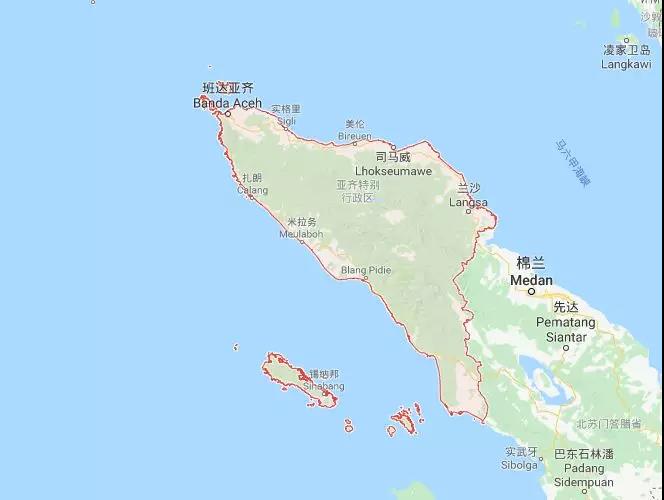
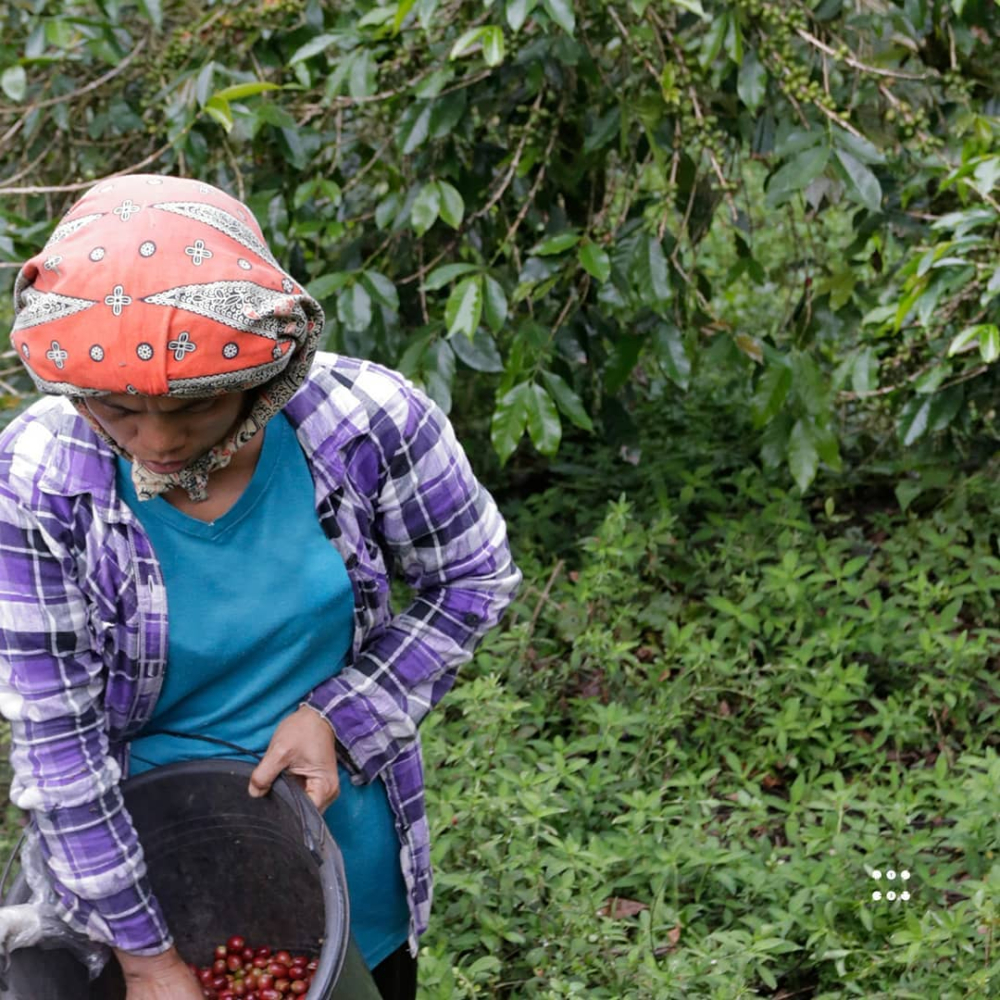
The origin of Golden Mandheling coffee beans is located in the Gayo highlands of Aceh Province in northern Sumatra, Indonesia. This mountainous area includes the towns of Takegon and the areas around Lake Tawar, at elevations ranging from 1110 to 1600 meters, making it a typical high-altitude coffee-growing region. Local smallholder farmers mostly grow their crops under shade and use the wet-hulled processing method, which gives the coffee its deep yet vibrant and bold characteristics. It is worth noting that although the Aceh region has great potential in terms of coffee terroir, due to long-term political factors, it is less frequented by tourists, which has helped preserve a more pristine growing and processing environment.
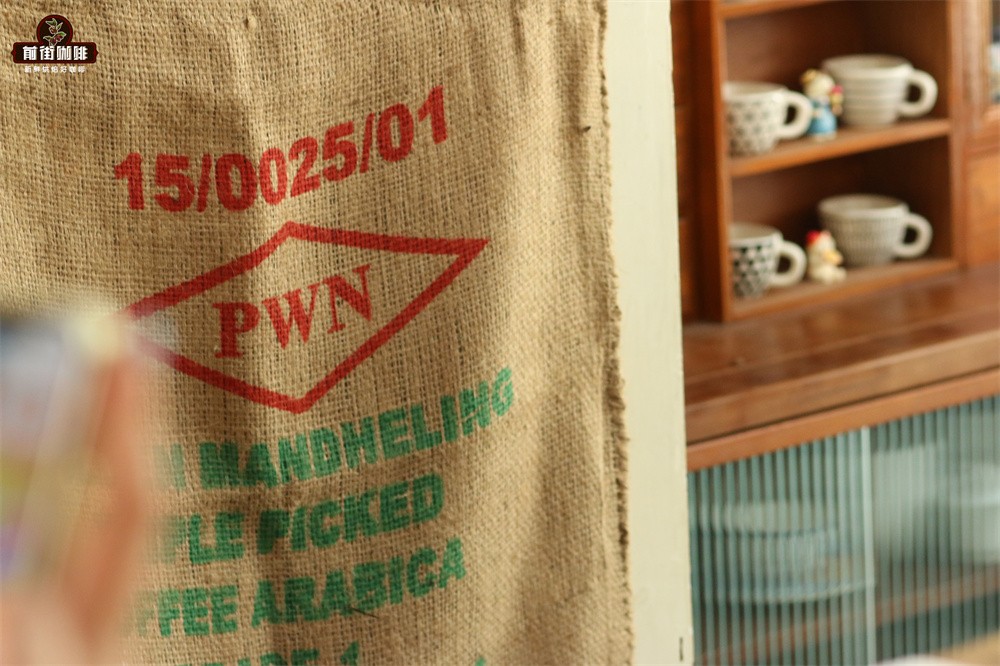
The so-called “Golden Mandheling” originates from Indonesia’s renowned Pawani Coffee Company (Pawani Coffee Company, abbreviated as PWN). This company is not only the registered owner of the brand but also widely recognized for its strict selection process. After purchasing Mandheling green beans from surrounding producing regions, PWN conducts three rounds of manual sorting followed by one round of machine sorting to ensure each bean is uniform in appearance and consistency, thereby enhancing the cleanliness and flavor consistency after roasting. Although many merchants market large-sized Indonesian beans as “Golden Mandheling,” the authentic PWN-produced beans are limited in quantity due to their rigorous selection criteria, making them even more precious.
Regarding the name “Golden Mandheling,” it has actually been registered as a trademark by PWN, meaning that only beans produced by PWN can be considered the genuine Golden Mandheling. The version sold by a well-known coffee brand is precisely the authentic one from PWN. Although Golden Mandheling originates from the Mandheling variety, it can be understood as an upgraded version after careful selection, and therefore exhibits a more representative flavor profile. Each year, a well-known coffee brand cup tests over a hundred samples from different producing regions, ultimately selecting only about one-fifth that demonstrate clear regional flavor characteristics — and Golden Mandheling is one of them, also regarded as a classic example of Sumatran flavor.
In terms of variety, Golden Mandheling uses the Ateng variety, which is actually the local colloquial term for the Catimor variety. Ateng is a hybrid of Arabica and Robusta and, although not as delicate in flavor as some specialty Arabicas, it can display rich and layered characteristics in high-altitude and humid environments like Sumatra. It’s important to note that Ateng is not the mainstream variety among high-end specialty beans, but with proper processing and roasting, it can still deliver surprisingly delightful flavor profiles.
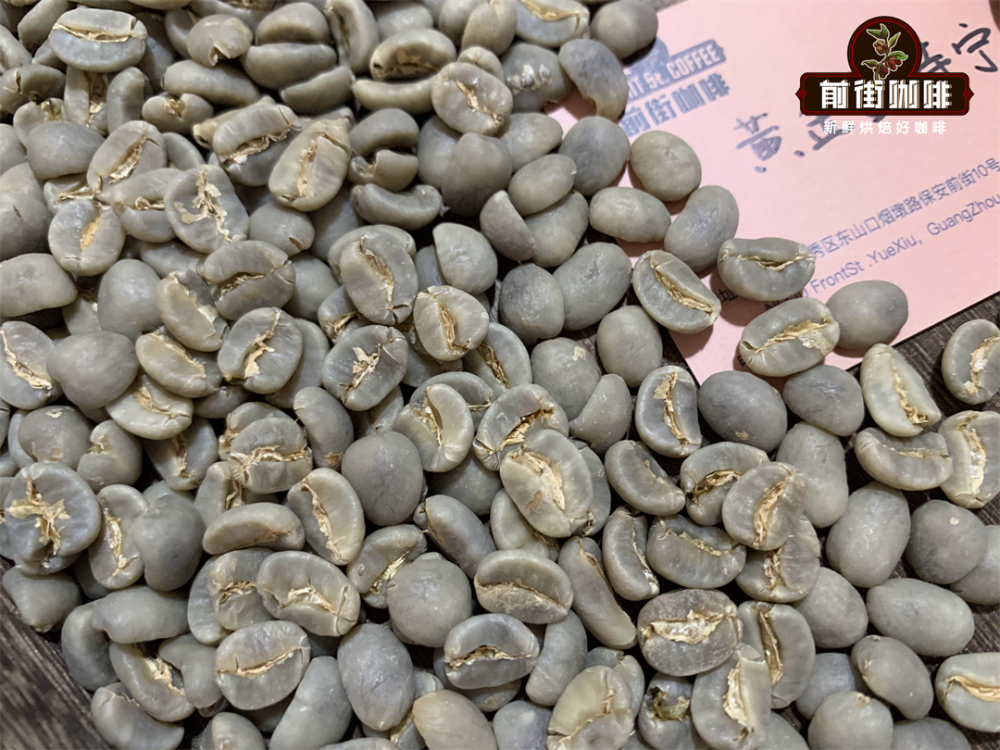
Golden Mandheling employs Indonesia’s unique wet-hulled processing method. This method stems from the limitations of local economic and climatic conditions — traditional washed processing is too costly, leading to the development of a process where the beans undergo water fermentation, then are partially sun-dried with the parchment layer still on (for about 2–3 days), and when the moisture content drops to 20%–24%, the parchment is removed early for drying. While this method speeds up the processing, it can also increase the defect rate. However, the Golden Mandheling produced by PWN achieves extremely low defect levels through high-standard sorting — bean size reaches 19 mesh or above, with fewer than 3 defects per 300-gram sample, representing top-tier performance within the G1 grade. The beans have a darker green color and uniform shape, greatly enhancing the final flavor purity.
For roasting recommendations, it is advisable to use a medium-dark to dark roast range to fully bring out its bold and deep aromatic qualities. Specific parameters may include: an entry temperature of around 200°C, fan setting at 3, then reducing heat to 160°C after approximately 1 minute while keeping the fan unchanged; at around 5 minutes and 40 seconds, when the temperature drops to 148°C and the grassy notes disappear, adjust the heat to 140°C and fan to 4; by 9 minutes and 40 seconds, when the bean surface shows obvious wrinkles and dark spots, pay attention to aroma changes before first crack; first crack starts around 9 minutes and 54 seconds — reduce heat to 60°C, open the fan fully, and drop the beans at 204.5°C, carefully controlling heat and listening to avoid over-roasting.
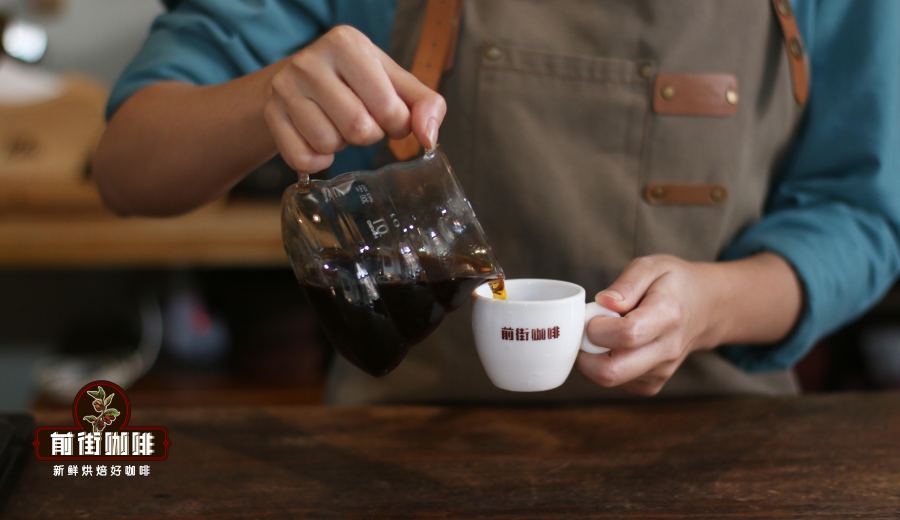
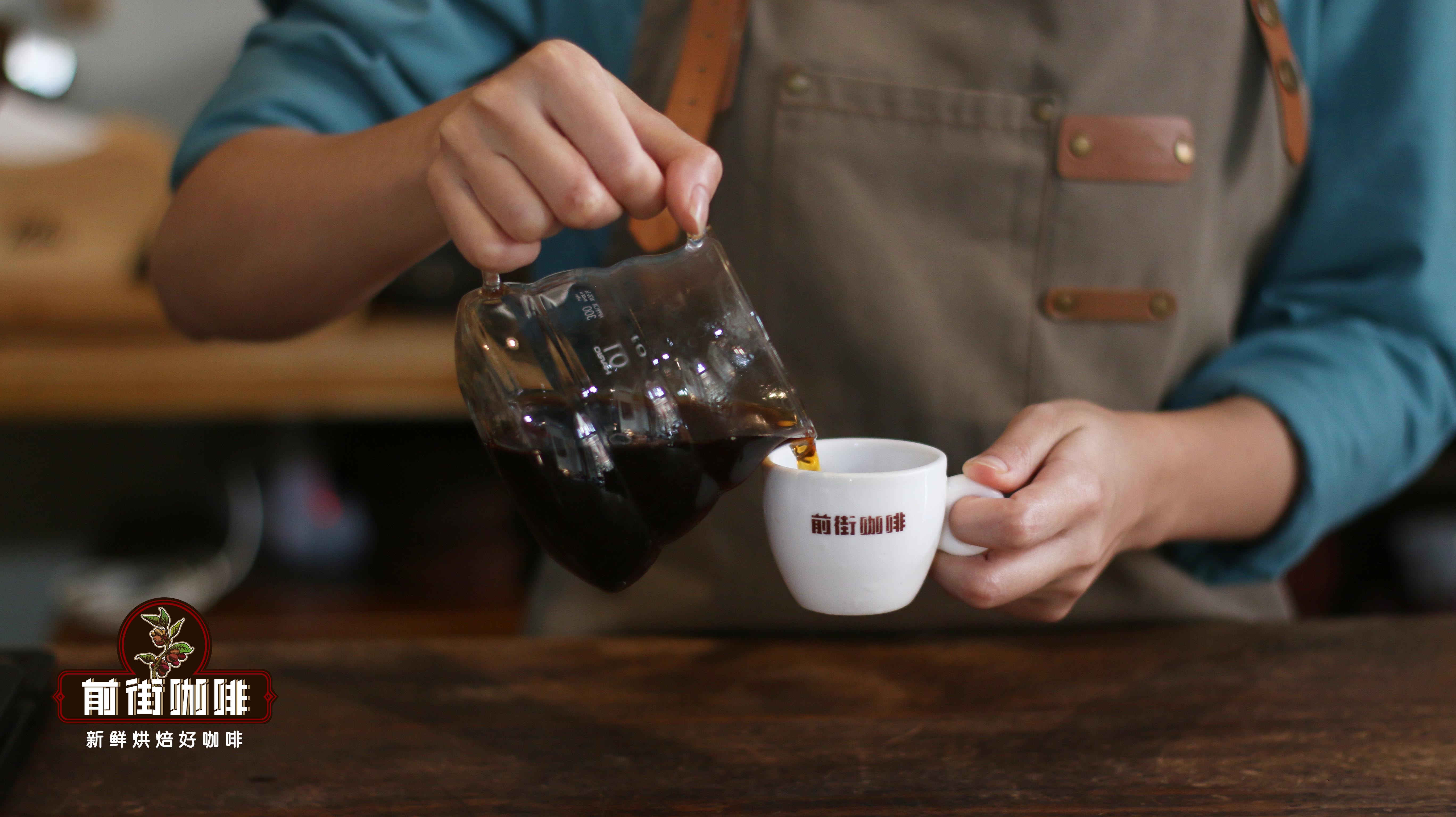
As for pour-over recommendations, it is suggested to use the Kono filter with medium-fine grind (70–75% passing through a Chinese standard No. 20 sieve), 15 grams of coffee, water at 88°C, and a 1:15 coffee-to-water ratio. The Kono filter, with its low and sparse rib design, allows the filter paper to adhere more closely to the cup wall, reducing airflow and extending contact time between water and coffee grounds, which helps enhance body and extraction efficiency. In practice, a three-stage extraction is recommended: start with a 30-second bloom using 30 grams of water, then pour in a small circular motion until reaching 125 grams for the first pour; once the water level drops, add more water to reach 225 grams, and finally remove the filter just before the water level is exhausted, keeping total brew time between 2 minutes 05 seconds and 2 minutes 15 seconds.
The final brewed Golden Mandheling delivers an outstanding flavor profile: the initial stage presents distinct spicy and herbal notes, the middle showcases a rich and multi-layered mouthfeel, and the finish lingers with intense nutty, brown sugar, and chocolate aromas. The overall balance is excellent, with pronounced sweetness and a long-lasting aftertaste. This bean is perfect for coffee lovers who enjoy dark roasts and bold styles, and it also serves as a classic choice for beginners exploring Sumatran flavor characteristics during their pour-over journey.
The above content is compiled by CoffeeHunters, a coffee news website.


