







Introduction:Want to understand what makes Yunnan small-grain coffee so special? This article delves into its historical background, key variety characteristics, and offers recommendations for both pour over and espresso beans—from Catimor and Typica to V60 three-stage extraction parameters, helping you easily master optimal brewing techniques and experience the balanced flavors of nuts and sweetness.
When it comes to Chinese coffee, “Yunnan small-grain” is almost an essential topic. As one of the first regions in China to introduce coffee, Yunnan planted its first coffee seedlings in Zhukula Village, Binchuan County, by French missionaries as early as 1904, laying the foundation for China’s coffee industry. After a century of development, the Arabica varieties now grown in Yunnan are known for their smaller bean size, hence the nickname “small-grain coffee.”
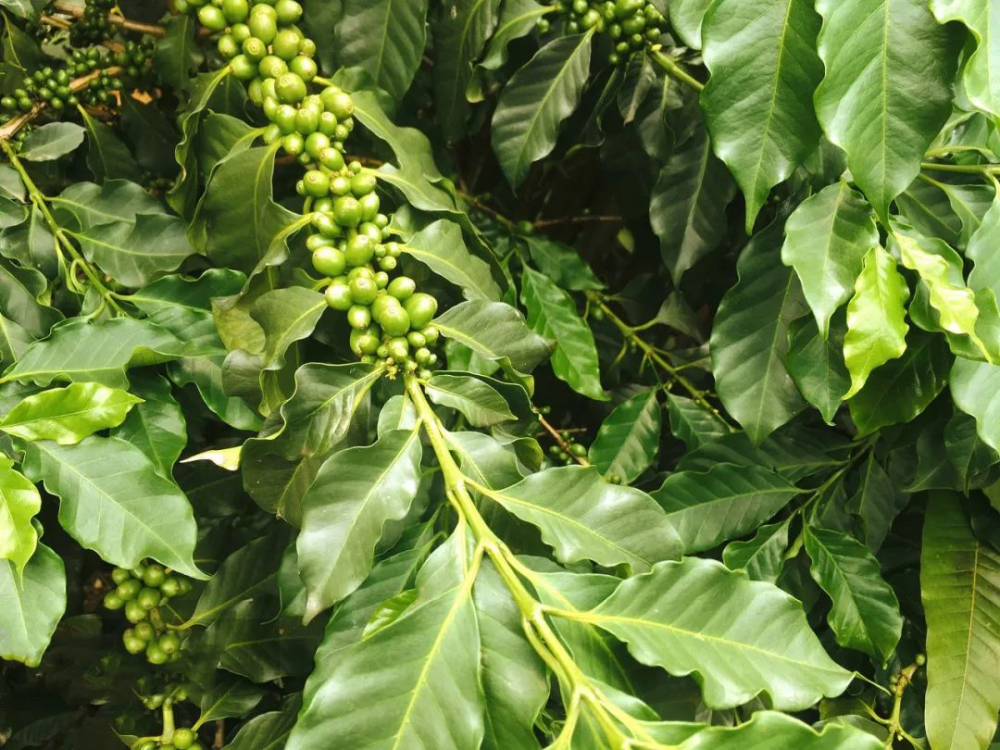
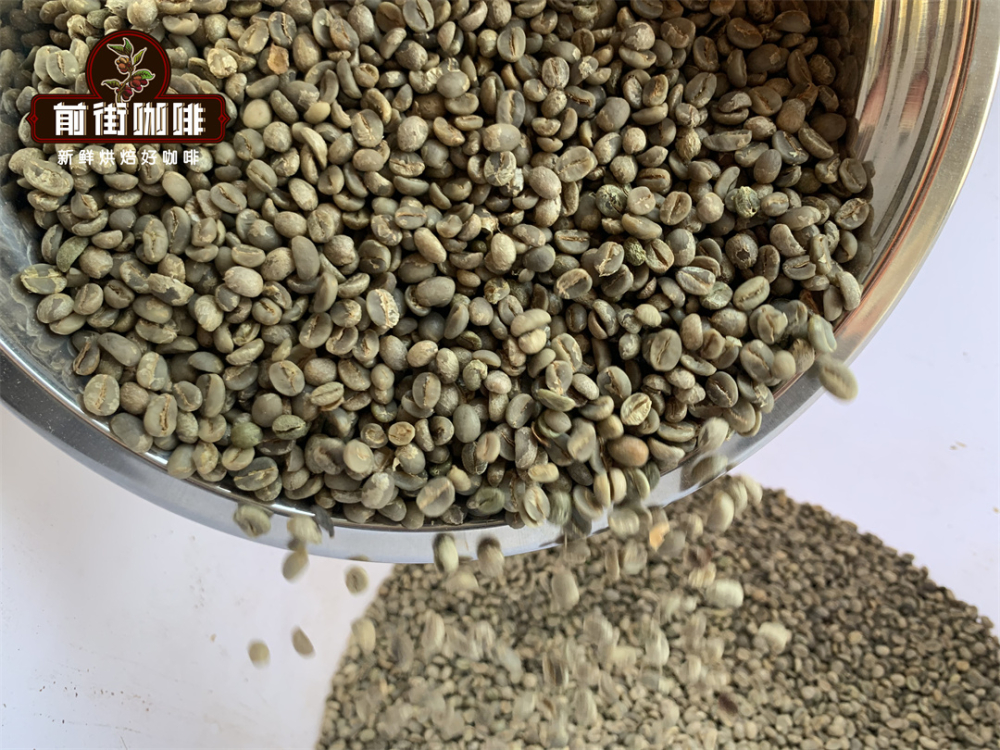
Currently, the main commercial coffee varieties grown in Yunnan can be divided into two categories: Arabica and Robusta. Among them, Hainan mainly grows larger-beaned Robusta, while Yunnan focuses on smaller-beaned Arabica, which local farmers commonly refer to as “small-grain.” Common varieties include Catimor, Typica, and Bourbon, with Catimor becoming the dominant cultivar due to its strong disease resistance, adaptability, and stable yield.
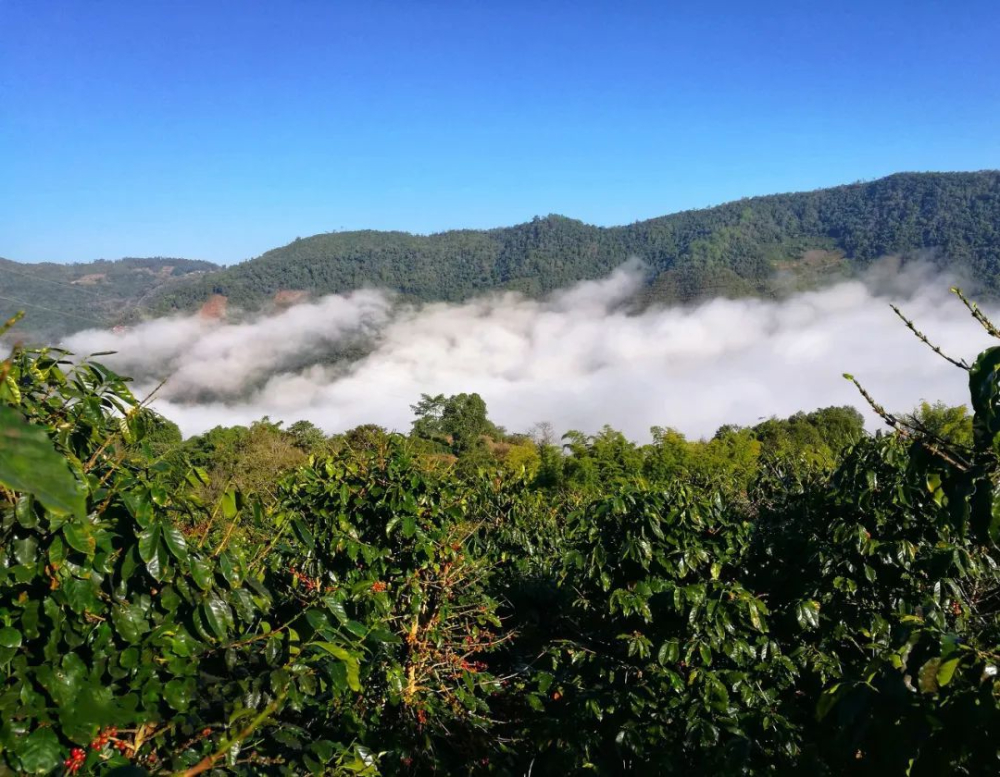
Yunnan’s geographical environment is uniquely favorable, located between the Tropic of Cancer and 15 degrees north latitude, with most plantations situated on slopes above 1,000 meters in altitude. The climate meets the high-altitude, moderate sunlight, and abundant rainfall conditions required for coffee growth. Coupled with fertile red soil, the small-grain coffee produced here often boasts intense aroma while maintaining a good balance of acidity and sweetness, with bitterness kept subdued.
So, how does Yunnan small-grain coffee taste? With advancements in cultivation and post-harvest processing techniques, the coffee beans from Yunnan’s growing regions can now present a diverse range of flavors, suitable for various brewing methods. Below are several representative Yunnan small-grain coffees and their characteristics, recommended based on common home brewing scenarios:
For pour over, cold brew, or drip bag options: 2013 Natural Typica, grown in Lincang, Yunnan, at an altitude of about 1,300 meters, using the natural processing method. Its flavor profile showcases apricot-like acidity and sweetness, nutty notes, and brown sugar sweetness, with a delicate tea-like aftertaste.
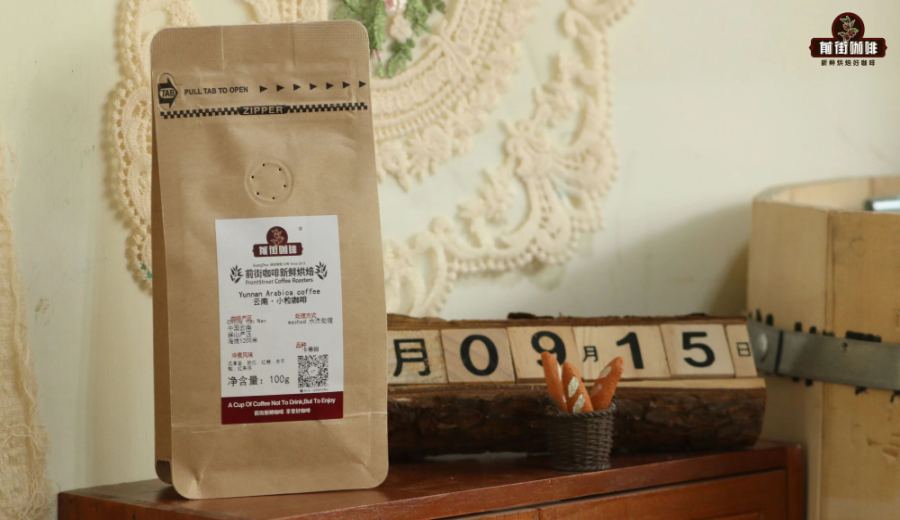
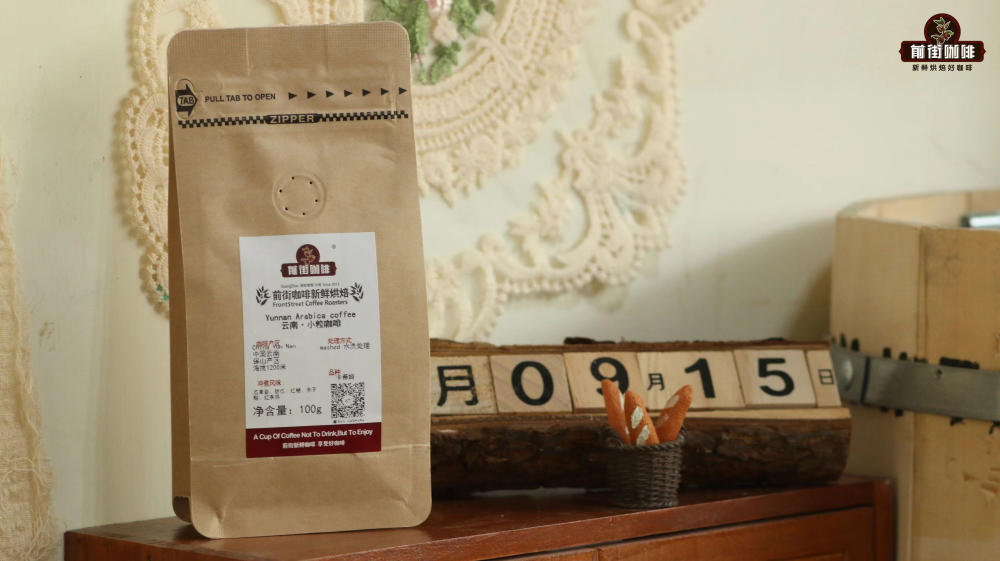
Recommended for American drip machines or pour over beginners: Yunnan Small-Grain, from Baoshan, Yunnan, at an altitude of 1,200 meters, Catimor variety, washed processed. It exhibits distinct nutty aromas, along with herbal, chocolate, and caramel layers, with a hint of fruity acidity in the aftertaste.
If you prefer using a moka pot or espresso machine, it is recommended to choose a basic espresso blend combining Brazilian Red Bourbon and Yunnan AA. The flavor is dominated by chocolate, roasted nuts, butter, and cocoa, with moderate crema performance, suitable for making everyday espresso or milk-based coffee.
Based on cupping experience, Yunnan small-grain beans generally present nutty and herbal aromas, paired with brown sugar and fruity sweetness, as well as plum-like acidity. The overall balance of acidity, sweetness, and bitterness is well-executed, with a clear aftertaste. To highlight its nutty sweetness and retain moderate acidity, medium roasting is generally recommended. During home brewing, it is important to control the extraction rate—too high can bring bitterness, too low can result in flat flavors. Therefore, it is suggested to use medium-fine grind (approximately 75% passing through a No. 20 sieve according to Chinese standards), paired with a V60 filter, with water temperature controlled around 90°C.
The V60 filter, with its wide-diameter spout design and spiral flow ribs, facilitates smooth water flow and enhances the expression of flavor layers, making it highly suitable for showcasing the delicate characteristics of Yunnan small-grain coffee. Below are practical three-stage V60 pour over parameters for readers to reference and practice:
Filter:V60
Water temperature:90-92°C
Coffee-to-water ratio:1:15
Grind size:Medium grind (approximately 75% passing through a No. 20 sieve)
Brewing steps:
1. Place 15 grams of coffee grounds into the filter, then pour 30 grams of hot water for a 30-second bloom, starting the timer simultaneously. It is recommended to use a small stream of water, circling from the center outward, to ensure even saturation of the coffee bed.
2. Next, pour 120 grams of water with a slightly larger stream, aiming to lift the coffee bed. The water stream should be vertical and even. This stage should reach a cumulative 150 grams of water around the 55-second mark.
3. When the liquid level drops to half, switch to a small stream and slowly pour the final 90 grams of water in small circles. Be mindful of the pressure to avoid disturbing the coffee bed. The total water volume is 240 grams, with a dripping time of approximately 2 minutes and 10 seconds. After completion, give the coffee a gentle swirl before enjoying.
In summary, Yunnan small-grain coffee, with its unique geographical advantages and varietal characteristics, has demonstrated flavor potential that can rival that of international coffee-growing regions. Whether you’re a pour over novice or an espresso enthusiast, as long as you choose the right beans and brewing parameters, you can easily recreate that nutty sweetness and layered aftertaste at home. Want to truly understand its flavors? Try brewing a cup yourself and savor the nuances.
The above content is compiled by CoffeeHunters, a coffee news website.


