








Introduction:German iced coffee is known for its espresso base paired with ice cream and sweet syrups, but if you want to easily make a refreshing and complex-flavored iced coffee at home, the cold brew method is a great choice. This article will introduce the principles of cold water immersion extraction, the optimal coffee-to-water ratio and brewing time, and recommend several coffee beans suitable for iced drinks, allowing you to easily enjoy a clean and rich summer iced coffee at home.
Definitions of iced coffee vary widely across Europe: American-style iced coffee is usually espresso diluted with water and ice, Italians prefer shaking espresso with ice cubes to create foam, while Germans favor an extended extraction espresso base paired with vanilla ice cream, whipped cream, and caramel sauce—luxury versions may even include rum. However, these methods almost all rely on professional espresso machines. If you want to easily make a refreshing and flavorful iced coffee at home, the cold brew method is a simpler and more practical option.
Cold brew, also known as cold water extraction, is a brewing method that involves steeping coffee grounds in room temperature or cold water for an extended period. Since there is no high heat involved, the activity of water molecules is slower, making it less likely for bitter and astringent substances in coffee to be released. As a result, cold brew coffee usually has a smoother and cleaner taste. At the same time, the prolonged steeping allows for a fuller release of the coffee’s aroma and sweetness, resulting in a richer flavor profile.
Compared to hot brewed coffee, cold brew typically extracts more caffeine during the process. If you’re looking to gain a greater caffeine boost from your coffee, cold brew is a good option. In addition, making cold brew is relatively simple and doesn’t require expensive equipment. By mastering the right coffee-to-water ratio and steeping time, you can easily brew it at home.
It is recommended to use washed-process light roasted coffee beans. These beans typically have bright acidity and clear fruity and floral notes, which are well-suited to showcasing delicate flavors after cold brewing. The suggested coffee-to-water ratio is 1:12(i.e., using 12 milliliters of water per gram of coffee grounds), with water kept at room temperature. Use a cold brew maker or a sealed container for steeping, with a recommended time of 12 to 16 hours, and refrigerating during extraction yields better results.
In terms of steps, first place coffee grounds ground to a consistency similar to white sugar into the filter of a cold brew maker, then pour in room temperature water at a 1:12 ratio —for example, if using 60 grams of coffee grounds, add 720 milliliters of water. Ensure all the coffee grounds are evenly saturated, then cover the filter lid and main container, and let it sit in the refrigerator for 12 to 16 hours. After steeping, lift the filter to allow any remaining coffee liquid to drip out completely before removing the coffee grounds and enjoying your brew.
If you find the 1:12 concentration too strong, you can adjust it to 1:13, or modify the strength to your taste by adding ice or water when serving. Although this method requires a long wait, it’s ideal for preparing the night before and enjoying a balanced and refreshing cold brew the next day.
Below are several recommended coffee beans suitable for making iced coffee. These bean varieties can showcase rich fruitiness, sweetness, and a full body under cold brew conditions:
Ethiopian Natural Red Cherry Coffee Beans(Medium-Light Roast): Featuring a mix of berries, caramel, black tea, and light fermented fruit aromas, it is sweet and tangy with a refreshing profile, suitable for those who enjoy bright flavors. These beans come from the renowned “Red Cherry Project,” which emphasizes harvesting only fully ripe coffee cherries. As a result, they are rich in sugars, with pronounced sweetness after sun-drying, gentle fermentation notes, and are an excellent choice for showcasing layered flavors in cold brew.
Panama Elida Estate Natural Typica Coffee Beans(Medium Roast): With aromas of peach, orange, raisin, and caramel, the Typica variety itself offers clear flavors and a clean profile. Paired with the natural processing that brings intense juiciness, the overall cup is smooth and full-bodied, suitable for consumers who enjoy a balance between fruity and tea-like notes.
Colombia Finca La Frontera Geisha Coffee Beans(Medium Roast): Exhibiting complex fruit notes such as grape, passionfruit, apricot preserve, and citrus, with moderate acidity and a rounded mouthfeel. The Geisha variety is an experimental hybrid of Typica and Red Bourbon, boasting floral and fruity aromas akin to Gesha, offering great value and making it highly suitable as a base bean for cold brew or iced drip coffee.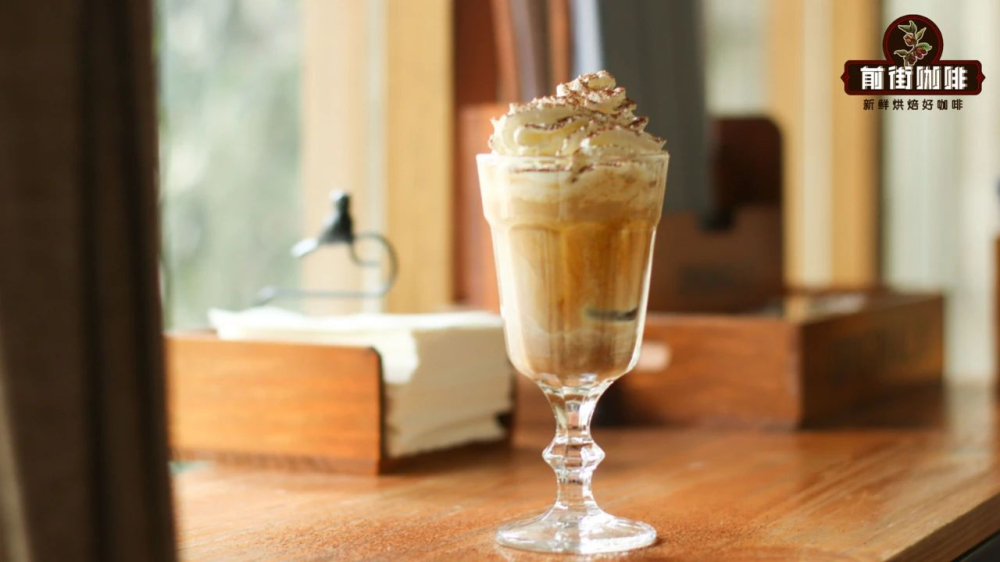
In summary, if you want to make a rich and layered iced drink at home similar to German iced coffee, you don’t necessarily need an espresso machine. Through the cold brew method, you can also enjoy a clean, smooth, and flavorful iced coffee with simple tools and steps. Just master the right coffee-to-water ratio, choose the right beans, and allow enough time—and you can easily create your own summer iced coffee.

The above content is compiled by CoffeeHunters, a coffee news website.


