







Introduction:When brewing pour over coffee at home, do you often find it tastes vastly different from what you get at a café? More often than not, the issue isn’t due to overly complex techniques, but rather those easily overlooked small details. From preparation before grinding, properly placing the filter paper, to observing the bloom and pouring, each step can affect the final extraction. This article outlines nine key points that beginners most frequently neglect, helping you eliminate variables at the root, more accurately identify why your coffee might not taste right, and brew consistently great-tasting coffee at home.
Many coffee enthusiasts who try pour over brewing at home for the first time often encounter a common issue: even though they’ve enjoyed richly layered flavors in cafés, their homemade brews always seem to lack something or even taste off. In reality, the problem rarely lies in complicated techniques, but rather in those seemingly simple yet often ignored basic details. Things like cleaning before grinding, whether the filter paper sits properly, or the condition of the coffee bed during pouring — every step can influence the final extraction.
Below are nine of the most commonly overlooked brewing details by beginners. By mastering these points, you can effectively reduce instability, more clearly determine whether the issue is with grind size, water temperature, or pouring technique, and gradually adjust to achieve your ideal pour over flavor.
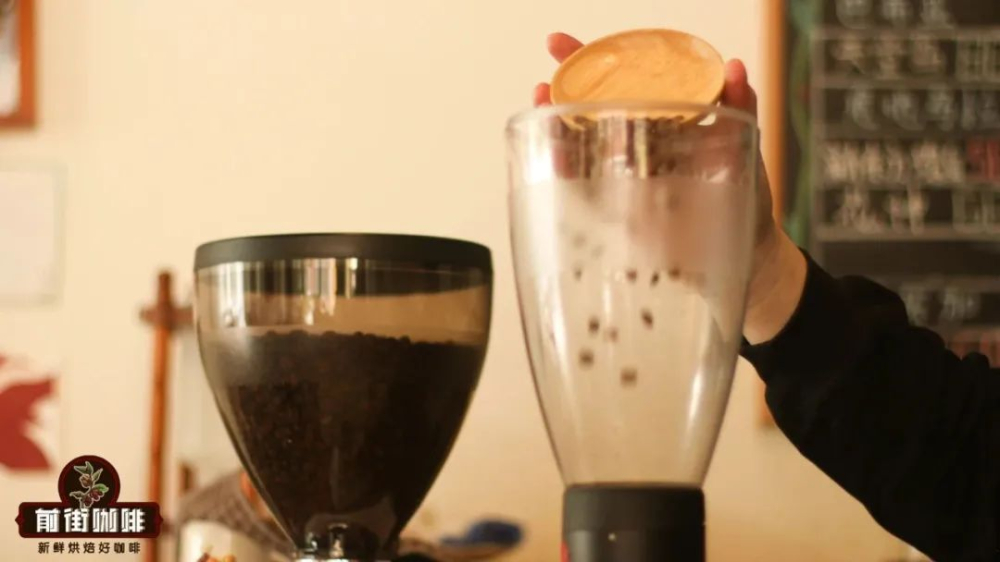
Detail 1: Not “cleaning the grinder” before grinding can lead to coffee flavor contamination
Whether using a hand grinder or an electric one, some fine coffee particles will inevitably remain on the burrs after each grind. If not cleaned regularly, these leftover grounds can oxidize, producing woody or oily flavors that affect the taste of the next batch of coffee. Therefore, it’s recommended to run a few beans through the grinder before actual grinding — a process called “grinder purge” — to help clear out residual coffee dust. Additionally, developing a habit of regularly cleaning your grinder after use not only extends its lifespan but also maintains flavor purity.
Detail 2: Filter paper not properly seated in the filter cone affects water flow and extraction uniformity
Wetting the filter paper isn’t just for preheating — it’s more importantly about ensuring the paper adheres tightly to the walls of the filter cone, preventing gases from being trapped during the bloom phase. If there’s a gap between the filter paper and the cone, it can hinder the release of CO₂ from the coffee grounds and may also render certain design features (like the spiral ribs of a V60 or the smooth curve of a KONO) ineffective, leading to uneven extraction or irregular water flow. The correct approach is to fully wet the filter paper, then gently press it against the inner wall of the cone to ensure no air bubbles are trapped.
Detail 3: Over-tapping the coffee bed after adding grounds leads to poor bed structure
To create a level coffee bed, many people lightly tap or shake the filter cone. But if done too forcefully or too often, it can cause the finest particles to sink to the bottom, resulting in a loose top layer and a compact bottom layer. This kind of structure makes it difficult for hot water to penetrate evenly and can even clog extraction toward the end. It’s better to pour grounds directly into the center of the cone, then gently shake it to allow the bed to settle naturally without excessively disturbing its structure.
Detail 4: Pre-pour checks are essential
Even if you’re very familiar with your brewing parameters, performing basic checks before pouring is still crucial. Make sure to discard any remaining water used to rinse the filter paper in the server, and check that your kettle has enough water. It’s also advisable to reset your scale to zero after adding the coffee grounds, to avoid under-measuring due to coffee retention in the grinder, which could throw off your brew ratio.
Detail 5: Confirming water temperature but delaying the pour leads to heat loss
Many beginners have the habit of setting the desired water temperature, putting the lid on the kettle, then getting distracted with other things — only to find the water has cooled down by the time they start pouring. It’s best to leave the temperature check as the final step. If you’re using a kettle without temperature control, you can preheat it to slightly above the target temperature (e.g., if aiming for 90°C, heat to 93–94°C), then let it cool naturally to the desired range before pouring immediately.
Detail 6: Uneven saturation during bloom affects degassing and extraction
During the bloom phase, it’s common to use double the coffee’s weight in water (e.g., 30g water for 15g coffee) and wait around 30 seconds. But the key is ensuring all the coffee grounds are thoroughly wetted to effectively release CO₂. If you only focus on the amount of water and timing but neglect even saturation, some areas may not bloom fully, affecting consistency later on. If you find it hard to wet all the grounds with just double the water, you can “borrow” a small amount (around 5–10g) from the later stages to improve results.
Detail 7: Inconsistent adherence to brewing parameters makes troubleshooting difficult
When planning your brew, parameters such as coffee dose, water volume, temperature, grind size, and pour distribution should all be clearly defined. If you don’t follow your plan closely, it will be hard to pinpoint what went wrong if the coffee doesn’t taste good. For example, if the actual pour volume doesn’t match the planned brew ratio (like 1:15), but you arbitrarily adjust brew time, the resulting flavor will be uninterpretable and make adjustments ineffective.
Detail 8: Only watching the scale, ignoring changes in the coffee bed
Many beginners focus too much on the gram readings and timing on the scale while pouring, but overlook the actual state of the coffee bed. For instance, when brewing light roasts with fine grinds, water may flow slowly — if you’re only watching numbers, you might end up with a high liquid level, causing water to drain quickly through the filter ribs and resulting in under-extraction. It’s better to observe the coffee bed while pouring, adjusting your pour speed as needed to ensure proper contact between water and coffee.
Detail 9: Drinking coffee without stirring leads to an incomplete flavor experience
Different phases of extraction yield different flavor compounds, ranging from intense to subtle layers. If you don’t stir the coffee to mix it evenly, you may end up with sips that are either too strong or too weak, missing out on the full flavor profile. It’s recommended to give your cup a gentle swirl after pouring, blending all the layers together before enjoying a more balanced taste.
Mastering these nine commonly overlooked details may not instantly revolutionize your coffee’s flavor, but it will help you eliminate various unstable factors, more precisely identify problems, and gradually adjust to brew your own ideal pour over coffee.
The above content is compiled by CoffeeHunters, a coffee news website.


