








Introduction:The flavor of pour over coffee is largely determined by the choice of water temperature. Through practical testing, this article observes the balance of acidity and sweetness, tea-like qualities, and astringency in washed Yirgacheffe beans under varying water temperatures from 80°C to 96°C, while also analyzing how temperature influences the release of various compounds in coffee. Whether you're a beginner or an experienced coffee enthusiast, you'll gain insights into adjusting water temperature according to roast level to avoid over-extraction or under-extraction and brew your ideal cup.
During the pour over process, water temperature plays a pivotal role. It not only determines the degree to which various soluble substances in coffee are extracted, but also directly affects the final flavor profile. In this test, we used a washed Yirgacheffe coffee bean as an example and brewed it at five different temperatures: 80°C, 86°C, 90°C, 93°C, and 96°C. We observed their impact on aspects such as acidity, sweetness, tea-like quality, and astringency, and provided specific recommendations for choosing the appropriate water temperature based on roast level.
Theoretically, the optimal extraction temperature range for pour over is between 91°C and 94°C. This temperature window effectively extracts the essential compounds in coffee while avoiding excessive release of undesirable impurities. However, many people at home estimate water temperature by experience, resulting in significant flavor variations with each brew, sometimes even leading them to doubt the freshness or quality of the beans. In reality, even subtle changes in water temperature can lead to noticeable differences in coffee flavor.
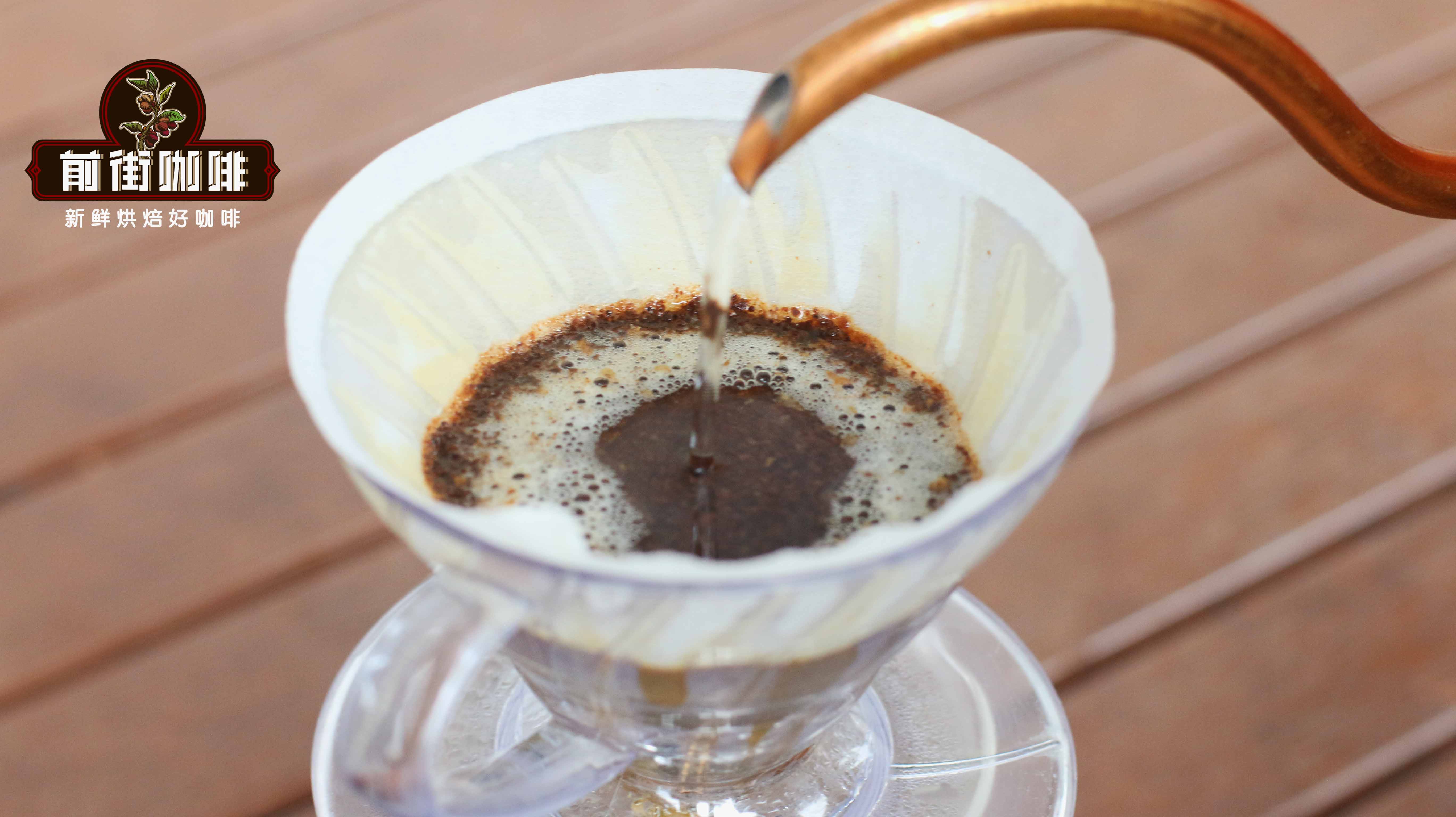
This experiment used a medium-fine grind (approximately 75% passing through a 0.85mm sieve), 15 grams of coffee, a 1:15 coffee-to-water ratio, and a Hario V60 filter. A classic three-stage pouring method was employed: the first pour of 30g of water for a 30-second bloom, allowing the coffee grounds to expand like a hamburger shape; the second pour using a gentle, small stream in circular motions from the center outward, adding 125g of water at a flow rate of about 4g per second and a pour height of about 4cm to minimize excessive agitation of the coffee bed; when the water level dropped to half the coffee bed, the third pour continued until reaching a total of 225g, maintaining steady flow and gentle technique. The total extraction time was approximately 2 minutes and 1 second. These parameters help stabilize extraction and facilitate observation of flavor variations at different temperatures.
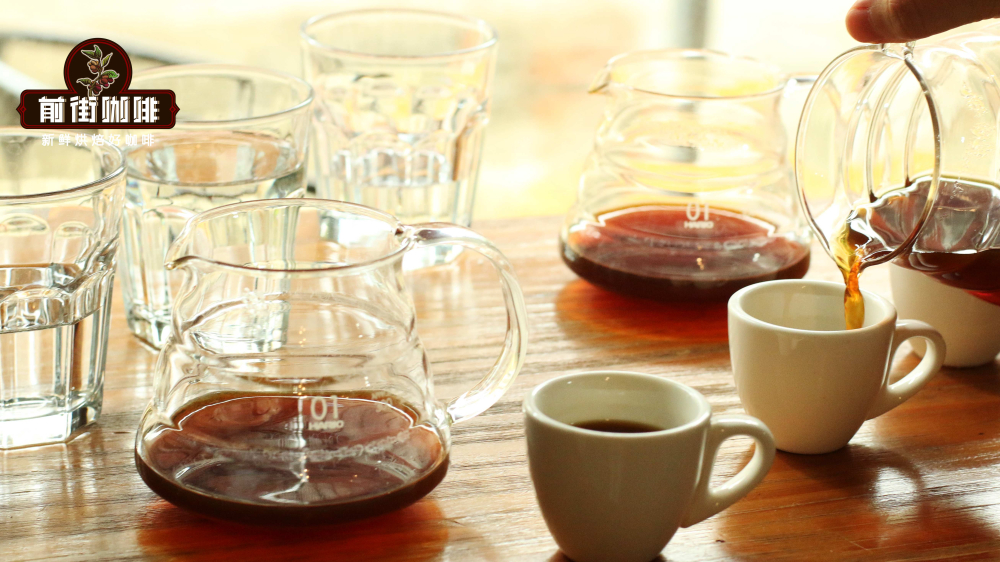
The experimental results show:80°CAt lower temperatures, the coffee exhibits a distinct tea-like quality and mild sour astringency, with a main note similar to the fresh acidity of lemon peel. The overall flavor is delicate and elegant, with a clear tea-like sweetness, though the layers feel somewhat thin.86°CAt 86°C, the acidity shifts to a sharper, kumquat-like character, with acidity and sweetness beginning to emerge but not yet fully balanced.90°CAt 90°C, there is a clear turning point—citrus acidity becomes bright and lively, fruit sweetness starts to stand out, and the overall profile becomes more harmonious.93°CAt 93°C, citrus acidity remains clear, but the latter part carries a richness reminiscent of black tea, making the flavor profile more layered and complex.96°CAt 96°C, the overall flavor becomes more concentrated, with a tea-like quality and slight astringency, presenting a strong impression of a bold fruit tea.
So, what is the most suitable water temperature range for daily pour over brewing? Based on practical experience and the results of this experiment, it is recommended to control the water temperature within86°C to 93°C, with further fine-tuning based on the roast level of the coffee beans. Forlight roastbeans, such as Yirgacheffe or naturally processed Huakui, it is suggested to use91°C to 93°Cto help highlight bright acidity and fruity notes;For medium roastbeans, such as Heaven Bird or Typica, which generally have a more balanced taste profile, it is recommended to use around90°C90°C, to showcase a soft and layered expression. As fordark roastbeans, such as Golden Mandheling, it is advised to lower the water temperature to86°C to 88°C
to prevent excessive extraction that could lead to bitterness and astringency, while allowing body and sweetness to become more pronounced.
The reason water temperature has such a significant impact on coffee extraction is mainly due to its effect on the dissolution rate of compounds. Simply put, the higher the water temperature, the faster various substances in coffee—including quinic acid, amino acids, tannins, caffeine, and oils—are released, resulting in greater total extraction and higher concentration. Conversely, lower temperatures slow down the release of these substances, reducing the overall extraction.
In terms of flavor, if other parameters remain constant, lower water temperatures tend to bring out more prominent acidity, while higher temperatures can extract more bitter and sweet components. However, it’s important to note that higher concentration does not necessarily mean better flavor—over-extraction may result in bitterness and astringency, whereas under-extraction can make the coffee taste thin and dull, lacking depth and complexity.
From a chemical perspective, coffee beans consist of roughly two-thirds lignocellulose, with the remaining third made up of various soluble aromatic molecules. When in contact with water, these substances are dissolved in order of molecular size: small molecules such as acids and aromas are released first, followed by medium-sized molecules like sweet components, and finally larger molecules such as bitter and astringent substances. Water temperature acts as a catalyst in this process. Excessively high temperatures can cause large molecules to be released too early, leading to premature woody or astringent notes. On the other hand, overly low temperatures may prevent small molecules from being fully released, causing the coffee’s flavor to remain stuck in the acidic and sweet stage, without developing the subsequent body and complexity.
The above content is compiled by CoffeeHunters, a coffee news website.


