







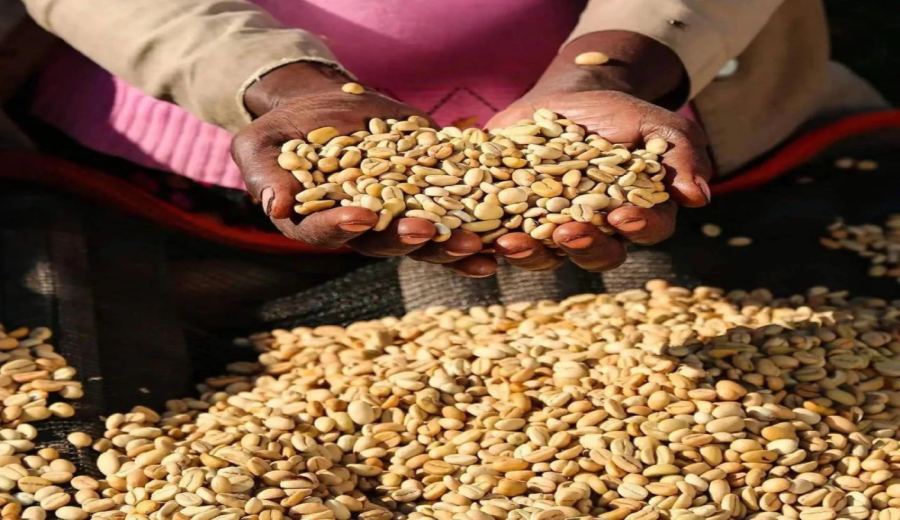
Introduction:The processing method of coffee beans deeply influences their flavor profile and tasting experience. This article provides a detailed analysis of the processing principles, operational details, and flavor characteristics of natural (sun-dried), washed, honey, and semi-washed (pulped natural) methods, helping you understand the key differences among these processing techniques and identify the types of coffee beans that suit your taste.
The processing method of green coffee beans is a crucial factor in shaping the final flavor of a cup of coffee. From the traditional natural process and the clean-acidity-focused washed process to the honey process with its unique sweetness and fermentation notes, and the semi-washed (pulped natural) method that lies between the two, each processing approach has its distinct craftsmanship logic and flavor trajectory. This article will explain the differences among these four mainstream processing methods in an accessible way, and through practical observation and cupping experience, guide you in understanding how they affect the aroma, acidity-sweetness balance, and overall mouthfeel of coffee—offering solid reference for your coffee selection and tasting journey.
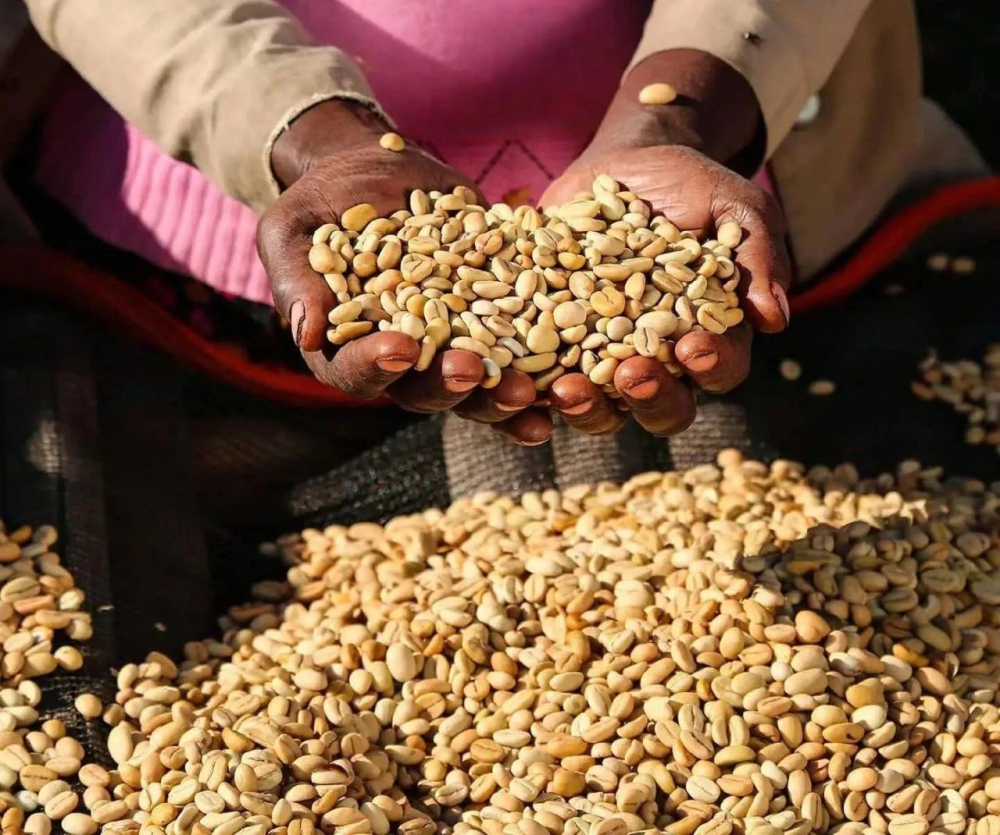
Coffee processing methods can be broadly divided into three categories: dry processing (i.e., the natural process), wet processing (i.e., the washed process), and semi-dry processing (which includes pulped natural and honey processes). These methods vary significantly from the post-harvest processing of coffee cherries, thereby influencing the final flavor expression of the coffee beans.
I. Natural Process (Dry Processing Method)
The natural process is the most traditional and longest-standing method of coffee processing, also known as the dry processing method. It involves placing the whole coffee cherry (including the pulp, mucilage, and seed) directly under the sun to dry naturally until the moisture content drops to the ideal range of 10.5% to 12%. If the weather is favorable and sunny, this method is relatively energy-efficient; however, in rainy or high-humidity environments, mechanical drying equipment is often needed as an auxiliary.
Although commonly referred to as the "natural process," the more accurate technical term is "dry processing method," as the drying process does not necessarily rely entirely on sunlight. Major producing regions such as Ethiopia, Yemen, and Brazil use this method for over 80% of their coffee, especially in areas where water resources are limited.
The natural drying process usually takes 2 to 4 weeks, during which temperature and ventilation must be closely monitored to prevent mold, over-fermentation, or scorching. While mechanical drying can speed up the process, it may sacrifice some flavor details. After drying, the coffee cherries typically retain their intact outer layers until they are dry-milled (dry milling) before export.
Under ideal natural drying conditions, coffee beans can exhibit rich fruit aromas, soft fermentation layers, and prominent sweetness. Conversely, if the drying process is poorly controlled, the resulting flavors may be flat—this being one of the reasons why many Brazilian commercial beans were historically considered monotonous.
II. Washed Process (Wet Processing Method)
The washed process originated in the 18th-century Dutch colonial period when the humid climate and insufficient sunlight in the colonies made the natural process difficult, thus giving rise to this water-dependent method. The process involves first removing the outer skin and pulp of the coffee cherry, then fermenting the mucilage-covered parchment beans in water tanks until the mucilage breaks down, followed by thorough rinsing with clean water and finally drying.
The fermentation time depends on environmental conditions, typically ranging from 12 hours to 6 days. Insufficient fermentation makes it difficult to remove the mucilage, while over-fermentation may produce undesirable sour or foul odors. Traditional washed processing consumes large amounts of water, but modern techniques have enabled effective water conservation through water recycling systems or friction machines, making "wet processing method" a more appropriate term.
Washed-processed coffee typically features clean, bright acidity, clear layering, and flavors that are less influenced by pulp fermentation, thus reflecting the characteristics of the growing region and coffee variety more directly. Many specialty coffee-producing countries such as Colombia, Guatemala, and Costa Rica offer high-quality everyday beans processed via the washed method, suitable for coffee beginners looking to explore regional flavors.
III. Semi-Dry Processing Method (Pulped Natural and Honey Process)
The semi-dry processing method is an intermediate approach that blends characteristics of both dry and wet processing, and can be divided into two main types: the pulped natural method (also called semi-washed) and the honey process. Both methods first remove the outer skin and pulp of the coffee cherry, but instead of undergoing water tank fermentation and washing, they are directly sun-dried—the difference lying in whether some mucilage (i.e., the “honey”) is retained.
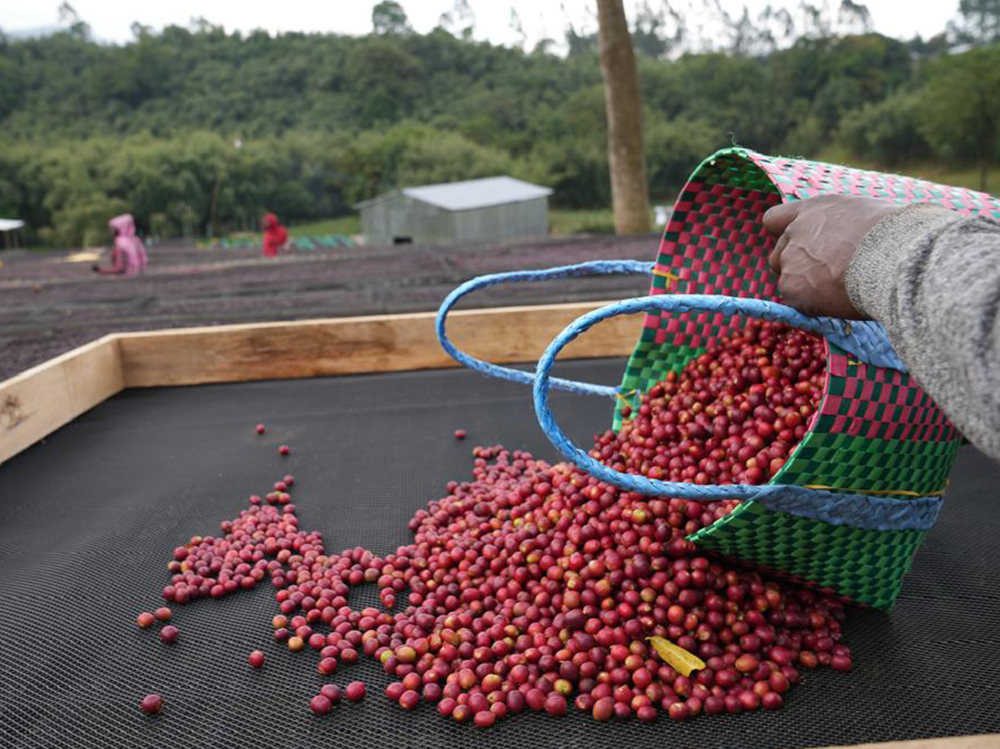
(A) Pulped Natural Method
This method originated in Brazil during the 1980s and 1990s, where local equipment manufacturer Pinhalense developed efficient depulpers and high-pressure washing equipment capable of removing most of the mucilage after the pulp is taken off, followed by direct sun-drying to reach the target moisture content. By skipping the fermentation stage, the resulting flavors are more straightforward, but the quality is stable, and the water usage is far lower than that of the washed process.
Due to the characteristics of the process, pulped natural coffee generally presents neutral acidity and mild sweetness, making it suitable for regions or production needs prioritizing stability and volume. However, due to fewer flavor layers, high-end specialty beans rarely adopt this method. Additionally, some Brazilian and Colombian producers hold patents for high-pressure washing technology, creating a technical barrier in the market.
(B) Honey Process (Honey Process / Miel Method)
The honey process is an evolved version of the pulped natural method, popular in Costa Rica and El Salvador and gradually spreading globally. Its defining feature is the retention of some mucilage during the drying process. This mucilage undergoes slight fermentation under the sun, releasing sugars that penetrate the bean and impart a richer sweetness and wine-like fermentation aroma to the coffee.
Processors can distinguish different styles based on the ratio of mucilage retained (such as 40%, 60%, 80%, or 100%) or the color of the dried beans (e.g., black honey, red honey, yellow honey, white honey). The more mucilage retained, the longer the drying time and the closer the flavor profile resembles that of traditional natural-processed beans, but with even more pronounced sweetness and fermentation layers.
Cupping experiences from certain coffee brands show that honey-processed coffee often exhibits richer fruit aromas, higher sweetness, and complex fermentation notes, making it suitable for coffee enthusiasts who enjoy bold, multi-layered flavors.
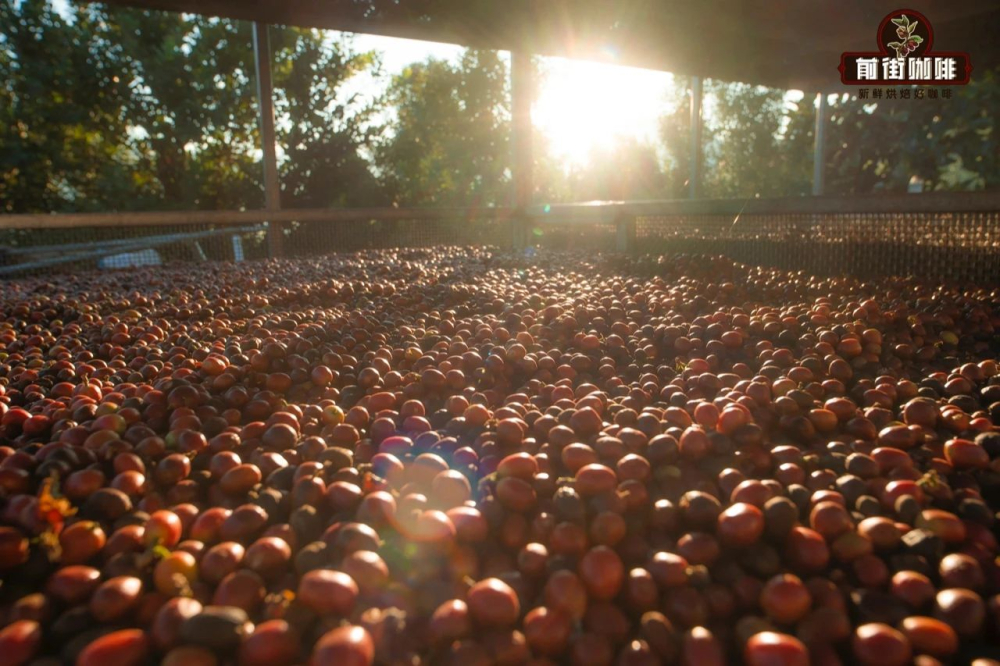
However, the honey process and pulped natural method demand stricter control over drying conditions. Improper regulation of temperature and ventilation can easily lead to over-fermentation or mold risks, necessitating a more rigorous processing procedure.
IV. How to Choose? Beginners Are Advised to Start with Natural Process
If you are new to the world of coffee, it is recommended to start with natural-processed coffee, which offers milder and more balanced acidity and sweetness. Its gentle fruitiness and noticeable sweetness are suitable for daily drinking and can help you build a basic perception of coffee flavors.
As your palate develops, you can gradually explore the clean acidity of washed coffee, the rich sweetness of honey-processed coffee, and even experiment with various natural-processed variations under different drying conditions, progressively enhancing your taste sensitivity and appreciation range.
The above content is compiled by CoffeeHunters, a coffee news website.


