







Introduction:Thanks to its balanced flavor and versatile adaptability, Colombian coffee delivers outstanding performance whether brewed using pour over or espresso. This article delves into the soil and climate characteristics of Colombia’s major coffee-growing regions, exploring how the cultivation environments in the central and southern parts influence the acidity-sweetness balance and aroma complexity of the beans. It also explains in detail the green bean grading systems such as Excelso and Supremo, and finally recommends two classic beans suitable for beginners and everyday drinking to help you fully grasp the charm of Colombian coffee from bean selection to brewing.
Colombian coffee holds a prominent place in the global coffee market thanks to its stable yet diverse flavor profile. Whether used as a daily drinking bean or as a blend base for specialty coffee, it demonstrates excellent adaptability. This article will explore its rigorous green bean grading standards by examining the growing environment, flavor characteristics, and cultivation conditions, and recommend two classic bean varieties suitable for different brewing methods, allowing you to comprehensively understand Colombian coffee from selection to tasting.
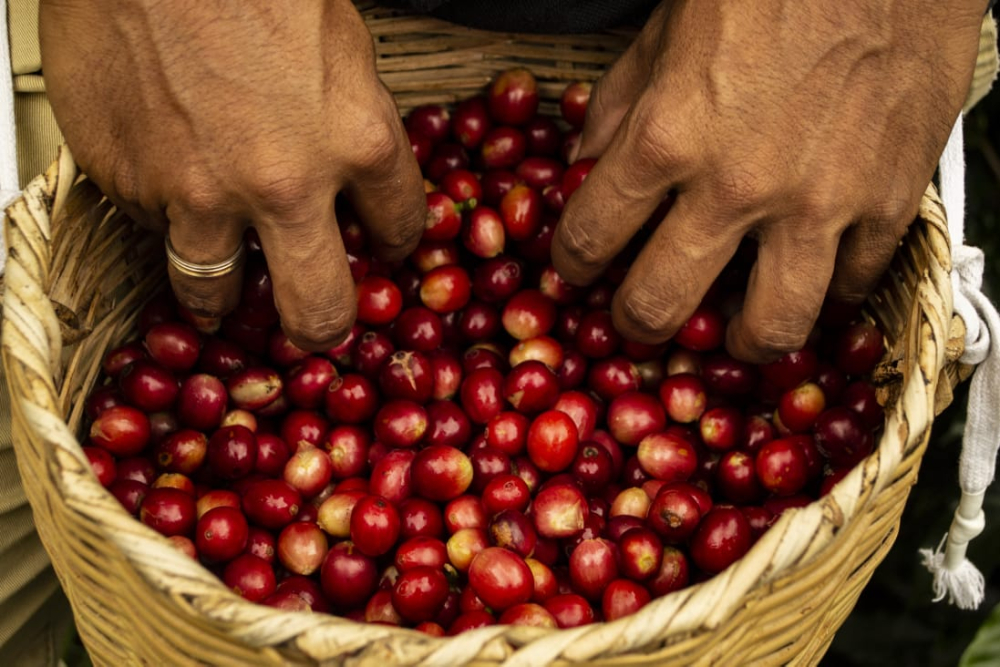
The widespread popularity of Colombian coffee in the market is largely due to its diverse growing regions and consistent quality. The central part of the country benefits from exceptionally favorable climate conditions with two main rainy seasons per year—April to May and September to December—which help ensure even ripening of coffee cherries. The soil in this region is mostly volcanic ash, rich in minerals, which imparts bright fruit acidity and rich aroma to the coffee. The three most representative regions in this area—Medellin, Armenia, and Manizales—are collectively known as “MAM” and are key sources of high-quality Colombian specialty coffee.
In addition to volcanic ash soil, some areas in central Colombia have sedimentary rock terrain. Coffee grown in such soils typically has a fuller body and relatively softer acidity. Meanwhile, southern regions—such as those represented by Narino—are characterized by higher altitudes and more pronounced volcanic ash soil conditions. Their main harvest season is concentrated in the first half of the year, and the coffee produced here often features more complex aromas and structure, making it an unmissable choice for specialty coffee enthusiasts.
The overall flavor profile of Colombian coffee is distinct, with plump, uniformly sized beans that generally exude a rich and robust aroma. The flavor may lean toward bright fruitiness or mellow chocolate notes, depending on the altitude and microclimate of the growing region. In terms of taste, most Colombian coffees have bright acidity, smooth mouthfeel, and a refreshing, lingering aftertaste. Among them, the Supremo grade is considered the top-tier among Colombian green beans, with larger beans and more uniform appearance, generally commanding higher market value.
The green bean grading system in Colombia is primarily based on bean size, defect rate, and processing method. Among them, Excelso is one of the most widely used export grades by FNC (Colombian Coffee Growers Federation). Based on market circulation, it can be mainly divided into the following categories:
First is Excelso UGQ 12*60 (1.5%), where UGQ stands for Usual Good Quality. This grade requires beans to be at least 14 mesh in size, allows up to 1.5% of beans between 12 and 14 mesh, but over 50% must be larger than 15 mesh.
Next is Excelso EP 12*60 (10%), where EP stands for European Preparation. These beans must be at least 15 mesh in size, allow up to 10% of beans smaller than 15 mesh, but not below 14 mesh.
Then there is Excelso Supremo 12*60 (5%), which requires beans to be 17 mesh or larger, allows up to 5% of beans smaller than 17 mesh, but they must remain above 14 mesh.
In addition, Colombia also has higher-grade classifications such as Extra, which requires beans to be 16 mesh or larger; Premium grade, which is 18 mesh or larger and considered top-tier. There is also the Minama grade, where bean sizes are almost uniformly distributed around 15 mesh, suitable for roasting needs that prioritize consistency.
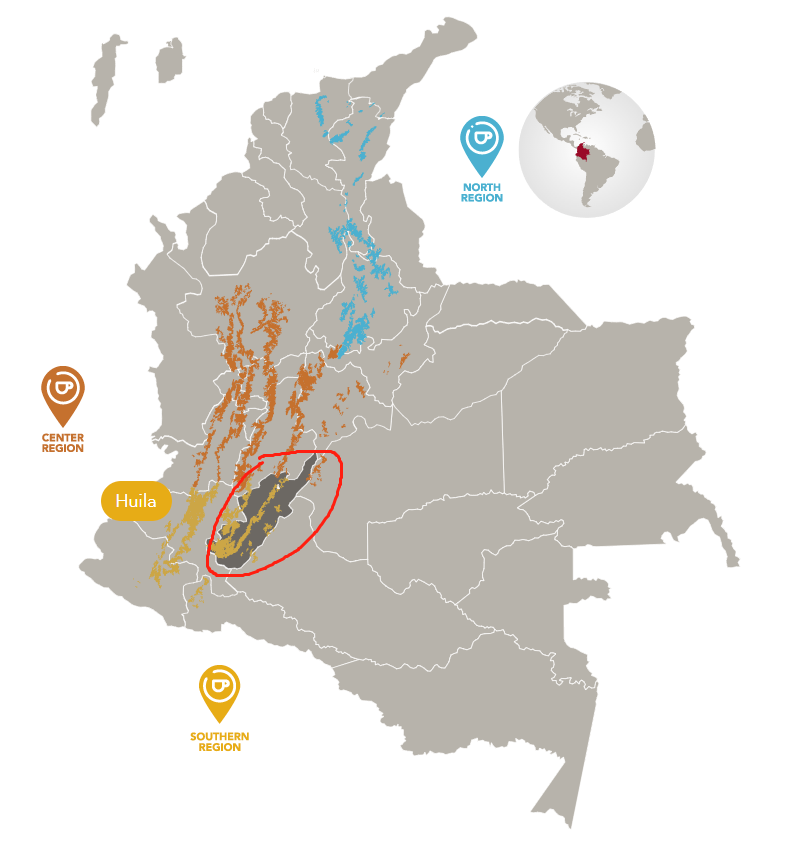
If you’re just starting to explore Colombian coffee, it is recommended to try “Washed Huila.” This bean is medium-dark roasted, emphasizing the richness of dark chocolate and the aroma of nuts, with a moderate oil layer, full and smooth mouthfeel. It is suitable not only for pour over and French press, but also for moka pot and espresso machines, making it a versatile entry-level choice.
For users who already own a home coffee machine, “Premium Blend” is another bean worth recommending. This blend combines the creamy and nutty notes of Brazilian coffee with the deep chocolate and subtle sweet-bitterness of Colombian coffee, resulting in a rich and balanced flavor. It is highly suitable as a base for Americano, latte, cappuccino, and mocha, and is very beginner-friendly, easily showcasing the layers and aromas of the coffee.
The above content is compiled by CoffeeHunters, a coffee news website.


