







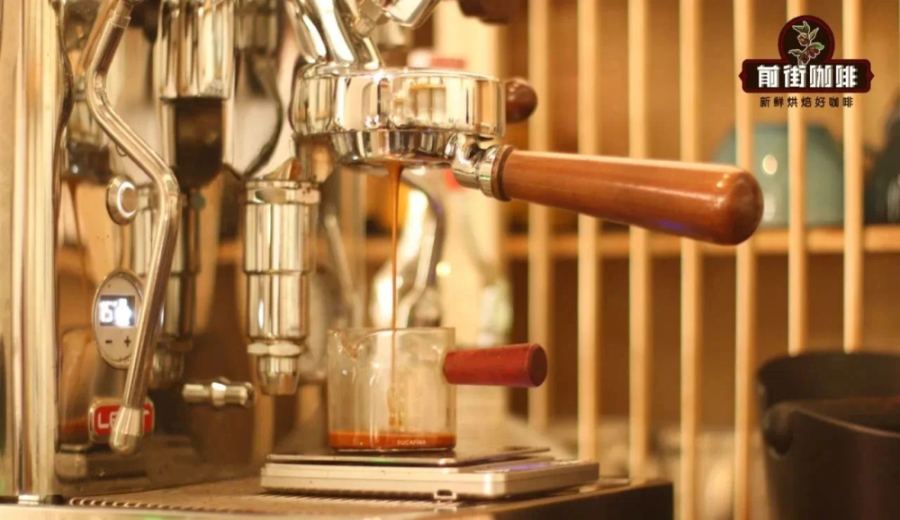
Introduction:Want to learn how to make a well-balanced shot of espresso? This article delves into the extraction principles of espresso, covering everything from coffee-to-water ratio, grind size, to water temperature and pressure settings, with a comprehensive comparison to pour over brewing. Through real-life examples, it helps you understand the flavor differences between espresso and pour over, and offers practical adjustment tips to guide you from sour and astringent to rich and smooth—consistently pulling your ideal shot.
Thanks to its high-pressure, rapid extraction method, espresso serves as the core foundation for classic specialty drinks such as lattes and cappuccinos. Compared to pour over, espresso uses more coffee grounds but extracts only a small concentrated liquid, resulting in a bolder and more intense flavor. This article will detail the production principles and key extraction parameters of espresso, using specific coffee beans as examples to compare its flavor profile with that of pour over, while also providing useful suggestions for adjusting espresso taste.
What is espresso?
Espresso is a beverage made by extracting the essence of coffee quickly under high pressure using water through a professional machine equipped with a high-pressure system. This brewing method produces a rich, thick-bodied taste, making it an indispensable base for many specialty coffee drinks. A standard shot of espresso not only has a much higher concentration than regular pour over coffee, but also showcases the original flavors and aromas of the coffee beans to the fullest due to its concentrated nature.
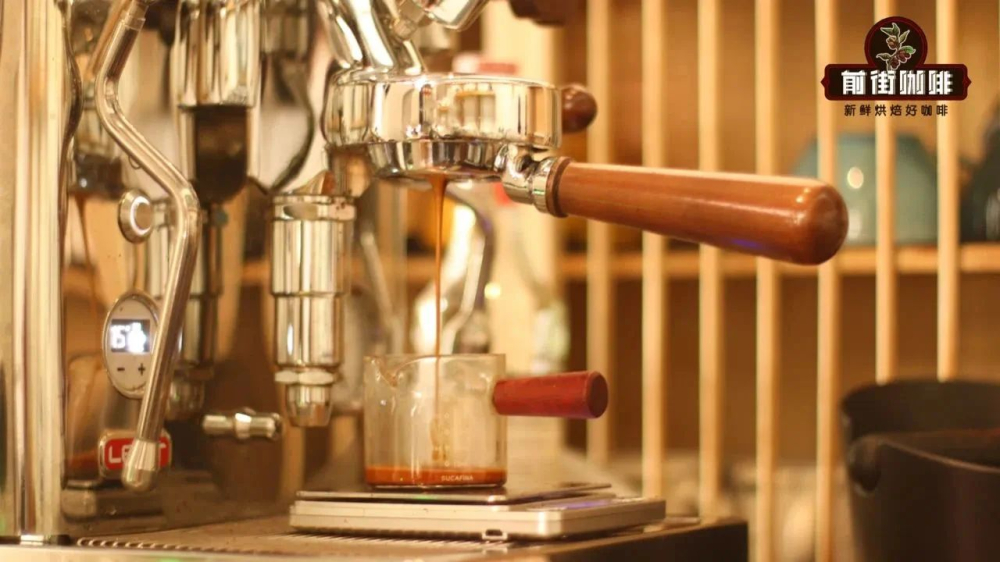
Differences in Extraction: Espresso vs Pour Over
Espresso machines typically use specialized portafilters and baskets, where finely ground coffee is tamped firmly to withstand the impact of high-pressure water flow, ensuring the water penetrates evenly through the entire coffee bed and extracts a balanced and intense coffee liquid. Generally, traditional designs extract 25–30 ml of espresso using 7 grams of coffee, but in practice, 18–20 grams of coffee are now commonly used to produce 35–40 ml of espresso to meet more diverse needs.
In terms of coffee-to-water ratio, a common extraction ratio for espresso is 1:2, whereas pour over typically ranges around 1:13, highlighting the significant difference in concentration. Additionally, espresso requires an extremely fine grind, almost powdery, while pour over generally uses a medium-fine to medium grind, similar in coarseness to granulated sugar—this is also one of the key factors contributing to their vastly different flavor profiles.
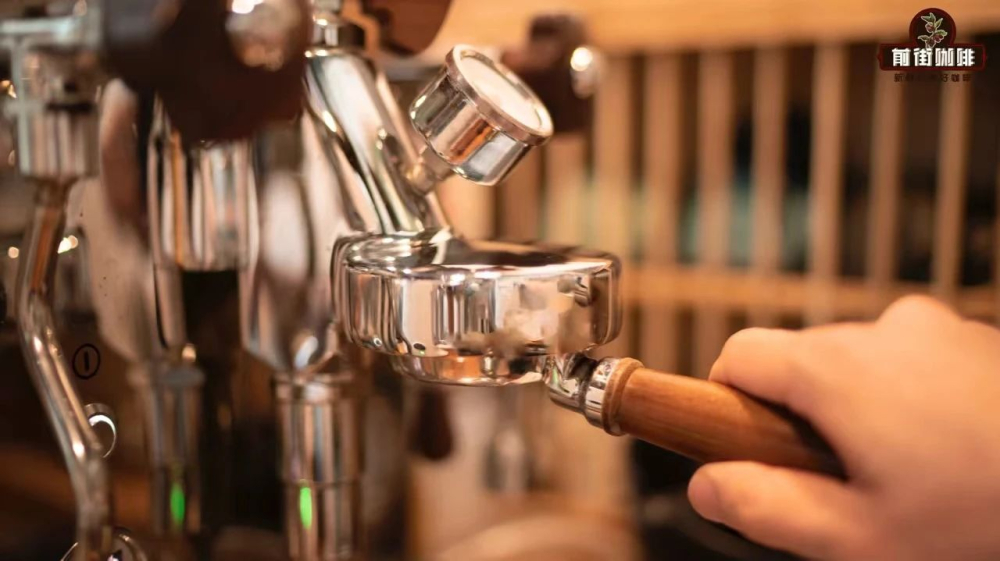
Real-world Example: Flavor Comparison Between Espresso and Pour Over
Taking a coffee bean from the Gedeb Guji Yirgacheffe Gedeo Zone, produced by the Gedechu Cooperative (fruit Ding Ding), as an example: the pour over was brewed at 92°C, with 15 grams of coffee, a 1:15 coffee-to-water ratio (equivalent to a 1:13 coffee-to-liquid ratio), using a medium-fine grind (approximately 80% passing through a #20 sieve). This pour over resulted in a bright citrus acidity, berry flavors, subtle floral notes, and a honey-like green tea finish, with an overall balanced and layered mouthfeel.
In contrast, the same beans were extracted as espresso with parameters set at 94°C, 20 grams of coffee, a 1:2 coffee-to-liquid ratio, an extremely fine grind, extraction pressure of 10 bar, and a brew time of about 28 seconds. This espresso exhibited a strong lemony acidity, almond aroma, and a noticeable sweetness in the aftertaste, but the overall mouthfeel felt thinner, lacking the richness and body that the pour over version delivered.
Practical Adjustment Tips for Coffee-to-Water Ratio and Grind Size
To brew a shot of espresso with stable and balanced flavor, adjusting the coffee-to-water ratio and grind size are two key techniques. If you find your espresso too acidic, try adjusting the ratio before immediately altering the grind. For example, when using 18 grams of coffee, if the cup tastes overly sour, try extracting 40 grams of espresso liquid (close to a 1:2.2 ratio), which can help reduce acidity. Conversely, if the coffee tastes too bitter, you can reduce the yield to 32 grams (about a 1:1.7 ratio) to shorten the time during which bitter compounds are extracted, thus balancing the overall flavor.
If after adjusting the ratio the taste still isn’t ideal—for instance, if it remains sour and watery—you might then consider adjusting the grind size. It is recommended to make the grind finer by 1 to 2 notches. This increases the contact time between water and coffee grounds, extracting more nuanced flavors. However, avoid making large adjustments at once, and fine-tune based on the characteristics of your grinder.
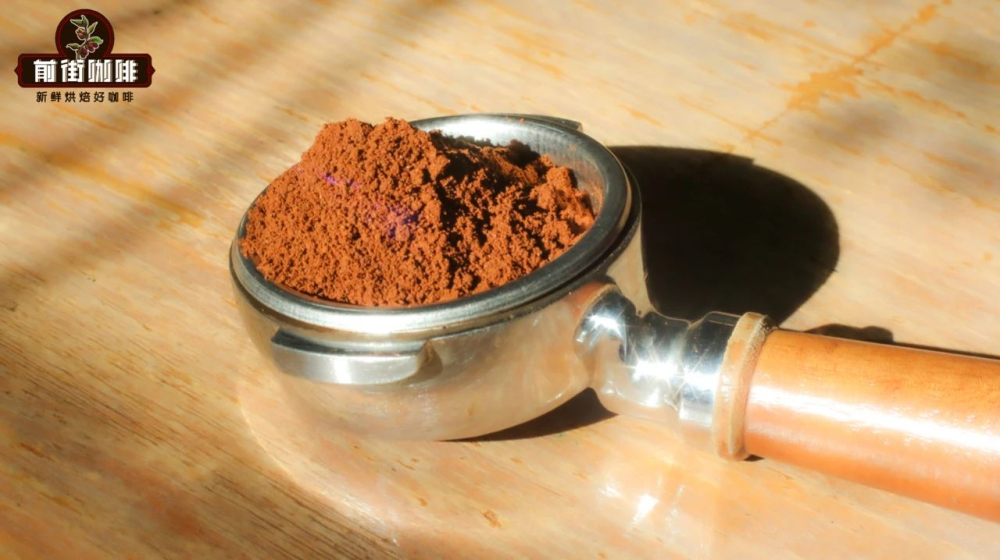
Reference Espresso Extraction Parameters
In real café operations, a single shot of espresso (1 shot) usually uses 10–11 grams of coffee to extract 20–25 grams of liquid, with a brew time of about 22 seconds; a double shot (2 shots) typically uses 19–20 grams of coffee to extract 35–40 grams of liquid, with a brew time of around 29 seconds. These parameters can serve as an entry-level benchmark, but in practice, adjustments should be made according to the espresso machine model, grinder performance, coffee roast level, and origin characteristics to achieve optimal extraction.
The above content is compiled by CoffeeHunters, a coffee news website.


